
 EN
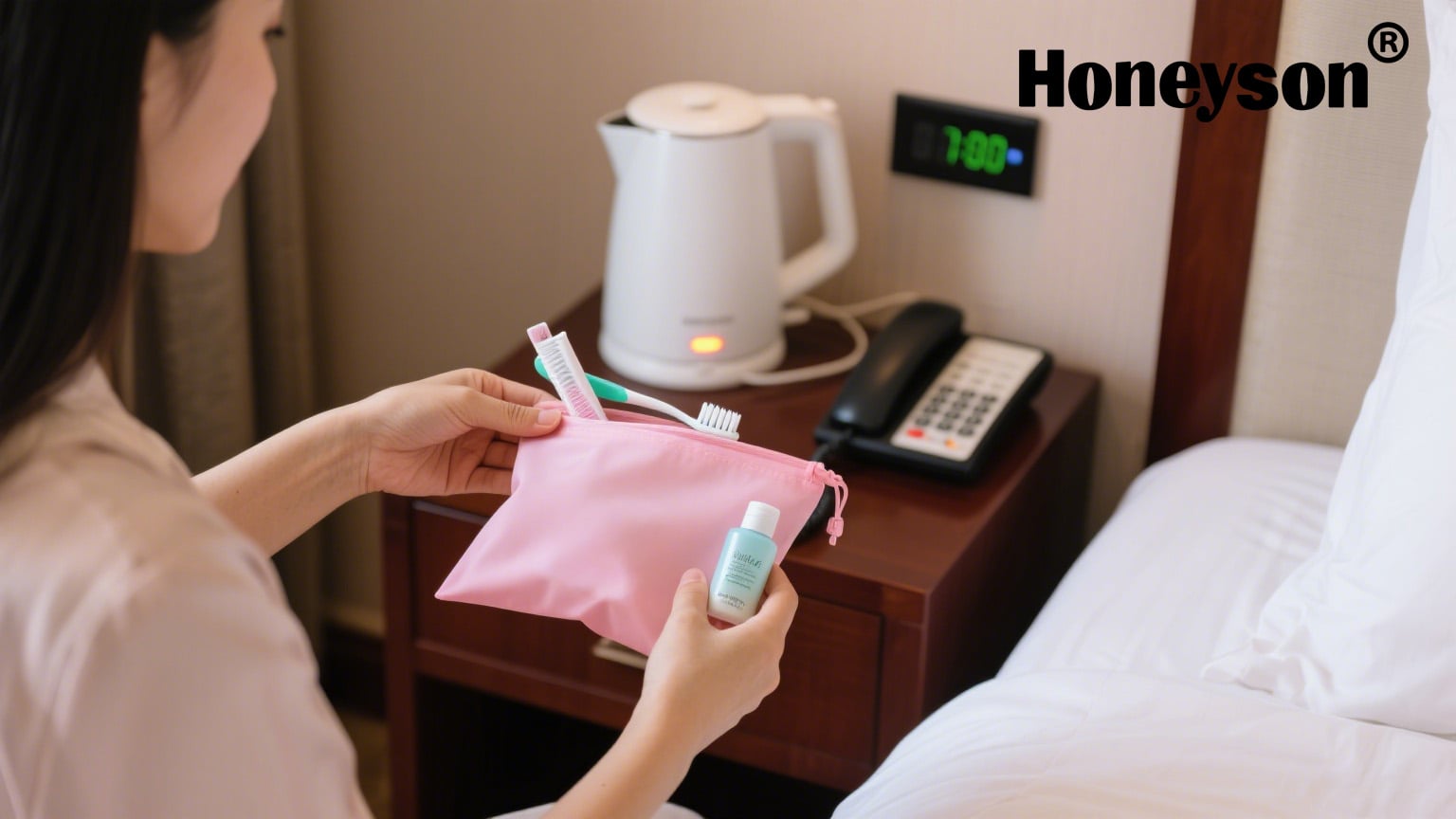
Hotel room equipment operates under fundamentally different conditions than household products, which is why hotelic solutions require substantially higher durability standards. A home kettle may serve a single family for years with light daily use, but hotel room equipment must withstand constant use by dozens of different guests each week, often with varying levels of care and attention. The intensity and unpredictability of hotel environments demand engineering that far exceeds typical household specifications.

Understanding these durability requirements is essential for hospitality managers, procurement professionals, and property owners who invest in hotel electrical products. The cost of equipment failure extends beyond replacement expenses to include guest dissatisfaction, operational disruption, and potential safety liabilities. OEM hotel equipment manufactured to hospitality-grade standards delivers the reliability that modern hotels demand while protecting long-term investment returns.
The Intensity of Commercial Hotel Use
Frequency and Volume of Daily Usage
A typical household appliance is designed for one to three users operating equipment a few times daily. By contrast, hotel room equipment serves multiple guests in rapid succession throughout the day and evening. A kettle in a guest room may be used ten to fifteen times per day by different visitors, each with different expectations and handling practices. This exponential increase in usage cycles dramatically accelerates wear on heating elements, electrical connections, switches, and mechanical components compared to household products.
Hotel electrical products must sustain this pace for years without degradation. The cumulative mechanical stress on a power button, heating element, or cord connection compounds with every use cycle. OEM hotel equipment engineers these high-use scenarios into the design from inception, selecting materials and components rated for sustained commercial operation rather than light residential duty.
Variability in Handling and Misuse Patterns
Household users typically understand proper operation of their appliances because they use familiar devices regularly. Hotel guests, by contrast, encounter equipment for the first time and may operate it incorrectly or aggressively. Guests may yank cords forcefully, drop equipment, spill liquids directly onto surfaces, or use devices in ways never intended by manufacturers. Hotel room equipment must tolerate this unpredictable misuse without electrical hazards or performance failure.
The durability difference becomes evident in component selection. Household products often feature fragile switches and basic insulation sufficient for careful, infrequent use. Quality hotelic solutions incorporate reinforced switches, enhanced insulation layers, and protective barriers designed to withstand rough handling and accidental liquid exposure that would disable ordinary household devices.
Safety, Liability, and Regulatory Compliance
Guest Safety and Hospitality Duty of Care
Hotels bear legal responsibility for guest safety and must maintain equipment meeting applicable safety codes and standards. Defective hotel electrical products pose fire risks, electrical hazards, and burn dangers that create liability exposure far beyond equipment cost. A guest injured by faulty hotelic equipment can pursue premises liability claims affecting the hotel's reputation and insurance ratings. OEM hotel equipment manufactured to rigorous durability and safety standards substantially reduces these risks while demonstrating responsible care.
Regulatory bodies require hotels to maintain equipment in safe operating condition, with documented maintenance and replacement protocols. Under-specified household products fail prematurely and accumulate safety concerns not documented through proper OEM testing. Genuine hotel room equipment comes with safety certifications, maintenance guidance, and failure documentation supporting the hotel's compliance defense if issues arise.
Warranty, Recall, and Risk Management
Household products carry warranties covering defects for limited periods, often twelve to twenty-four months. OEM hotel equipment typically provides extended warranty periods reflecting the expected service life and manufacturer confidence in durability. These extended warranties protect hotels from premature replacement costs and provide clearer risk allocation between manufacturer and property. Hotels choosing budget household products forfeit these protections and assume disproportionate risk.
Reputable OEM manufacturers maintain safety records and rapidly communicate any defects discovered during commercial use. Household product manufacturers lack infrastructure for tracking safety issues across commercial deployments, leaving hotels without critical recall information. Choosing certified hotel room equipment ensures hotels receive timely safety updates and can respond promptly to emerging concerns.
Economic Performance and Total Cost of Ownership
Replacement Frequency and Operational Costs
The apparent cost savings from purchasing household products vanish when accounting for replacement frequency and labor expenses. A budget kettle might cost thirty percent less than equivalent hotelic equipment but fail after six to twelve months of continuous guest use. Replacing dozens of failed units annually generates labor costs, disposal expenses, and service disruptions that eliminate any initial savings. By contrast, OEM hotel equipment often operates three to five years under equivalent usage conditions, dramatically reducing total cost of ownership.
Hotels purchasing quality hotel electrical products distribute equipment cost across extended service periods, reducing per-year expenses below cheaper alternatives requiring frequent replacement. The durability investment pays measurable returns through reduced maintenance overhead, fewer guest disruptions, and stable operating budgets. Procurement teams evaluating equipment options must calculate five-year total cost, not just purchase price, to make economically rational decisions.
Brand Reputation and Guest Experience
Reliable hotel room equipment contributes substantially to guest satisfaction and positive reviews. A failed kettle, broken coffee maker, or dysfunctional appliance during a stay generates negative online reviews affecting future bookings. Guests expect hospitality amenities to function reliably and interpret equipment failures as indicating poor property maintenance or management. Investing in durable hotelic solutions demonstrates operational excellence and justifies premium positioning in competitive markets.
Conversely, properties equipped with failing household products develop reputations for unreliability, attracting budget-conscious guests unwilling to pay premium rates and generating lower revenue per occupied room. The strategic value of reliable hotel room equipment extends beyond mere functionality to encompassing brand identity, market positioning, and revenue optimization.
FAQ
What specific durability standards define OEM hotel equipment versus household products?
OEM hotel equipment typically meets commercial-grade standards such as NSF International certification, ETL commercial ratings, or IEC 61000 standards for electromagnetic resilience. These standards specify minimum component lifecycles, stress testing protocols, and safety margins substantially exceeding household product requirements. Hotelic equipment undergoes accelerated life testing simulating years of commercial use, while household products receive minimal testing. Specifications include duty cycles measured in thousands of hours and sustained operation under continuous loading conditions that household appliances never encounter.
Can hotels use household products to reduce equipment procurement costs?
While household products cost less initially, the economic analysis fails when considering replacement frequency and operational expenses. Hotels using household electrical products typically replace units within six to eighteen months, generating hidden costs through labor, disposal, and guest service disruptions. OEM hotel equipment spreads cost across three to five years, reducing annualized expenses below household alternatives. Additionally, failed equipment creates guest experience problems reducing revenue, so the apparent savings become costly losses when total business impact is calculated.
How does equipment durability relate to guest safety in hotels?
Durable hotel room equipment incorporates safety features and material specifications designed for sustained commercial use without electrical hazards or mechanical failures that could injure guests. Household products may develop shorts, insulation degradation, or mechanical failures after extended use, creating fire and electrical risks in commercial environments. Quality hotelic solutions maintain safety margins throughout extended service lives, protecting guests and reducing hotel liability. Hotels bear legal responsibility for maintaining safe equipment, making durability directly connected to compliance and risk management obligations.
