
 EN
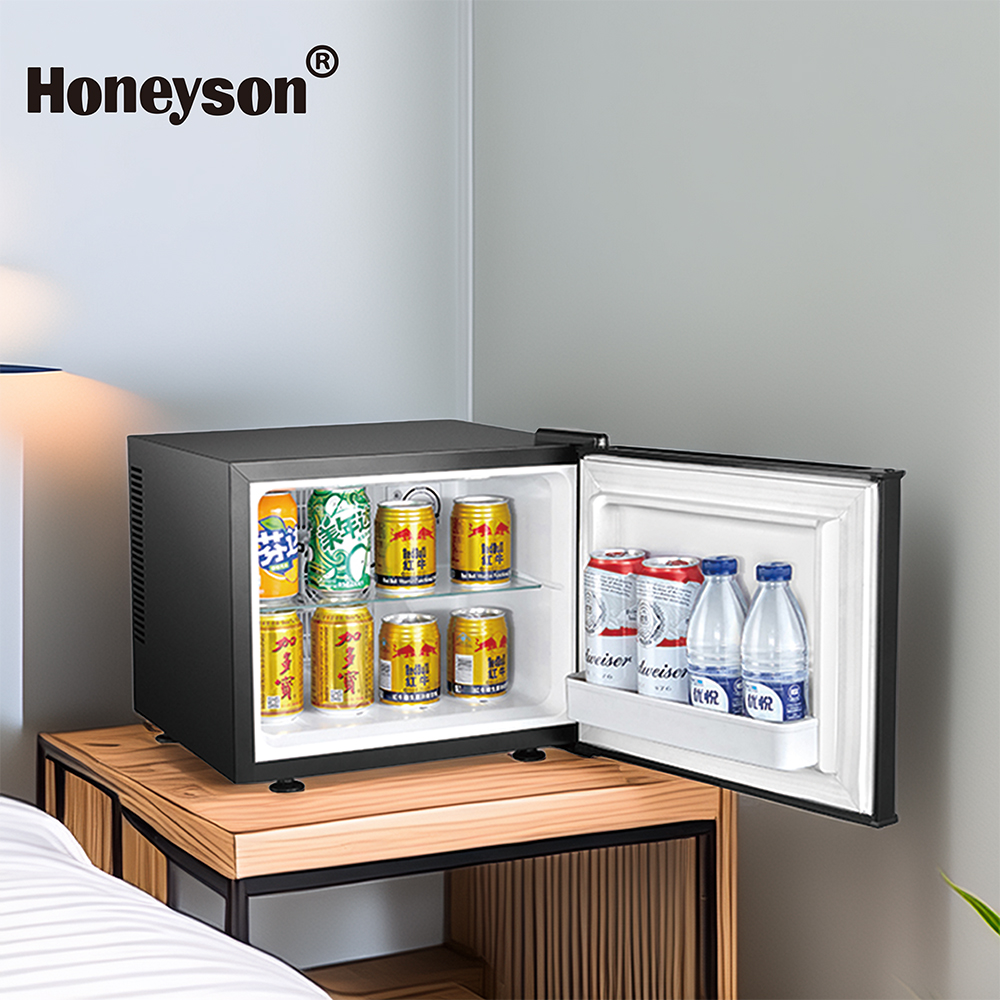
Hotel owners and procurement managers face a persistent challenge when purchasing guest room equipment: warranty coverage often leaves significant blind spots that expose properties to unexpected repair costs and operational disruptions. Most hospitality businesses discover these gaps only after equipment fails and the manufacturer's warranty proves narrower than anticipated. Understanding the structure of typical hotel equipment warranties and identifying common exclusions is essential for protecting your property's investment and maintaining guest satisfaction.
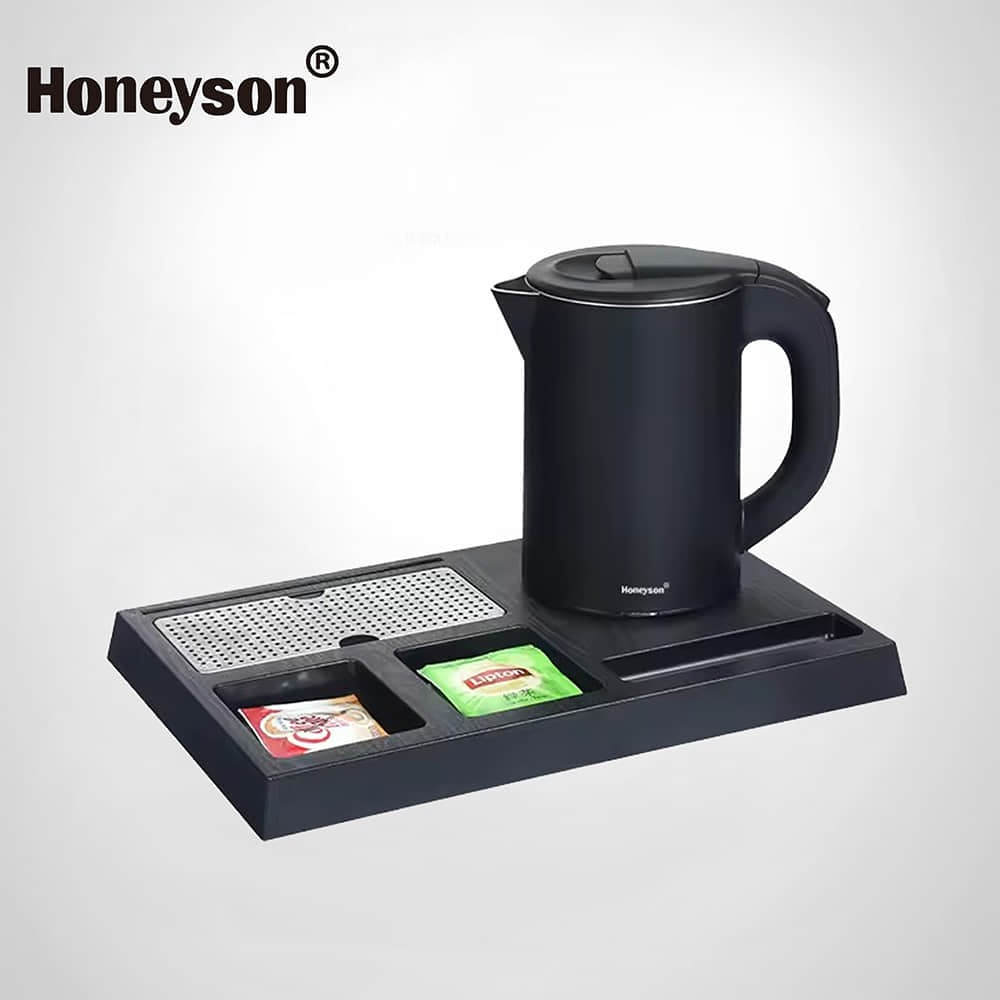
When evaluating hotel room equipment such as kettles, coffee makers, bathroom fixtures, and in-room entertainment systems, the warranty documentation can be deceptively complex. Standard OEM hotel equipment warranties typically cover manufacturing defects for twelve to twenty-four months but exclude damage from normal wear, guest misuse, improper installation, and environmental factors common in hospitality settings. By identifying these gaps early and implementing strategic coverage solutions, hotel operators can significantly reduce their total cost of ownership and maintain consistent service quality across all guest accommodations.
Understanding Standard Warranty Coverage Limitations
Typical Duration and Scope of OEM Warranties
Most OEM hotel equipment manufacturers provide baseline warranties ranging from one to three years, depending on the product category and purchase volume. These warranties generally cover defects in materials and workmanship under normal operating conditions, meaning the equipment must be used as specified in the product manual. However, the term 'normal operating conditions' varies significantly between manufacturers and product types, creating ambiguity that often works against the hotel when disputes arise. Extended warranties and service agreements are available for many hotel electrical products, but they require upfront negotiation at the point of purchase, not after a failure occurs.
Common Exclusions in Standard Coverage
Hotel electrical products and in-room amenities frequently exclude accidental damage, liquid spills, power surges, and wear from high-volume guest usage. Guest-induced damage—such as dropping a kettle, spilling water on electronic controls, or mishandling fixtures—typically falls entirely outside warranty protection, leaving the hotel responsible for replacement or repair costs. Environmental factors like humidity, temperature fluctuations, and mineral-heavy tap water are rarely covered by standard hotel room equipment warranties, yet these conditions are inherent to hospitality environments. Additionally, labor costs for installation, diagnosis, and removal often exceed the cost of replacement parts, but most basic warranties exclude service labor entirely.
Critical Gaps That Impact Hotel Operations
Maintenance and Environmental Damage Exposure
A common but overlooked gap involves damage caused by predictable maintenance activities and environmental stress. Descaling a coffee maker, cleaning hard water deposits from a kettle, or replacing battery-operated components in hotelic in-room devices often voids standard coverage if the procedure deviates slightly from manufacturer specifications. Hotels operating in regions with extremely hard water, high humidity, or significant temperature variation experience accelerated degradation of hotel electrical products, yet warranty claims are routinely denied because the failure results from environmental factors rather than manufacturing defects. This creates a scenario where properties in challenging climates face substantially higher replacement costs despite no fault in their operation or maintenance practices.
Labor and Service Cost Exclusions
The distinction between parts coverage and service coverage represents another critical gap in typical OEM hotel equipment warranties. Many manufacturers will replace a faulty component at no charge during the warranty period, but the hotel must cover all labor to diagnose the issue, remove the failed equipment, and install the replacement. For distributed in-room amenities across a large property, these labor costs can easily exceed the parts cost, making the warranty economically insufficient. Hotels with multiple locations face additional complications when coordinating service calls across properties, and standard warranties offer no flexibility for scheduling or expedited response times during peak seasons when guest impact is highest.
Strategic Approaches to Close Warranty Gaps
Negotiating Extended Coverage at Purchase Time
The optimal time to address warranty gaps is during the initial equipment procurement process when manufacturers have the strongest incentive to negotiate favorable terms. Rather than accepting standard warranty terms, experienced hospitality procurement teams request extended coverage that specifically includes labor, environmental damage thresholds, accidental damage from guest use, and expedited service response guarantees. Many OEM hotel equipment suppliers offer tiered protection plans where a modest upfront investment—typically five to fifteen percent of equipment cost—extends coverage to three to five years and includes service labor. For high-volume purchases, volume discounts on warranty premiums can make comprehensive coverage financially competitive with the pay-as-you-go repair model that many hotels default to.
Implementing Proactive Maintenance and Documentation
Hotels can substantially reduce warranty disputes by establishing formal maintenance protocols and maintaining detailed records of all service activities performed on hotel room equipment. Clear documentation of preventive maintenance, cleaning procedures, and guest incident reports creates evidence that failures resulted from manufacturing defects rather than negligence or environmental damage. Staff training on proper use, operation, and basic troubleshooting of hotel electrical products reduces unnecessary service claims and helps distinguish genuine warranty issues from misuse-related failures. Properties that implement this discipline find manufacturers more willing to honor borderline warranty claims and negotiate favorable terms for repeat purchases.
FAQ
What types of damage are typically excluded from hotel equipment warranties?
Standard OEM hotel equipment warranties typically exclude accidental damage from drops or liquid spills, guest misuse, damage from power surges or electrical faults, and wear from high-volume usage. Environmental damage caused by humidity, mineral-rich water, or temperature extremes is also commonly excluded unless the property specifically purchased enhanced environmental protection.
Can warranty coverage be modified after purchasing hotel room equipment?
In most cases, warranty terms cannot be substantially modified after purchase, though some manufacturers offer extended warranty options that can be purchased shortly after the initial sale if not already included. The best approach is to negotiate comprehensive coverage during the procurement phase when you have negotiating leverage and the manufacturer is motivated to secure the sale.
How do hotels calculate the true cost of warranty gaps in hotel electrical products?
To calculate true warranty gap costs, compare the expenses of the standard warranty versus total cost of ownership including labor, downtime, guest impact, and replacement cycles over five years. Hotels should factor in failure rates typical to their operating environment, guest density, and local service labor rates to determine whether extended coverage or self-insurance is more economically prudent.
