
 EN

Approving hotel room equipment samples is a critical step for hospitality buyers seeking to partner with reliable OEM hotel equipment suppliers. The sample approval process ensures that every item meets your property's quality standards, guest expectations, and operational requirements before full-scale procurement. This systematic evaluation protects your investment and builds long-term relationships with trusted vendors who understand the unique demands of the hospitality industry.
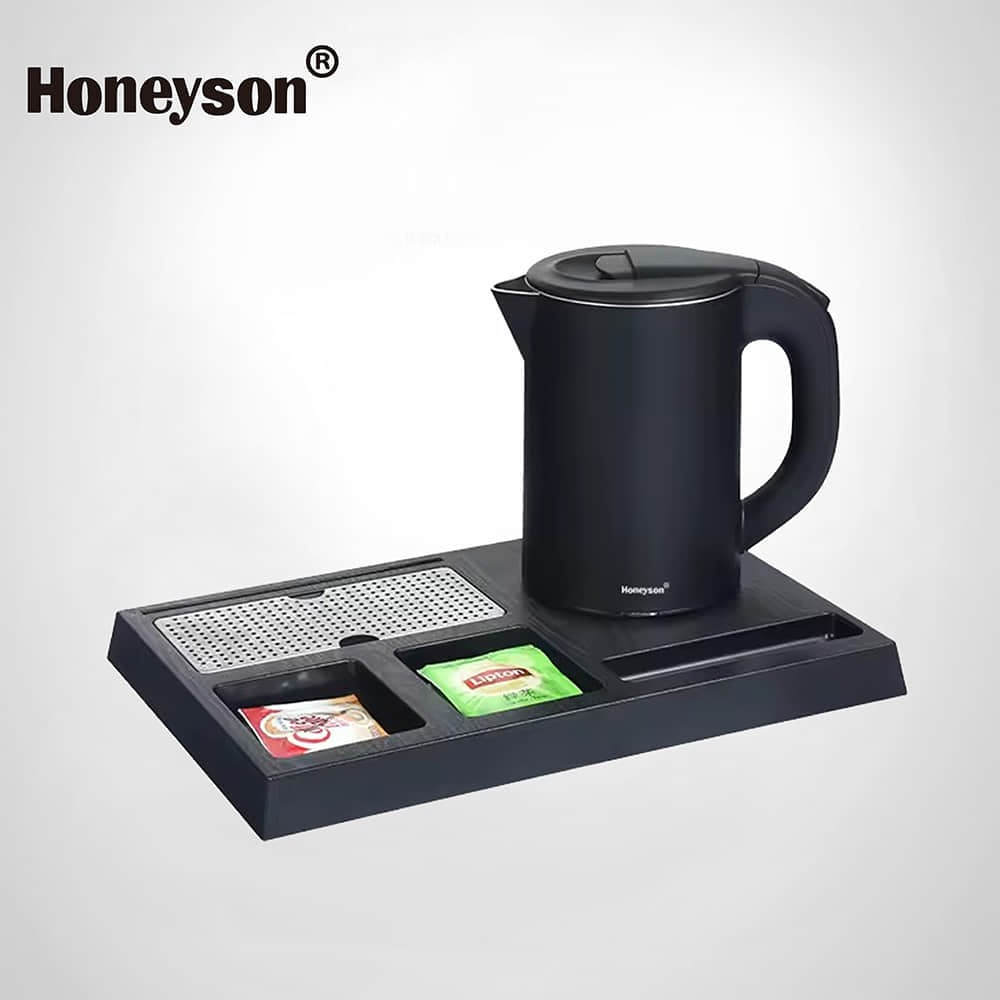
The approval journey for hotel electrical products and other equipment begins with clear specifications and ends with documented acceptance. Establishing a structured approval framework reduces delays, minimizes quality issues, and ensures consistency across all your purchased items. Whether you manage a single property or oversee multiple locations, understanding this process transforms vendor interactions from reactive problem-solving into proactive partnership building.
Understanding the Sample Approval Framework
Why Sample Approval Matters for Hotel Buyers
Sample approval represents your first formal interaction with OEM hotel equipment quality and design intent. Before committing to bulk orders, examining prototypes or initial production samples allows you to verify specifications, aesthetics, durability, and functionality in real hotel environments. This phase catches inconsistencies between vendor promises and actual product performance, preventing costly mistakes after full delivery.
Every hotel electrical products category—from in-room kettles to climate control components—requires hands-on evaluation. Testing samples in actual guest rooms, staff areas, and maintenance spaces reveals practical issues that laboratory testing alone might miss. Worn surfaces, noise levels, ease of cleaning, and integration with existing systems become apparent only through real-world conditions.
Key Stakeholders in the Approval Process
Successful sample approval requires input from multiple departments. Procurement specialists identify qualified vendors and manage timelines. Operations teams assess functionality and guest experience impact. Engineering evaluates technical compliance, safety features, and compatibility with existing infrastructure. Housekeeping and maintenance staff provide frontline insights into durability, repairability, and user-friendliness. Finance reviews cost implications and total cost of ownership considerations for hotel room equipment purchases.
Executing the Step-by-Step Approval Process
Phase One: Specification and Vendor Selection
Begin by documenting detailed requirements for the hotel electrical products or equipment category you need. Specify dimensions, materials, performance parameters, safety certifications, and aesthetic characteristics aligned with your brand standards. Provide these specifications to multiple OEM hotel equipment vendors to ensure fair comparison and encourage quality competition.
Request samples from vendors whose capabilities match your requirements and whose pricing structures align with your budget framework. Ask vendors to include documentation: technical data sheets, safety certifications, warranty information, and maintenance guides. This documentation becomes your baseline for evaluating actual samples against promised specifications.
Phase Two: Initial Receipt and Documentation
When samples arrive, inspect packaging immediately. Damage during transport can indicate inadequate protection standards or handling procedures. Document the condition with photographs and notes. Verify that samples match submitted specifications: check model numbers, finishes, included components, and packaging completeness. Create a receiving report logging arrival date, vendor name, product description, and condition assessment for your hotelic evaluation records.
Phase Three: Technical and Functional Evaluation
Assign technical staff to conduct comprehensive testing of hotel room equipment samples. Verify electrical safety compliance, operational functions, and integration capabilities with existing systems. Test all features under normal usage conditions and stress-test durability. Document findings against specification requirements, noting any deviations or concerns.
For hotel electrical products especially, verify voltage ratings, grounding configurations, safety certifications, and compliance with local electrical codes. Test thermal controls, switch responsiveness, and indicator functionality. Inspect construction quality: solder joints, component mounting, cable routing, and protective housing integrity.
Phase Four: Operational Testing and Guest Experience Assessment
Deploy samples in actual guest rooms or staff areas where they will be regularly used. Gather feedback from housekeeping teams, maintenance staff, and guest services regarding ease of use, cleaning, and durability. Monitor performance during normal operating cycles for at least two to four weeks. Document any issues, malfunctions, or unexpected wear patterns discovered during operational deployment of your OEM hotel equipment samples.
Request that selected guests evaluate guest-facing items during their stays. Their unbiased perspective on functionality, aesthetics, and user experience provides invaluable insights into the product's fitness for your hospitality environment.
Phase Five: Comparative Analysis and Decision
Compare all samples against your original specifications and evaluation criteria. Create a scoring matrix addressing technical performance, durability, ease of maintenance, aesthetic alignment, safety compliance, and total cost of ownership. Involve all relevant departments in scoring to ensure comprehensive perspective on hotel room equipment and hotel electrical products quality.
Rate vendors not only on product quality but also on communication responsiveness, documentation completeness, willingness to address concerns, and support capabilities post-approval. A vendor's collaboration during the sample phase predicts their performance throughout the ongoing partnership.
Phase Six: Approval Communication and Documentation
Document your approval decision formally, specifying which samples meet your standards and under what conditions. If approval is conditional—for example, requiring minor modifications to hotel electrical products or finishes—communicate these requirements clearly to the vendor with specific deadlines for revised samples.
For approved OEM hotel equipment, issue formal purchase authorization documents outlining approved specifications, acceptable tolerances, quality standards, and inspection procedures for future production runs. This documentation becomes your quality control baseline for verifying that bulk shipments match approved sample characteristics.
Building Quality Controls After Approval
Establishing Ongoing Quality Standards
Sample approval does not conclude the vendor relationship; it establishes the foundation for ongoing partnership standards. Specify in purchase contracts that all deliveries must match approved sample specifications and quality levels. Require vendors to notify you of any production changes, supply chain shifts, or material substitutions that might affect hotel room equipment consistency.
Implement incoming inspection procedures to verify that bulk shipments maintain approved sample standards. Periodically request new samples from production runs to confirm consistency and quality stability for both hotel electrical products and other categories.
Continuous Improvement Considerations
Maintain open communication with approved vendors regarding performance observations, durability findings, and maintenance experiences with deployed hotel room equipment. Share guest feedback and operational insights that might inform future product improvements. Vendors often appreciate this collaborative approach and may adjust designs or materials to better serve your long-term requirements.
Schedule periodic reviews with vendor representatives to discuss performance metrics, emerging technologies in OEM hotel equipment categories, and opportunities for optimization or cost reduction. This proactive engagement strengthens partnerships and demonstrates that you view vendors as strategic suppliers rather than transactional sources.
FAQ
How long should the sample approval process typically take?
The complete sample approval process usually requires four to eight weeks, depending on complexity and stakeholder availability. Initial vendor selection and sample ordering typically takes one to two weeks. Transport and receipt preparation requires one week. Technical evaluation and functional testing require two to three weeks. Operational deployment and feedback collection require two to four weeks. Complex items or new categories may require additional time for thorough assessment and cross-departmental review cycles.
What happens if a sample fails to meet specifications during approval?
If samples fail to meet your specifications, communicate specific deficiencies to the vendor in writing with documentation of what does not conform. Offer the vendor an opportunity to explain deviations, provide revised samples, or discuss specification adjustments if their interpretation differs from yours. Set clear deadlines for revised sample submission. You may approve conditional on modifications, reject the vendor and restart selection with alternatives, or negotiate specifications if the vendor's products offer compelling advantages that justify minor modifications to your original requirements.
Should you approve samples from multiple vendors for the same hotel room equipment category?
Approving multiple vendors for the same OEM hotel equipment category provides supply chain redundancy and maintains competitive pressure on pricing and quality. However, managing multiple vendor relationships increases complexity. Many hospitality buyers approve one primary vendor and one backup vendor, maintaining samples from both to ensure continuity if the primary vendor experiences delivery disruptions. This approach balances risk mitigation against administrative burden while supporting reliable hotel electrical products sourcing and overall procurement stability.
Table of Contents
- Understanding the Sample Approval Framework
-
Executing the Step-by-Step Approval Process
- Phase One: Specification and Vendor Selection
- Phase Two: Initial Receipt and Documentation
- Phase Three: Technical and Functional Evaluation
- Phase Four: Operational Testing and Guest Experience Assessment
- Phase Five: Comparative Analysis and Decision
- Phase Six: Approval Communication and Documentation
- Building Quality Controls After Approval
- FAQ
