
 EN
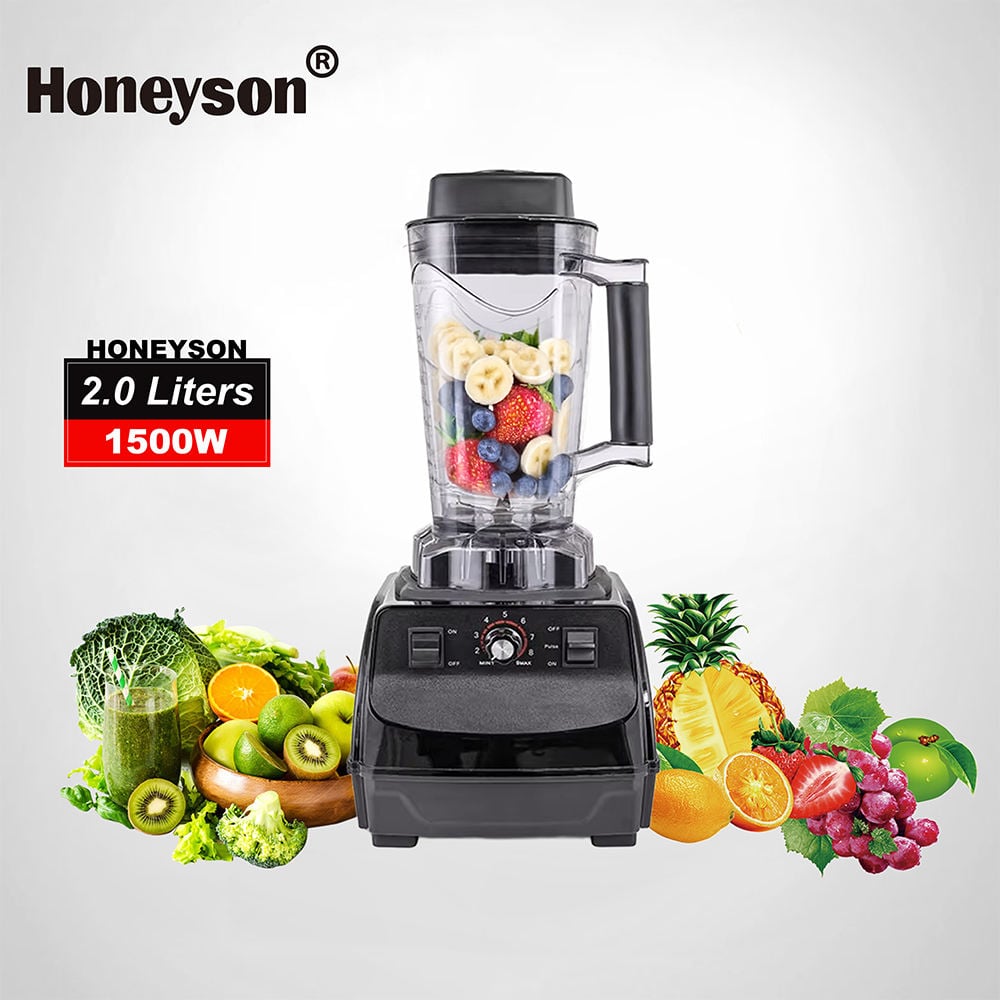
Managing multiple hospitality properties demands seamless coordination across inventory, procurement, and asset deployment. When each location operates with different appliances and supply specifications, operational friction multiplies exponentially. Consistent product models eliminate this fragmentation by establishing uniform standards across all properties, making guest distribution more predictable, efficient, and cost-effective. Properties that standardize their hotel room appliances and guest room supplies report dramatic improvements in inventory tracking, staff training, and maintenance scheduling.

The complexity of managing heterogeneous equipment across a portfolio intensifies with scale. When properties acquire different OEM hotel appliances from various manufacturers, each unit requires separate training protocols, spare parts inventory, technical support channels, and replacement schedules. Standardizing on consistent product models transforms guest distribution from a reactive scramble into a strategic, controllable process. This alignment creates systematic advantages that ripple through purchasing, logistics, compliance, and guest experience consistency.
Operational Efficiency Through Standardization
Streamlined Inventory Management
Standardized hotel room appliances allow properties to maintain consolidated spare parts inventory rather than stocking dozens of incompatible components. When guest room supplies follow uniform specifications, procurement teams can negotiate volume discounts, reduce carrying costs, and eliminate obsolete stock. The guest distribution process becomes predictable because all units follow identical replacement cycles and maintenance intervals. Properties report 30–40 percent reductions in inventory holding costs when they transition from mixed equipment portfolios to consistent product models. This efficiency extends to warehouse space, where smaller inventories free up valuable storage for other operations.
Simplified Training and Operations
Staff at different properties face identical equipment configurations when OEM hotel appliances are standardized. Housekeeping teams, maintenance technicians, and front desk personnel require training only once, then apply that knowledge across the entire portfolio. Guest room supplies operate consistently, so guests experience uniform functionality regardless of which property they visit. This consistency strengthens brand recognition and guest satisfaction. When staff transfer between properties, they already understand the equipment they will encounter, reducing onboarding time and operational disruption. Centralized training programs become practical and cost-effective, further supporting seamless guest distribution across the portfolio.
Cost Control and Financial Predictability
Procurement and Capital Expenditure Advantages
Purchasing leverage increases dramatically when properties buy identical hotel room appliances at scale. Suppliers reward volume commitments with better pricing, extended payment terms, and priority support. Budget forecasting becomes accurate because replacement cycles are predictable and unit costs remain stable. With consistent product models, properties avoid the premium costs associated with small-volume purchases of specialized equipment. Guest distribution schedules align with procurement cycles, allowing facilities managers to plan capital expenditures years in advance. This financial predictability supports multi-year strategic planning and improves return on asset investment across the portfolio.
Reduced Maintenance and Support Costs
Standardized guest room supplies and OEM hotel appliances lower service call frequency and reduce per-unit maintenance expense. When properties stock consistent equipment, preventive maintenance becomes systematic and efficient. Technicians develop deep expertise with one or two equipment types rather than mastering diverse, incompatible systems. Warranty claims process more smoothly because all units are identical, reducing administrative overhead. Emergency repairs happen faster because spare parts are always on hand and technicians know the equipment inside out. Guest distribution teams spend less time managing exceptions and emergency replacements, allowing them to focus on strategic initiatives and portfolio growth.
Guest Experience and Brand Consistency
Unified Guest Expectations
Guests expect consistent functionality across all properties within a hotel portfolio or hospitality brand. When guest distribution relies on identical hotel room appliances, guests encounter the same features, interface, and performance at every location. This consistency builds trust and reinforces brand positioning. Guest room supplies that function uniformly prevent frustration and negative reviews. Repeat guests appreciate familiarity and predictability, which strengthen loyalty and encourage direct bookings. When appliances and supplies differ across properties, guests perceive operational inconsistency and may question the brand's quality standards. Standardized, consistent product models send a message of operational excellence and professional management that resonates throughout the guest journey.
Competitive Differentiation
Hospitality brands that maintain consistent, high-quality guest room supplies and OEM hotel appliances gain measurable competitive advantage. Guests actively notice and appreciate uniform, well-maintained environments. Consistent experiences drive positive reviews, higher satisfaction scores, and increased repeat visitation. Properties that falter on consistency appear unprofessional, which damages reputation even if most locations perform well. Standardized guest distribution ensures that portfolio strength supports every property, not just flagship locations. This unified approach strengthens brand identity and justifies premium positioning in the market.
FAQ
How does standardizing product models reduce guest distribution complexity?
Standardized models eliminate the need to manage multiple supply chains, training protocols, and spare parts inventories. Guest distribution becomes predictable because all units follow identical specifications and replacement cycles. Procurement, logistics, and maintenance operations work within a single, well-understood framework, reducing coordination overhead and accelerating decision-making across the portfolio.
What financial benefits emerge from consistent hotel room appliances and guest room supplies?
Volume purchasing power increases, reducing per-unit costs and enabling better supplier relationships. Maintenance expenses drop as technicians become expert with standardized equipment. Capital expenditure forecasting improves because replacement schedules are predictable. Inventory carrying costs fall because properties maintain only essential spare parts for consistent models rather than stocking diverse, incompatible components.
Does standardization limit flexibility for individual properties?
Standardization actually enhances flexibility by freeing operational resources from equipment management complications. Properties can redeploy staff toward revenue-generating initiatives rather than troubleshooting incompatible systems. Guest distribution across properties becomes fluid, supporting dynamic pricing strategies and demand balancing. OEM hotel appliances and supplies can be rotated between locations as occupancy patterns shift, creating portfolio-wide operational agility that fragmented equipment systems cannot match.
