
 EN
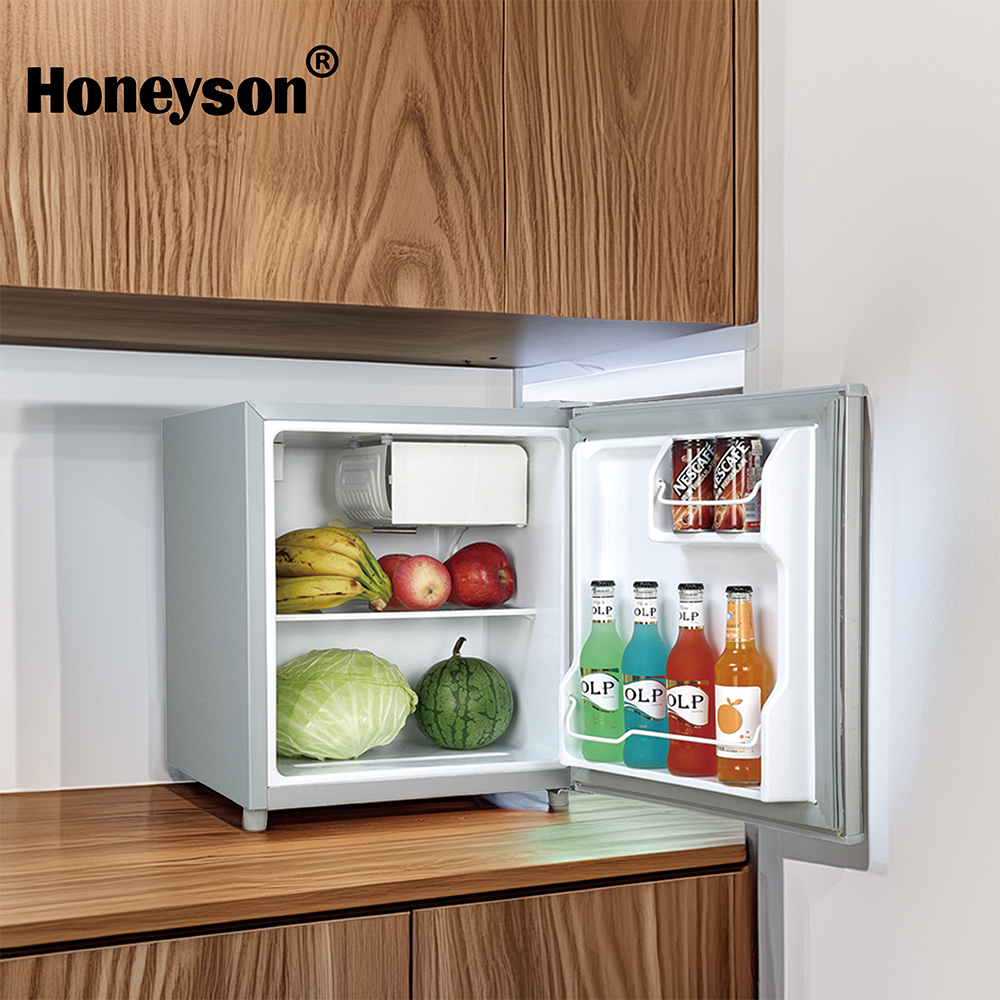
The logistics framework for managing hotel room appliances fundamentally shapes operational efficiency, cost structures, and service quality across property networks. Centralized and regional supply models represent two distinct approaches to managing guest room supplies, each with implications for inventory management, distribution speed, and customer satisfaction. Understanding how these models affect guest distribution across multi-property operations is essential for hotel groups making supply chain decisions.
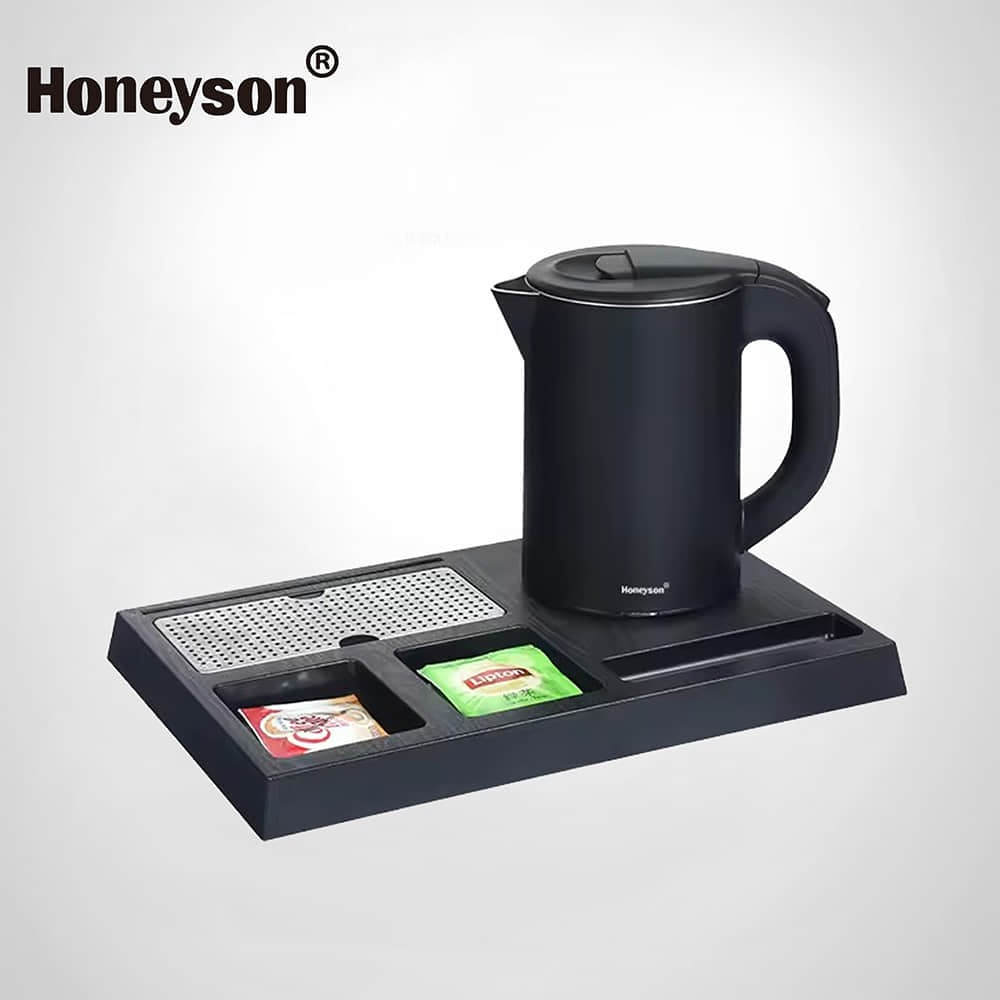
Selecting the right supply model impacts how quickly replacements reach properties, how inventory capital is deployed, and how effectively hotel supplies reach their end-use locations. Whether managing OEM hotel appliances or standard guest room supplies, the distribution architecture determines response times to equipment failures, seasonal demand fluctuations, and expansion initiatives. This article examines both models in detail, exploring their advantages, challenges, and practical implications for hotel operators managing multiple properties.
Understanding Centralized Supply Models
Definition and Core Structure
A centralized supply model consolidates all hotel room appliances inventory at a single distribution hub serving an entire hotel group or geographic region. This hub receives shipments from OEM hotel appliances manufacturers and third-party suppliers, then fulfills orders from individual properties on demand. Centralization simplifies procurement because the hotel group negotiates volume agreements with fewer suppliers, reducing transaction complexity and administrative overhead. Guest room supplies flow from this single point to all properties regardless of location, creating a streamlined ordering process and unified inventory tracking system.
Operational Benefits of Centralization
Centralized models generate significant cost advantages through consolidated purchasing power. Hotels negotiating with OEM hotel appliances vendors achieve better unit pricing, extended payment terms, and priority allocation during supply shortages. Inventory optimization improves because demand patterns across properties smooth forecasting, reducing safety stock requirements compared to fragmented regional holdings. Guest distribution becomes more predictable when managed through a single system tracking all properties' needs simultaneously. Technology investment in inventory management systems becomes more justifiable when applied to a large network, enabling real-time visibility across all hotel supplies stock levels.
Quality control and standardization strengthen with centralization because all guest room supplies pass through trained personnel following consistent protocols before shipment. This approach reduces variation in product condition and ensures that OEM hotel appliances reach properties functioning correctly. Administrative efficiency increases because the hotel group maintains one logistics partner relationship, one inventory database, and one supplier communication channel rather than managing multiple regional arrangements.
Exploring Regional Supply Models
Regional Distribution Architecture
Regional supply models establish separate inventory and distribution points in multiple geographic zones, with each region managing its own guest room supplies stock for nearby properties. A hotel group with properties across several states might maintain regional warehouses in three or four locations, each stocking OEM hotel appliances and hotel supplies relevant to their territory. This structure keeps inventory closer to end-use locations, reducing last-mile delivery distances and enabling faster response when properties need emergency replacements or new equipment. Guest distribution becomes more localized, with regional managers controlling procurement decisions and inventory levels specific to their market conditions.
Operational Advantages of Regional Models
Regional models excel at responsiveness and customization because local managers understand property-specific needs, seasonal patterns, and supplier relationships within their territories. When a property experiences equipment failure, guest room supplies replacement stock sits hours away rather than days, minimizing service disruption and guest experience impact. OEM hotel appliances can be selected to match regional preferences and climate conditions rather than applying one standardized specification network-wide. Inventory carrying costs sometimes decrease because stock closer to usage locations turns faster, though this benefit depends on demand volatility and holding time assumptions.
Local supplier relationships strengthen with regional models because managers work repeatedly with area-based vendors familiar with regional building codes, installation requirements, and emergency response capabilities. This familiarity accelerates problem resolution and enables deeper integration between hotel supplies providers and property operations. Guest distribution flexibility increases when regional teams can adjust stock levels, product mix, and ordering patterns based on immediate market signals rather than waiting for central approval cycles.
Comparative Analysis and Practical Implications
Cost Structure Dynamics
Centralized models achieve lower per-unit costs for OEM hotel appliances and guest room supplies through consolidated volume but incur higher transportation costs shipping inventory long distances to regional properties. Regional models pay higher per-unit costs due to smaller order volumes but save on freight because inventory travels shorter distances to end-use locations. The cost comparison shifts based on hotel group size, property density, and the perishability of guest room supplies. For large groups with many properties in concentrated areas, centralization typically reduces total cost; for groups with scattered properties and high emergency replacement rates, regionalization may prove cheaper despite higher unit pricing for hotel supplies.
Responsiveness and Service Delivery
Guest distribution speed represents the most tangible operational difference between models. Centralized systems typically require three to seven days for emergency replacement stock to reach a property, while regional systems often deliver within 24 hours. This difference directly impacts guest experience when appliance failures occur in occupied rooms. Hotels valuing rapid incident response and guest satisfaction often favor regional models despite higher procurement costs. Conversely, hotels with predictable demand patterns and minimal emergency scenarios find centralized models sufficient.
Scalability and Flexibility
Centralized models scale efficiently when hotel groups expand within existing geographic footprints because one hub can absorb additional properties without structural change. Regional models require infrastructure investment in new warehouses and management systems when expanding into new territories. However, regional systems adapt more easily to property closures or acquisitions in specific zones. Guest distribution strategies should incorporate growth plans when selecting supply models. OEM hotel appliances supply agreements and hotel supplies contracts should include scaling provisions reflecting the chosen model's expansion economics.
FAQ
What factors should determine whether a hotel group chooses centralized or regional guest distribution?
Hotel groups should evaluate property count, geographic concentration, emergency replacement frequency, and growth plans. Centralized models work well for large groups with many properties within manageable distance or low service urgency requirements. Regional models suit groups prioritizing rapid guest room supplies replacement, managing scattered properties, or operating in high-variation demand environments. The optimal choice depends on whether cost minimization or responsiveness takes priority in the organization's operational strategy.
How do OEM hotel appliances affect supply model selection?
OEM hotel appliances often carry longer lead times and higher complexity than standard guest room supplies, making centralization attractive for negotiating favorable terms on large volumes. However, regional inventory of critical OEM hotel appliances can reduce guest experience risk when equipment fails unexpectedly. Many hotel groups use hybrid approaches, centralizing routine hotel supplies while maintaining regional backup stock of OEM hotel appliances for emergency response. This balances cost efficiency with service protection for mission-critical equipment.
Can hotel groups transition between centralized and regional supply models?
Transitions require careful planning but are feasible when phased strategically. Hotels can pilot regional distribution in one territory while maintaining central sourcing for standard guest room supplies, gradually expanding successful regional models. Alternatively, groups consolidating regional networks toward centralization can reduce warehouse locations incrementally as guest distribution through the central hub proves reliable. The transition should coincide with contract renegotiations so that OEM hotel appliances agreements and hotel supplies terms align with the new operating model.
