
 EN
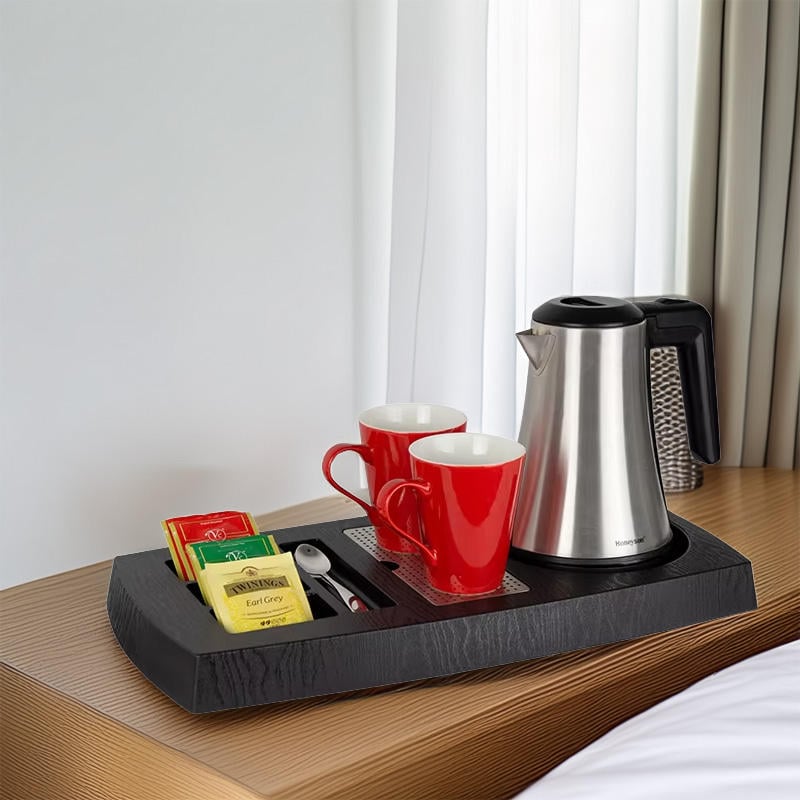
Customizing an electric kettle has become a strategic approach for businesses seeking brand differentiation and operational efficiency. Whether you operate a hotel, corporate facility, or hospitality venture, the ability to tailor an electric kettle to your exact specifications transforms a basic appliance into a branded asset. From adding company logos to developing sample-based designs, electric kettle customization offers flexibility that standard off-the-shelf products simply cannot match.
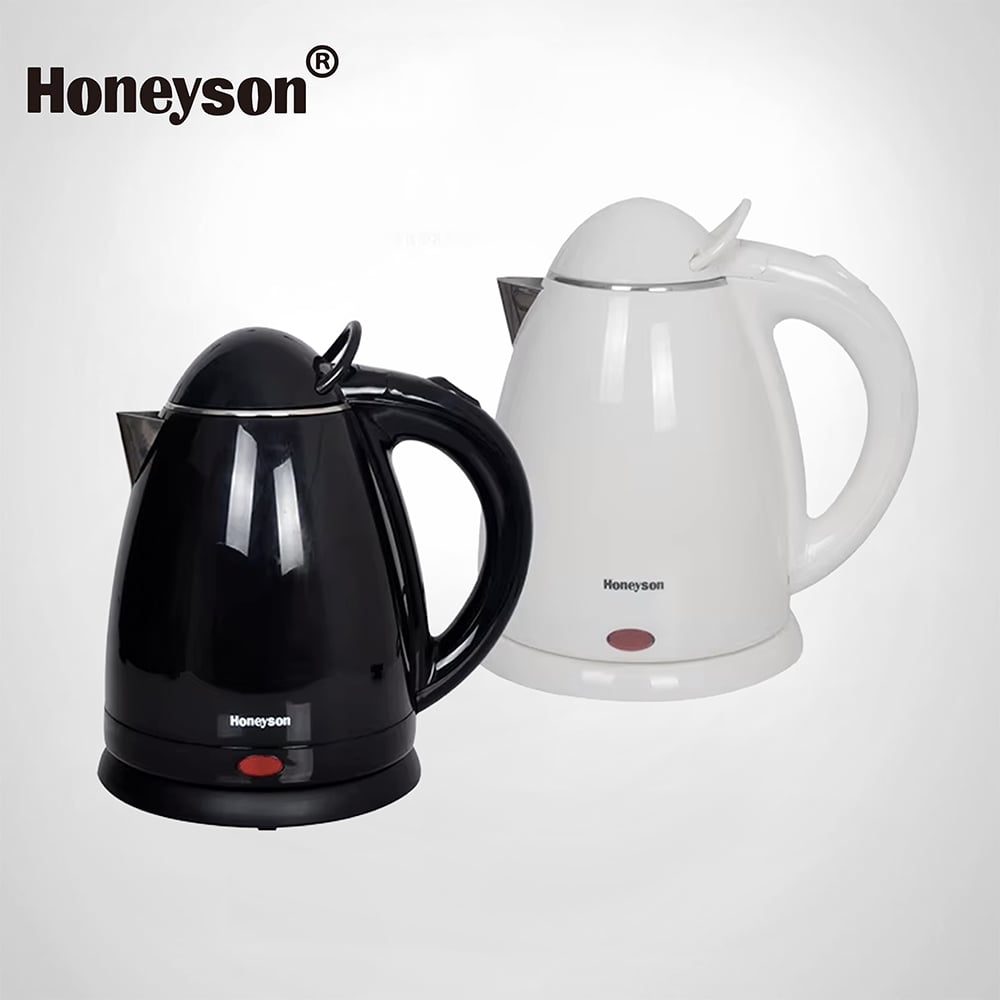
The process of creating a custom electric kettle requires understanding both design capabilities and manufacturing constraints. When you work with OEM electric kettle manufacturers, you gain access to established workflows that streamline everything from concept approval to mass production. A hotel electric kettle, for instance, must balance aesthetic appeal with practical performance standards that justify the investment. Understanding the customization journey helps businesses make informed decisions about product specifications, timeline, and budget allocation.
Understanding Electric Kettle Customization Options
Logo Printing and Branding Solutions
Logo printing on an electric kettle represents one of the most visible customization methods available. Businesses typically choose screen printing, heat transfer, or direct printing techniques depending on the material composition and durability requirements. A hotel electric kettle with a printed logo serves as continuous brand exposure in guest rooms, creating memorable touchpoints that reinforce brand identity. The durability of printed logos matters significantly—high-traffic environments require printing methods that withstand repeated cleaning, thermal stress, and general wear. OEM electric kettle providers evaluate your logo specifications and recommend printing techniques that ensure longevity without compromising product safety or aesthetics.
Material and Surface Customization
Beyond printing, the physical construction of your electric kettle can be customized to reflect brand values and operational needs. An auto shut-off kettle with a custom housing color, textured finish, or unique body shape creates instant brand recognition. OEM electric kettle manufacturers typically offer material options including stainless steel, plastic composite, or hybrid constructions. Each material choice affects durability, heat retention, weight, and maintenance requirements. A hotel electric kettle designed for guest rooms might prioritize a sleek stainless steel construction that conveys premium quality, while a corporate office setting might favor lightweight plastic composites for ease of handling and replacement. Material selection directly influences both production costs and long-term product performance in your specific environment.
Sample-Based Design Development Process
Creating and Testing Your Sample
The sample-based design phase forms the foundation of successful electric kettle customization. You collaborate with manufacturers to develop a prototype that incorporates your specific requirements—whether that involves integrating an auto shut-off kettle feature, selecting a particular heating element capacity, or determining the ideal body dimensions. This sample becomes the reference point for all subsequent production runs. The manufacturer examines every detail: lid design, handle ergonomics, water level visibility, heating performance, and safety mechanisms. A hotel electric kettle sample must withstand rigorous testing protocols to ensure guest safety and operational reliability. The sample approval stage typically involves multiple revisions as you fine-tune specifications, making this phase crucial for achieving your final product vision.
Iterative Refinement and Production Readiness
Once you approve a sample, the manufacturer prepares detailed production specifications and tooling arrangements. An OEM electric kettle producer uses your approved sample to calibrate manufacturing equipment, establish quality benchmarks, and create documentation that ensures consistency across all units. This stage determines whether your custom electric kettle will maintain specifications across production batches. An auto shut-off kettle requires precise calibration of thermal sensors and safety mechanisms—deviations discovered during this phase must be corrected before mass production begins. The sample-based approach minimizes risk by catching design or functionality issues early, when corrections remain cost-effective. Manufacturers typically conduct test runs using actual production tooling to validate that the final product matches your approved sample specifications.
Strategic Considerations for OEM Electric Kettle Orders
Volume, Timeline, and Cost Structure
OEM electric kettle customization involves balancing minimum order quantities, production timelines, and unit costs. Smaller orders incur higher per-unit costs due to setup expenses and reduced manufacturing efficiency. A hotel electric kettle initiative with an annual purchase volume of 500 units typically achieves more favorable pricing than quarterly orders of 100 units. Customization also extends production timelines—custom tooling, design approvals, and sample iterations add weeks or months to the schedule. When establishing an auto shut-off kettle order, clarify lead times during the planning stage to ensure your inventory aligns with demand cycles. Understanding the cost structure helps you evaluate whether customization ROI justifies the investment. Manufacturers provide detailed cost breakdowns that separate tooling fees, sample development expenses, and per-unit production costs, enabling data-driven budget decisions.
Quality Standards and Compliance Requirements
Custom electric kettle production must comply with electrical safety standards, consumer protection regulations, and regional certification requirements. An OEM electric kettle must meet standards such as UL certification, CE marking, or equivalent regional approvals. A hotel electric kettle carries additional liability considerations—guest safety requirements demand rigorous testing of heating elements, water containment, and electrical isolation. An auto shut-off kettle requires certification that the automatic shutdown mechanism functions reliably within specified temperature ranges. Reputable OEM manufacturers maintain certified testing facilities and provide compliance documentation as part of the customization process. Before committing to an order, verify that your chosen manufacturer maintains relevant certifications and can provide third-party test reports validating that your custom electric kettle meets all applicable standards in your target market.
FAQ
What is the typical timeline for customizing an electric kettle?
Custom electric kettle production typically requires 8-16 weeks from order placement to shipment, depending on design complexity, sample approval iterations, and order volume. A hotel electric kettle with straightforward logo printing may complete faster than one requiring custom tooling or material adjustments. OEM electric kettle manufacturers provide detailed timelines during the quotation phase, accounting for design finalization, sample development, tooling creation, and production runs. An auto shut-off kettle with specialized sensor integration may require additional testing time. Communicating your deadline during initial discussions allows manufacturers to allocate resources accordingly and identify potential scheduling constraints before they impact your project.
Can I modify the design after sample approval?
Minor modifications after sample approval are typically possible but may involve additional costs and production delays. An electric kettle design change affecting the heating element, capacity, or structural elements requires re-tooling and new sample testing. A hotel electric kettle modification limited to logo placement or color adjustment usually incurs minimal cost and schedule impact. OEM electric kettle manufacturers maintain flexibility for minor revisions if requested promptly, but major changes effectively require restarting the sample phase. An auto shut-off kettle modification affecting safety mechanisms necessitates re-certification and comprehensive testing. Clarify modification policies with your manufacturer upfront, including cost structures and timeline implications, to avoid surprises during production.
What quality assurance processes ensure my custom electric kettle meets specifications?
Professional OEM electric kettle manufacturers implement multi-stage quality control including incoming material inspection, in-process testing during assembly, and final batch inspection before shipment. An electric kettle undergoes functionality testing to verify heating speed, auto shut-off kettle sensor accuracy, and safety mechanisms perform correctly. A hotel electric kettle typically receives more rigorous inspection given guest safety implications and brand reputation stakes. Manufacturers conduct random unit sampling from production batches, electrical isolation testing, and thermal cycle validation. OEM electric kettle producers maintain documented quality records and provide detailed inspection certificates with each shipment. Requesting specific quality assurance procedures upfront and scheduling inspection visits during production runs ensures your custom electric kettle maintains consistent performance across all units delivered.
