
 EN

Dry boil protection is a critical safety feature that prevents an electric kettle from operating when no water is present inside. This mechanism automatically shuts off the heating element before dangerous overheating occurs, protecting both the appliance and the user. Manufacturers invest significant effort in testing this functionality before any hotel electric kettle or OEM electric kettle reaches the market. Understanding how these tests work reveals why quality control matters and how modern safety standards protect consumers.
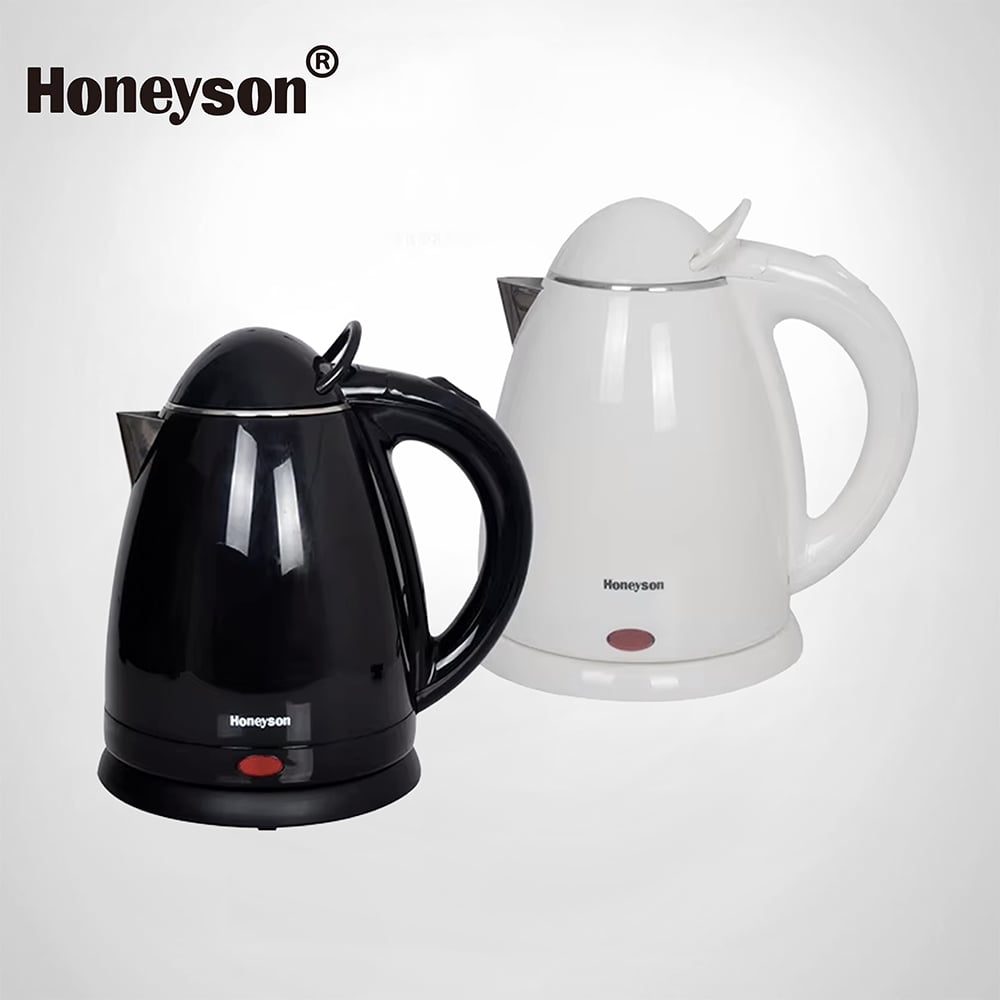
The testing process for dry boil protection in a hotel electric kettle involves multiple stages, each designed to simulate real-world failure scenarios. Engineers must verify that the auto shut-off kettle functions correctly under extreme conditions, including rapid temperature spikes, prolonged heating cycles, and unusual power fluctuations. These rigorous procedures ensure that every unit leaving the factory meets international safety standards and can be trusted in both residential and commercial environments.
Testing Methodology for Dry Boil Protection
Temperature Sensor Validation
Every OEM electric kettle must pass temperature sensor tests that confirm the thermal detection system works precisely. Manufacturers use calibrated thermocouples and infrared sensors to measure the exact temperature inside the kettle chamber during dry conditions. The auto shut-off kettle must trigger its safety mechanism when the internal temperature reaches the predetermined threshold, typically between 150 to 170 degrees Celsius. This validation ensures that the sensor responds consistently across hundreds of heating cycles without degradation or false triggering.
Heating Element Endurance Testing
The heating element in a hotel electric kettle undergoes extensive endurance testing to confirm it can withstand repeated dry boil scenarios without failure. Technicians operate the heating coil in an empty chamber for extended periods, monitoring for any signs of damage, warping, or electrical instability. Each electric kettle prototype must survive multiple dry boil events without producing sparks, cracks, or hazardous electrical discharge. This harsh testing reveals whether the element can reliably generate the heat needed to trigger protection without compromising its structural integrity.
Automated Safety Shutdown Verification
Cut-Off Mechanism Response Time
The auto shut-off kettle must demonstrate that its safety relay responds within milliseconds of detecting dry boil conditions. Testing equipment measures the exact interval between when the temperature sensor signals danger and when power to the heating element completely stops. A hotel electric kettle that shuts off too slowly risks partial overheating and potential damage to internal components. Manufacturers record these response times for every OEM electric kettle batch, ensuring consistency across production runs. Modern testing rigs can replicate this scenario hundreds of times per day, capturing detailed data on each activation.
Electrical Safety Compliance
Every electric kettle must pass electrical safety tests that verify the shut-off mechanism does not create arcing, ground faults, or residual voltage hazards. The auto shut-off kettle is connected to specialized testing equipment that measures current flow, insulation resistance, and leakage before and after a dry boil event. A hotel electric kettle that fails this test could pose electrocution or fire risks to end users. Regulatory bodies such as UL, CE, and ETL require manufacturers to document these electrical results for every OEM electric kettle model before market release.
Real-World Simulation and Durability Assessment
Repeated Cycle Testing
Manufacturers test the electric kettle by running hundreds of simulated use cycles that include normal boiling, reboiling, and deliberate dry conditions. Each auto shut-off kettle must perform identically in cycle one and cycle five hundred, proving that the protection mechanism does not weaken over time. A hotel electric kettle used in high-traffic environments may experience dozens of boil cycles daily, so durability testing confirms the OEM electric kettle maintains safety performance throughout its expected lifespan. Test data is logged automatically, allowing engineers to spot any gradual performance drift before it becomes a safety concern.
Extreme Environmental Conditions
The auto shut-off kettle must function correctly in varied environmental conditions, including high humidity, temperature extremes, and power supply variations. Testing facilities simulate hotel environments where an electric kettle might experience inconsistent electrical quality or exposure to moisture. A hotel electric kettle designed for OEM deployment must prove it handles voltage fluctuations between 90 and 240 volts without compromising dry boil protection. These environmental stress tests ensure that an electric kettle performs reliably regardless of regional power infrastructure quality or seasonal climate variations.
FAQ
What exactly is dry boil protection in an electric kettle?
Dry boil protection is an automatic safety system that detects when a hotel electric kettle contains no water and shuts off the heating element before dangerous temperatures develop. This auto shut-off kettle feature uses temperature sensors or thermal fuses to prevent the element from overheating and potentially causing fires or damaging the device. Every modern OEM electric kettle includes this mechanism as a fundamental safety requirement.
How long does testing typically take for an electric kettle?
A complete safety test suite for an electric kettle can take several weeks, depending on the complexity of the auto shut-off kettle design and the required certifications. Manufacturers conduct continuous cycle testing that may run for hundreds of hours to confirm the hotel electric kettle maintains protection performance. Each OEM electric kettle model must pass individual testing protocols before receiving approval for production.
Are all dry boil protection tests standardized across manufacturers?
While the fundamental testing principles are consistent, specific test procedures may vary between countries and certifying bodies. An electric kettle sold in Europe must meet CE standards, while a hotel electric kettle in North America requires UL certification, and an OEM electric kettle in Asia might follow additional regional guidelines. However, all these standards mandate that the auto shut-off kettle must reliably prevent dry boil conditions through validated testing protocols.
