
 EN
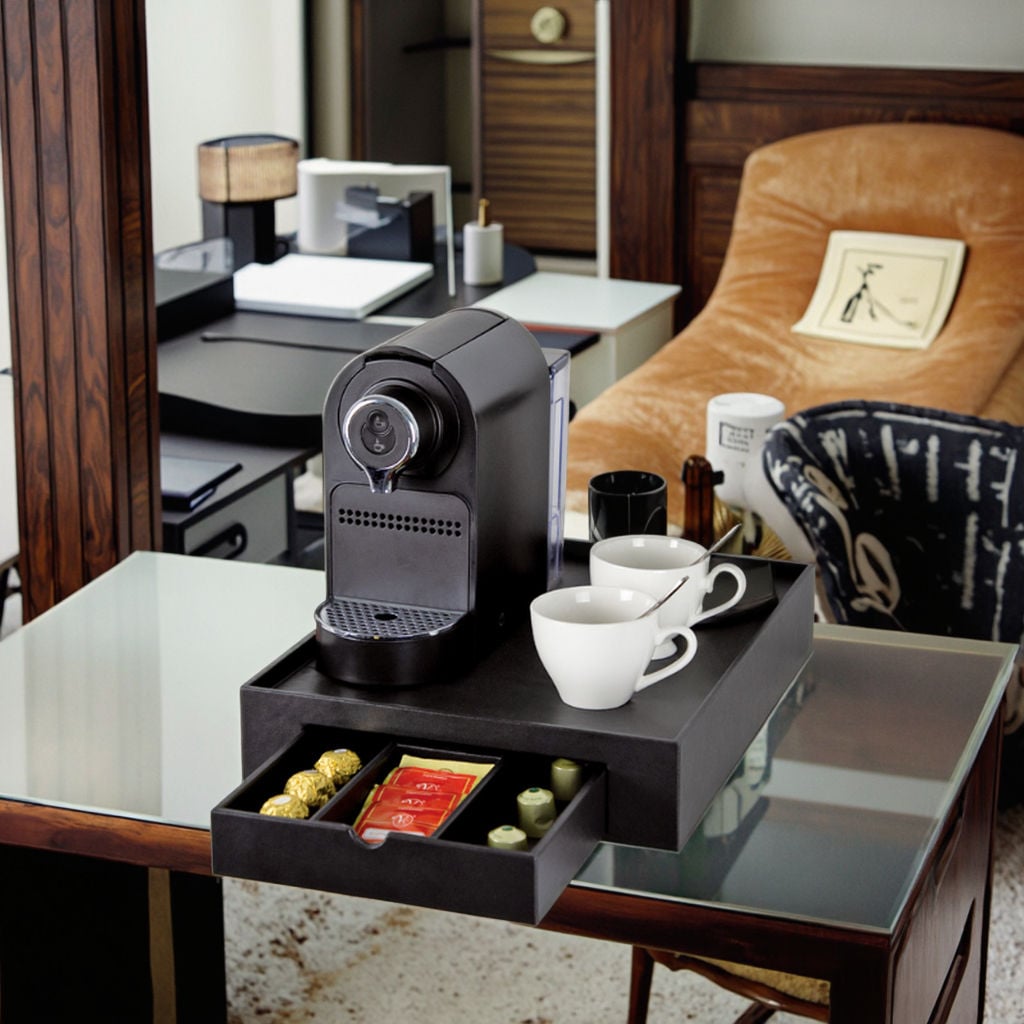
Pre-shipment inspection is a critical quality control process that ensures every coffee machine leaving your facility meets agreed specifications and arrives in perfect working condition. When ordering bulk quantities of commercial coffee equipment, whether hotel coffee maker units or OEM coffee machine systems, a thorough pre-shipment inspection protects your investment and prevents costly disputes with suppliers. This comprehensive review examines the exact components, functionality, and packaging standards that should be verified before a coffee machine order ships.
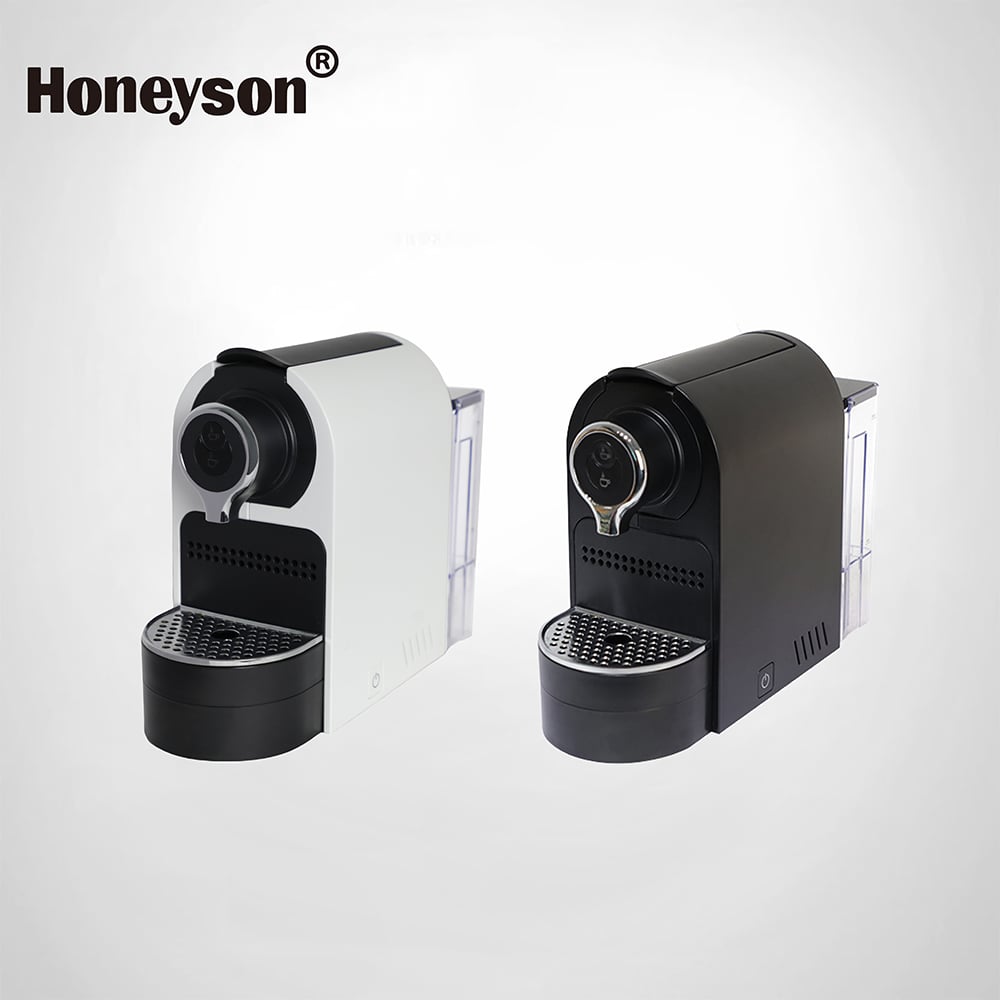
For any commercial operation, the quality of your coffee machine directly impacts customer satisfaction and operational efficiency. Pre-shipment inspection eliminates surprises by verifying that your hotel coffee maker or drip coffee maker meets performance standards, safety regulations, and aesthetic requirements before units arrive at your location. Understanding what to inspect during this process gives you confidence that your order is complete, functional, and ready for deployment.
Physical Inspection and Cosmetic Assessment
Exterior Condition and Surface Quality
The first stage of pre-shipment inspection focuses on the visible condition of each coffee machine unit. Inspect the exterior casing, control panels, and handle assemblies for scratches, dents, discoloration, or manufacturing defects that may have occurred during production or initial handling. For a hotel coffee maker destined for a hospitality environment, even minor cosmetic flaws can undermine the professional appearance expected in guest-facing areas. Check that all decals, logos, and branding elements are properly applied, aligned, and secure, as these reflect brand quality and professionalism.
Component Attachment and Structural Integrity
Verify that all removable components are securely attached and functioning properly on your coffee machine. This includes the water reservoir, drip tray, portafilter, shower screen, and any accessories included with an OEM coffee machine order. Test that doors and panels open and close smoothly without resistance or binding. For a drip coffee maker, ensure the carafe fits properly, the heating plate sits level, and the brew basket is correctly positioned. Loose or misaligned components during pre-shipment inspection indicate potential assembly issues that should be corrected before shipment.
Functional Testing and Performance Verification
Water System and Heating Element Operation
Functional testing is essential before your coffee machine order ships to verify that all critical systems operate as specified. Fill the water reservoir to capacity and run a complete brew cycle to confirm proper water flow, heating performance, and temperature consistency. For a hotel coffee maker or OEM coffee machine, test the thermostat to ensure it reaches the correct brewing temperature and maintains heat stability throughout the cycle. Inspect for any water leaks from hoses, connectors, or the reservoir itself, as these defects can damage equipment or create safety hazards. A drip coffee maker should produce consistent water temperature and brewing duration that matches manufacturer specifications.
Electrical Systems and Safety Standards
All electrical components must meet safety standards and function without fault during pre-shipment inspection. Verify that the power cord is properly insulated, grounded, and undamaged, and that the plug matches the voltage specification for the destination market. Test that the coffee machine responds correctly to on-off switches, indicator lights illuminate as designed, and the heating element powers up without sparks, unusual sounds, or burning smells. For commercial operations, confirm that thermal protection, water level sensors, and automatic shut-off mechanisms all work as intended. These safety features are non-negotiable for any hotel coffee maker or drip coffee maker entering a commercial kitchen environment.
Packaging, Documentation, and Compliance Verification
Protective Packaging and Damage Prevention
Proper packaging is as important as the coffee machine itself during pre-shipment inspection because damage during transit negates all previous quality checks. Verify that each unit is wrapped in protective foam or bubble wrap, positioned securely in its shipping box with minimal movement, and that the box itself shows no pre-existing damage or weakness. For large orders of hotel coffee maker units or OEM coffee machine systems, check that fragile components like glass carafes or delicate internal parts are individually wrapped and protected. Examine that all warning labels, handling instructions, and shipping direction labels are clearly visible and properly affixed. A drip coffee maker should have its carafe separately packaged to prevent breakage during transport.
Documentation and Compliance Confirmation
Complete documentation is required for each coffee machine order during pre-shipment inspection to ensure regulatory compliance and support customer claims. Verify that user manuals, warranty cards, and technical specification sheets are included in every box and match the model and voltage specifications of the unit. Confirm that certificates of compliance, electrical safety approvals, and any required export documentation are attached or included. For OEM coffee machine orders, ensure that customization requests, branding specifications, and special configurations were correctly implemented. Cross-reference the packing list against the original purchase order to confirm that quantities, models, colors, and accessories match exactly. This verification prevents shipping errors and reduces the need for costly returns or replacements.
FAQ
What are the most common defects found during coffee machine pre-shipment inspection?
The most frequently identified defects include water leaks from hoses or connections, heating element failure or inconsistent temperature, loose or misaligned components like portafilters or brew baskets, damaged exterior casing or control panels, and incomplete accessory sets. For a hotel coffee maker or drip coffee maker, damaged carafes or incorrectly calibrated thermostats are also commonly detected. Additionally, missing documentation, incorrect voltage configuration for the destination market, and improperly applied branding on OEM coffee machine units frequently appear during inspection.
How long should a complete pre-shipment inspection take for each coffee machine?
A thorough pre-shipment inspection typically requires 15 to 25 minutes per unit, depending on the complexity of the coffee machine model and the depth of testing required. A basic drip coffee maker may take 15 minutes, while a commercial hotel coffee maker or specialized OEM coffee machine system might require 25 to 30 minutes. This timing includes visual assessment, functional testing, packaging verification, and documentation review. Time investment during pre-shipment inspection is minimal compared to the cost of processing returns, managing customer complaints, or addressing safety issues after delivery.
Should pre-shipment inspection be performed by the manufacturer or by an independent third party?
Pre-shipment inspection can be effectively performed by trained manufacturer quality control staff or by an independent third-party inspection company. Manufacturer inspections offer convenience and faster processing, while third-party inspectors provide objectivity and may uncover issues that internal staff might overlook. For large coffee machine orders, high-value shipments, or when quality concerns exist, many buyers prefer independent verification to ensure impartial assessment. Regardless of who conducts the inspection, the critical factor is that the coffee machine meets agreed specifications, functions properly, and ships in perfect condition.
