
 EN

Selecting the right coffee machine for hospitality environments or commercial settings requires careful specification alignment. Disputes over capacity, brew quality, design compatibility, and operational efficiency frequently emerge when procurement teams rely solely on technical documentation without physical evaluation. Sample approval eliminates these preventable conflicts by allowing stakeholders to assess actual performance, verify specifications against real-world expectations, and confirm that selected equipment meets facility requirements before committing to full deployment.
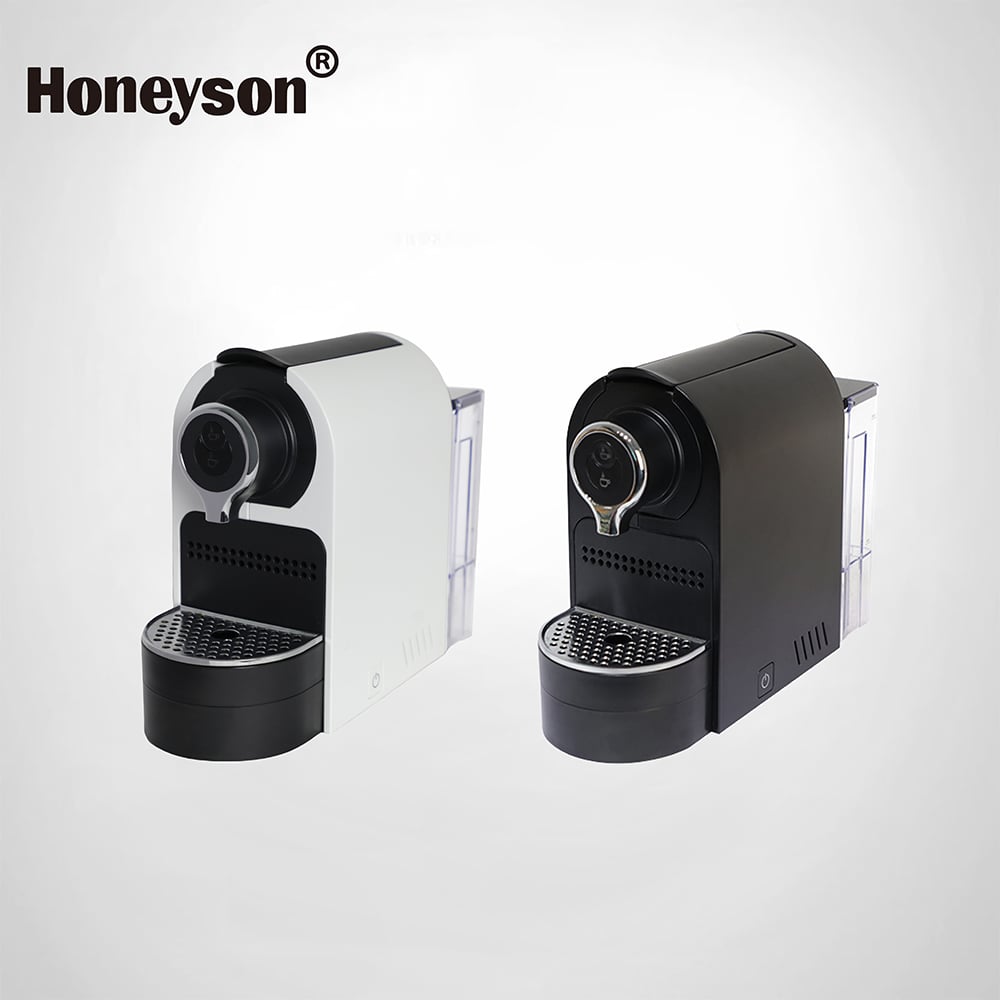
In hotel environments, restaurant chains, and corporate facilities, the choice of a hotel coffee maker represents both an operational decision and a guest experience investment. When procurement specifications lack tangible validation, disagreements arise between purchasing departments, operations teams, and vendors regarding whether equipment delivers promised functionality. Sample approval processes bridge this gap by providing measurable data, reducing specification ambiguity, and ensuring that all parties enter full-scale purchase agreements with shared understanding and confidence in performance outcomes.
How Sample Approval Prevents Specification Misalignment
Early Detection of Functionality Gaps
Technical specifications alone cannot capture every operational nuance of a commercial coffee machine. When a facility receives an OEM coffee machine without prior sample testing, hidden issues emerge only after deployment begins. Sample approval allows operations staff to test brew consistency, verify water temperature stability, assess cleaning accessibility, and confirm that the unit integrates properly with existing infrastructure. This hands-on evaluation surfaces specification gaps before purchase orders are finalized, preventing costly equipment replacement or modification projects that disrupt service and drain budgets.
Different facility types impose unique demands on coffee equipment. A drip coffee maker suitable for a small office may lack the throughput or durability required by a high-volume hotel breakfast service. Sample approval ensures that vendors and procurement teams mutually verify that chosen specifications match actual facility workflows, peak demand periods, and long-term reliability expectations. When stakeholders physically observe a unit operating under realistic conditions, disputes about capability, output volume, and maintenance requirements dissolve into objective consensus.
Standardizing Performance Metrics Across Teams
Hotel coffee maker standards often conflict when purchasing, operations, and guest services teams apply different evaluation criteria. Sample approval establishes shared performance baselines that all stakeholders can jointly assess and document. Recording brew time, water temperature consistency, cup count per cycle, and cleaning time creates a common reference framework that eliminates subjective disagreement. When an OEM coffee machine is tested under these standardized conditions, operations teams gain confidence in specifications, procurement teams validate vendor claims, and future purchasing decisions benefit from documented performance data.
This standardized approach also protects vendor relationships. Instead of disputes arising after delivery, sample approval provides transparent, mutually-observed validation that builds trust and clarifies expectations. Both buyer and supplier enter production agreements with aligned understanding of what success looks like, reducing post-delivery conflict and warranty claims rooted in specification misinterpretation.
Operational and Financial Benefits of Sample Approval
Reducing Hidden Deployment Costs
Equipment purchased without sample validation frequently requires unexpected modifications, training extensions, or facility adaptations that inflate total cost of ownership. A drip coffee maker may require plumbing adjustments, electrical upgrades, or counter space modifications discovered only after arrival. Sample approval testing reveals these infrastructure demands in advance, allowing facilities to budget accurately and schedule necessary modifications before full-scale deployment. This foresight prevents operational disruption, staffing overtime, and emergency procurement expediting that typically emerge when equipment arrives unprepared facilities.
Beyond hardware compatibility, sample approval identifies training and procedural adjustments needed for staff adoption. Operators can develop standardized brewing protocols, cleaning schedules, and troubleshooting procedures using the sample unit. When production units arrive, your team already understands optimal settings, common issues, and maintenance routines. This accelerated onboarding reduces service quality inconsistency and guest complaints that would otherwise delay competitive advantage realization from new coffee machine investments.
Protecting Quality and Brand Consistency
Hospitality guests notice inconsistency in coffee quality immediately. An OEM coffee machine that fails to maintain temperature or produces uneven extraction damages brand perception and guest satisfaction across multiple locations. Sample approval ensures brew quality uniformity before distribution to dozens or hundreds of facilities. Testing validates that each hotel coffee maker delivers the consistent customer experience your brand promises, preventing reputation damage from specification misalignment between marketing commitments and actual operational performance.
Multi-unit facilities particularly benefit from this validation. When procurement teams approve coffee machine specifications after real-world testing, regional operations managers inherit equipment they can confidently deploy without local quality variation concerns. Guest experience consistency across locations strengthens brand loyalty and enables confident marketing claims about service standards that actually translate to customer experience.
Best Practices for Implementing Sample Approval Processes
Structuring Effective Evaluation Workflows
Successful sample approval programs establish clear evaluation criteria before testing begins. Stakeholder teams should define required specifications for a drip coffee maker or hotel coffee maker, including throughput requirements, brew quality standards, dimensional constraints, and integration needs. These criteria become the testing checklist that operations teams, maintenance staff, and procurement professionals jointly assess during sample evaluation. Documentation of results creates the objective record that resolves specification disputes before they escalate to purchasing disagreements.
Testing duration should reflect realistic operational demands. A one-day sample evaluation may miss temperature drift, cleaning time requirements, or wear patterns that emerge after sustained use. Extended evaluation periods, typically five to ten business days, reveal genuine operational compatibility that brief testing cannot capture. This duration allows staff to cycle equipment through normal demand patterns, identify maintenance requirements, and confirm that specifications hold under realistic conditions rather than controlled demonstration settings.
Documenting Findings and Building Institutional Knowledge
Sample approval value extends beyond immediate purchasing decisions. Creating standardized evaluation reports builds institutional knowledge that informs future coffee machine selections. Documented performance data, observed issues, maintenance requirements, and staff feedback become reference materials for subsequent procurement cycles. When facilities evaluate a new OEM coffee machine, they can reference historical findings about similar models, avoiding repeated disputes over specifications already tested and validated in previous approvals.
This documentation also strengthens vendor accountability. When sample approval records clearly show that equipment met or failed to meet stated specifications, vendors understand performance expectations and prioritize quality assurance to maintain purchasing relationships. Multi-unit operations gain leverage to negotiate favorable terms with OEM coffee machine suppliers who know their samples will undergo rigorous, documented evaluation before larger purchase commitments are authorized.
FAQ
Can sample approval prevent all specification disputes regarding coffee machine procurement?
Sample approval significantly reduces disputes by introducing objective, hands-on validation before purchasing decisions finalize. However, disputes may still emerge if stakeholder expectations diverge about acceptable performance thresholds or if facility conditions change after sample testing. Clear upfront communication about specification requirements and documented evaluation criteria minimize these residual conflicts. Sample approval works best when all decision-makers understand that physical testing findings override theoretical specifications.
What timeframe should facilities allocate for hotel coffee maker sample evaluation before authorizing full-scale purchase orders?
Most facilities benefit from five to ten business days of sample evaluation, allowing operations teams to observe equipment through realistic demand cycles. This duration reveals genuine performance patterns, maintenance needs, and integration challenges that brief demonstrations miss. Longer evaluation periods increase confidence in specifications but may delay purchasing decisions. Balancing evaluation duration against procurement timelines requires coordination between operations and purchasing teams to establish facility-specific testing protocols that match your operational rhythm.
How does sample approval reduce total cost of ownership beyond the initial drip coffee maker purchase?
Sample approval testing identifies infrastructure modifications, training requirements, and maintenance procedures needed before full deployment. This foresight eliminates unexpected adaptation costs, emergency facility modifications, and extended training timelines that typically inflate total cost after equipment arrives. Additionally, early performance validation prevents specification disputes that escalate into warranty claims, vendor disagreements, or emergency replacement purchases. By confirming specifications before commitment, facilities achieve predictable, optimized total cost impact aligned with business budgets.
Table of Contents
- How Sample Approval Prevents Specification Misalignment
- Operational and Financial Benefits of Sample Approval
- Best Practices for Implementing Sample Approval Processes
-
FAQ
- Can sample approval prevent all specification disputes regarding coffee machine procurement?
- What timeframe should facilities allocate for hotel coffee maker sample evaluation before authorizing full-scale purchase orders?
- How does sample approval reduce total cost of ownership beyond the initial drip coffee maker purchase?
