
 EN
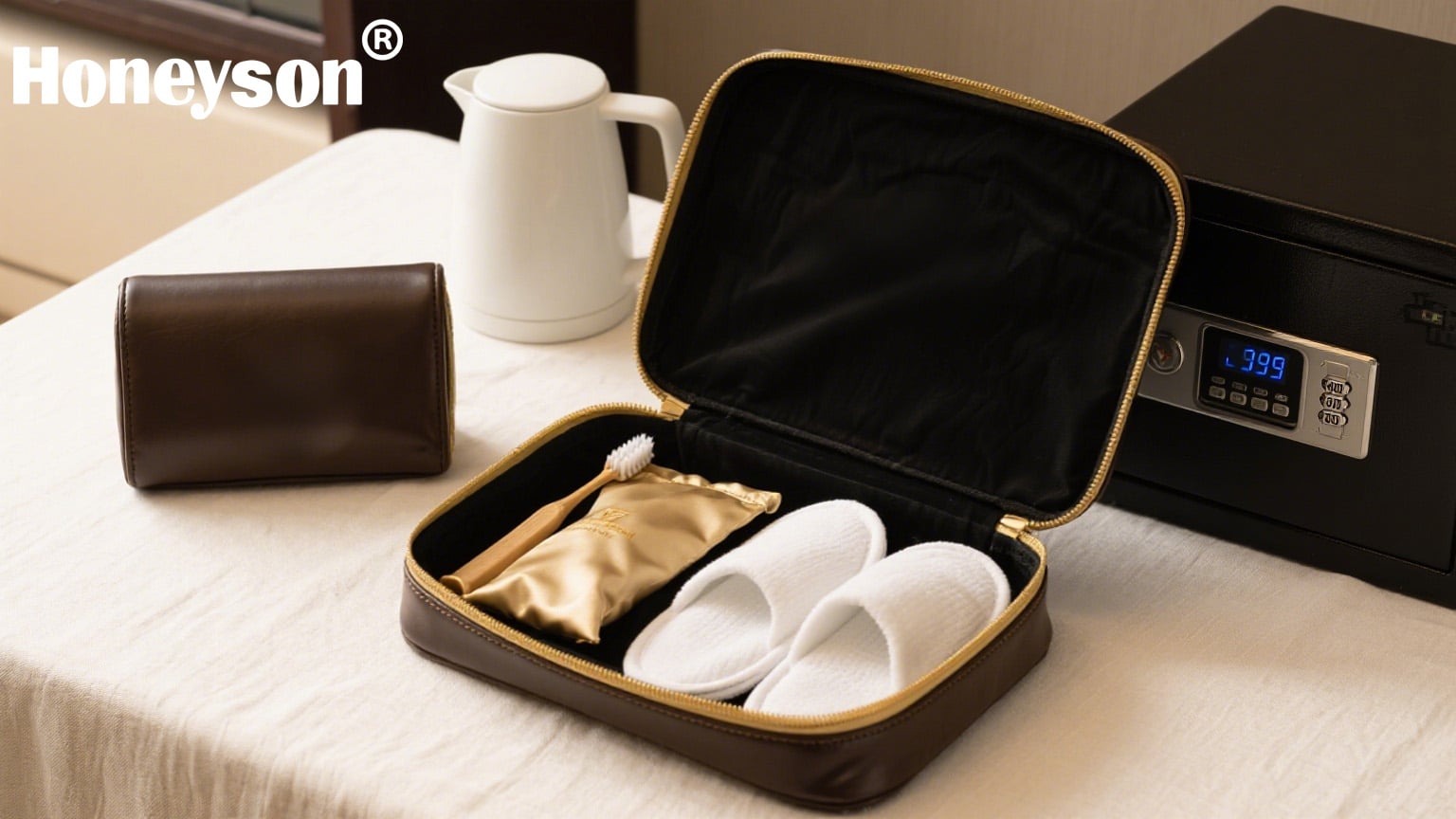
Hotel supplies represent a significant operational investment, yet many properties discover too late that certain items fail far more frequently than expected. From kettles to bathroom fixtures, the durability and performance of guest room equipment directly impact both guest satisfaction and maintenance budgets. Understanding which hotel supplies tend to fail most often is the first step toward making smarter purchasing decisions that reduce replacements and downtime.
The root cause of premature failure in guest room equipment often lies not in bad luck, but in inadequate specifications at the purchasing stage. Hotels that invest time in understanding material quality, thermal performance, and electrical standards for OEM hotel supplies experience dramatically fewer failure incidents. This article reveals the most problematic hotel room appliances and explains how specification improvements prevent costly failures.
Common Hotel Supplies Failures and Their Root Causes
Electrical Kettles and Heating Elements
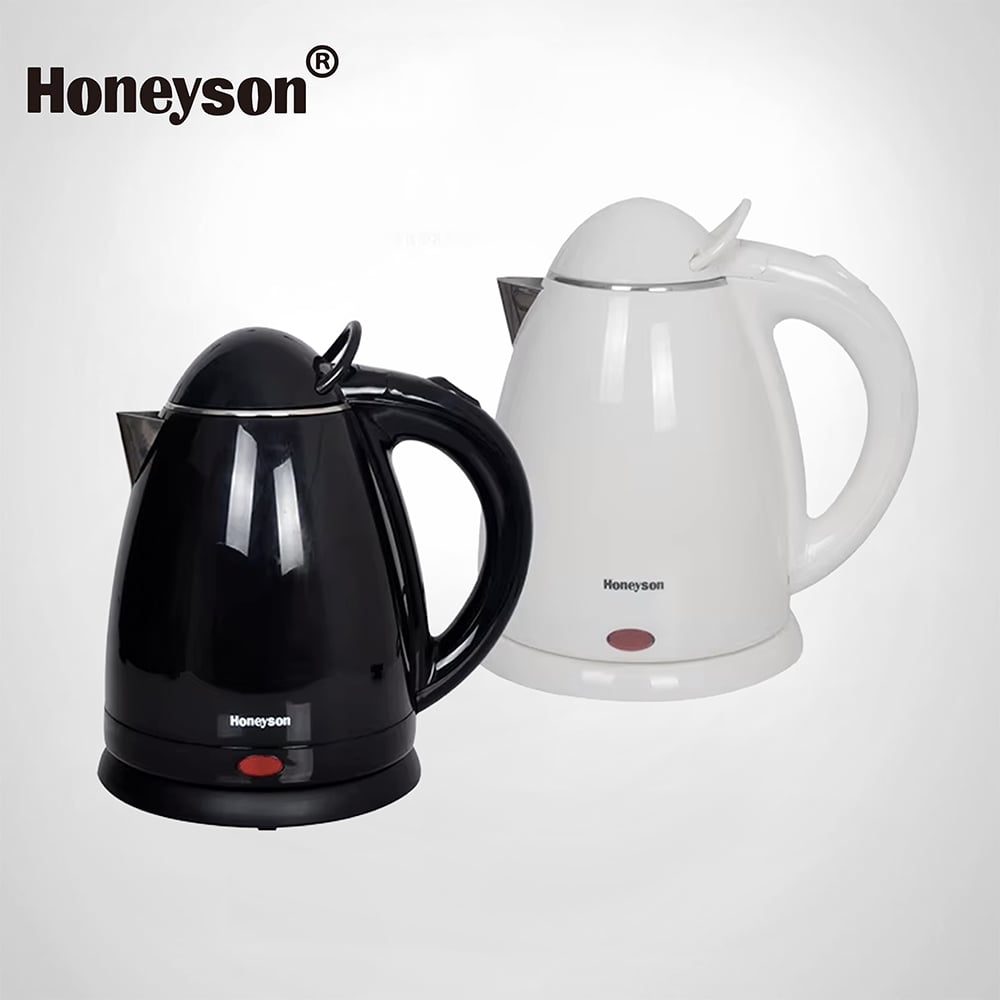
Electric kettles rank among the most frequently replaced hotel supplies, particularly in busy properties with high guest turnover. The failure typically occurs in the heating element, which corrodes from repeated water exposure, mineral buildup, or manufacturing defects in lower-grade units. When kettle elements fail, they create safety hazards and eliminate an expected guest amenity. Hotels using substandard OEM hotel supplies face replacement cycles of 18 to 24 months, whereas those selecting kettles with stainless steel internals and proper insulation achieve 4 to 5 years of service.
Bathroom Fixtures and Faucets
Guest room equipment like bathroom faucets suffer from frequent leaks and cartridge failures due to inadequate water pressure regulation and poor sealing materials. Hard water deposits accelerate corrosion in budget-grade brass components, leading to drips, stains, and guest complaints. Properties that specify marine-grade stainless steel bodies and precision-engineered cartridges experience far fewer service calls. The difference in upfront cost for high-specification faucets is typically recouped within two years through reduced maintenance labor and replacement parts.
How Specification Standards Prevent Equipment Failure
Material and Durability Requirements
Better hotel supplies begin with explicit material specifications that resist corrosion and thermal stress. When procurement teams define requirements for stainless steel grades, internal component durability, and coating standards, vendors are forced to compete on quality rather than price alone. OEM hotel supplies that meet ISO 9001 certification or equivalent standards undergo rigorous testing that identifies weaknesses before mass production. Hotels that include clause demanding impact resistance testing, thermal cycling validation, and electrical safety compliance reduce field failures by 60 to 70 percent compared to those purchasing without specifications.
Temperature and Performance Ratings
Electrical appliances in guest rooms must handle continuous duty cycles that far exceed home use patterns. A hotel kettle operates hundreds of times per week, compared to a residential kettle used a few times daily. Specification improvements require vendors to certify that guest room equipment can sustain this duty without performance degradation. Hotels that mandate thermal efficiency testing, temperature consistency validation, and insulation quality for hotel supplies ensure kettles heat water reliably and safely throughout their service life. These performance-focused specifications eliminate appliances designed only for occasional use.
Strategic Procurement Practices for Durable Hotel Supplies
Vendor Selection and Quality Audits
Properties that experience fewer failures typically audit vendor manufacturing practices and demand transparency about OEM hotel supplies sourcing. Specification sheets alone are insufficient; hotels must request compliance documentation, third-party test reports, and field performance data from other properties. By vetting vendors and confirming they use consistent materials and assembly processes, hotel procurement teams ensure that batch-to-batch quality remains stable. Guest room equipment sourced from established manufacturers with transparent supply chains performs far more reliably than unknown vendors offering suspiciously low pricing.
Maintenance Specifications and User Documentation
Even the best hotel supplies require proper care to achieve their designed lifespan. Specifications should include detailed maintenance protocols that housekeeping and maintenance staff can easily follow. Kettles benefit from descaling schedules, faucets need aerator cleaning, and electrical appliances require regular safety inspections. When hotels pair high-quality guest room equipment with clear maintenance specifications, failure rates drop significantly. Poor specifications often leave maintenance teams guessing about proper care, which accelerates wear and shortens the practical life of hotel supplies.
FAQ
What is the average lifespan of properly specified hotel supplies?
High-quality hotel supplies with rigorous specifications typically last four to six years in commercial hotel environments, depending on occupancy rates and maintenance adherence. Standard or budget-grade guest room equipment often fails after 18 to 30 months due to inadequate material standards and thermal tolerance. OEM hotel supplies backed by comprehensive warranties and third-party test validation consistently outperform cheaper alternatives by a factor of three or more.
How do better specifications reduce maintenance costs?
Better specifications prevent failures by ensuring guest room equipment meets commercial-duty standards from the outset. When hotels specify corrosion-resistant materials, sealed electrical connections, and validated thermal performance for hotel supplies, emergency repairs and guest complaints decline dramatically. The labor saved on troubleshooting and replacement far exceeds the modest price premium of high-specification OEM hotel supplies, typically delivering payback within 24 months.
Which hotel supplies should be prioritized for specification upgrades?
Electrical kettles, bathroom faucets, door locks, and HVAC control panels represent the highest-impact areas for specification improvements. These guest room equipment items fail most frequently and directly affect guest experience when broken. Hotels that begin by upgrading specifications for kettle elements, faucet internals, and electrical connectors typically see the greatest reduction in maintenance tickets and replacement frequency across their entire hotel supplies inventory.
