
 EN
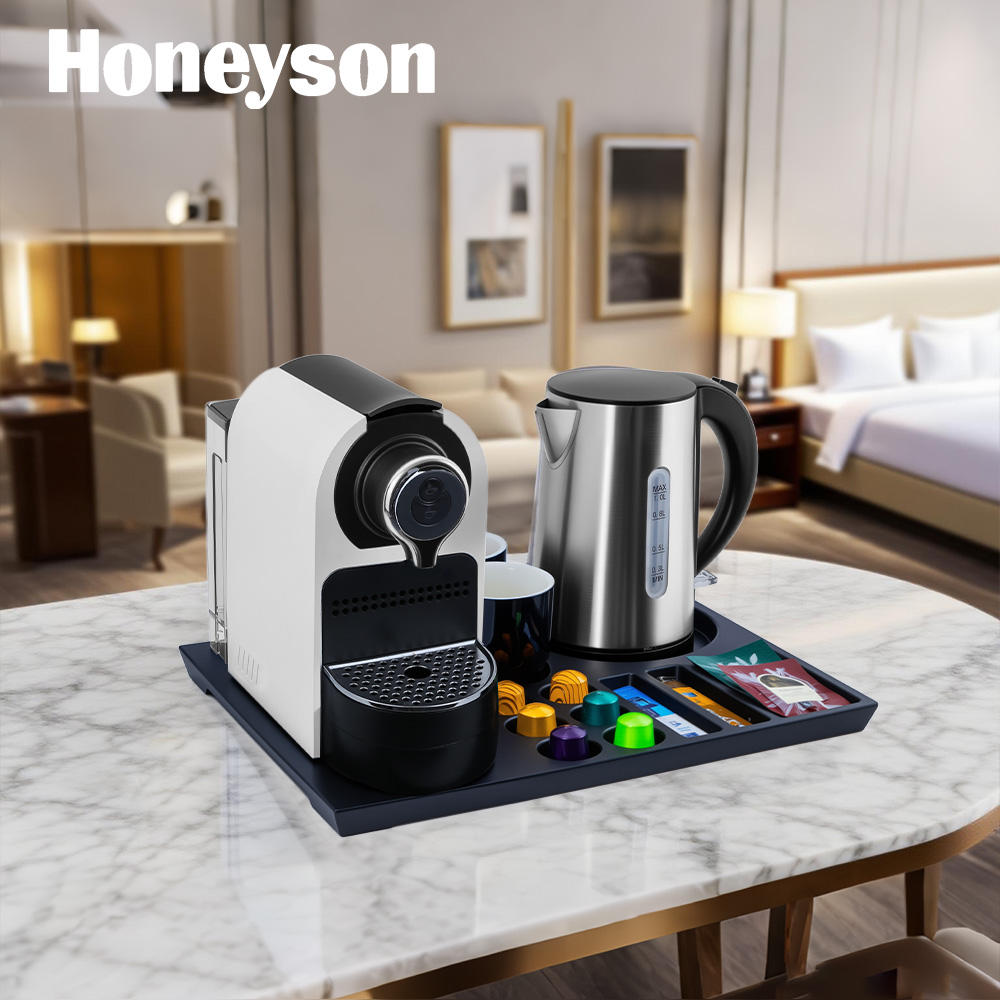
Hotel operations depend on reliable equipment that minimizes downtime and maintenance expenses. A coffee machine designed with advanced descaling features directly addresses one of the most costly maintenance challenges in hospitality environments. Descaling buildup reduces brewing efficiency, shortens equipment lifespan, and increases labor costs when maintenance teams must intervene manually. Hotels that invest in coffee machines with integrated descaling capabilities experience measurable reductions in total cost of ownership.
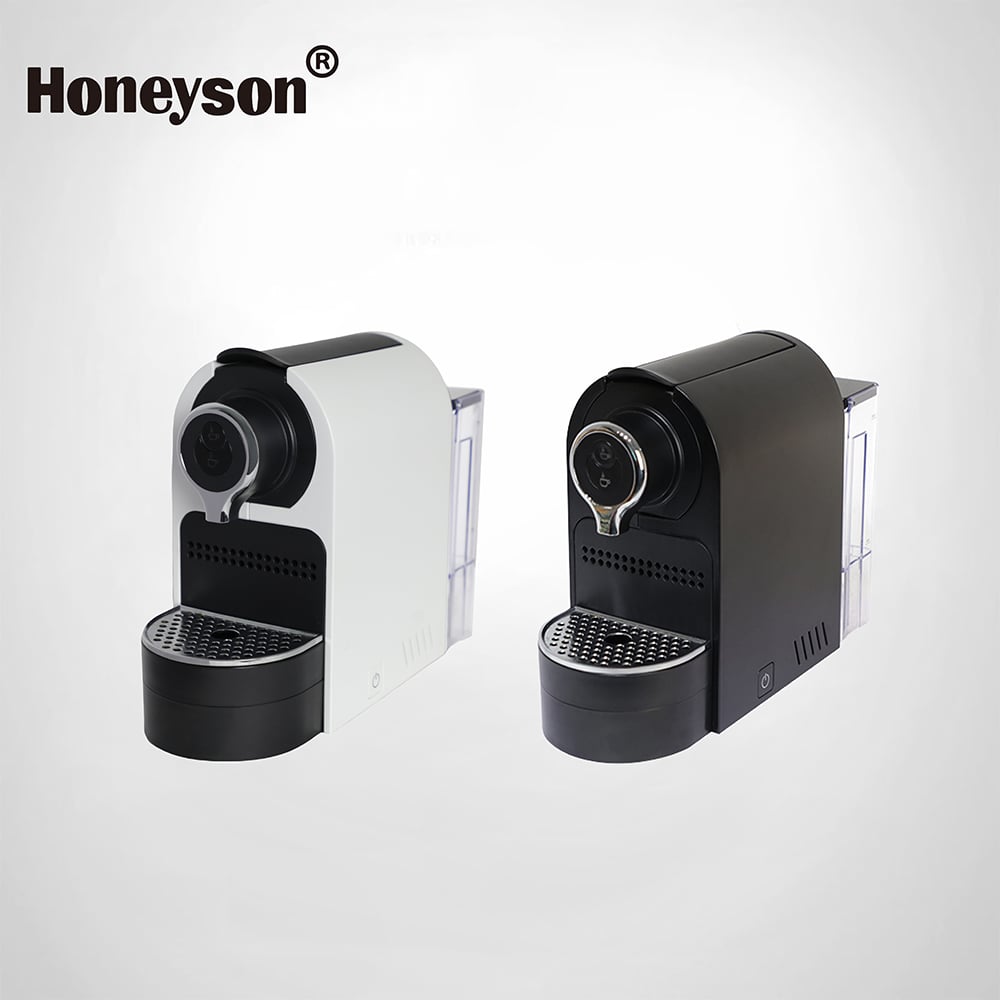
The hotel coffee maker market has evolved significantly as property managers recognize that equipment selection directly impacts operational efficiency and guest satisfaction. Modern OEM coffee machine designs now incorporate automated descaling cycles, self-monitoring sensors, and optimized water flow patterns that prevent mineral accumulation more effectively than older models. Understanding how these descaling features function helps hotel decision-makers evaluate equipment investments and project realistic maintenance budgets over a five to ten-year horizon.
Descaling Features That Drive Cost Savings
Automated Descaling Cycles and Maintenance Reduction
Automated descaling represents the most significant cost reduction factor in modern hotel coffee makers. OEM coffee machine manufacturers have engineered systems that trigger descaling cycles based on water hardness sensors and brewing volume counters rather than relying on manual staff intervention. When a drip coffee maker includes this functionality, the machine notifies operators through digital displays or alerts, eliminating guesswork about when maintenance is actually needed. Hotels that previously scheduled descaling based on calendar dates or reactive breakdowns now benefit from predictive maintenance that aligns with actual equipment condition.
The labor savings from automation are substantial. A hotel coffee maker requiring manual descaling might demand two to three hours of staff time per week, translating to significant payroll expenses annually. OEM coffee machine designs with self-activating cycles reduce this to minimal oversight—staff only needs to load descaling solution when the system requests it. For properties managing multiple coffee stations across lobbies, meeting rooms, and guest floors, the cumulative time savings justify higher initial equipment investment within two to three years of operation.
Smart Water Filtration and Mineral Management
Advanced coffee machine descaling features now extend beyond cleaning cycles to include integrated water filtration systems that prevent mineral buildup from occurring in the first place. OEM coffee machine designs incorporate multi-stage filters that remove calcium, magnesium, and other hardness minerals before water enters brewing chambers. A drip coffee maker equipped with these filters experiences slower scale formation, meaning descaling intervals stretch from weekly to monthly schedules in high-hardness water regions. This prevention-focused approach reduces chemical consumption and extends the operational life of internal components like heating elements and pump seals.
Hotels in areas with hard water—particularly common in limestone regions—see the most dramatic cost reductions from this feature. A hotel coffee maker operating in hard water conditions might accumulate scale that damages internal pathways within weeks without filtration. With integrated mineral management, the same equipment maintains consistent brew quality and pressure stability for months between descaling interventions. This translates to fewer emergency service calls, reduced parts replacement, and extended intervals between full equipment overhauls.
Operational Efficiency and Revenue Protection
Downtime Prevention and Guest Experience
Scale accumulation in a hotel coffee maker creates brewing inconsistencies that frustrate guests and damage property reputation. When mineral deposits clog spray heads or heat exchangers, the coffee machine produces weak coffee, inconsistent temperatures, or complete failures during peak breakfast service. OEM coffee machine models with proactive descaling features prevent these scenarios by maintaining optimal internal pathways continuously. A drip coffee maker that never breaks down unexpectedly eliminates the need for emergency maintenance calls, room service disruptions, and guest complaints that could trigger negative online reviews.
The revenue protection aspect extends beyond avoiding complaints. Hotels that offer consistently excellent coffee service through properly maintained equipment build guest loyalty and justify premium room rates. Properties advertising in-room coffee machines as amenities must ensure those machines function flawlessly throughout each guest stay. Coffee machine maintenance that happens invisibly—through automated descaling—meets this expectation without requiring visible interventions or service disruptions that remind guests of equipment age or reliability concerns.
Energy Efficiency Through Optimal Performance
Scale buildup forces a coffee machine to work harder to achieve target temperatures and brewing pressures, increasing energy consumption significantly. An OEM coffee machine operating with accumulated scale must cycle heating elements more frequently to compensate for reduced heat transfer through mineral-coated surfaces. A drip coffee maker without this burden consumes 12 to 18 percent less electricity over its operational lifespan. For hotels operating coffee machines continuously across multiple locations, this energy reduction accumulates to measurable utility savings that compound annually.
Descaling features that maintain pristine internal surfaces preserve the equipment's original energy efficiency rating throughout its useful life. Hotels that track utility costs by department recognize these energy savings within the first year of operation, further validating investment in advanced coffee machine technology. When energy consumption remains consistent rather than creeping upward due to scale accumulation, budgeting becomes more predictable and operational margins improve incrementally across all coffee service locations.
Selection Criteria for High-Performance Hotel Equipment
Key Specifications and Verification Standards
When evaluating a hotel coffee maker for descaling capability, several specifications deserve careful attention. OEM coffee machine manufacturers should provide documentation confirming water hardness sensor accuracy, descaling cycle duration, and the volume of solution required per cycle. A quality coffee machine displays this information transparently, while lower-tier equipment often lacks these performance metrics entirely. Hotels must request descaling cycle time from equipment vendors—cycles completed within 45 minutes minimize service disruptions during low-traffic periods, while longer cycles require scheduling around guest occupancy patterns.
The drip coffee maker or capsule system selected should include user-friendly interfaces that allow staff training in under 10 minutes. Descaling features fail to deliver cost savings if operating procedures confuse staff or create workarounds that bypass automated systems. Vendors should offer on-site training demonstrating proper descaling solution loading, alert response procedures, and basic troubleshooting. Hotels that invest time upfront in staff competency eliminate hidden costs associated with misused equipment or premature failures from improper maintenance execution.
Total Cost of Ownership Calculations
Hotels must evaluate coffee machine investments using five to ten-year total cost of ownership models rather than initial purchase price alone. OEM coffee machine options with robust descaling features typically cost 20 to 35 percent more upfront but deliver proportionally larger savings through reduced labor, extended equipment life, and improved energy efficiency. A detailed TCO analysis should include equipment cost, maintenance labor, descaling solution expense, parts replacement, energy consumption, and potential guest satisfaction impacts. Properties comparing a standard drip coffee maker against an advanced model with full descaling automation frequently discover that higher-specification equipment becomes cost-neutral within 24 to 36 months of operation.
The calculation becomes particularly compelling when hotels analyze historical maintenance records. Properties that identify monthly service calls due to scale-related failures can project those costs forward and compare against equipment with preventive descaling capabilities. Many hotels discover they could have recovered higher equipment investment through reduced emergency service calls alone, before accounting for labor savings or energy efficiency gains. This financial transparency supports capital approval processes and justifies equipment selection to budget-conscious property managers.
FAQ
How frequently should a coffee machine undergo descaling maintenance?
Descaling frequency depends on water hardness, daily brewing volume, and the coffee machine's integrated filtration capacity. OEM coffee machine models with smart sensors automatically calculate optimal descaling intervals, typically ranging from weekly in hard water areas to monthly in soft water regions. Most modern hotel coffee makers trigger descaling alerts when mineral accumulation reaches levels that impact brew quality, eliminating guesswork about timing. Hotel properties should follow their specific equipment's sensor recommendations rather than applying generic maintenance schedules across all locations.
What descaling solutions work best for hotel coffee machines?
Manufacturers recommend descaling solutions specifically formulated for the coffee machine brand and model you operate. OEM coffee machine vendors supply approved solutions that balance descaling effectiveness with component safety, preventing damage to seals, gaskets, and valve systems. Using non-approved solutions voids warranties and risks internal corrosion or material degradation. Hotels should purchase descaling supplies directly from equipment manufacturers or authorized distributors to ensure chemical compatibility and maintain equipment reliability. The drip coffee maker or capsule system documentation typically specifies approved solution brands and concentrations.
Can descaling features truly reduce hotel maintenance budgets?
Yes, advanced descaling features in modern coffee machines demonstrably reduce total maintenance costs through multiple mechanisms. Hotels report 40 to 60 percent reductions in unscheduled maintenance service calls, 30 to 50 percent decreases in staff labor allocated to manual descaling procedures, and 12 to 18 percent improvements in energy efficiency. OEM coffee machine investments in automated descaling become cost-neutral within 2 to 3 years for most hospitality properties, with ongoing savings accumulating beyond that threshold. While individual hotels experience variations based on water hardness and operational patterns, the financial return on advanced coffee machine technology is consistently positive across diverse property types and locations.
