
 EN
EN
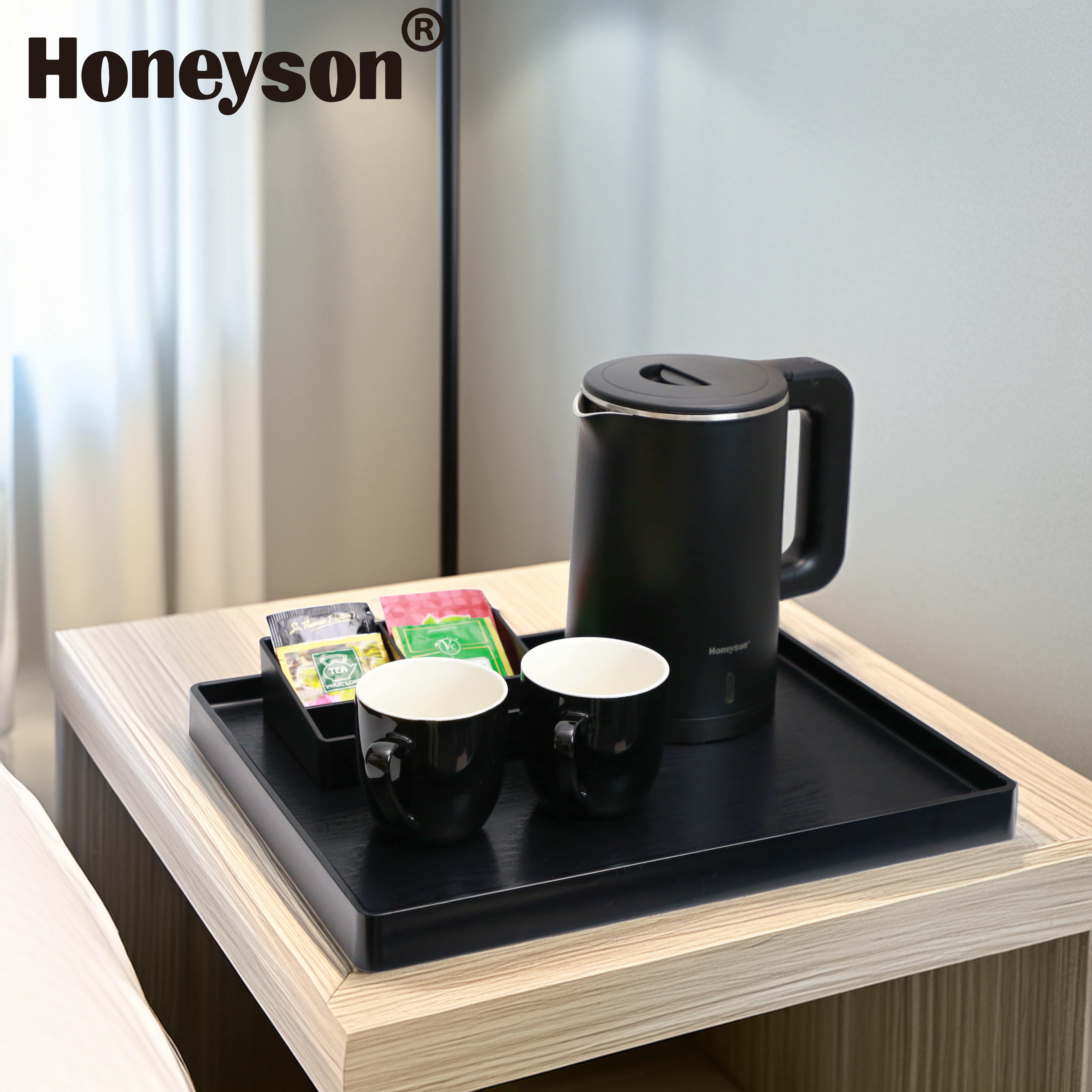
In today's competitive hospitality landscape, modern guests arrive with heightened expectations — not just for clean rooms and comfortable beds, but for a complete, thoughtful in-room experience. Among the most consistently requested in-room amenities is the ability to prepare a hot beverage at any hour, without calling room service or leaving the comfort of their space. This is precisely why the electric kettle has become a non-negotiable component of any serious hotel solution focused on in-room beverage service. Understanding which amenities and core hotel supplies best support this guest demand is essential for hotel operators aiming to deliver consistent, premium experiences across every room category.
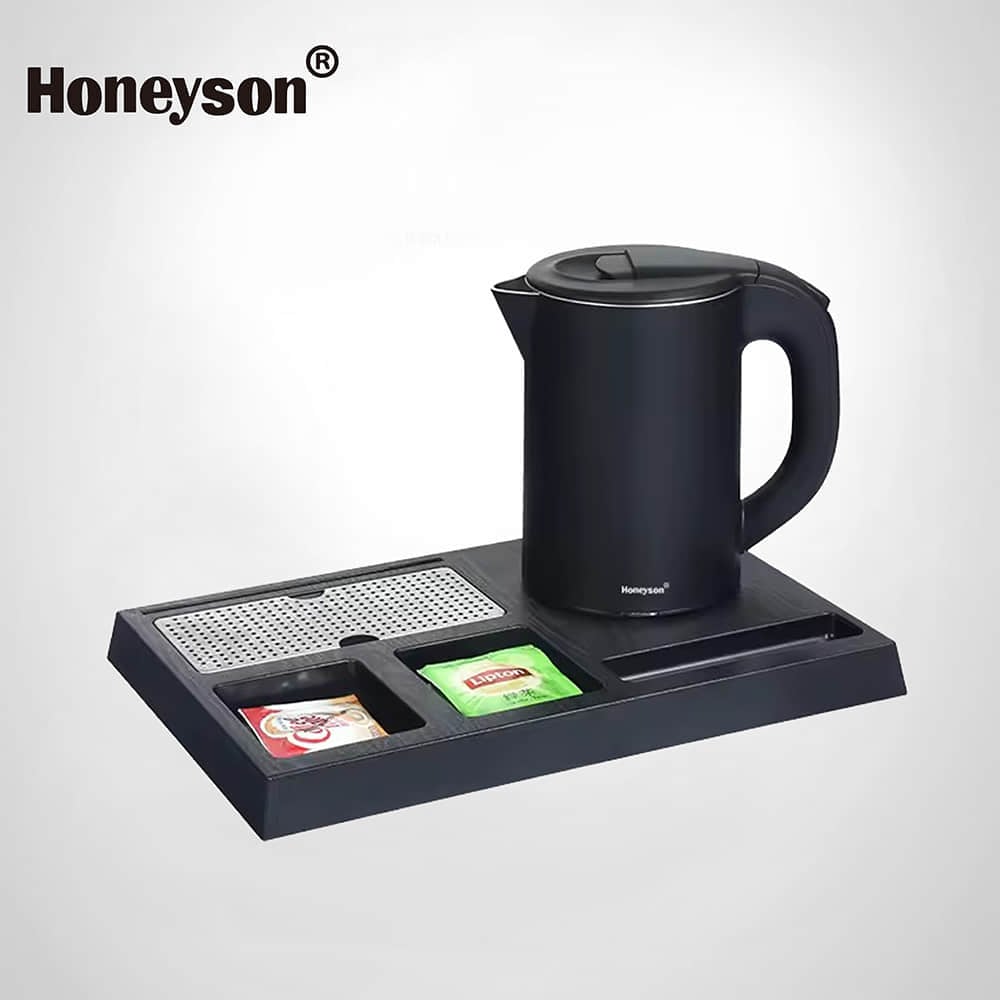
The question is not simply whether to provide an electric kettle, but rather how the entire ecosystem of hotel amenities — from the tray presentation to the beverage station layout — works together to create a seamless and satisfying experience. A well-chosen electric kettle paired with the right supporting hotel supplies communicates professionalism, attention to detail, and a genuine understanding of what guests value. This article explores the key hotel amenities and core hotel supplies that together form a comprehensive in-room beverage solution capable of meeting the demands of today's discerning traveler.
The Central Role of the Electric Kettle in Modern In-Room Beverage Service
Why the Electric Kettle Is the Anchor of In-Room Beverage Amenities
The electric kettle has evolved from a simple convenience item into a central pillar of the modern hotel room's hospitality offering. Guests who travel frequently — whether for business or leisure — often depend on the ability to prepare tea, instant coffee, oatmeal, or other hot-water-based items at their own schedule. An electric kettle that performs reliably and heats water quickly sends a clear signal to the guest that their comfort has been thoughtfully considered.
From a hotel operations standpoint, the electric kettle is also one of the most cost-effective amenities a property can provide. It reduces the frequency of room service calls for hot water, lowers operational pressure on food and beverage staff during peak hours, and increases guest satisfaction scores tied to room comfort and convenience. A well-selected electric kettle therefore delivers value on multiple levels simultaneously.
Hotel procurement teams should look for models specifically designed for guestroom use. These typically feature double-wall cool-touch bodies to prevent accidental burns, fast-boil heating elements, auto shut-off safety features, and a capacity suited to solo or dual occupancy — generally around 0.8 liters. These specifications are not arbitrary; they reflect real-world guest behavior and safety requirements that distinguish a purpose-built hotel electric kettle from a generic consumer product.
Specifications That Define a Hotel-Grade Electric Kettle
Not every electric kettle on the market is appropriate for the demanding, multi-user environment of a hotel guestroom. Hotel-grade versions are built to withstand frequent daily use across a long operational lifespan, while also meeting safety standards required in commercial hospitality environments. The distinction matters enormously when sourcing hotel supplies at scale.
Key specifications to evaluate include the body material and thermal insulation capability. A cool-touch double-body design prevents the exterior from reaching dangerous temperatures, which is especially important in rooms where children or elderly guests may be present. The ABS plastic or stainless-steel housing must also resist the wear and cleaning chemicals used in routine housekeeping. An electric kettle that degrades visually or functionally within a short period increases total cost of ownership and creates inconsistency in the guest experience.
Capacity is another critical specification. An 0.8-liter electric kettle strikes the optimal balance for hotel guestroom use — large enough to serve two cups simultaneously, yet compact enough to sit neatly on a standard amenity tray without dominating the desk or nightstand space. This balance between functionality and spatial economy is one reason the 0.8-liter format has become an industry standard in professional hotel supply catalogs.
Supporting Hotel Supplies That Complete the In-Room Beverage Station
The ABS Tray as a Presentation and Organizational Anchor
The electric kettle does not function in isolation — its impact on the guest experience is significantly shaped by the supporting hotel supplies arranged around it. The amenity tray is one of the most important of these supporting elements. A well-designed ABS tray groups all beverage-related items together visually and practically, creating a dedicated beverage station that feels intentional rather than haphazard.
An ABS tray offers several advantages for hotel use. It is lightweight, resistant to moisture and staining, easy to clean, and available in a variety of finishes that can be matched to different room decor styles — from classic white to brushed metallic tones. When the electric kettle, cups, and beverage sachets are arranged on a coordinated tray, the overall presentation elevates the room's perceived quality, reinforcing the property's brand positioning in the guest's mind.
The tray also serves a practical housekeeping function. It clearly delineates the beverage station as a discrete area, making it easier for housekeeping staff to reset the amenities accurately and efficiently between stays. When each element has a designated position on the tray, the setup time is reduced and the consistency across rooms is maintained — both of which contribute to operational efficiency and quality assurance.
Beverage Sachets, Cups, and Condiment Accessories
Once the electric kettle and tray are in place, the remaining hotel supplies that populate the beverage station must be chosen with equal care. Tea bags, instant coffee sachets, sugar, creamer, and stir sticks are the foundational items, but modern guests increasingly expect some degree of variety and quality in these offerings. Providing a curated selection of premium tea varieties or specialty coffee options alongside standard offerings signals a commitment to the guest experience that resonates strongly with frequent travelers.
Cups and mugs are another detail that carries significant weight. Ceramic mugs project a more upscale, sustainable impression compared to disposable paper cups, and they complement the visual weight and presence of a well-designed electric kettle on the tray. Hotels operating at midscale and above typically opt for ceramic or glass cups as part of their beverage station setup, replacing them as needed through their regular hotel supplies procurement cycle.
Small condiment items — individually wrapped sugar sticks, UHT creamer portions, and honey sachets — round out the station and demonstrate attention to the full range of guest preferences. These items are low-cost individually but create a cumulative sense of thoughtfulness that guests notice and remember, often translating directly into positive online reviews that reference the room's comfort and amenity quality.
How Hotel Amenity Selection Reflects Brand Positioning and Guest Expectations
Matching Amenity Quality to Property Tier
The caliber of hotel supplies chosen for the in-room beverage station must align with the overall positioning of the property. A budget hotel may prioritize durability and cost-efficiency, selecting a basic electric kettle with reliable safety features but a straightforward design. A boutique or upscale property, by contrast, must select an electric kettle and accompanying supplies that reflect a higher standard of aesthetics and material quality to meet the expectations of guests paying premium rates.
This alignment matters because inconsistency between room rate and amenity quality creates cognitive dissonance for guests. When a guest pays a premium price and finds a dated or poorly functioning electric kettle on their room tray, it disproportionately affects their overall impression of the property. Conversely, when a value-tier property invests in a clean, modern electric kettle with a coordinated tray setup, guests often rate the room above their initial expectations — a powerful driver of positive reviews and repeat bookings.
Hotel procurement teams should therefore approach the electric kettle and its supporting hotel supplies not as isolated line items in a budget spreadsheet, but as interconnected components of a branded guest experience. The selection process should consider aesthetics, durability, safety compliance, ease of cleaning, and replacement cost as a holistic package rather than individual variables.
The Role of Design Consistency in Guest Perception
Design consistency across all in-room amenities creates a cohesive visual identity that guests associate with quality and professionalism. When the electric kettle, tray, cups, and other hotel supplies share a unified color palette, material finish, or styling language, the room communicates a level of curation that elevates the overall guest experience. This is especially relevant for hotel groups managing multiple properties, where a standardized amenity kit helps reinforce brand recognition across locations.
Hotels that treat their electric kettle and beverage station as a branded touchpoint rather than a commodity purchase gain a measurable advantage in guest perception metrics. Guests frequently photograph and share their in-room experiences on social media, and a visually appealing beverage station — anchored by a well-designed electric kettle on a clean, coordinated tray — generates organic brand exposure that no marketing budget can fully replicate.
Working with hotel supply partners who offer coordinated product families — where the electric kettle, tray, and accessory items are designed as a set — simplifies the procurement process and ensures the visual outcome is consistent with the hotel's brand standards. This approach reduces the guesswork involved in mixing and matching individual items from multiple suppliers.
Operational and Safety Considerations for In-Room Electric Kettle Deployment
Safety Standards That Hotel Procurement Teams Must Verify
Deploying an electric kettle across hundreds or thousands of hotel rooms requires rigorous attention to safety certification. Hotel procurement teams must verify that each electric kettle model carries the relevant electrical safety certifications applicable to their operating region — such as CE marking for European markets, UL listing for North American properties, or equivalent standards for other markets. These certifications confirm that the electric kettle has been independently tested and meets minimum safety thresholds for electrical performance, thermal insulation, and automatic shut-off reliability.
The cool-touch body feature is particularly critical in a hotel context. Unlike a home kitchen where a single user is familiar with the appliance, a hotel guestroom serves a rotating population of guests with varying levels of familiarity and attention. A double-wall construction that keeps the exterior of the electric kettle at a safe temperature even when the interior water is boiling is therefore not a luxury feature — it is a baseline safety requirement for responsible hotel supply selection.
Auto shut-off and boil-dry protection are equally non-negotiable. An electric kettle that automatically cuts power when the water reaches boiling point — or when there is insufficient water in the vessel — significantly reduces the risk of overheating incidents, electrical faults, or fire hazards in unattended guestrooms. These features protect guests, protect property assets, and reduce the hotel's liability exposure from equipment-related incidents.
Housekeeping Protocols and Maintenance Cycles
An electric kettle deployed in a hotel guestroom must be integrated into established housekeeping protocols to ensure it remains clean, functional, and visually presentable throughout its operational life. Housekeeping staff should be trained on the correct cleaning procedure for the specific electric kettle model in use — including how to clean the interior to prevent limescale buildup, how to inspect the power cord and connector for wear, and how to identify units that require replacement.
Limescale accumulation inside the electric kettle is a common issue in properties located in hard-water regions. If left unaddressed, scale buildup reduces heating efficiency, affects the taste of the water, and eventually damages the heating element. Establishing a regular descaling schedule as part of the property's housekeeping SOP extends the functional lifespan of the electric kettle and maintains the quality of the guest's beverage experience throughout the product's service life.
Replacement cycles should also be planned proactively. An electric kettle that shows visible wear, discoloration, or functional degradation must be replaced before it reaches guest-facing use. Maintaining a small inventory buffer of replacement units — along with matching tray and accessory components — ensures that housekeeping teams can swap out substandard units immediately without disrupting room availability or guest experience continuity.
Procurement Strategy for Hotel Supplies Supporting In-Room Beverage Service
Volume Purchasing, Standardization, and Supplier Relationships
For hotel groups and management companies overseeing multiple properties, developing a standardized in-room beverage amenity specification creates significant procurement advantages. By defining a preferred electric kettle model — along with matched tray, cups, and beverage accessories — as part of the brand standard, procurement teams can negotiate volume pricing, simplify inventory management, and ensure a consistent guest experience across all properties in the portfolio.
A standardized electric kettle specification also streamlines supplier relationships. Rather than managing multiple vendors for different room amenity items, hotels that work with hotel supply partners offering coordinated product families can consolidate purchasing, reduce administrative overhead, and benefit from more responsive after-sales support. This is particularly valuable when managing large replacement orders or rolling out a room refresh across a full property or portfolio.
When evaluating suppliers for hotel-grade electric kettle units and accompanying hotel supplies, procurement teams should assess not only unit price but also minimum order quantities, lead times, packaging standards for hospitality use, and the supplier's track record in the hotel industry. A supplier with demonstrated experience in the hospitality sector will understand the specific quality benchmarks, certification requirements, and presentation expectations that general consumer electronics suppliers may not be equipped to meet.
Balancing Cost Efficiency with Guest Experience Outcomes
One of the most common procurement challenges in hotel supply management is balancing cost efficiency with the guest experience outcomes that drive revenue. The temptation to minimize the per-unit cost of the electric kettle and accompanying hotel supplies by selecting the lowest available price point can be counterproductive when the result is increased replacement frequency, housekeeping inefficiency, and guest dissatisfaction that manifests in online review scores.
A more effective approach is to calculate the total cost of ownership across a defined service period — typically 24 to 36 months — rather than focusing exclusively on the initial purchase price. An electric kettle that costs slightly more per unit but delivers double the service life, requires less maintenance, and generates stronger guest satisfaction outcomes is almost always the better investment from a total cost and brand equity perspective.
Hotels should also consider the reputational cost of poor amenity quality. In an era where every guest can publish a detailed review within minutes of checking out, a single negative comment about a malfunctioning or unappealing electric kettle can influence the booking decisions of dozens of future guests. The cost of that reputational impact far exceeds any savings achieved by sourcing a substandard product at a lower unit price.
FAQ
What capacity electric kettle is most appropriate for hotel guestroom use?
An 0.8-liter capacity is widely considered the optimal choice for hotel guestroom deployment. This capacity is sufficient to prepare two cups of tea or coffee simultaneously, making it suitable for both solo and dual occupancy rooms, while remaining compact enough to fit neatly on a standard amenity tray without occupying excessive desk or surface space.
Why is a cool-touch body important for a hotel electric kettle?
A cool-touch double-wall body design prevents the exterior surface of the electric kettle from reaching dangerous temperatures during operation. In a hotel guestroom environment where guests of all ages and physical conditions use the appliance without prior familiarity, this feature is a critical safety requirement rather than an optional comfort enhancement. It also reduces the risk of accidental burns during handling and helps protect the room's surface materials from heat damage.
How should hotels include the electric kettle in their housekeeping SOPs?
Hotels should train housekeeping staff to inspect the electric kettle during each room turnover, checking the interior for limescale buildup, verifying the cord and base connector are undamaged, confirming the unit powers on and shuts off correctly, and ensuring the exterior is clean and free of stains or damage. A formal descaling schedule should be incorporated into the property's deep-cleaning rotation, and a replacement process should be in place to swap out units that no longer meet presentation or functional standards.
Can the electric kettle and tray be sourced as a coordinated set from hotel supply vendors?
Yes, many hotel supply vendors offer the electric kettle and ABS tray as a coordinated product set specifically designed for guestroom deployment. Sourcing these items as a set ensures visual consistency, simplifies procurement, and typically allows for better volume pricing compared to purchasing individual components from separate suppliers. Hotel groups standardizing their in-room beverage station across multiple properties benefit significantly from this approach.
Table of Contents
- The Central Role of the Electric Kettle in Modern In-Room Beverage Service
- Supporting Hotel Supplies That Complete the In-Room Beverage Station
- How Hotel Amenity Selection Reflects Brand Positioning and Guest Expectations
- Operational and Safety Considerations for In-Room Electric Kettle Deployment
- Procurement Strategy for Hotel Supplies Supporting In-Room Beverage Service
-
FAQ
- What capacity electric kettle is most appropriate for hotel guestroom use?
- Why is a cool-touch body important for a hotel electric kettle?
- How should hotels include the electric kettle in their housekeeping SOPs?
- Can the electric kettle and tray be sourced as a coordinated set from hotel supply vendors?