
 EN
EN
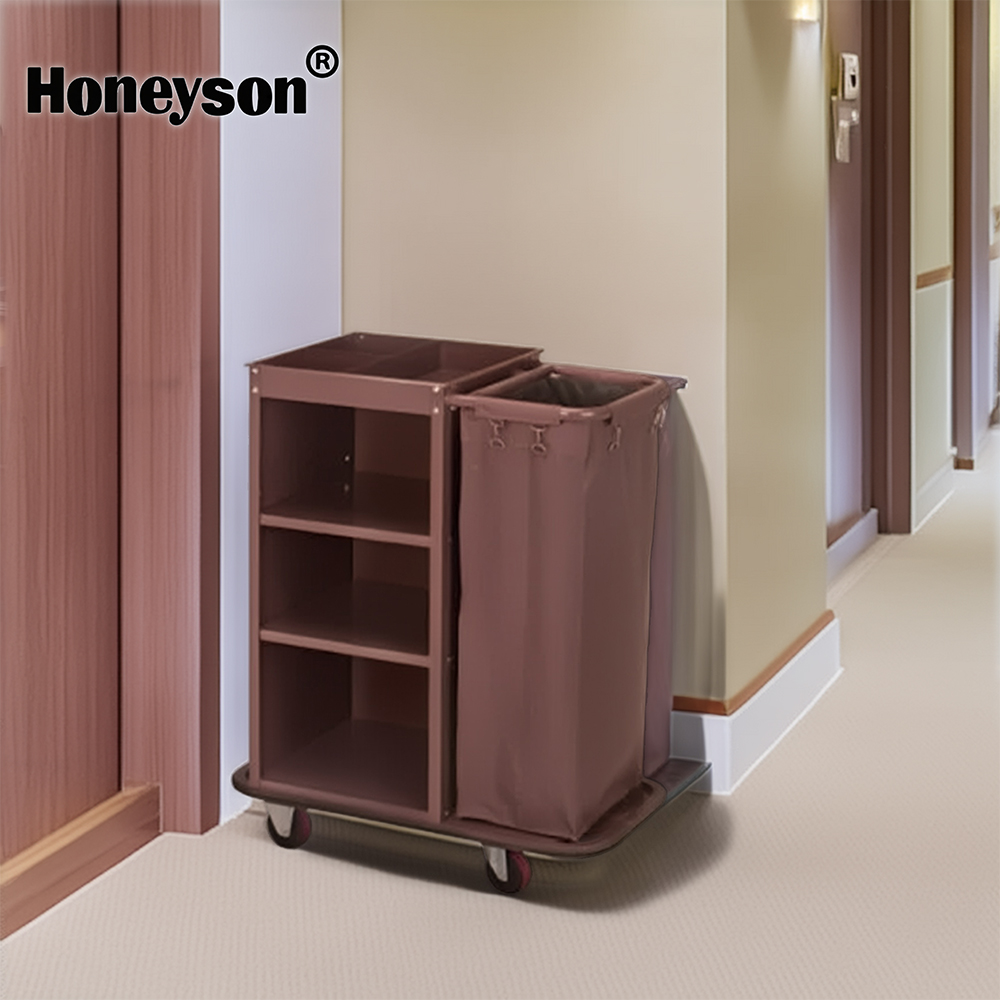
As Q2 procurement cycles open up across the hospitality industry, purchasing managers and hotel operators are under increasing pressure to deliver superior guest experiences while keeping operational costs firmly in check. The strategic selection of hotel amenities has never been more critical — from in-room electric kettles and coffee machines to the broader ecosystem of supplies that define how guests perceive value during their stay. Getting this balance right requires more than just finding the lowest unit price; it demands a structured procurement approach that aligns quality standards, supplier reliability, and long-term operational efficiency into a single coherent strategy.
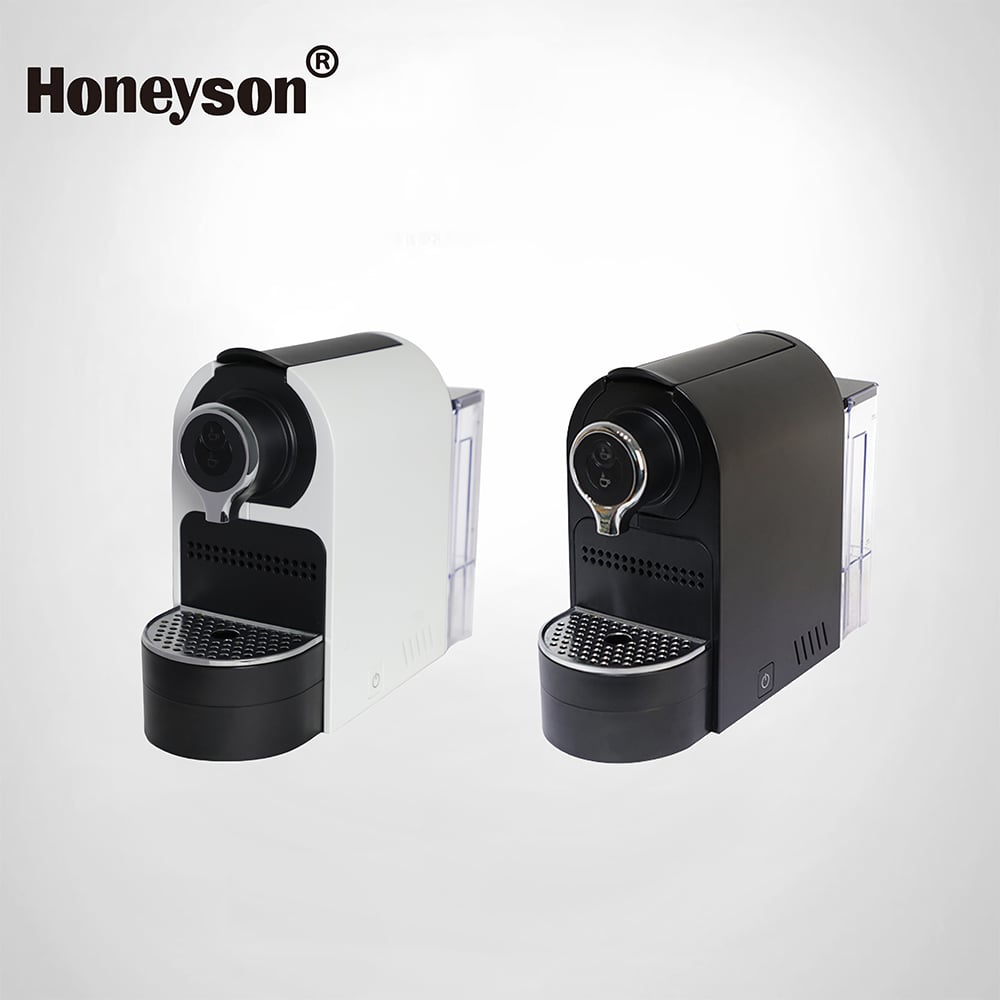
This article is designed to serve as a practical procurement guide for hotel buyers who want to build a cost-effective, high-quality solution for their properties this quarter. We will walk through the core decision logic behind sourcing hotel amenities, explain why electric kettles and capsule coffee machines deserve special attention in your Q2 budget, and outline the frameworks that help hospitality procurement teams make smarter, more defensible purchasing decisions. Whether you manage a boutique property or a multi-location chain, the principles here will help you extract more value from every procurement dollar spent.
Understanding the True Scope of Hotel Amenities in Modern Hospitality
Defining What Hotel Amenities Cover Today
The term hotel amenities has expanded significantly in recent years. It no longer refers simply to small toiletry bottles or a complimentary notepad on the desk. Today, hotel amenities encompass the full range of in-room and common-area provisions that shape the guest experience — including personal care products, beverage-making appliances, sleep accessories, connectivity tools, and functional in-room equipment like electric kettles and coffee machines.
For procurement purposes, it is essential to categorize hotel amenities by lifecycle, frequency of replacement, and guest-impact weight. Some items are consumable and need regular restocking, while durable appliances represent a capital investment that should be evaluated on a total-cost-of-ownership basis. Understanding this distinction helps procurement teams allocate budget more intelligently and avoid the common mistake of over-investing in low-impact items while under-budgeting for high-visibility touchpoints.
Beverage appliances sit firmly in the high-visibility, high-impact category of hotel amenities. Guests consistently rate the availability of in-room hot beverage options — including tea, instant coffee, and capsule coffee — as a significant factor in their overall satisfaction scores. This makes electric kettles and compact coffee machines strategic procurement priorities rather than optional add-ons.
Why Beverage Appliances Carry Disproportionate Guest Impact
Research across the hospitality sector consistently shows that in-room beverage solutions are among the most-used hotel amenities during a typical stay. Unlike a decorative item or a toiletry product, an electric kettle or coffee machine is actively engaged multiple times per day. Every interaction becomes a moment of brand perception — either reinforcing the property's commitment to quality or subtly eroding guest confidence.
A poorly functioning kettle or a coffee machine that is difficult to operate creates immediate frustration. Conversely, a well-designed, reliable appliance that produces a quality hot beverage on demand creates a moment of genuine satisfaction that guests associate with the property as a whole. When you consider that online reviews often reference in-room beverage quality directly, the business case for investing in high-quality hotel amenities in the beverage category becomes straightforward.
For Q2 procurement planning, this means that electric kettles and capsule coffee machines should be evaluated not just on unit price, but on the value they generate per guest interaction — a framework that frequently justifies a higher per-unit investment in favor of better performance and longer service life.
Building a Cost-Effective Procurement Strategy for Hotel Amenities
Total Cost of Ownership Over Unit Price
One of the most common procurement mistakes in the hospitality sector is evaluating hotel amenities purely on upfront purchase cost. While unit price is obviously a relevant factor, it represents only one component of the total cost picture. Durable appliances like electric kettles and coffee machines must also be assessed on energy efficiency, maintenance frequency, spare parts availability, and expected replacement cycle.
A compact capsule coffee machine with a slightly higher purchase price but a robust build quality, low maintenance requirement, and a five-year operational lifespan will almost always deliver lower total cost than a cheaper alternative that requires replacement after eighteen months. When you multiply this cost differential across dozens or hundreds of rooms in a hotel property, the financial impact of procurement decisions becomes very significant. Smart hotel amenities procurement means thinking in lifecycle terms, not just invoice terms.
Energy consumption is another dimension that procurement teams should factor into their calculations, particularly for appliances that remain in guest rooms around the clock. Electric kettles and coffee machines with automatic shut-off features, energy-saving standby modes, and efficient heating elements contribute meaningfully to a property's utility cost reduction targets — a factor that has become increasingly important as energy costs remain elevated across hospitality markets globally.
Supplier Qualification and Quality Assurance Frameworks
Effective procurement of hotel amenities depends heavily on the quality of the supplier relationship. For high-usage appliances, it is not sufficient to simply place an order based on a product catalog. Procurement teams should establish clear quality assurance criteria, request product samples before bulk orders, and evaluate suppliers on their ability to provide consistent quality across large production runs.
For Q2 procurement specifically, it is worth auditing your current supplier relationships and asking pointed questions about product consistency, warranty coverage, and after-sales support. A supplier who offers genuine technical support and responsive warranty handling is significantly more valuable for durable hotel amenities than one who simply offers a marginally lower unit price with limited after-sales infrastructure.
Certification compliance is also a non-negotiable criterion for appliances deployed in hotel environments. Electric kettles and coffee machines must meet the relevant electrical safety standards for your target markets, including CE, RoHS, and other applicable certifications. Verifying these credentials as part of your supplier qualification process protects the property from liability and ensures that your hotel amenities program meets the regulatory standards expected in professional hospitality environments.
The Strategic Role of Capsule Coffee Machines in Q2 Hotel Procurement
Why Capsule Coffee Machines Are Gaining Ground in Hotel Rooms
The capsule coffee machine has become one of the most strategically significant hotel amenities in the contemporary in-room beverage category. Unlike traditional drip coffee makers or instant coffee sachets, a capsule system delivers a consistent, barista-quality beverage result every time — with minimal guest effort and virtually no mess or cleanup. This combination of quality consistency, operational simplicity, and premium perception makes capsule machines an outstanding fit for the hotel environment.
From a procurement standpoint, capsule coffee machines also offer predictability. Because they use sealed capsule formats, there are no loose coffee grounds to manage, no cleaning chemicals required for internal brewing components, and no variation in beverage output based on how the guest uses the machine. This predictability translates directly into lower housekeeping burden and lower maintenance overhead — both of which are meaningful cost factors when managing hotel amenities at scale.
A well-chosen capsule coffee machine — such as a compact, hotel-specific model designed for in-room use — also communicates a clear quality signal to guests. It positions the property as attentive to detail and genuinely invested in the guest experience, which is a perception that resonates particularly strongly with business travelers and premium leisure guests who have high baseline expectations for their hotel amenities.
Selecting the Right Capsule Coffee Machine for Your Property
When evaluating capsule coffee machines as part of your Q2 hotel amenities procurement, several specific criteria should guide the selection process. First, form factor matters enormously in the hotel room context. A compact machine that fits neatly on a desk or in-room counter without dominating the space is consistently preferable to a larger commercial-style unit. Guests value a clean, uncluttered room environment, and oversized appliances create visual and functional friction.
Second, noise level during operation is a meaningful consideration. A capsule machine that produces excessive noise during brewing can disturb guests, particularly in smaller room formats where the appliance is close to the sleeping area. Look for models specifically engineered for quiet operation, which is a feature that manufacturers of hotel-grade hotel amenities increasingly prioritize in their product designs.
Third, evaluate the machine's compatibility with widely available capsule formats. The more universally compatible a machine is, the easier it will be to source capsule inventory cost-effectively and ensure that guests can purchase additional capsules independently if desired. For properties looking at a premium compact option specifically designed for hotel in-room use, the hotel amenities category now includes dedicated professional-grade models that balance compact design with genuine beverage quality — making them an excellent fit for Q2 procurement programs targeting both cost efficiency and guest satisfaction uplift.
Integrating Electric Kettles Into a Cohesive Hotel Amenities Package
The Enduring Relevance of the In-Room Electric Kettle
While capsule coffee machines often attract attention as a premium upgrade, the electric kettle remains a foundational element of in-room hotel amenities across virtually every market segment and geography. For a large proportion of guests — particularly those who prefer tea, instant noodle snacks, or hot water for personal use — the electric kettle is one of the most actively used items in the room. Its presence (or absence) is noticed immediately, and its quality is assessed within the first few uses.
From a procurement perspective, electric kettles represent a relatively accessible cost point compared to coffee machines, but they still demand careful selection. A kettle that takes too long to boil, produces excessive noise, or feels plasticky and insubstantial will negatively color the guest's perception of the property's hotel amenities standard overall. Stainless steel interior construction, rapid-boil technology, and ergonomic handle design are three quality indicators that should be treated as minimum standards rather than premium features.
For Q2 procurement, it is worth auditing the current kettle inventory across your property or portfolio to identify units that are approaching end of service life. Replacing aging kettles proactively — before they start generating guest complaints — is a low-cost intervention that has an outsized positive effect on guest satisfaction scores and maintenance call volumes.
Coordinating Kettle and Coffee Machine Procurement for Maximum Efficiency
One of the procurement efficiency gains available in Q2 planning is the consolidation of kettle and coffee machine sourcing into a coordinated hotel amenities package from a compatible supplier base. When both appliances are sourced from the same supplier ecosystem, you benefit from simplified order management, coordinated delivery schedules, consistent aesthetic styling across the in-room beverage station, and potentially better pricing through volume bundling.
Aesthetic coordination matters more than many procurement teams initially appreciate. When the kettle and coffee machine on a guest room desk share a consistent design language — similar color palette, material finish, and form factor — the in-room environment projects a sense of intentionality and quality that guests register positively. This cohesive approach to hotel amenities styling is a hallmark of properties that consistently earn high design ratings in guest reviews.
Coordinated procurement also simplifies maintenance and replacement logistics. If both appliances are sourced through the same supplier with the same warranty terms and replacement parts infrastructure, your maintenance team has a simpler operational framework to manage. This reduces the administrative overhead associated with tracking multiple warranty expiration dates, managing multiple supplier relationships, and ordering from multiple spare parts catalogs — all of which consume meaningful staff time across a full procurement cycle.
Q2 Procurement Execution: Practical Steps for Hotel Amenities Buyers
Timeline and Budget Allocation Principles
Executing a successful Q2 hotel amenities procurement program requires disciplined timeline management. Most hospitality procurement cycles require a minimum of six to eight weeks from initial supplier contact to delivery and room deployment, assuming standard production volumes. For custom-branded or large-scale orders, lead times can extend to twelve weeks or more. This means that Q2 procurement decisions need to be finalized and purchase orders placed early in the quarter to ensure on-time delivery before peak summer occupancy periods.
Budget allocation across the hotel amenities category should reflect the guest-impact weighting discussed earlier. High-visibility, high-interaction items like coffee machines and electric kettles warrant a proportionally larger share of the per-room amenities budget compared to low-interaction decorative items. A structured budget allocation framework that assigns budget weight based on guest interaction frequency and satisfaction impact will consistently outperform an approach that distributes budget equally across all amenity categories.
It is also worth building a contingency buffer — typically ten to fifteen percent of the total hotel amenities procurement budget — to cover unexpected delivery delays, quality rejections during incoming inspection, or urgent replacement needs that arise during the deployment period. Properties that skip this contingency planning often find themselves in reactive procurement mode mid-quarter, which invariably leads to higher costs and compromised quality outcomes.
Quality Inspection and Deployment Best Practices
Even when sourcing hotel amenities from well-qualified suppliers, incoming quality inspection is a critical step that should not be skipped. For appliances like electric kettles and coffee machines, a representative sample of each delivery batch should be tested for operational functionality, electrical safety, and aesthetic quality before full deployment. This is especially important for large orders where individual unit variation can occur even within a well-controlled manufacturing process.
Deployment should be accompanied by brief staff familiarization sessions so that housekeeping and maintenance teams understand how to clean, operate, and identify common issues with the new hotel amenities appliances. Staff who are confident and knowledgeable about the equipment in guest rooms are better equipped to respond to guest questions and identify early-stage maintenance issues before they escalate into appliance failures.
Finally, establish a feedback loop from the guest experience side. Monitor online review mentions of in-room beverage quality and appliance performance in the weeks following deployment. This real-world data provides the most direct signal of whether your Q2 hotel amenities investments are delivering the intended guest experience improvements — and gives you actionable information to inform future procurement cycles.
FAQ
What is the most important factor when sourcing electric kettles as hotel amenities?
The most important factor is a combination of build quality and safety certification. Electric kettles deployed as hotel amenities must meet relevant electrical safety standards for your market, feature stainless steel interior construction to prevent taste contamination, and offer rapid-boil performance with automatic shut-off. These criteria ensure guest safety, operational reliability, and a positive user experience that reflects well on the property.
Are capsule coffee machines cost-effective as hotel amenities for mid-scale properties?
Yes — when evaluated on a total cost of ownership basis, capsule coffee machines are highly cost-effective hotel amenities even for mid-scale properties. Their low maintenance requirements, consistent output quality, and strong positive impact on guest satisfaction scores deliver measurable value that justifies the per-unit investment. The key is selecting a compact, hotel-grade model designed for in-room use rather than a consumer-grade machine not built for the high-use hotel environment.
How should hotel procurement teams coordinate the purchase of multiple hotel amenities categories?
The most effective approach is to consolidate sourcing for complementary hotel amenities categories — such as kettles and coffee machines — through compatible supplier relationships that offer consistent design aesthetics, coordinated delivery timelines, and volume pricing benefits. This consolidation reduces administrative overhead, creates a more cohesive in-room environment, and simplifies warranty and replacement logistics, all of which contribute to lower total procurement cost over the full product lifecycle.
When is the right time to replace existing hotel amenities appliances in guest rooms?
Proactive replacement is strongly preferable to reactive replacement for guest-facing hotel amenities appliances. Properties should establish a planned replacement cycle based on manufacturer-recommended service life, typically three to five years for well-made kettles and coffee machines. Additionally, any sustained increase in guest complaints, maintenance call frequency, or visible wear on in-room appliances should trigger an accelerated replacement review — since the cost of a single negative online review attributable to a faulty appliance typically exceeds the cost of proactive replacement many times over.
Table of Contents
- Understanding the True Scope of Hotel Amenities in Modern Hospitality
- Building a Cost-Effective Procurement Strategy for Hotel Amenities
- The Strategic Role of Capsule Coffee Machines in Q2 Hotel Procurement
- Integrating Electric Kettles Into a Cohesive Hotel Amenities Package
- Q2 Procurement Execution: Practical Steps for Hotel Amenities Buyers
-
FAQ
- What is the most important factor when sourcing electric kettles as hotel amenities?
- Are capsule coffee machines cost-effective as hotel amenities for mid-scale properties?
- How should hotel procurement teams coordinate the purchase of multiple hotel amenities categories?
- When is the right time to replace existing hotel amenities appliances in guest rooms?