All Categories
Get a Quote

Get a Free Quote

Our representative will contact you soon.
Email
Name
Company Name
Message
0/1000

Elevating Guest Comfort: How In-Room Hotel Amenities Like Electric Kettles & Coffee Machines Complete Your Premium Hotel Solution?

2026-04-01 09:32:00
Elevating Guest Comfort: How In-Room Hotel Amenities Like Electric Kettles & Coffee Machines Complete Your Premium Hotel Solution?

In the competitive hospitality landscape, guest satisfaction extends far beyond clean linens and comfortable beds. Modern travelers increasingly expect their hotel rooms to function as fully equipped temporary homes, complete with conveniences that allow them to maintain their daily routines without interruption. Among the most valued amenities are in-room beverage preparation facilities, particularly electric kettles and coffee machines, which have transitioned from luxury additions to essential components of any premium hotel solution. These compact appliances address fundamental guest needs during vulnerable moments—early morning hours before breakfast service begins, late evening arrivals after restaurant closures, or mid-afternoon energy dips when leaving the room feels inconvenient. Hotels that strategically incorporate quality beverage equipment into their rooms demonstrate attentiveness to guest comfort while simultaneously reducing pressure on food and beverage service operations during peak hours.

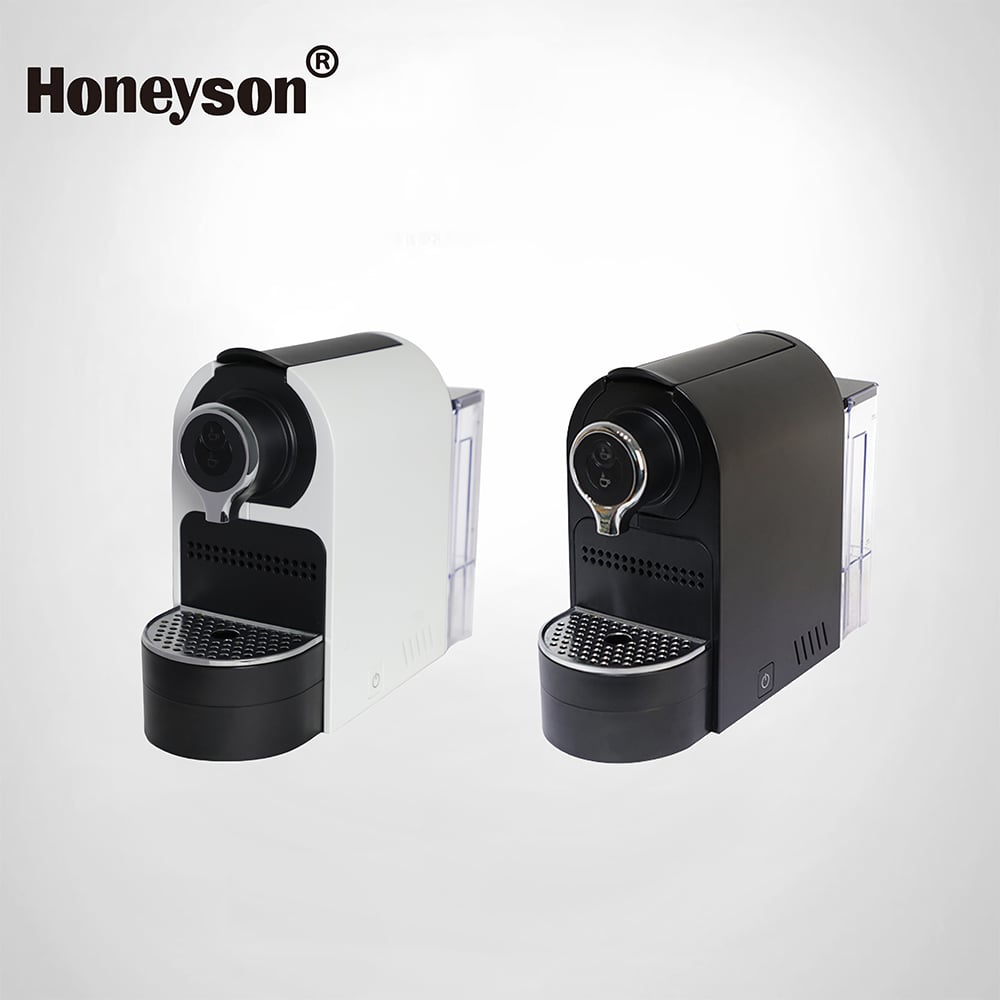
coffee machine

The integration of electric kettles and coffee machines into guest rooms represents a calculated investment in perceived value that directly impacts booking decisions, online reviews, and repeat patronage. Research consistently shows that travelers prioritize hotels offering comprehensive in-room amenities, with beverage preparation facilities ranking among the top five most desired features across multiple guest demographics. When guests can prepare their preferred hot beverage immediately upon waking or returning to their room after business meetings, their overall satisfaction increases measurably, translating into higher ratings on review platforms and stronger brand loyalty. For hotel operators navigating tight margins and staffing challenges, these self-service amenities also provide operational relief by reducing demand on room service and lobby coffee stations while creating opportunities for upselling premium coffee capsules or tea selections through minibar programs. Understanding how electric kettles and coffee machines contribute to a complete premium hotel solution requires examining their multifaceted impact on guest experience, operational efficiency, brand positioning, and revenue generation potential.

Strategic Role of In-Room Beverage Amenities in Guest Experience Design

Addressing Fundamental Guest Needs Beyond Basic Accommodation

Hotels fundamentally provide temporary living spaces, yet the distinction between budget and premium properties increasingly lies in how thoroughly they anticipate and address daily guest routines. Beverage consumption represents a universal need that occurs multiple times throughout the day, making electric kettles and coffee machines essential rather than optional additions. Business travelers preparing for early morning meetings value the ability to brew fresh coffee without navigating unfamiliar hallways or waiting in lobby queues. Leisure guests appreciate the relaxed flexibility of enjoying afternoon tea in privacy rather than adhering to restaurant schedules. Parents traveling with children benefit from the capability to prepare warm milk or soothing herbal tea during late-night disruptions without leaving their rooms. Each scenario demonstrates how thoughtfully placed beverage equipment addresses specific guest pain points that emerge during actual hotel stays rather than during initial booking research.

The psychological impact of in-room beverage amenities extends beyond mere convenience to encompass feelings of control, autonomy, and personalized comfort. When guests can prepare beverages according to their precise preferences—adjusting strength, temperature, or timing—they experience a sense of ownership over their temporary environment that enhances overall satisfaction. This autonomy becomes particularly significant for frequent travelers who spend substantial portions of their lives in hotel rooms and seek to maintain familiar routines across different properties. A coffee machine that delivers consistent quality allows guests to start their day with familiar ritual rather than adapting to unfamiliar breakfast service styles or unpredictable coffee quality. Similarly, an electric kettle provides reassuring versatility for guests with specific dietary requirements, enabling them to prepare specialty teas, instant soups, or other preferred beverages that may not appear on standard room service menus.

Creating Differentiation in Saturated Hospitality Markets

Market differentiation increasingly depends on nuanced amenity combinations rather than single standout features, with in-room beverage facilities playing crucial roles in positioning strategies. Mid-tier properties elevate their offerings by including quality coffee machines that rival those found in upscale establishments, effectively narrowing the perceived gap between budget and luxury segments. Boutique hotels reinforce their attention-to-detail narratives by selecting aesthetically distinctive kettles and coffee machines that complement overall room design while delivering exceptional functionality. Even luxury properties competing primarily on service excellence recognize that tangible in-room amenities provide immediate, tactile evidence of their premium positioning from the moment guests enter their rooms. The presence of a well-designed coffee machine signals investment in guest comfort and creates positive first impressions that influence subsequent perceptions of all hotel services.

Competitive analysis reveals that properties offering comprehensive beverage amenities capture higher average daily rates and maintain stronger occupancy levels compared to similarly positioned competitors lacking these features. Booking platform filters increasingly include specific queries about in-room coffee facilities, with many travelers actively eliminating properties that fail to meet this criterion. Hotels that recognize this selection pattern gain measurable advantage by prominently featuring their beverage amenities in listing descriptions and photography, converting amenity investments into direct booking drivers. The coffee machine specifically functions as a powerful differentiation tool because it represents both practical utility and aspirational lifestyle elements—guests associate quality coffee equipment with sophistication, modernity, and attentiveness to contemporary preferences. Properties that select premium models with recognizable design aesthetics amplify this effect, transforming functional amenities into visual statements of overall quality standards.

Building Emotional Connections Through Hospitality Touchpoints

Exceptional hospitality creates emotional resonance through accumulated small gestures rather than singular grand experiences, and in-room beverage amenities provide daily opportunities for positive guest interactions. The simple pleasure of preparing a perfect cup of coffee in a well-appointed room generates positive emotional responses that guests mentally attribute to the hotel itself, building affinity that transcends transactional accommodation relationships. These moments of satisfaction occur during private, unobserved periods when guests are most authentically themselves—early morning solitude, late evening unwinding, or midday breaks—making the emotional impact more genuine and memorable than interactions occurring in public hotel spaces where social performance influences experience.

Hotels that thoughtfully curate their in-room beverage offerings demonstrate understanding of hospitality as relationship-building rather than service delivery. Providing a coffee machine with multiple brewing options acknowledges diverse guest preferences and communicates respect for individual tastes. Including premium coffee selections alongside standard offerings shows willingness to exceed baseline expectations and invest in guest delight rather than mere satisfaction. Even small details like providing proper coffee cups rather than generic disposable options, or positioning the coffee machine near natural light and comfortable seating, reveal intentionality that guests notice and appreciate. These cumulative micro-experiences shape overall impressions more powerfully than any single amenity, creating the holistic sense of being genuinely cared for that distinguishes memorable stays from merely adequate ones.

Operational and Economic Benefits of In-Room Beverage Equipment

Reducing Pressure on Food and Beverage Service Operations

Strategic deployment of electric kettles and coffee machines throughout guest rooms fundamentally alters demand patterns for central food and beverage operations, creating efficiency gains that directly impact operational costs and service quality. Hotels experiencing morning congestion at breakfast buffets or lobby coffee stations can redistribute demand by ensuring rooms contain capable beverage preparation equipment, allowing early risers and late sleepers to satisfy initial caffeine needs independently before joining communal dining areas. This demand smoothing reduces peak-period staffing requirements, minimizes guest wait times during rush hours, and extends useful service life of shared equipment by reducing intensive usage concentration. Properties with limited breakfast venue capacity particularly benefit from this operational relief, as in-room coffee machines effectively expand beverage service coverage without requiring physical space expansion or proportional staff increases.

The operational advantages extend beyond peak period management to encompass service flexibility and risk mitigation. During unexpected service disruptions—equipment failures, supply shortages, or staffing emergencies—in-room beverage amenities provide essential backup capabilities that prevent complete service failures and maintain minimum guest satisfaction levels. Hotels can confidently reduce late-night room service hours when guests possess independent beverage preparation capability, cutting labor costs without proportionally reducing guest satisfaction. Similarly, properties can optimize lobby coffee station hours and reduce continuous replenishment requirements when guests have viable in-room alternatives. The coffee machine specifically enables hotels to deliver consistent beverage quality regardless of service staffing levels or time of day, eliminating the variability that occurs when different staff members prepare drinks according to different standards.

Generating Ancillary Revenue Through Minibar Integration

In-room beverage equipment creates natural upselling opportunities that transform amenity costs into revenue generation channels when thoughtfully integrated with minibar programs. Hotels providing complimentary basic coffee while offering premium specialty capsules, imported teas, or artisan coffee selections establish tiered value propositions that appeal to different guest segments without alienating price-sensitive travelers. This approach allows properties to market complete in-room beverage capability while generating incremental revenue from guests willing to pay for enhanced experiences. The key to successful implementation lies in providing genuinely appealing premium options rather than merely expensive alternatives to free offerings—guests readily purchase specialty coffee capsules that deliver noticeably superior flavor or represent brands they recognize and value from their home routines.

Data from properties successfully monetizing in-room beverage amenities reveals that transparent, reasonable pricing generates higher purchase rates than aggressive markup strategies. Guests accept modest premiums for convenience and quality but reject prices perceived as exploitative, making pricing strategy crucial to program success. Hotels that position premium beverage options as curated selections rather than mandatory purchases maintain positive guest relationships while capturing revenue from willing participants. The coffee machine becomes the enabler of this revenue model, with its presence justifying minibar beverage inventory that would seem incomplete or overpriced without corresponding preparation equipment. Properties can further enhance program performance by refreshing premium selections seasonally, introducing limited-edition options that create novelty appeal, or partnering with recognized coffee brands to leverage existing consumer loyalty and quality perceptions.

Extending Asset Life and Reducing Maintenance Complexity

Modern electric kettles and coffee machines designed specifically for hospitality applications deliver durability characteristics that significantly exceed consumer-grade equipment, providing favorable total cost of ownership despite higher initial investment. Commercial-specification beverage equipment withstands the intensive usage patterns typical of hotel environments, where single units may serve hundreds of different users annually compared to home appliances serving consistent household members. Robust construction, simplified maintenance access, and readily available replacement parts ensure that properly selected equipment delivers years of reliable service with minimal intervention. Hotels investing in quality beverage amenities avoid the false economy of purchasing budget equipment that requires frequent replacement, generates guest complaints due to inconsistent performance, and consumes disproportionate maintenance resources addressing recurring failures.

The maintenance efficiency of in-room beverage equipment also depends on thoughtful product selection aligned with actual operational capabilities. Properties with limited technical staff benefit from choosing coffee machines with automatic cleaning cycles and minimal manual maintenance requirements, reducing the specialized knowledge needed for proper upkeep. Hotels should evaluate descaling procedures, filter replacement complexity, and diagnostic capabilities during equipment selection to ensure maintenance demands match available resources. Strategic standardization across properties—selecting consistent equipment models for all rooms—creates additional efficiency by enabling bulk parts purchasing, simplified staff training, and interchangeable component inventories that reduce downtime when repairs become necessary. The operational simplicity of well-chosen beverage equipment allows housekeeping staff to perform routine cleaning and basic troubleshooting, reserving specialized maintenance resources for genuine technical issues rather than routine upkeep.

Design Integration and Guest Room Functionality Optimization

Spatial Planning for Beverage Preparation Zones

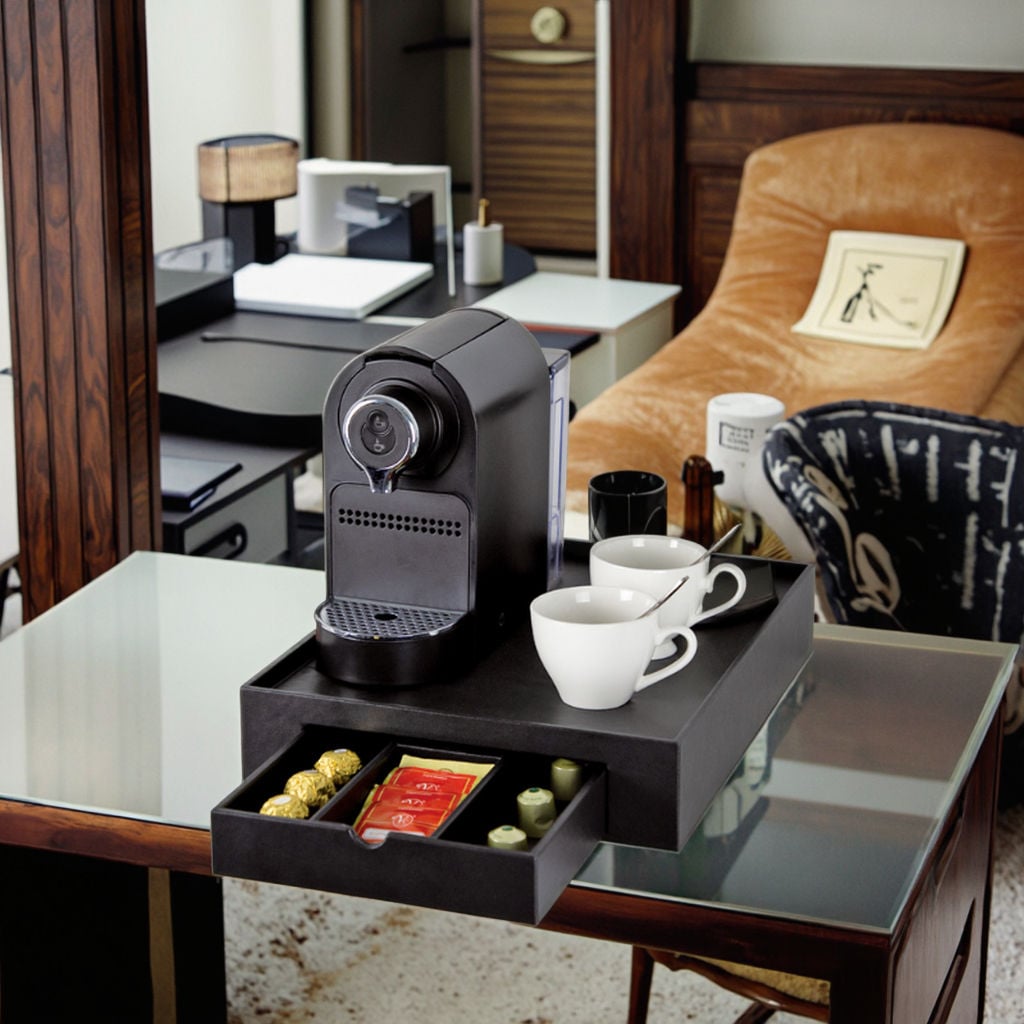
Effective integration of electric kettles and coffee machines requires thoughtful spatial planning that balances functionality, aesthetics, and safety considerations within constrained guest room footprints. Successful implementations create dedicated beverage preparation zones that consolidate equipment, supplies, and service items in logical arrangements that facilitate intuitive use without requiring extensive instruction. These zones typically occupy corner counters, dresser sections, or purpose-built credenzas positioned to provide adequate electrical access, ventilation for heat-generating equipment, and proximity to water sources when feasible. The spatial arrangement should allow guests to comfortably operate equipment while standing or seated, with sufficient adjacent surface area for placing cups, removing hot water, and organizing coffee supplies or tea selections without awkward reaching or balancing.

Design considerations extend beyond mere equipment placement to encompass the entire beverage preparation experience, including adequate task lighting, appropriate backing materials resistant to heat and moisture, and sufficient electrical capacity to support simultaneous operation of multiple appliances. Hotels should avoid positioning coffee machines directly beneath cabinets or shelves where heat accumulation could damage finishes or create safety concerns, instead allowing adequate vertical clearance for steam dissipation and comfortable user access to control interfaces. The beverage zone should feel integrated with overall room design rather than appearing as an afterthought addition, with equipment finishes, color selections, and styling consistent with broader interior design schemes. Premium properties may incorporate decorative elements like tiled backsplashes, accent lighting, or branded presentation that elevates the beverage preparation zone from purely functional space to experience-enhancing design feature.

Equipment Selection Aligned with Brand Positioning

The specific electric kettle and coffee machine models selected communicate subtle but significant messages about brand identity, quality standards, and target guest expectations. Luxury properties typically choose equipment emphasizing design aesthetics and premium materials—brushed stainless steel finishes, minimalist controls, and recognized designer brands that reinforce overall sophistication. Business-focused hotels prioritize functionality and efficiency, selecting coffee machines with rapid brewing cycles, programmable options, and intuitive interfaces that support time-pressed travelers' needs. Boutique properties may choose distinctive or artisan-appearing equipment that aligns with curated, individualistic brand narratives and creates Instagram-worthy room details that generate social media visibility. Each equipment selection represents a tangible expression of brand promise, with guests forming immediate judgments about overall property quality based partly on the perceived quality of visible amenities like beverage preparation equipment.

The coffee machine selection particularly impacts guest perceptions due to its prominent size and interactive nature compared to passive amenities. Capsule-based systems offer consistency, cleanliness, and ease of use that appeal to broad guest populations while minimizing preparation complexity and maintenance requirements. Traditional drip coffee machines provide familiarity for certain demographic segments but require more intensive cleaning and generate inconsistent results depending on user technique. Single-serve pour-over systems appeal to coffee enthusiasts and create premium positioning but demand more guest involvement and technique knowledge. Hotels must assess their specific guest profiles, operational capabilities, and positioning strategies to select coffee machine styles that optimize the intersection of guest satisfaction, operational efficiency, and brand consistency. Properties serving diverse international guests benefit from choosing equipment with minimal language-dependent operation and universal preparation methods that transcend cultural coffee preparation variations.

Sustainability Integration and Environmental Responsibility

Modern travelers increasingly evaluate hotels based on environmental commitment, making sustainable beverage amenity choices strategically important for brand reputation and guest attraction. Energy-efficient electric kettles and coffee machines reduce operational costs while supporting environmental narratives, with features like automatic shutoff, rapid heating elements, and standby power reduction delivering measurable consumption benefits across large room inventories. Hotels should prioritize equipment carrying recognized energy efficiency certifications and transparently communicate environmental benefits through in-room information cards that connect amenity choices to broader sustainability commitments. This approach transforms necessary equipment investments into brand-building opportunities that resonate with environmentally conscious travelers while generating authentic operational savings.

Beverage supply selection presents additional sustainability opportunities, with hotels increasingly offering organic, fair-trade, or sustainably sourced coffee and tea options that align with environmental values. Capsule-based coffee machines specifically raise sustainability questions due to single-use packaging, driving some properties toward systems using recyclable aluminum capsules or compostable alternatives rather than traditional plastic pods. Hotels can address guest concerns by providing clearly marked recycling containers specifically for capsule disposal and partnering with suppliers offering take-back or recycling programs. The environmental dimension of in-room beverage amenities requires balancing guest convenience, operational practicality, and sustainability principles—a balance that varies based on property positioning, guest demographics, and local environmental infrastructure. Properties that navigate this complexity thoughtfully create competitive advantage by appealing to value-driven travelers without compromising the convenience that makes in-room amenities attractive.

Implementation Strategy and Ongoing Program Management

Phased Deployment Across Property Portfolios

Hotels considering comprehensive in-room beverage amenity programs face significant capital investment requirements that necessitate strategic phased implementation approaches rather than immediate full-property deployment. Successful programs typically begin with pilot installations in premium room categories or recently renovated floors, allowing operators to assess guest response, evaluate maintenance requirements, and refine operational procedures before committing to property-wide rollouts. This measured approach provides valuable learning opportunities that inform equipment selection, supply chain development, and staff training protocols while limiting financial exposure if initial implementations reveal unexpected challenges or guest preferences diverging from planning assumptions. Pilot programs should run for sufficient duration to capture representative usage patterns across different seasons, guest segments, and occupancy levels, providing robust data for scaling decisions.

Multi-property hotel groups benefit from coordinated implementation strategies that leverage purchasing power, standardize equipment selections, and develop centralized training resources applicable across locations. Centralized procurement of electric kettles and coffee machines generates volume discounts, simplifies replacement part inventories, and creates consistency that benefits both guests and staff moving between properties. However, standardization must allow flexibility for site-specific considerations like electrical standards in different countries, space constraints in varying room configurations, and positioning variations across brand tiers within corporate portfolios. Successful implementation requires balancing efficiency-driven standardization with necessary customization, typically achieved through approved equipment menus offering limited choices rather than completely open selection or rigid single-model mandates.

Staff Training and Service Protocol Development

The success of in-room beverage amenity programs depends significantly on comprehensive staff training covering equipment operation, maintenance procedures, supply management, and guest assistance protocols. Housekeeping personnel require detailed instruction on proper cleaning procedures for coffee machines and electric kettles, including descaling schedules, filter replacements, and quality checks ensuring equipment functions correctly before rooms return to available inventory. Front desk staff need familiarity with equipment features and operation to confidently address guest questions and provide usage assistance without requiring engineering calls for simple inquiries. Maintenance teams must understand diagnostic procedures, common failure modes, and repair protocols enabling rapid problem resolution that minimizes equipment downtime and guest disruption.

Training programs should include hands-on practice with actual equipment rather than relying solely on theoretical instruction, ensuring staff develop practical competence and confidence handling real-world situations. Hotels benefit from creating simple visual guides and quick-reference cards that staff can consult when addressing less-common issues or equipment variations, reducing reliance on memory and ensuring consistent problem resolution. Regular refresher training maintains competence as staff turnover occurs and prevents procedural drift where shortcuts or improvised methods gradually replace proper protocols. Properties should designate beverage amenity champions within each department who receive advanced training and serve as go-to resources for colleagues encountering unusual situations, creating distributed expertise that provides support without requiring constant management involvement.

Quality Assurance and Continuous Improvement Processes

Maintaining consistently excellent in-room beverage experiences requires systematic quality assurance processes that verify equipment functionality, supply adequacy, and presentation standards across all guest rooms. Regular inspection protocols should confirm that coffee machines operate correctly, kettles heat properly, supplies are fresh and adequately stocked, and entire beverage preparation zones meet cleanliness and organization standards. These inspections ideally occur during routine housekeeping quality checks rather than as separate processes, integrating beverage amenity verification into existing operational workflows. Properties should establish clear performance standards defining acceptable conditions and specific corrective actions required when standards are not met, removing ambiguity about expectations and appropriate responses.

Guest feedback provides invaluable insight for continuous improvement, with hotels actively soliciting input about in-room beverage amenities through post-stay surveys, comment cards, and review monitoring. Analysis of feedback patterns reveals opportunities for enhancement—perhaps guests consistently request different coffee varieties, struggle with particular equipment operation, or express preferences for different brewing styles. Forward-thinking properties use this intelligence to refine supply selections, adjust equipment choices during replacement cycles, or enhance instructions and signage addressing common confusion points. The beverage amenity program should be viewed as dynamic rather than static, evolving based on changing guest preferences, equipment innovations, and operational learning. Regular program reviews examining usage data, maintenance costs, guest satisfaction scores, and competitive positioning ensure that in-room beverage offerings continue delivering strategic value rather than becoming overlooked legacy features maintained through inertia.

FAQ

What types of coffee machines work best in hotel guest rooms?

Capsule-based coffee machines generally perform best in hotel environments due to their consistent quality, minimal maintenance requirements, and ease of use for guests unfamiliar with the equipment. These systems eliminate variables like coffee measurement and grind size that affect traditional brewing methods, ensuring reliable results regardless of user technique. Single-serve pod machines also maintain better hygiene since each use involves fresh, sealed coffee portions rather than shared grounds that may sit exposed between uses. Hotels should select models with automatic cleaning cycles, durable construction suitable for commercial use, and simple interfaces requiring minimal instruction. The ideal coffee machine for hotel applications balances guest satisfaction, operational efficiency, and maintenance simplicity while aligning with the property's brand positioning and target guest expectations.

How often should hotel coffee machines and electric kettles be replaced?

Commercial-grade beverage equipment designed for hospitality use typically delivers five to seven years of reliable service when properly maintained, though replacement timing depends on usage intensity, maintenance quality, and evolving guest expectations rather than fixed schedules. Hotels should monitor performance indicators like increasing repair frequency, guest complaints about functionality, or visible wear affecting aesthetics to identify equipment approaching end-of-life. Proactive replacement before complete failure prevents negative guest experiences and allows planned capital expenditure rather than emergency purchases. Properties undergoing significant renovations often replace functional equipment to ensure design consistency and capitalize on technological improvements in newer models. Regular assessment of equipment condition, maintenance costs, and available upgrades enables data-driven replacement decisions that optimize guest satisfaction and operational efficiency rather than following arbitrary timelines.

Do in-room coffee machines actually increase guest satisfaction scores?

Research consistently demonstrates measurable guest satisfaction improvements when hotels provide quality in-room coffee machines, with impact varying based on guest segments and competitive context. Business travelers particularly value this amenity, with studies showing satisfaction score increases of eight to twelve percent when comparing otherwise similar properties with and without in-room beverage capabilities. The satisfaction impact amplifies in markets where in-room coffee machines remain relatively uncommon, as the amenity provides clear differentiation. However, in segments where these features have become standard expectations, their absence creates satisfaction deficits rather than their presence generating significant positive lift. The quality of implementation matters substantially—poorly maintained equipment or inferior coffee selections may reduce satisfaction below baseline levels established by properties omitting the amenity entirely. Hotels achieve optimal satisfaction impact by combining capable equipment with quality coffee selections, clear usage instructions, and consistent maintenance ensuring reliable functionality.

What complementary amenities should accompany coffee machines in guest rooms?

Comprehensive in-room beverage programs extend beyond coffee machines to include coordinated amenities that complete the guest experience and enable full functionality. Essential complementary items include an electric kettle for tea and other hot beverages, providing flexibility for diverse guest preferences and dietary needs. Quality ceramic or glass cups and mugs rather than disposable options significantly enhance perceived value and environmental responsibility. Hotels should provide varied coffee selections including decaffeinated options, multiple tea varieties covering black, green, and herbal categories, and adequate sugar, sweetener, and creamer supplies. Additional enhancements might include bottled water specifically for beverage preparation, small refrigerators for milk storage, stirring implements, and clearly written instructions covering equipment operation and available selections. The amenity package should feel thoughtfully curated rather than minimally adequate, with presentation quality matching overall room standards and sufficient quantities preventing mid-stay depletion that creates guest frustration.