
 EN
EN
As the hospitality industry accelerates toward 2026, property managers and procurement teams face a defining question: what separates a truly scalable, guest-centric hotel solution from one that merely keeps the lights on? The answer lies not in grand renovation budgets or flashy technology alone, but in the deliberate, strategic selection of hotel supplies and amenities that guests encounter at every touchpoint. A robust hotel solution is built from the ground up — starting with the in-room experience and extending across every operational layer of the property.
This guide is designed for hotel operators, general managers, and hospitality procurement professionals who want a clear, practical framework for identifying which hotel supplies and amenities are truly non-negotiable in 2026. Whether you manage a boutique property or a multi-site portfolio, understanding the core components of a complete hotel solution will help you reduce guest complaints, improve review scores, streamline procurement, and build an operation that scales without sacrificing service quality. The stakes have never been higher — and the details have never mattered more.
The Strategic Foundation of a Modern Hotel Solution
Defining 'Non-Negotiable' in a Hospitality Context
Not all hotel supplies carry equal weight. Some amenities are 'nice to have,' while others are baseline expectations that guests now consider a fundamental right of any paid accommodation. A modern hotel solution must distinguish between these two categories with precision. Non-negotiable supplies are those whose absence directly triggers negative guest feedback, low review ratings, and repeat-booking failure.
In 2026, guests arrive with higher expectations shaped by global travel norms, social media exposure, and competitive market alternatives. They expect consistent quality in bedding, toiletries, in-room beverage facilities, and digital connectivity from the moment they walk in. A hotel solution that cannot reliably deliver on these baseline expectations will struggle to maintain occupancy, regardless of its marketing efforts.
Non-negotiable status is also shaped by your property's positioning. A mid-scale business hotel and a luxury leisure property will share certain baseline requirements — clean linens, functional in-room appliances, adequate lighting — while diverging on premium additions. The art of building a strong hotel solution is knowing which items belong to your universal baseline and which reflect your brand promise.
Scalability as a Core Design Principle
A hotel solution is only as strong as its ability to scale. When a property expands from 50 rooms to 150, or when a hospitality group adds a second location, the procurement systems, supplier relationships, and product standards developed for the original property must transfer smoothly. Scalability is therefore a design principle, not an afterthought.
This means selecting hotel supplies that are available in bulk quantities, have consistent quality across batches, and come from suppliers with proven fulfillment capacity. It also means standardizing your in-room amenity kit so that room setup is repeatable regardless of which staff member is on duty. A scalable hotel solution reduces training time, minimizes inventory variance, and protects service consistency across multiple rooms or properties.
Scalability also has a financial dimension. Standardized, bulk-purchased hotel supplies typically offer better unit economics than ad hoc procurement. When your hotel solution is built on a stable, standardized product foundation, you gain the ability to negotiate better terms, forecast inventory more accurately, and reduce waste — all of which contribute directly to profitability.
In-Room Essentials That Define Guest Comfort
Bedding, Linen, and Sleep Quality Infrastructure
Sleep quality remains the single most influential factor in guest satisfaction, and it is therefore the cornerstone of any credible hotel solution. High-thread-count sheets, supportive pillows, and properly maintained mattresses are not optional upgrades — they are the structural foundation of guest comfort. In 2026, guests frequently cite sleep quality as their primary reason for returning to or avoiding a property.
A complete hotel solution for bedding includes not just the visible linens but also the underlying mattress protectors, pillow protectors, and duvet inserts that maintain hygiene and extend product lifespan. These protective layers reduce replacement frequency, which directly impacts long-term operating costs. Properties that invest in durable, washable, and consistently sized bedding components find that their housekeeping operations become significantly more efficient.
Standardization in bedding is critical. When every room uses the same pillow dimensions, the same duvet weight, and the same sheet size, restocking becomes predictable and cross-room flexibility becomes possible. A hotel solution that lacks bedding standardization will face perpetual inventory headaches as individual items wear out at different rates and cannot be easily substituted.
In-Room Beverage Facilities and Appliance Standards
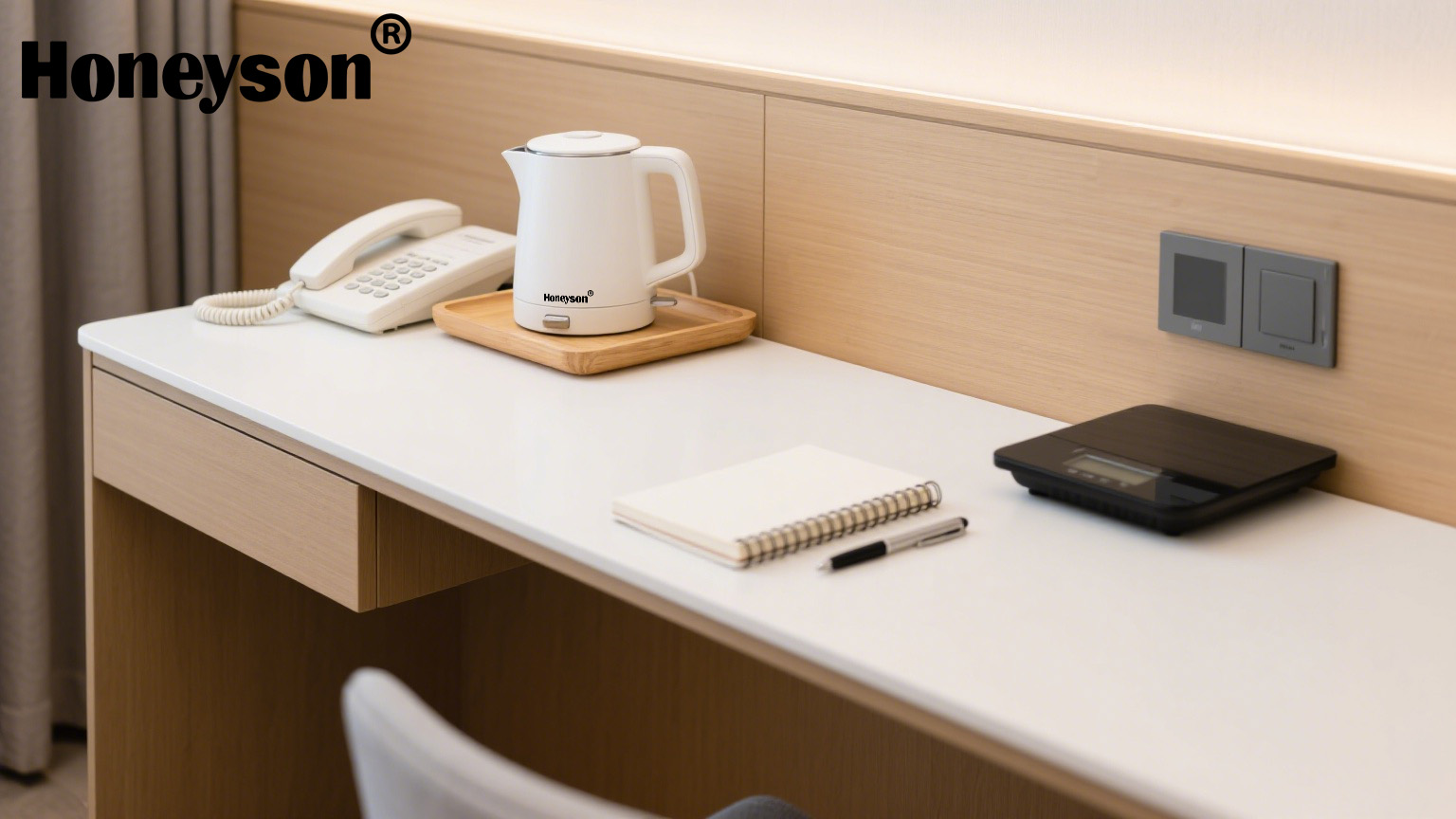
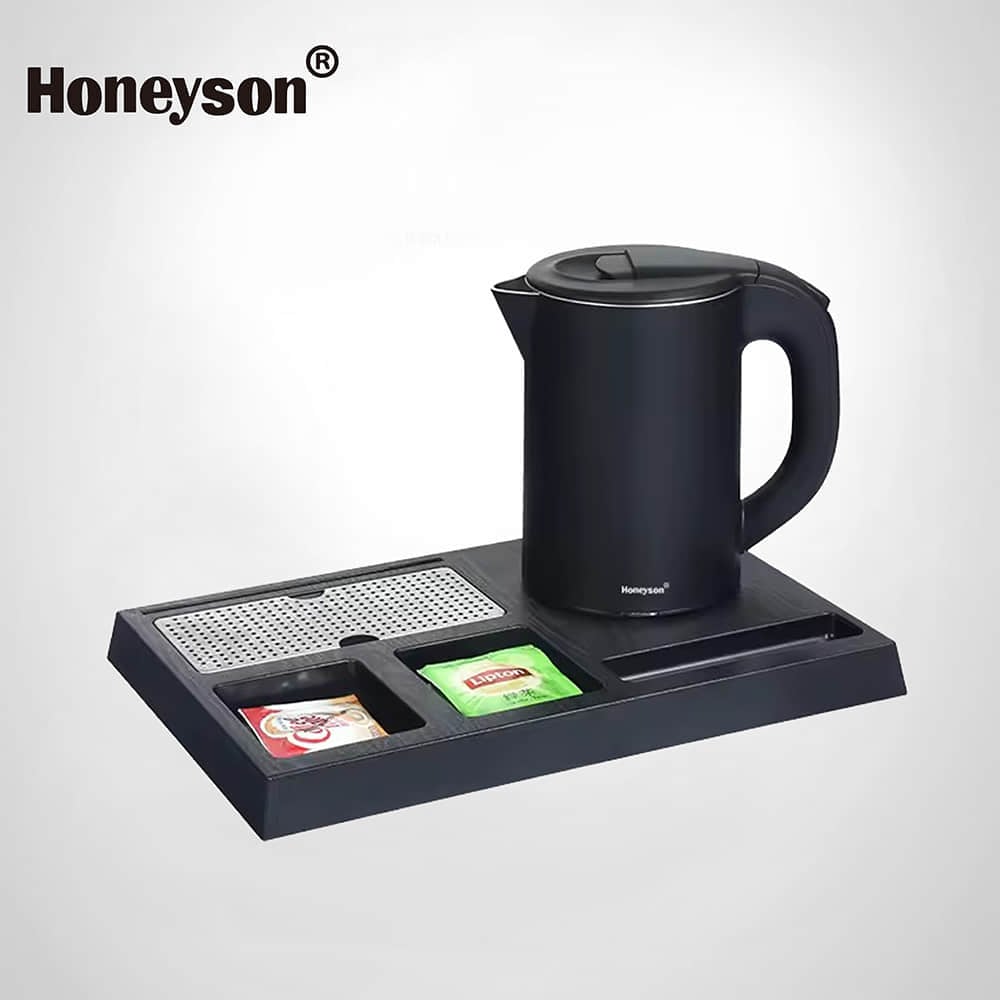
The in-room kettle set is one of the most frequently used and most frequently reviewed appliances in any guestroom. Guests preparing morning tea or an evening coffee expect an appliance that heats quickly, pours cleanly, and sits neatly within its tray. A well-designed kettle set with an ABS tray and stainless steel interior — such as those built to SS304 standards — reflects both quality and safety consciousness, which are qualities guests notice and appreciate.
A complete hotel solution treats in-room appliances as both functional and atmospheric elements. The kettle, the tray, the cups, and the accompanying tea and coffee sachets collectively communicate a message about your brand's attention to detail. When these elements are mismatched, worn, or low quality, guests interpret them as a signal of broader operational neglect. When they are cohesive and well-maintained, they reinforce a sense of care and professionalism.
Beyond the kettle, a comprehensive in-room beverage hotel solution should account for mini-refrigerator quality, coffee machine availability at relevant price tiers, and the selection of complimentary items offered. In 2026, guests increasingly expect the option to prepare their own hot beverages at any hour, making the in-room kettle not merely a courtesy item but a genuine service differentiator.
Bathroom Amenities and Hygiene as Brand Signals
Toiletries and Personal Care Product Strategy
The bathroom is where many guests form their strongest impression of a property's quality commitment. A hotel solution that underinvests in bathroom amenities will consistently lose ground in guest reviews, particularly as travelers become more sophisticated about ingredients, packaging, and sustainability. Shampoo, conditioner, body wash, and hand lotion must all meet a minimum quality threshold that aligns with your property's tier.
In 2026, single-use plastic packaging is increasingly being replaced by refillable dispensers or eco-conscious packaging formats. A forward-thinking hotel solution will have a clear toiletry strategy that balances guest experience, sustainability commitments, and cost efficiency. Properties that have shifted to wall-mounted dispenser systems report reduced per-stay amenity costs and improved sustainability scores without significant guest satisfaction trade-offs.
Consistency across rooms is again a critical factor. When some rooms have premium toiletry brands and others have generic alternatives, guests notice and interpret the inconsistency negatively. A unified bathroom amenity strategy is a sign of an operationally mature hotel solution — one where procurement decisions are made centrally and applied systematically.
Towels, Bathrobes, and Tactile Quality Standards
Towels are tactile brand ambassadors. A thick, absorbent, bright-white bath towel signals cleanliness and luxury even in a mid-scale property. Conversely, a thin, greying, pilling towel undermines guest confidence in everything else the property offers. A serious hotel solution treats towel procurement as a quality investment rather than a cost-cutting opportunity.
The GSM rating of a towel — grams per square meter — is a useful procurement benchmark. Properties aiming for a comfortable mid-scale experience typically source towels in the 500–600 GSM range, while premium properties often go higher. Including this specification in your hotel solution procurement standards ensures consistency across purchase cycles and prevents quality degradation over time.
For properties at the upper-midscale level and above, bathrobes are a non-negotiable component of the hotel solution. Even when not used by every guest, the presence of a clean, well-folded bathrobe communicates an elevated level of hospitality. Properties that have removed bathrobes from standard rooms in cost-cutting exercises often find themselves facing disproportionate negative feedback relative to the cost saved.
Operational Supplies That Enable Seamless Service Delivery
Housekeeping Supplies and Room Turnover Efficiency
The guest-facing experience is only sustainable if the back-of-house operations that support it are well-equipped. A complete hotel solution includes not just the amenities guests see and touch, but also the housekeeping supplies that enable efficient, consistent room turnovers. Microfiber cleaning cloths, color-coded cleaning systems, and standardized amenity replenishment kits are all operational components of a high-performing hotel solution.
When housekeeping teams are equipped with standardized supply carts, clearly labeled storage systems, and consistent product formats, room turnover speed improves and error rates decline. A hotel solution that invests in operational supply infrastructure creates compounding returns: faster turnovers mean higher occupancy potential, and lower error rates mean fewer guest complaints and maintenance calls.
Training materials and checklists should accompany every physical supply investment. A hotel solution is only as effective as the people executing it. When staff understand exactly which products go where, how they should be presented, and what standards they are being measured against, service consistency improves across shifts, seasonal changes, and staff turnover events.
Front-of-House Supplies and Guest Touchpoint Management
The guest journey begins well before they enter their room. Lobby amenities, check-in desk supplies, luggage handling equipment, and welcome materials are all part of the broader hotel solution that shapes first impressions. A lobby that feels well-stocked and well-organized communicates operational competence before a single word is spoken.
Welcome amenities — branded notepads, pens, in-room guides, and service directories — are relatively low-cost elements of a hotel solution that have a measurably positive impact on guest perception. When these items are present, well-designed, and up to date, they signal that the property is actively managed and attentive to detail. When they are absent, outdated, or printed on poor-quality paper, they create a subtle but persistent impression of neglect.
Digital check-in systems, key card holders, and concierge supplies are increasingly important components of the front-of-house hotel solution as well. In 2026, properties that integrate digital touchpoints with well-maintained physical materials create a hybrid experience that satisfies both tech-forward and traditional guests — a critical capability for any scalable hotel solution.
Building a Future-Ready Hotel Solution for 2026 and Beyond
Sustainability Integration in Supply Procurement
Sustainability is no longer a marketing differentiator — it is an operational expectation. A hotel solution built for 2026 must integrate environmental responsibility into its supply procurement strategy at every level. This includes sourcing amenities with reduced plastic packaging, selecting appliances with energy-efficient certifications, and choosing linens manufactured through responsible production processes.
Guests increasingly research the sustainability credentials of properties before booking, and many corporate travel programs now require minimum environmental standards from partner hotels. A hotel solution that can demonstrate a credible, documented sustainability commitment in its supply chain will enjoy preferential positioning in both direct and indirect distribution channels.
Sustainability also reduces long-term operating costs. Energy-efficient kettles and appliances lower electricity consumption. Durable, high-quality linens last longer and generate less textile waste. Refillable amenity dispensers reduce per-room supply costs over time. A hotel solution that pursues sustainability not just for marketing purposes but as an operational philosophy will find that profitability and responsibility reinforce each other.
Vendor Consolidation and Supply Chain Resilience
One of the most overlooked dimensions of a mature hotel solution is supply chain resilience. Properties that source from a fragmented, uncoordinated network of suppliers face significant exposure when any single supplier experiences delays, quality failures, or inventory shortages. Consolidating your hotel supplies procurement through fewer, more strategically selected vendors reduces this risk materially.
A resilient hotel solution supplier relationship is characterized by clear quality specifications, agreed lead times, volume commitments, and transparent communication channels. Properties that invest in building genuine supplier partnerships — rather than treating every procurement decision as a pure price negotiation — gain access to better service, priority inventory allocation during shortage periods, and collaborative problem-solving when issues arise.
For multi-property groups, vendor consolidation enables centralized procurement, which unlocks volume discounts, standardized product quality, and simplified logistics. A hotel solution built on a consolidated, resilient supply chain is fundamentally better positioned to scale than one dependent on a patchwork of one-off supplier relationships.
FAQ
What makes a hotel solution truly guest-centric rather than just operationally efficient?
A guest-centric hotel solution places the guest experience at the center of every procurement and operational decision. This means selecting supplies not just based on cost and durability, but based on how they will be perceived, used, and remembered by guests. Operational efficiency matters, but it should serve guest satisfaction rather than override it. The most effective hotel solution finds a balance where streamlined operations enable better, more consistent guest experiences — not fewer or lower-quality ones.
How often should a hotel solution's supply standards be reviewed and updated?
A hotel solution's supply standards should be formally reviewed at minimum once per year, with ongoing monitoring of guest feedback data, industry trend reports, and competitive benchmarking throughout the year. The 2026 hospitality landscape is evolving quickly, with guest expectations, sustainability standards, and technology integration all shifting meaningfully. Annual reviews ensure your hotel solution remains aligned with current market expectations and does not fall behind competitor properties in key comfort or service areas.
Is it worth investing in premium in-room appliances like quality kettle sets as part of a hotel solution?
Yes, investing in quality in-room appliances is one of the highest-return decisions within a hotel solution. Appliances like kettle sets are used frequently, noticed by guests, and often photographed or mentioned in reviews. A well-designed kettle set with a clean tray and stainless steel interior communicates attention to detail and care for the guest experience. The incremental cost over a basic alternative is modest, while the positive impact on guest perception and review quality is measurably significant. Premium appliances also tend to have longer service lives, reducing replacement frequency and total cost of ownership within the hotel solution.
How does a hotel solution address the challenge of maintaining quality across multiple properties?
Maintaining quality across multiple properties within a single hotel solution requires standardization, centralized procurement, and robust training systems. Multi-property groups that define clear product specifications for every category — from towel GSM ratings to appliance models to amenity brands — can apply those standards uniformly across their portfolio. Central procurement teams then source against those specifications in volume, ensuring consistency and cost efficiency. When combined with regular quality audits and guest feedback analysis, this approach allows a hotel solution to scale without quality dilution.
Table of Contents
- The Strategic Foundation of a Modern Hotel Solution
- In-Room Essentials That Define Guest Comfort
- Bathroom Amenities and Hygiene as Brand Signals
- Operational Supplies That Enable Seamless Service Delivery
- Building a Future-Ready Hotel Solution for 2026 and Beyond
-
FAQ
- What makes a hotel solution truly guest-centric rather than just operationally efficient?
- How often should a hotel solution's supply standards be reviewed and updated?
- Is it worth investing in premium in-room appliances like quality kettle sets as part of a hotel solution?
- How does a hotel solution address the challenge of maintaining quality across multiple properties?