
 EN
EN
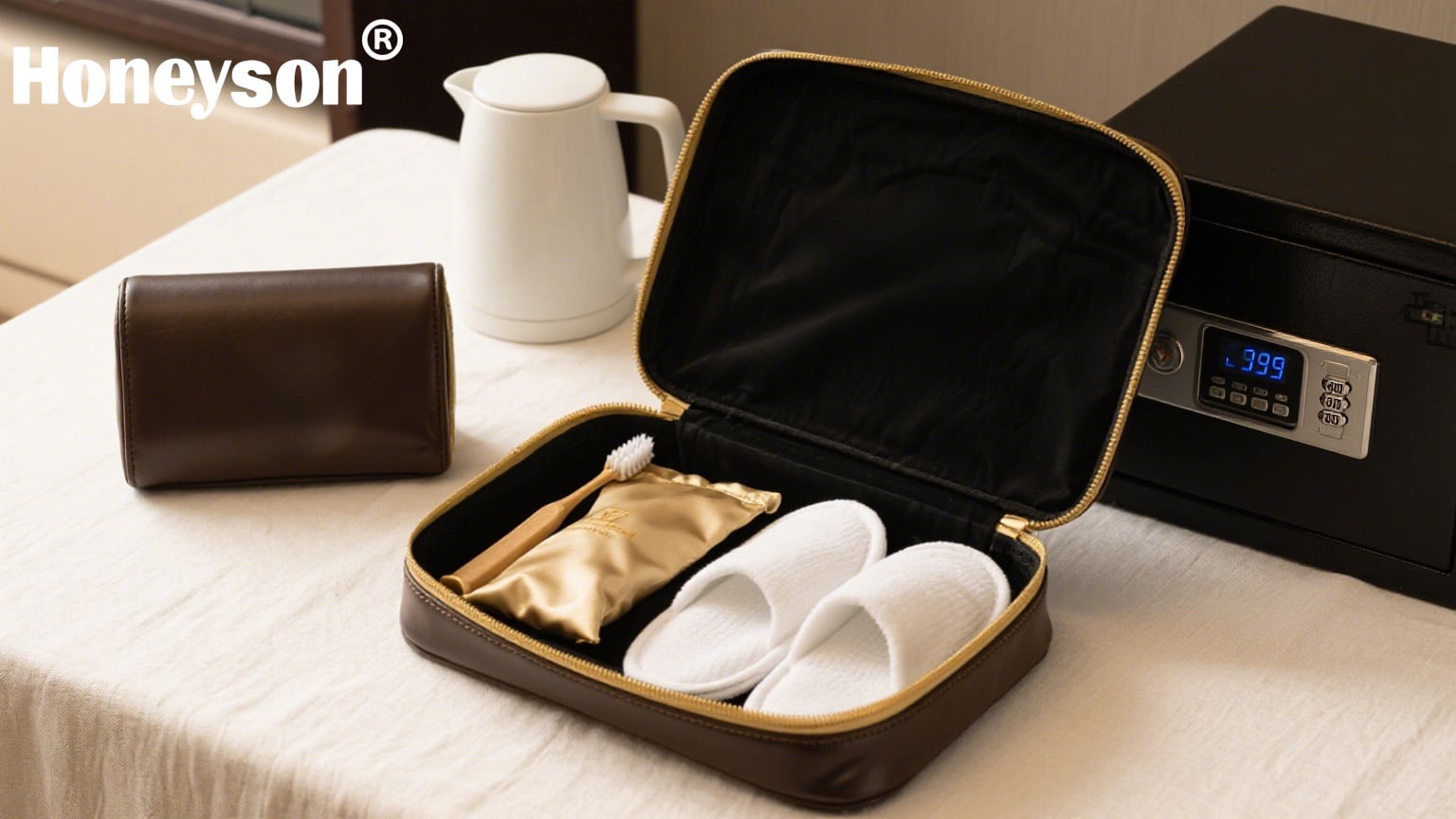
The hospitality industry is entering a new season of guest expectations, and the standards for hotel supplies have never been higher. As we move into 2026, hoteliers, procurement managers, and operations directors are taking a closer look at every touchpoint in the guest journey — from the moment a traveler steps into the lobby to the quiet comfort of an in-room coffee ritual. Spring is traditionally the time when properties undergo deep reviews of their amenity programs, and this year the push toward elevated in-room experiences is reshaping what it means to deliver a truly full-scope hotel solution.
In this context, understanding how premium hotel supplies — particularly in-room appliances like electric kettles and compact coffee machines — contribute to the overall guest satisfaction score is not just useful; it is strategically essential. A well-curated suite of hotel supplies signals quality, care, and brand consistency. Whether you manage a boutique property or a large-scale hotel chain, a spring refresh of your amenity program can deliver measurable improvements in guest reviews, repeat bookings, and operational efficiency. This guide explores exactly how to approach that refresh for 2026.
Understanding the Full-Scope Hotel Solution in the Modern Era
What Full-Scope Actually Means for Hotel Operations
A full-scope hotel solution is not simply about stocking each room with toiletries and a hairdryer. It is a structured, intentional program that covers every category of hotel supplies — from front-of-house presentation items and housekeeping essentials to sophisticated in-room technology and beverage appliances. The goal is to create a seamless, branded guest experience that operates without friction at every level of the property.
When procurement teams evaluate their hotel supplies portfolio, they look at product quality, supplier reliability, design consistency, and guest feedback data. In 2026, the definition of a full-scope solution has expanded to include wellness-aligned amenities, sustainable product options, and smart in-room appliances that guests increasingly expect as standard rather than luxury. This expansion reflects a fundamental shift in how travelers evaluate a property before, during, and after their stay.
Hoteliers who treat hotel supplies as a unified program — rather than a collection of isolated purchase decisions — gain significant advantages. Consistency across room categories, faster staff training on product use, and cleaner inventory management all flow from a thoughtful, full-scope approach. Spring is the ideal time to audit this program and identify gaps before the peak travel season accelerates.
The Role of In-Room Appliances in the Guest Experience
Among all categories of hotel supplies, in-room appliances occupy a uniquely powerful position. Guests interact with electric kettles and coffee machines daily — often within the first hour of arrival. These touchpoints shape the initial emotional impression of the room and, by extension, the entire property. A poorly functioning kettle or a low-quality coffee experience can color a guest's perception far beyond the beverage itself.
Premium in-room appliances communicate investment and care. When a guest sees a sleek, purpose-designed coffee machine on the desk, it signals that the hotel understands modern preferences and has made deliberate choices about quality. This perception is not trivial — it directly influences online review scores, word-of-mouth recommendations, and the likelihood of direct bookings in the future. Including high-performance appliances as a core part of your hotel supplies strategy is therefore a revenue-relevant decision, not just an operational one.
Hotels that have upgraded their in-room beverage stations consistently report higher guest satisfaction scores in the 'room comfort' and 'amenities' categories on major review platforms. The investment in better hotel supplies at this level pays dividends that far exceed the unit cost of the appliances themselves, particularly when the products are durable, easy to maintain, and visually aligned with the property's brand identity.
Electric Kettles as a Core Component of Hotel Amenity Programs
Why Electric Kettles Remain an In-Room Essential
Despite the growing sophistication of in-room coffee technology, the electric kettle remains a foundational element of quality hotel supplies. It serves a wide range of guest needs — from preparing instant beverages and herbal teas to simply providing quickly accessible hot water for personal care routines. Its universality across traveler demographics makes it one of the most reliably valued items in any in-room amenity set.
For hotel procurement teams refreshing their hotel supplies in 2026, the criteria for selecting an electric kettle have become more refined. Noise level during operation, boil speed, auto-shutoff reliability, descaling ease, and cord management design are all factors that affect both guest experience and housekeeping efficiency. A kettle that is difficult to clean or generates disruptive noise during early morning use creates both a guest complaint risk and a maintenance burden.
Design alignment is equally important. The visual language of your hotel supplies — including kettles — should feel intentional and cohesive. Matte finishes, neutral palettes, and compact profiles that fit naturally on in-room surfaces are preferred in contemporary hotel design. When the kettle looks like it belongs in the room rather than having been added as an afterthought, it reinforces the overall quality impression your property is working to establish.
Selecting the Right Kettle Specifications for Your Property
Not all electric kettles are suited for hotel use. Consumer-grade kettles often lack the durability required for daily, multi-year use across hundreds of room turnovers. For a sustainable hotel supplies program, procurement managers should prioritize hospitality-grade kettles with reinforced heating elements, food-safe interior materials, and minimum one-year commercial warranty coverage.
Capacity is another specification that needs to match the guest profile. Business hotels with higher solo-traveler occupancy may prefer 0.8L models that heat quickly and occupy less desk space. Resort properties with a family or leisure focus might lean toward 1.2L capacity to accommodate multiple guests. Matching kettle specifications to guest demographics is a nuanced but impactful aspect of thoughtful hotel supplies curation.
Temperature control features, once considered premium, are now increasingly available at competitive price points and are worth considering for properties that position themselves in the upper-midscale or upscale segments. Guests who travel with specialty teas or who are particular about their coffee brewing prefer the precision that variable temperature kettles provide. Offering this level of detail in your hotel supplies reflects an understanding of contemporary traveler sophistication.
Coffee Machines and the In-Room Beverage Revolution
The Rise of Capsule Coffee Technology in Hospitality
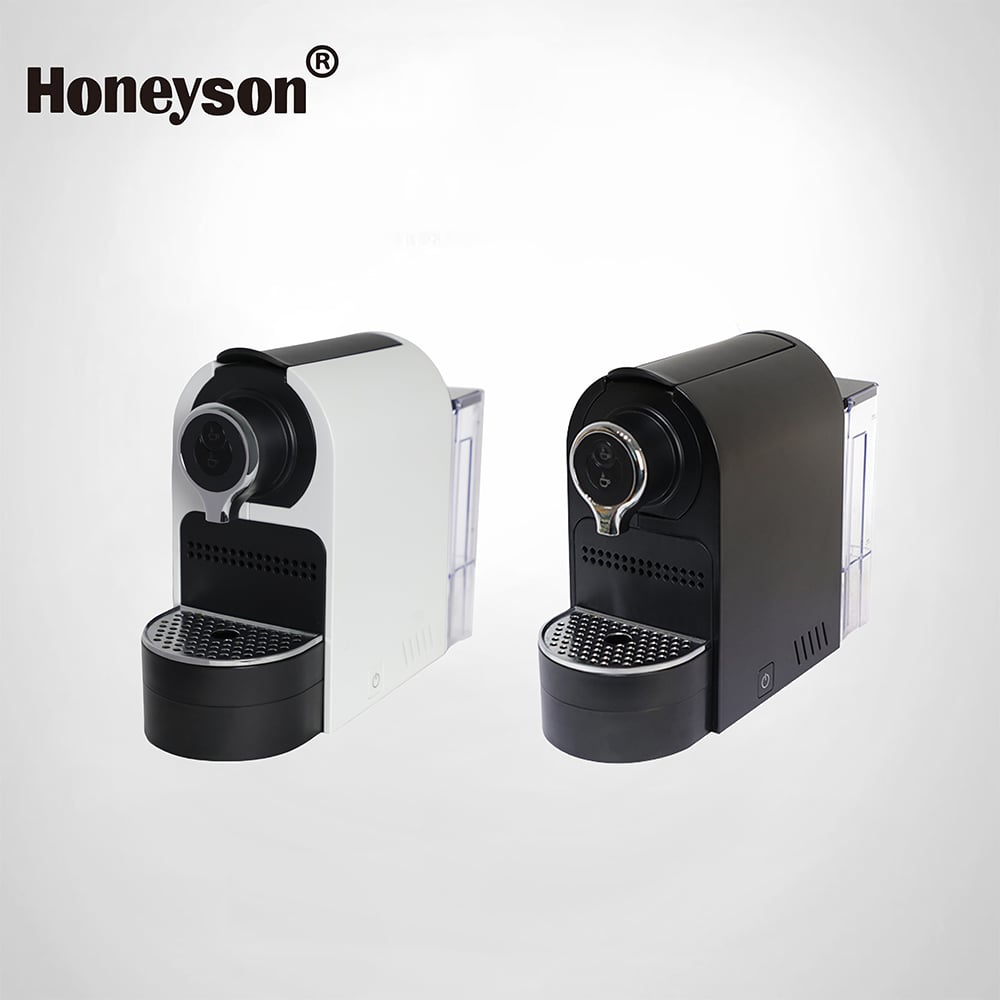
The in-room coffee experience has undergone a remarkable transformation over the past several years, and capsule coffee machines are at the center of this shift. For hotel properties updating their hotel supplies portfolio in 2026, compact capsule coffee machines represent the most practical bridge between premium coffee quality and the operational demands of high-volume hospitality environments.
Capsule systems offer a consistent, controlled brewing result that does not depend on staff expertise or guest familiarity with complex equipment. The pre-portioned nature of capsule coffee also simplifies inventory management and reduces waste — two priorities that resonate strongly with operations teams overseeing large-scale hotel supplies programs. Guests consistently rate capsule coffee machines among the highest-valued in-room amenities when they are present, particularly in the business and upper-midscale segments.
The compact format of modern capsule machines makes them ideal for in-room deployment. They require minimal counter space, produce minimal noise, and can be deployed and maintained without specialized technical knowledge. For procurement managers building a comprehensive hotel supplies strategy, these practical advantages make capsule machines a highly compelling choice for the 2026 spring refresh cycle.
Choosing a Compact Capsule Coffee Machine for Hotel Deployment
When evaluating a hotel supplies solution centered on in-room coffee, the compact capsule coffee machine category deserves careful specification review. Key criteria include brewing pressure (measured in bars), water reservoir capacity, preheat time, drip tray removability for cleaning, and design aesthetics that complement modern room interiors. Machines designed specifically for hotel use — rather than adapted from consumer models — typically offer superior build quality and longer service intervals.
Operational simplicity is non-negotiable in a hotel context. The machine must be intuitive enough for any guest to operate without instruction, yet reliable enough to perform without incident across thousands of brew cycles per room per year. Heating element quality, pump consistency, and water path materials all determine long-term performance and are worth verifying through specification sheets and supplier certifications before finalizing your hotel supplies procurement decision.
Color and finish options also matter more than many procurement managers initially assume. A coffee machine offered in both black and white finishes — or in neutral tones — gives hotel designers and FF&E teams the flexibility to align the appliance with room color schemes and furniture palettes. This level of aesthetic consideration is increasingly expected from premium hotel supplies suppliers and reflects a mature understanding of hospitality design.
Building a Coherent Hotel Amenity Strategy for 2026
Aligning Amenity Choices with Your Brand Positioning
A successful hotel supplies program is not built one product at a time — it is designed from the top down, starting with the property's brand positioning and guest promise. Before selecting any individual item, operations directors and general managers should articulate what the in-room experience is meant to communicate. Is it 'effortless efficiency' for business travelers? 'Relaxed indulgence' for leisure guests? The answer should guide every procurement decision.
Once the brand framework is clear, hotel supplies selections become easier to evaluate. Products that reinforce the desired experience are prioritized; those that contradict it — even if inexpensive — are eliminated. This kind of disciplined, brand-aligned curation is what separates properties with strong, consistent reputations from those that struggle with mixed guest feedback despite genuine investment in amenities.
Brand alignment extends to the unboxing and discovery moment as well. The way hotel supplies are presented in the room — how items are arranged, whether they include quality instruction cards, and how they are packaged for housekeeping resets — all contribute to the overall impression. Properties that pay attention to these staging details consistently outperform those that treat amenity placement as a purely logistical task.
Procurement, Durability, and Total Cost of Ownership
One of the most common mistakes in managing a hotel supplies program is optimizing for unit purchase price rather than total cost of ownership. A lower-cost kettle or coffee machine that requires frequent replacement or generates high maintenance call volumes will ultimately cost more than a premium alternative with a three-to-five year lifespan and low failure rates. Durability analysis should be a standard component of every major hotel supplies procurement decision.
Request detailed warranty terms, mean time between failures data, and replacement part availability before finalizing supplier agreements. The best hotel supplies partners provide clear documentation on product lifespan expectations and offer hospitality-specific service agreements that include priority replacement and volume pricing for large deployments. These terms protect your investment and simplify operational planning across multi-property portfolios.
Sustainability credentials are also increasingly factored into total cost of ownership calculations. Energy efficiency ratings, recyclable packaging, and responsible sourcing documentation all affect both cost over time and the property's ability to meet ESG commitments. As guests and investors alike pay closer attention to sustainability performance, integrating these criteria into your hotel supplies selection process positions your property advantageously for the evolving expectations of 2026 and beyond.
FAQ
What categories of hotel supplies should be prioritized in a spring refresh?
A spring refresh of hotel supplies should prioritize any category where guest feedback scores have declined or where current products show signs of aesthetic or functional aging. In-room appliances — particularly electric kettles and coffee machines — are high-visibility items that significantly influence guest satisfaction scores. Toiletry programs, linen quality, and in-room technology (such as charging solutions) are also commonly addressed during spring refresh cycles to ensure alignment with current guest expectations.
How do compact capsule coffee machines improve the guest experience compared to drip coffee alternatives?
Compact capsule coffee machines deliver a consistent, barista-quality result that drip alternatives cannot reliably match in a hotel room environment. The capsule format eliminates variables such as incorrect coffee-to-water ratios, stale pre-ground coffee, or machine scaling from inconsistent maintenance. For guests who value coffee quality, the presence of a capsule machine as part of the room's hotel supplies offering signals a meaningful step up in comfort and care. It also reduces housekeeping complexity, since capsule systems are simpler to clean and reset between stays.
How often should a hotel review and update its hotel supplies program?
Most hospitality operations professionals recommend a formal review of hotel supplies at least twice per year — typically in spring and autumn — with ongoing monitoring of guest feedback between formal review cycles. Product categories with high daily use, such as in-room appliances, should be evaluated on a two-to-three year replacement cycle unless quality issues arise sooner. Market reviews to assess new product innovations and supplier performance should be conducted annually to ensure the property's amenity program remains competitive.
What should hotel procurement managers look for when sourcing hotel supplies from new suppliers?
When sourcing hotel supplies from new suppliers, procurement managers should request product samples for in-room testing, review independent quality certifications, confirm warranty and after-sales service terms, and assess the supplier's experience in hospitality-specific deployments. Reliability of supply chain, minimum order quantities, lead times, and responsiveness to customization requests (such as color or branding options) are also critical evaluation criteria. A supplier that understands the operational demands of hotel environments — high use frequency, housekeeping compatibility, and guest-facing design standards — will consistently deliver better outcomes than one adapting consumer products to a commercial context.
Table of Contents
- Understanding the Full-Scope Hotel Solution in the Modern Era
- Electric Kettles as a Core Component of Hotel Amenity Programs
- Coffee Machines and the In-Room Beverage Revolution
- Building a Coherent Hotel Amenity Strategy for 2026
-
FAQ
- What categories of hotel supplies should be prioritized in a spring refresh?
- How do compact capsule coffee machines improve the guest experience compared to drip coffee alternatives?
- How often should a hotel review and update its hotel supplies program?
- What should hotel procurement managers look for when sourcing hotel supplies from new suppliers?