
 EN
EN
The hospitality industry is undergoing a quiet but significant transformation. As guests become more environmentally conscious and operational costs demand smarter management, the concept of a unified, sustainable hotel solution has moved from a nice-to-have into a strategic necessity. Procurement teams, interior designers, and hotel operators are now asking the same question: can we source everything we need from a single, cohesive, eco-aligned supply chain? The answer, increasingly, is yes.
A well-integrated hotel solution does far more than simplify purchasing logistics. It creates a visual and functional coherence across guest-facing spaces while simultaneously reducing environmental impact at every product touchpoint. From bathroom amenities to in-room technology, a one-stop sourcing approach means each element shares design philosophy, material standards, and sustainability credentials. This article explores how modern hotels can build rooms that are both aesthetically cohesive and genuinely eco-friendly through intentional, consolidated sourcing strategies.
The Business Case for One-Stop Sustainable Sourcing
Why Fragmented Procurement Undermines Sustainability Goals
Many hotels still rely on dozens of separate vendors for room furnishings, technology, toiletries, and fixtures. While this approach may seem flexible, it creates significant hidden costs. Each vendor relationship carries its own logistics footprint, packaging waste, and compliance documentation burden. When sustainability goals are set at the brand level but purchasing is done piecemeal, alignment becomes nearly impossible to enforce or verify.
A fragmented supply chain also makes it harder to present guests with a coherent in-room experience. Mismatched finishes, inconsistent material quality, and varying product lifespans all contribute to a perception of lower brand value. More critically, each separate procurement channel multiplies the carbon associated with shipping, warehousing, and last-mile delivery. A consolidated hotel solution directly addresses each of these inefficiencies at the source.
Hospitality procurement professionals who have shifted to integrated sourcing consistently report reductions in vendor management time, more predictable product lifecycles, and stronger leverage when negotiating for sustainable alternatives. The business case is not abstract — it shows up in reduced operational friction and measurable environmental metrics.
How Consolidation Supports Long-Term Brand Consistency
Brand consistency in a hotel context means that a guest in room 204 experiences the same quality, aesthetic, and values as a guest in room 512. This is difficult to achieve when products come from uncoordinated sources. A cohesive hotel solution — one where all elements are sourced through a single platform or supplier ecosystem — makes this consistency structurally built-in rather than manually managed.
When a hotel chooses an integrated supplier for everything from in-room scales to lighting fixtures, there is a shared design language across all products. Materials complement each other. Color temperatures feel unified. The environmental story told by the brand holds up under scrutiny because every product in the room belongs to the same standards framework. This is the foundational logic behind one-stop sourcing as a hotel solution for modern hospitality.
Sustainability as a Design Principle, Not Just a Label
Embedding Eco-Friendliness into Product Selection
True sustainability in hotel room design is not achieved by swapping one plastic item for a recycled version. It requires a systems-level approach where every product category is evaluated on material origin, energy usage, durability, and end-of-life recyclability. A hotel solution built on these principles means that sustainability is embedded at the selection stage rather than retrofitted later.
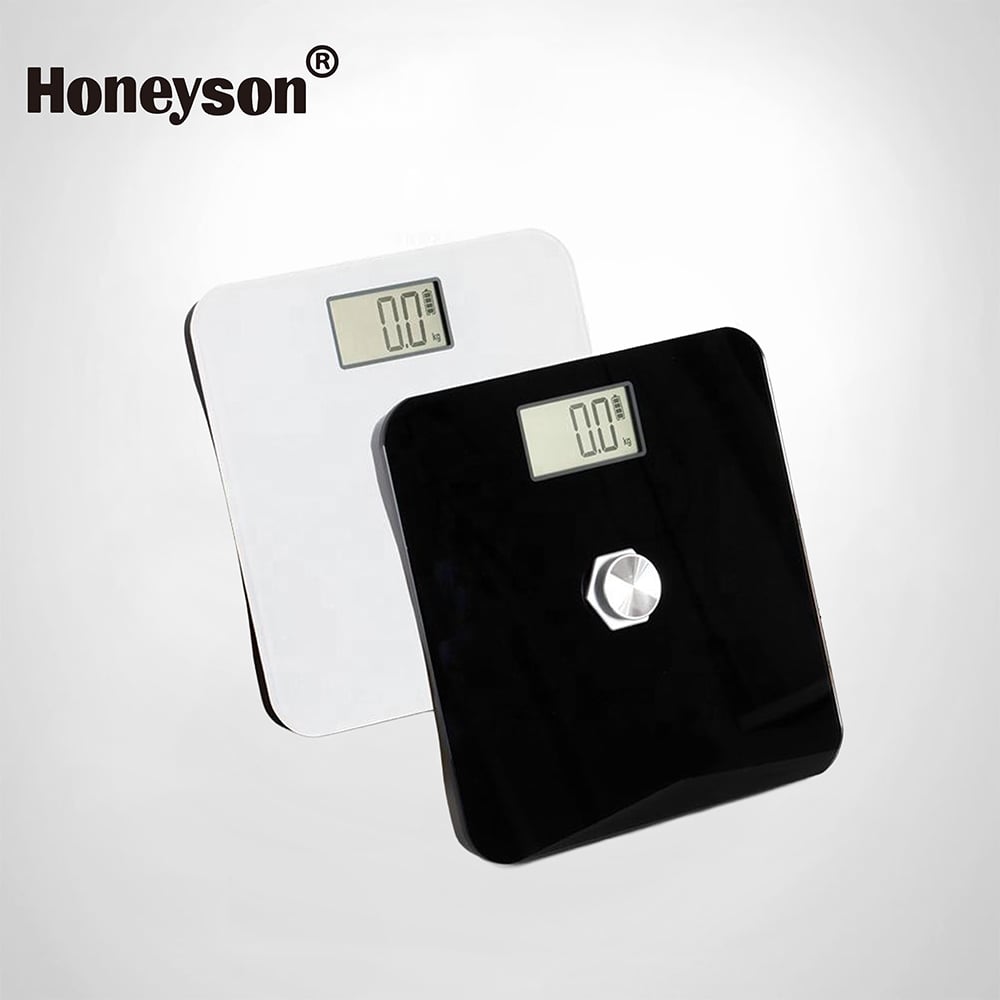
Consider in-room devices as a clear example. A battery-free bathroom scale, such as those powered by a guest's own weight through piezoelectric or kinetic mechanisms, eliminates the recurring waste of disposable batteries entirely. Over the lifespan of a hotel property, this single product swap across hundreds of rooms removes thousands of batteries from the waste stream. When multiplied across all product categories in a room, the cumulative environmental benefit of a well-curated hotel solution becomes substantial.
Sustainable product selection also means prioritizing durability. Products built to last five or ten years in high-use hotel environments generate far less replacement waste than cheaper alternatives. One-stop sourcing platforms that specialize in hospitality understand these lifecycle dynamics and build them into their product offering — making it easier for procurement teams to choose well without extensive independent research.
Material Standards and Certifications That Matter
Not all eco-friendly claims are equal. A credible hotel solution provider should be able to support product selections with verifiable material certifications, whether that involves low-VOC finishes, FSC-certified wood components, or compliance with international standards for electronic waste reduction. These certifications transform sustainability from a marketing claim into a verifiable commitment.
Procurement teams benefit enormously from sourcing through a platform that has already done this verification work. Rather than independently assessing each product from each vendor, a consolidated hotel solution partner presents a pre-vetted portfolio where sustainable credentials are built into the catalog. This significantly reduces the due diligence burden while increasing confidence in the hotel's overall environmental positioning.
Hotels pursuing green building certifications such as LEED or regional equivalents also find that consolidated, certified sourcing streamlines the documentation process. A unified hotel solution with traceable product data makes credit submissions more straightforward and audit-ready.
What a Cohesive Hotel Room Solution Actually Looks Like
Functional Product Categories in a One-Stop Framework
A complete hotel solution for a modern guest room typically spans several product categories: in-room technology such as clocks, scales, and charging stations; bathroom amenities including dispensers and accessories; soft furnishings; lighting systems; and guest convenience items. The key to cohesion is that each of these categories is selected with a shared design brief and sustainability standard in mind.
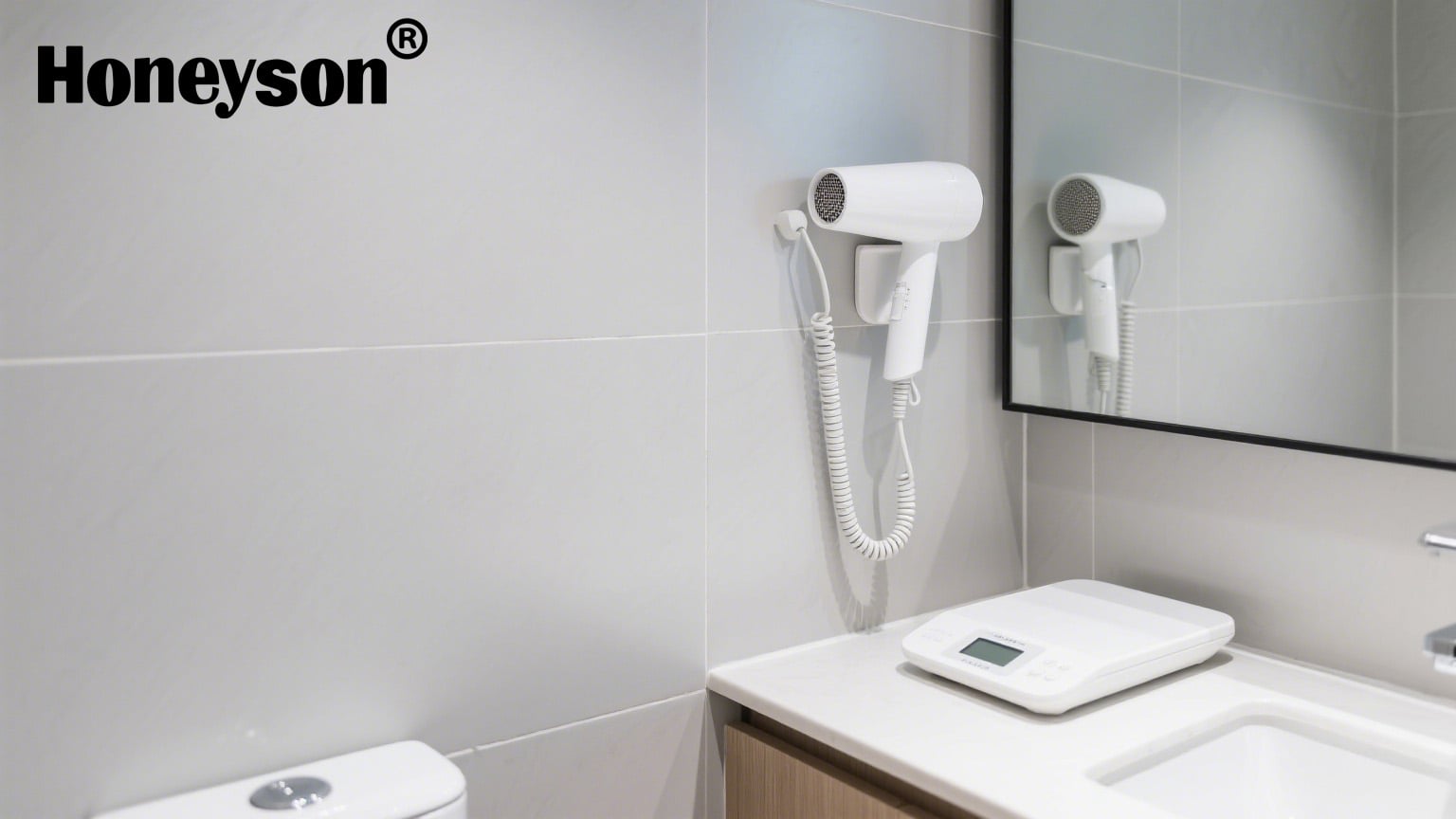
In the bathroom, for example, a battery-free digital scale aligns perfectly with a broader zero-waste room concept. Paired with refillable dispensers, LED lighting fixtures with extended lifespans, and towels made from organic or recycled fiber, the bathroom becomes a microcosm of the hotel's overall environmental commitment. When all of these elements are sourced through the same hotel solution platform, they are more likely to share aesthetic coherence in terms of finish, tone, and material quality.
The same principle applies to the main room. A hotel solution that includes coordinated charging furniture, smart power strips with auto-shutoff, and responsibly sourced décor elements creates a room that communicates a consistent value system — one that guests notice and increasingly expect.
Technology Integration in Sustainable Hotel Rooms
Modern guests expect technology to be seamlessly integrated into the hotel room experience without being obtrusive or wasteful. A thoughtful hotel solution addresses this by selecting low-energy devices that perform well without requiring constant battery replacement or high standby power consumption. This is particularly relevant for devices like digital scales, clocks, and wireless charging pads, which are always present in the room.
Battery-free in-room devices represent one of the most practical advances in sustainable hotel technology. By eliminating disposable batteries from the equation entirely, hotels reduce both ongoing operational costs and hazardous waste generation. These devices typically rely on energy harvesting principles — using the energy of interaction itself to power the device — making them a genuinely self-sustaining hotel solution component.
When a hotel selects a technology partner that offers a full range of battery-free or low-energy devices, the benefits compound. Maintenance staff spend less time on battery replacements. Housekeeping workflows are simplified. And the hotel can truthfully communicate to guests that no disposable batteries are used anywhere in the room — a detail that resonates strongly with eco-conscious travelers.
Operational and Guest Experience Benefits of Integrated Sourcing
Simplifying Property Management Through Standardization
One of the most tangible operational benefits of adopting a unified hotel solution is the dramatic simplification of property management. When all rooms are equipped with products from a single, coordinated sourcing platform, maintenance becomes predictable. Replacement parts are compatible. Staff training covers a single product ecosystem rather than dozens of different interfaces and systems.
Standardization also improves inventory management. Rather than maintaining separate stock of batteries, replacement parts, and spare units for dozens of different product brands, a property manager working with a consolidated hotel solution can maintain a leaner, more organized inventory. This reduces storage costs and minimizes waste from expired or obsolete stock.
For hotel groups managing multiple properties, this effect is even more significant. A consistent hotel solution across all locations means that purchasing decisions scale efficiently, staff can transfer between properties without relearning room systems, and brand standards are enforceable through product specification rather than manual oversight.
How Guests Perceive and Respond to Eco-Coherent Rooms
Guests may not consciously catalog every product in their hotel room, but they do form an overall impression based on the coherence and quality of what they encounter. A room where every element reflects deliberate design and sustainable intent communicates premium value, even without explicit labeling. This perception is the result of a well-executed hotel solution strategy.
Research consistently shows that eco-conscious guests are willing to pay more for accommodations they perceive as genuinely sustainable. More importantly, they are more likely to return and to recommend the property to others. A cohesive, sustainable hotel solution is therefore not only an environmental choice but a guest loyalty and revenue strategy.
When guests encounter details like battery-free bathroom scales, refillable amenity dispensers, and responsibly sourced room materials, they feel seen as environmentally aware consumers. These touchpoints reinforce the hotel's brand promise in a way that no single marketing message can match. The room itself becomes the communication medium.
FAQ
What makes a hotel solution 'one-stop' in the context of sustainable sourcing?
A one-stop hotel solution refers to a procurement approach where all or most guest room product categories — from in-room technology to bathroom fixtures and soft furnishings — are sourced through a single supplier ecosystem or platform. This consolidation ensures design coherence, aligned sustainability standards, and simplified vendor management. For eco-focused properties, it also means every product in the portfolio has been vetted against the same environmental criteria, reducing the risk of misaligned claims.
How do battery-free devices contribute to a sustainable hotel solution?
Battery-free devices eliminate the need for disposable batteries, which are a significant source of hazardous waste in hospitality settings. Products like kinetic or piezoelectric-powered bathroom scales use the energy generated by guest interaction to operate, meaning no battery is ever installed or discarded. Over the lifecycle of a property, this removes thousands of batteries from the waste stream per property, while also reducing maintenance workload. This makes battery-free technology a high-impact component of any credible hotel solution focused on sustainability.
Can small or independent hotels benefit from a one-stop hotel solution approach?
Absolutely. While large hotel groups often drive the adoption of consolidated sourcing, independent properties benefit even more proportionally. Smaller teams have less capacity to manage multiple vendor relationships, making the efficiency gains from a unified hotel solution especially valuable. Independent hotels also rely heavily on reputation and guest reviews, where consistent room quality and visible sustainability practices carry significant weight. A thoughtfully curated, all-in-one hotel solution allows smaller properties to compete on quality and values without requiring large procurement departments.
How does a cohesive hotel solution affect long-term renovation and refurbishment planning?
When all room components come from a single hotel solution platform, refurbishment planning becomes significantly more structured. Product lifecycles are documented and predictable, meaning properties can plan phased upgrades rather than reactive replacements. Aesthetic updates are easier to execute because new products from the same platform maintain design continuity with existing elements. This reduces the cost and disruption of renovation cycles while ensuring that sustainability standards are maintained or improved with each update cycle.
Table of Contents
- The Business Case for One-Stop Sustainable Sourcing
- Sustainability as a Design Principle, Not Just a Label
- What a Cohesive Hotel Room Solution Actually Looks Like
- Operational and Guest Experience Benefits of Integrated Sourcing
-
FAQ
- What makes a hotel solution 'one-stop' in the context of sustainable sourcing?
- How do battery-free devices contribute to a sustainable hotel solution?
- Can small or independent hotels benefit from a one-stop hotel solution approach?
- How does a cohesive hotel solution affect long-term renovation and refurbishment planning?