
 EN
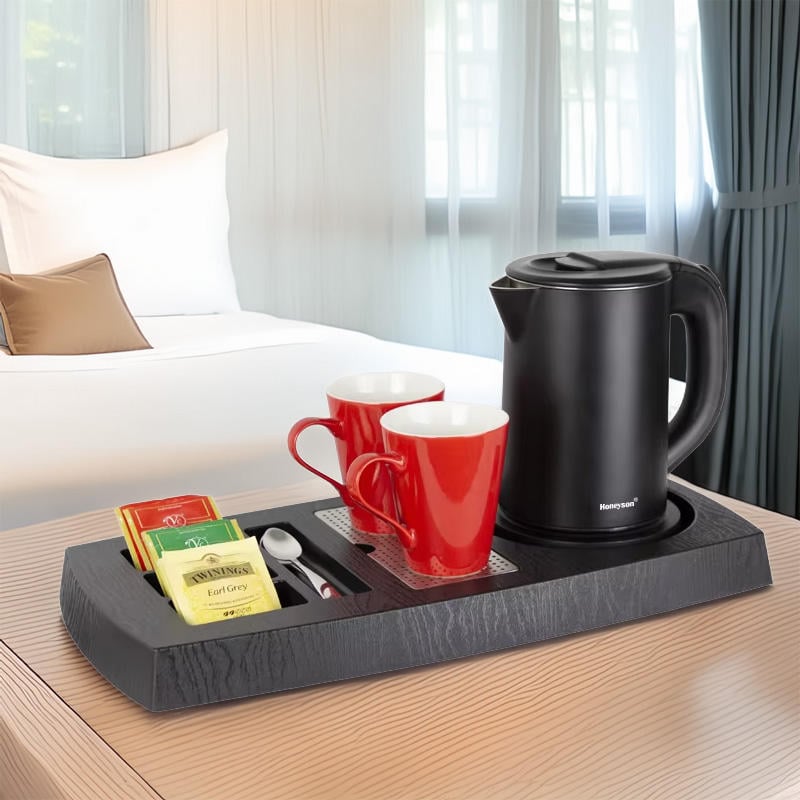
Exporting an electric kettle to international markets requires careful attention to voltage standards, plug configurations, and regulatory compliance. Whether you are manufacturing hotel electric kettle units or consumer-grade models, understanding these critical requirements ensures your products meet safety codes and function properly across different regions. This comprehensive guide explores the voltage and plug requirements that directly impact the success of your electric kettle export operations.
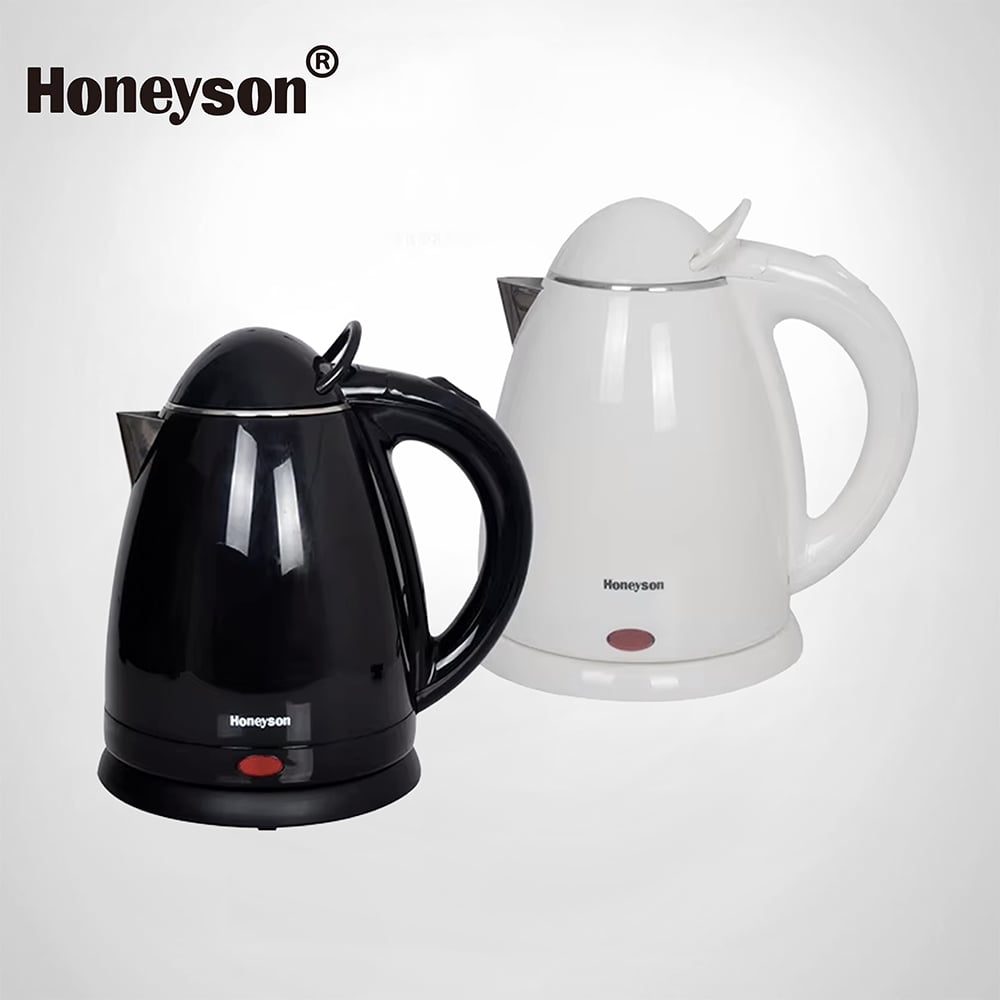
The global market for electric kettles spans multiple electrical infrastructure standards, making it essential to design products that accommodate regional differences. An OEM electric kettle manufacturer must recognize that voltage compatibility, plug type certification, and safety feature integration—such as an auto shut-off kettle mechanism—form the foundation of export readiness. This article provides practical insights into navigating these complexities while maintaining product quality and regulatory compliance across diverse markets.
Global Voltage Standards and Electrical System Variations
Primary Voltage Classifications Worldwide
The world operates primarily on two standard voltage systems: 110-120V and 220-240V. North America, Central America, and parts of South America use 110-120V at 60 Hz frequency, while Europe, Asia, Africa, and most other regions use 220-240V at 50 Hz frequency. When manufacturing an electric kettle for export, your OEM electric kettle production team must decide whether to create dual-voltage models or region-specific variants. Dual-voltage electric kettle designs offer greater market flexibility but require more sophisticated internal components and higher manufacturing costs.
Frequency Differences and Motor Design Implications
The frequency difference between 50 Hz and 60 Hz affects heating element performance and heating speed in an electric kettle. A heating element designed for 60 Hz operates slightly differently at 50 Hz, which can impact water heating efficiency and total energy consumption. For hotel electric kettle applications, where guests expect rapid boiling times, frequency compatibility becomes critical to user satisfaction. OEM electric kettle designers must account for these differences during product development to ensure consistent performance across export markets. An auto shut-off kettle system must also respond appropriately to frequency variations to maintain safety margins.
Plug Types, Certification Standards, and Market-Specific Requirements
Major Plug Type Categories for Electric Kettle Exports
Fifteen different plug types exist globally, designated as Type A through Type O. The most common configurations for electric kettle distribution include Type A (North America), Type C and E (Europe), Type G (United Kingdom and former colonies), Type I (Australia and New Zealand), and Type A and I combined (often found in Asian markets). Each type differs in pin configuration, grounding arrangements, and safety features. A hotel electric kettle intended for international resort chains may require interchangeable plug attachments or a design that accommodates multiple regional standards. OEM electric kettle manufacturers often produce models with detachable power cords to simplify logistics and reduce inventory complexity.
Safety Certification and Compliance Pathways
Export markets demand that your electric kettle meets regional safety certifications before distribution. In North America, UL (Underwriters Laboratories) and CSA (Canadian Standards Association) marks are mandatory. Europe requires CE certification, which involves compliance with the Low Voltage Directive and EMC Directive. The UK, following Brexit, now requires UKCA marking for certain appliances. An OEM electric kettle supplier must understand that different regions enforce different testing protocols for auto shut-off kettle mechanisms, thermal protection, and insulation integrity. Testing facilities typically validate that an electric kettle maintains safe operation under fault conditions and meets leakage current limits specific to each market. Some manufacturers maintain separate product lines for different regions to streamline certification and reduce time-to-market.
Design Considerations for Multi-Market Electric Kettle Distribution
Voltage Selection Strategy and Component Architecture
Choosing between single-voltage and dual-voltage electric kettle designs directly influences manufacturing complexity and market reach. Single-voltage models reduce component cost and simplify supply chain management but limit sales to specific regions. Dual-voltage electric kettle units incorporate sophisticated switching circuitry and higher-grade heating elements, increasing production expense but enabling broader market penetration. A hotel electric kettle deployed across international properties benefits significantly from dual-voltage capability, eliminating the need for separate models per region. OEM electric kettle manufacturers frequently invest in dual-voltage capability for premium product lines while maintaining single-voltage options for cost-sensitive segments. Auto shut-off kettle features must function reliably regardless of voltage setting to maintain safety consistency.
Heating Element, Thermostat, and Auto Shut-Off Integration
The heating element in an electric kettle undergoes different stress levels depending on voltage and frequency. Higher voltage systems deliver more power to the heating element, reducing boiling time but increasing thermal stress on internal components. An auto shut-off kettle mechanism must detect temperature thresholds accurately across all supported voltage configurations to prevent overheating and ensure user safety. The thermostat component in a hotel electric kettle must respond consistently whether operating at 110V, 50 Hz or 220V, 60 Hz. OEM electric kettle designers employ redundant temperature sensing and safety margins to accommodate these variations. Selecting heating elements and thermostats rated for the widest applicable temperature and electrical ranges simplifies manufacturing and reduces warranty claims in export markets.
Practical Export Compliance and Documentation Requirements
Technical Documentation and Certification Dossiers
Successful electric kettle exports require comprehensive technical documentation demonstrating compliance with target market standards. This documentation includes circuit diagrams, material composition reports, thermal analysis data, and electrical safety test certificates. When exporting a hotel electric kettle to multiple countries, your OEM electric kettle team must prepare region-specific technical files that reference the appropriate certification body and voltage specifications. An auto shut-off kettle's technical documentation must include detailed information about the shut-off mechanism's response time, temperature accuracy, and reliability data. Importers and distributors frequently request this documentation before finalizing purchase agreements. Maintaining organized, accurate records accelerates the export approval process and reduces delays.
Labeling, Voltage Marking, and User Safety Information
Regulatory bodies mandate that an electric kettle display voltage and frequency information clearly on the product body and packaging. A hotel electric kettle intended for international hospitality use must include multilingual safety warnings and operating instructions. The label must specify whether the electric kettle is single-voltage or dual-voltage, and if dual-voltage, clearly indicate the switching mechanism location. Auto shut-off kettle units require explicit safety labeling explaining the automatic shut-off function and its importance. OEM electric kettle manufacturers must work with local translation services and labeling specialists to ensure compliance with regional labeling standards. Incorrect or incomplete labeling can result in market rejection, regulatory fines, or product recalls, making this detail critical to export success.
FAQ
What voltage should an electric kettle export product support for maximum market reach?
A dual-voltage electric kettle supporting both 110-120V and 220-240V reaches the broadest market, particularly for hotel electric kettle applications across international properties. However, an OEM electric kettle manufacturer may choose single-voltage models for specific regional markets to reduce production complexity and cost. The decision depends on target markets, production volume, and competitive positioning. An auto shut-off kettle function must operate reliably at both voltage levels to maintain safety consistency.
Do all countries require the same plug types for electric kettle distribution?
No, different regions mandate different plug types for safety and infrastructure reasons. Europe uses Type C and E, the UK uses Type G, North America uses Type A, and Australia uses Type I. A hotel electric kettle distributed internationally may include interchangeable plug attachments or offer region-specific variants. OEM electric kettle suppliers often produce detachable power cords to accommodate multiple standards efficiently. An auto shut-off kettle mechanism remains consistent across plug types since it operates on internal temperature sensing rather than external electrical configuration.
What certifications must an electric kettle achieve before exporting?
Export certifications depend on the target market: North America requires UL or CSA marks, Europe requires CE certification, and the UK requires UKCA marking. Each certification involves testing for electrical safety, thermal performance, and mechanical durability specific to regional standards. A hotel electric kettle may require multiple certifications if sold across different regions. An OEM electric kettle manufacturer should plan for certification testing early in product development to avoid export delays. An auto shut-off kettle must demonstrate reliable shut-off function under all tested voltage and temperature conditions to pass safety certification.
