
 EN
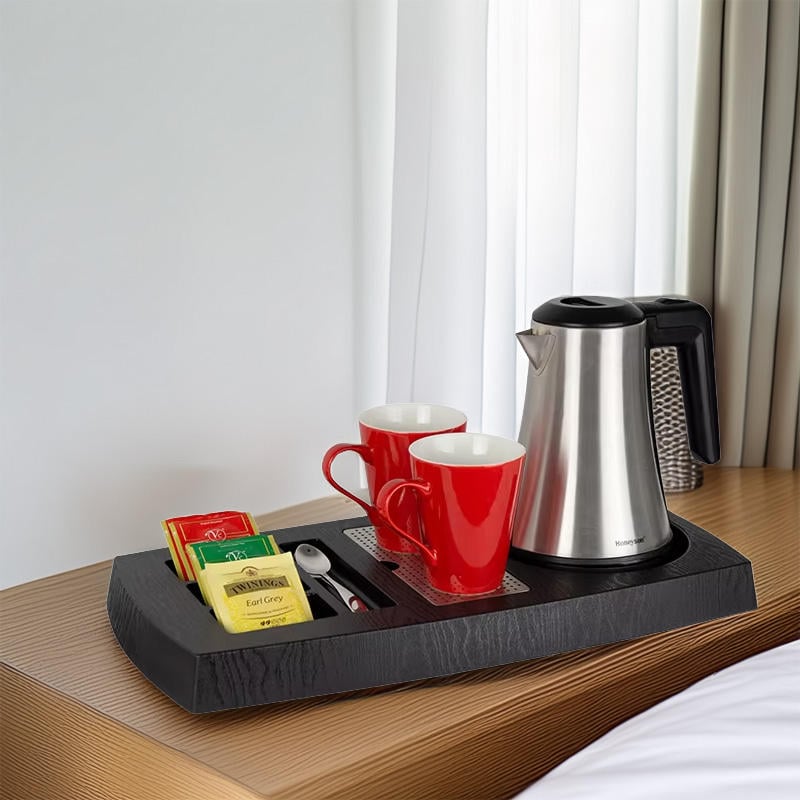
In the hospitality industry, guest satisfaction depends heavily on reliable in-room amenities. The electric kettle stands as a simple yet critical appliance that guests expect to function flawlessly every single time. However, the reliability of any electric kettle depends fundamentally on the quality and precision of its thermostat controller—the component responsible for temperature regulation, safety cutoffs, and consistent performance across thousands of heating cycles.
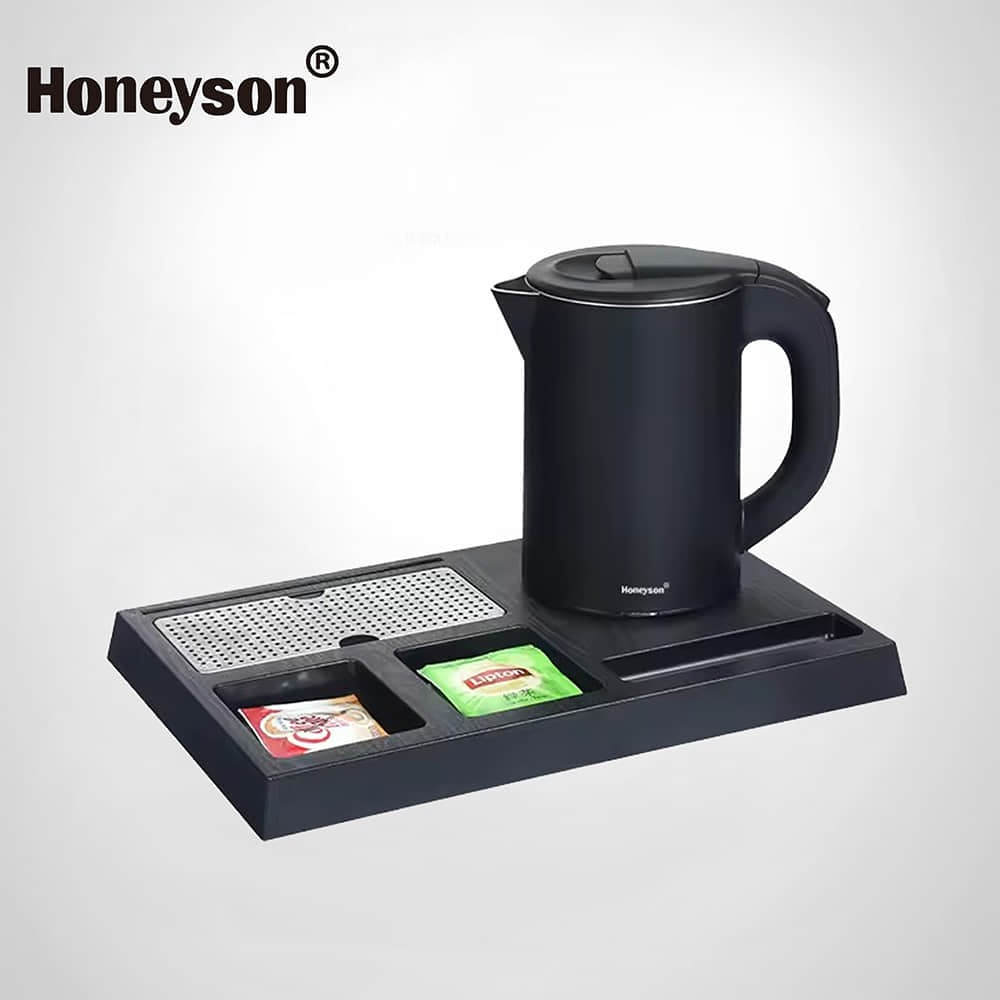
Thermostat controllers act as the nervous system of a hotel electric kettle, making split-second decisions about heating power, temperature limits, and safety responses. When these controllers are engineered poorly, kettles fail prematurely, overheat dangerously, or lose auto shut-off capability—creating guest complaints, safety risks, and operational headaches for housekeeping teams. Understanding how thermostat controllers influence electric kettle performance is essential for hotel procurement teams, property managers, and anyone responsible for selecting durable hospitality appliances.
How Thermostat Controllers Function Within Hotel Electric Kettles
Temperature Sensing and Regulation Logic
A thermostat controller continuously monitors water temperature using a built-in sensing element, typically a bimetallic strip or thermistor. This component detects when water approaches boiling point and signals the heating element to reduce power or shut off entirely. In a hotel electric kettle, precision matters immensely because guest safety and energy efficiency depend on accurate temperature control across repeated daily use cycles. The controller must maintain consistent boiling temperatures while preventing dangerous overheating scenarios that could damage the kettle or pose burn risks.
OEM electric kettle designs incorporate dual-stage thermostat control: one stage manages active heating until water reaches target temperature, while a second stage maintains a safe standby mode. This layered approach ensures that even if the primary sensor drifts slightly due to aging or mineral buildup, backup safety thresholds prevent catastrophic failures. Hotels depend on this redundancy because kettles see 10–20 heat cycles daily, and small sensor degradation compounds over weeks and months of operation.
Auto Shut-Off Integration and Safety Margins
The auto shut-off kettle represents a major safety advance in hospitality appliances. The thermostat controller triggers automatic power cutoff when water reaches boiling, preventing guest injury and reducing fire risk. Quality OEM electric kettle manufacturers build safety margins into their controller programming—setting shut-off thresholds slightly below catastrophic boiling temperatures to allow for sensor lag and environmental variables. This design philosophy means guests receive boiling water safely while property managers avoid liability exposure and repeated kettle replacement costs.
An auto shut-off kettle with weak thermostat control may shut off too early, leaving water lukewarm, or too late, causing dangerous steam release or overpressure situations. Hotels that source from reputable OEM electric kettle suppliers benefit from engineering that tested these edge cases thousands of times before products reach guest rooms.
Thermostat Controller Quality Markers in Commercial Electric Kettles
Material Grade and Electrical Certification Standards
The thermostat controller's internal components—contacts, resistive elements, and housing materials—directly influence how long an electric kettle survives in hotel environments. Premium OEM electric kettle designs use silver-cadmium or silver-nickel alloy contacts that resist corrosion and electrical pitting across 10,000+ on-off cycles. Budget controllers use cheaper brass or copper contacts that degrade rapidly, eventually failing to make reliable electrical connections. A degraded contact creates resistance buildup, causing the kettle to overheat or fail silently without warning.
Hotels should prioritize electric kettle products bearing certifications like UL, CE, or RoHS marks—these indicate that thermostat controllers underwent rigorous testing for overcurrent protection, thermal stability, and safety under fault conditions. OEM electric kettle suppliers invested in these certifications because they reduce liability and ensure consistent performance across hospitality properties managing dozens or hundreds of units simultaneously.
Response Time and Hysteresis Control
A thermostat controller's response time determines whether an electric kettle shuts off immediately upon reaching boiling temperature or allows water to continue heating dangerously. Premium designs incorporate tight hysteresis control—a narrow temperature band where the controller switches between heating and standby modes. This precision prevents the kettle from cycling on and off repeatedly, which damages heating elements and exhausts the controller's contact life prematurely. An auto shut-off kettle with poor hysteresis control may cycle 20–50 times per heating session, while a well-engineered unit cycles only once or twice.
Hotel properties operating electric kettle products with excellent hysteresis control report fewer maintenance calls and longer equipment lifecycles. This translates to measurable cost savings across large hospitality chains where thousands of kettles remain in service simultaneously.
Selecting OEM Electric Kettle Controllers for Long-Term Hotel Reliability
Thermal Stability Under Continuous-Duty Conditions
Hotels operate electric kettles at higher utilization rates than residential kitchens. A guest may use the kettle multiple times daily, and housekeeping staff reset and refill units between guest stays throughout each shift. This continuous-duty environment tests thermostat controller longevity intensely. Quality OEM electric kettle suppliers design controllers that maintain calibration accuracy even when ambient hotel room temperatures fluctuate between 60°F and 80°F and humidity varies widely. Cheaper controllers drift out of calibration under these thermal stresses, causing an auto shut-off kettle to shut off prematurely or fail to cut power at all.
The best hotel electric kettle choices incorporate temperature-compensated thermostat controllers—designs that adjust internal resistance based on ambient conditions to maintain consistent behavior. This engineering adds cost but eliminates a major source of guest complaints and property management frustration.
Durability Testing and Manufacturer Accountability
Reputable OEM electric kettle manufacturers publish cycle-life testing data showing how many times their thermostat controllers successfully complete heating and cooling sequences. Testing standards like IEC 60335-1 require demonstrating reliable operation through thousands of cycles without degradation. When selecting an electric kettle for hotel deployment, procurement teams should request this documentation and compare actual test results across suppliers. An auto shut-off kettle backed by 10,000-cycle testing data offers significantly greater reliability assurance than unvalidated budget alternatives.
Hotels that invest in documented OEM electric kettle products experience fewer unexpected failures, reduced guest complaints, and more predictable equipment lifecycle planning. This reliability translates into tangible operational benefits across properties of any size, from boutique hotels to large resort chains managing thousands of in-room appliances.
FAQ
Can a hotel electric kettle function safely without a thermostat controller?
No. Without a thermostat controller, an electric kettle cannot regulate water temperature or trigger auto shut-off, creating serious burn and fire hazards. The thermostat controller is the essential safety component that makes modern hospitality kettles reliable. Budget models without quality controllers are dangerous and inappropriate for hotel environments where guest safety is paramount.
How often should hotels replace electric kettle units based on thermostat controller lifespan?
Quality OEM electric kettle models with premium thermostat controllers typically remain reliable for 2–4 years of heavy hotel use, translating to approximately 5,000–15,000 heating cycles. An auto shut-off kettle from a reputable manufacturer provides excellent value over this timeframe. Budget kettles with weak controllers often fail within 6–12 months, making them more expensive per usable year despite lower initial purchase price.
What signs indicate a hotel electric kettle's thermostat controller is degrading?
Warning signs include delayed auto shut-off, kettles that fail to heat water fully, visible corrosion on electrical contacts, inconsistent heating performance between units, or kettles that overheat dangerously. When an electric kettle displays any of these symptoms, the thermostat controller likely requires replacement. Hotels should establish replacement protocols rather than attempting repairs, as a faulty controller poses ongoing guest safety risks that supervisory maintenance cannot reliably resolve.
