
 EN
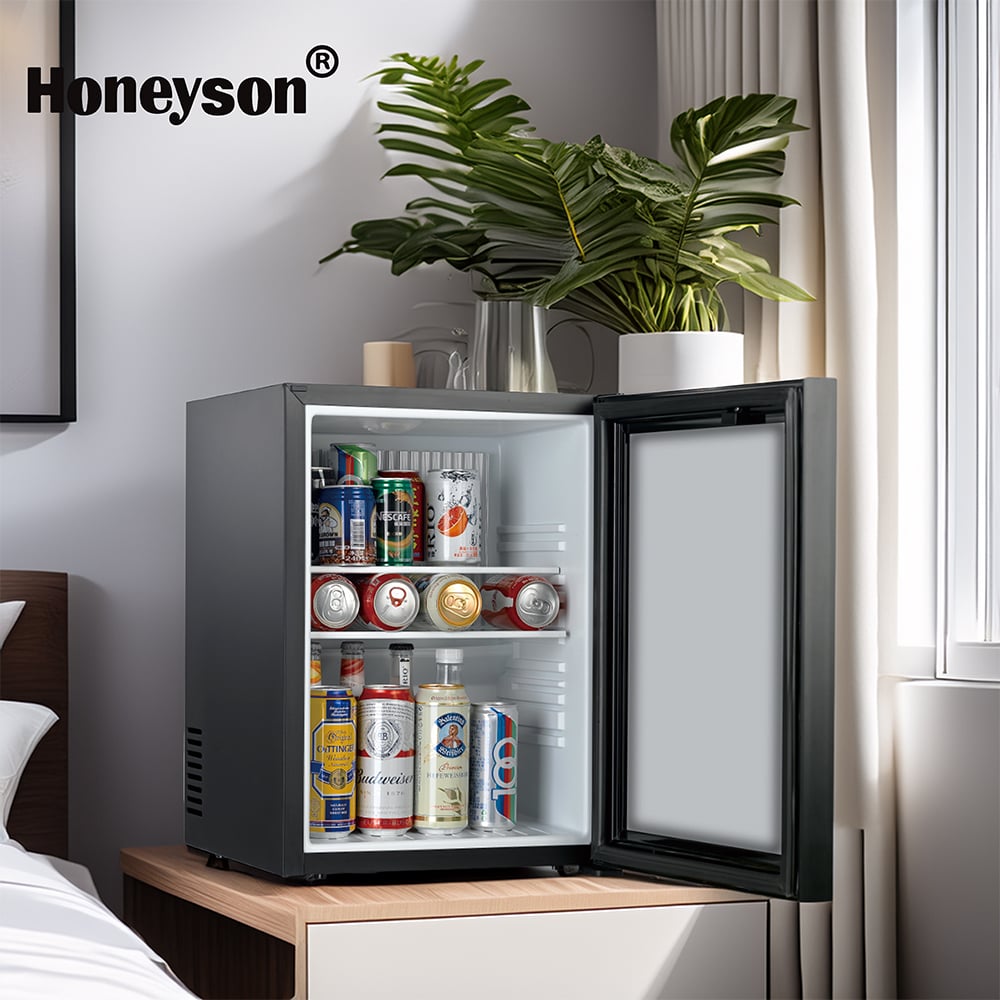
Shipping a mini fridge safely requires understanding the specific vulnerabilities of these compact appliances. Door misalignment, shelf displacement, and internal component damage represent the most common damage patterns during transport. Proper packaging standards directly reduce warranty claims, customer dissatisfaction, and costly product replacements. Whether you operate a hotel mini fridge fleet or manage OEM mini fridge distribution, packaging precision matters enormously in maintaining product integrity from factory to final destination.
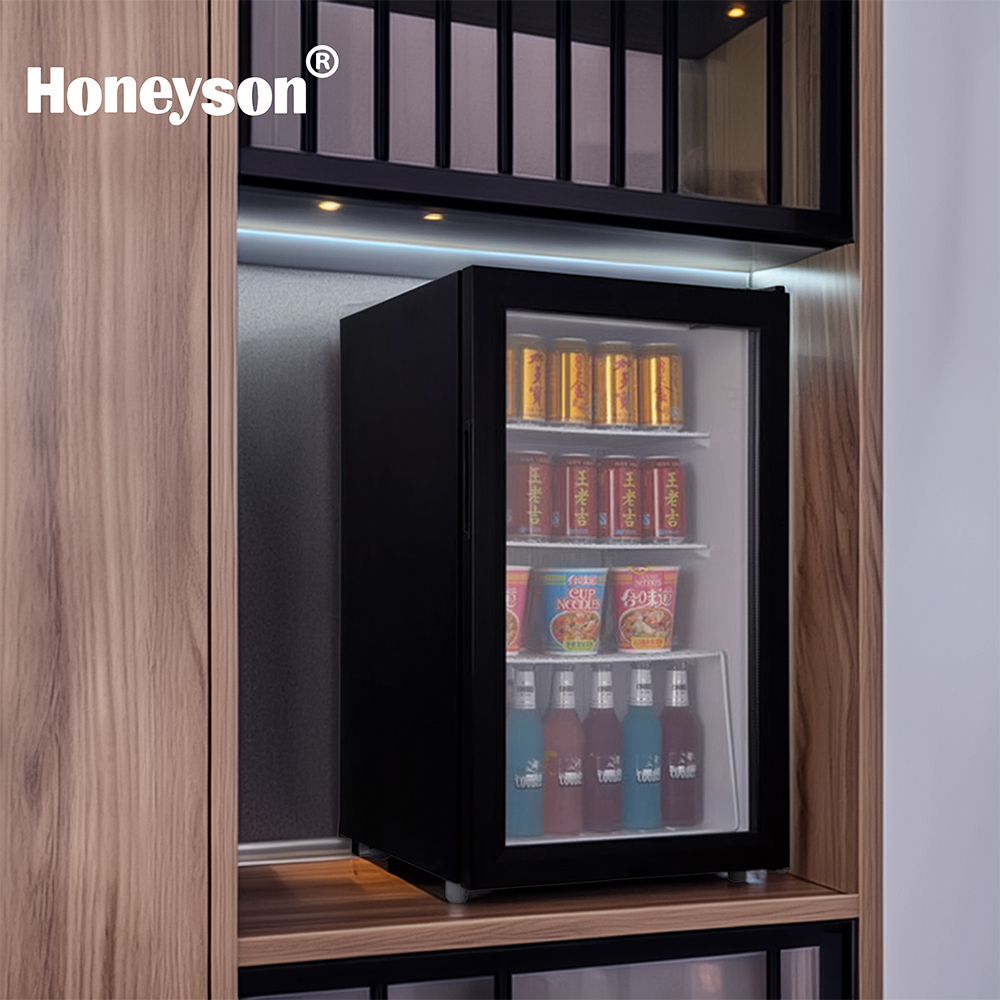
The hospitality and commercial refrigeration industries depend on standardized packaging protocols to preserve appliance quality. A hotel mini fridge unit may travel thousands of miles before reaching its installation site, passing through multiple handling environments. Each transition point introduces vibration, compression, and impact forces that directly threaten door hinges, shelf supports, and interior electrical systems. Understanding minibar refrigerator packaging standards transforms logistics from a routine cost into a strategic competitive advantage.
Door Protection and Stabilization Methods
Securing the Door Assembly
The refrigerator door represents the most vulnerable structural component during transit. Without proper reinforcement, door hinges experience excessive lateral stress that compromises hinge integrity and creates misalignment upon delivery. Industry standards require securing the door using non-damaging methods that prevent swing while avoiding permanent surface marking. Foam wedges, magnetic latches, or adjustable friction straps effectively stabilize the door assembly throughout the shipping cycle. Hotel mini fridge operators particularly benefit from these methods because door replacement costs often exceed fifty percent of the unit price.
Professional packaging protocols call for door sealing with protective tape applied along the door frame perimeter. This approach prevents door drift caused by vibration and maintains consistent gap spacing between door and cabinet frame. OEM mini fridge manufacturers typically employ corner protection at the door-frame junction where impact damage occurs most frequently. Reinforced corner guards constructed from high-density polyethylene or foam composite materials absorb collision forces while maintaining cost efficiency in large-volume shipping operations.
Internal Door Component Protection
The interior door assembly contains shelves, hinges, and hardware prone to displacement during transit. Securing these components prevents them from shifting inside the door cavity and creating stress on attachment points. Minibar refrigerator packaging standards specify that door shelves should be individually wrapped and secured using non-slip matting. This prevents rattle, reduces vibration transmission, and maintains component alignment throughout transport cycles. Custom-molded foam inserts tailored to specific door dimensions provide superior protection compared to generic padding materials.
Shelf Stabilization and Interior Protection
Shelf Positioning and Constraint Systems
Interior shelving systems require specific constraint methods to prevent movement within the cabinet. A hotel mini fridge typically contains three to four wire or glass shelves that shift during acceleration, deceleration, and directional changes. Each shelf must be individually secured using non-permanent fastening systems that do not scratch or mark the unit. Adhesive-backed foam strips positioned beneath shelf supports absorb vibration and maintain consistent positioning. Professional packaging adds removable shelf-locking brackets that hold shelves firmly in place without requiring permanent installation.
OEM mini fridge suppliers increasingly employ spring-loaded shelf retention systems built directly into the cabinet design. This integrated approach reduces packaging complexity while ensuring shelves remain stable during the harshest transport conditions. Minibar refrigerator operators benefit from this design innovation because it eliminates the need for custom restraint hardware during unpacking. Standardized shelf protection methods also simplify training for warehouse and installation personnel across distributed networks.
Compressor Mounting and Vibration Isolation
The compressor unit generates significant vibration during operation, but transport vibration can damage mounting brackets and refrigerant lines if not properly isolated. Hotel mini fridge units require compressor stabilization using elastomeric isolation pads that absorb transit-related vibration. These pads must maintain compression integrity throughout the entire shipping journey, typically lasting between seven to thirty days depending on transport distance. OEM mini fridge packaging standards specify isolation pad durability testing under simulated transport conditions to ensure real-world performance.
Foam encasement surrounding the compressor assembly protects mounting hardware and copper tubing from direct impact. This layered protection approach combines both vibration isolation and impact absorption in a single integrated system. Minibar refrigerator manufacturers document that proper compressor protection reduces warranty claims by approximately thirty-five percent, justifying the additional packaging investment across large shipment volumes.
Box Design and Protective Cushioning Standards
Corrugated Box Construction Specifications
The outer shipping box provides the primary defense against external impact and environmental exposure during transport. A hotel mini fridge box must meet specific bursting strength requirements, typically rated for minimum wall crush test values between four hundred and six hundred pounds per linear inch. Double-wall corrugated construction resists puncture while remaining cost-effective for high-volume OEM mini fridge distribution. Minibar refrigerator packaging standards specify box dimension tolerances within one-quarter inch to ensure stackability and prevent compression damage from improper stacking arrangements.
Corner reinforcement at box edges extends edge crush strength and prevents collapse during multi-unit palletization. Professional packaging adds strapping patterns that distribute compressive loads evenly across the entire box surface. Testing protocols confirm that reinforced boxes protect interior mini fridge units even under extreme stacking conditions exceeding practical warehouse scenarios. This safety margin provides confidence to logistics providers handling these appliances across diverse transportation networks.
Internal Foam Cushioning and Void Fill
Expanded polystyrene or polyethylene foam padding creates a protective barrier between the mini fridge and outer box walls. Hotel mini fridge packaging standards typically specify minimum two-inch foam thickness on all sides, with three-inch protection for top and bottom surfaces where impact forces concentrate most heavily. OEM mini fridge suppliers use molded foam inserts custom-fitted to specific unit dimensions, eliminating voids and ensuring consistent protection. Minibar refrigerator packaging occasionally incorporates air pillows or paper-based cushioning materials in void areas, balancing protection with weight and cost considerations.
Foam density selection directly impacts protection effectiveness and shipping cost efficiency. Lower-density foam offers cost advantages but provides reduced impact absorption. Higher-density foam improves protection but increases overall shipment weight and transportation expenses. Industry best practices employ graduated foam density, using softer outer layers for initial impact absorption combined with firmer inner layers that prevent the mini fridge from compressing excessively against the foam itself. This engineered approach maximizes protection while controlling total packaging weight and cost burden.
FAQ
What specific packaging materials work best for protecting a hotel mini fridge during shipping?
High-density polyethylene corner guards, expanded polystyrene foam padding, and reinforced corrugated boxes form the core material combination for protecting hotel mini fridge units. Corner protectors at door-frame junctions absorb impact forces effectively, while molded foam inserts tailored to specific unit dimensions provide superior protection compared to generic materials. Double-wall corrugated construction combined with strategic reinforcement at box corners creates a protection system that reduces damage claims across diverse transportation environments. Material selection should balance protection effectiveness with shipping weight and cost efficiency.
How does OEM mini fridge packaging differ from standard consumer refrigerator shipping?
OEM mini fridge packaging incorporates additional stabilization requirements because these units often ship without final destination installation. Custom foam inserts, integrated shelf-locking systems, and reinforced door assemblies reflect the heightened vulnerability of compact appliances. Minibar refrigerator packaging standards also emphasize compressor isolation and vibration management more heavily than consumer-grade products because hospitality environments operate appliances continuously. OEM suppliers typically conduct destructive testing on sample units to validate protection protocols before full-scale production deployment, ensuring confidence across entire distribution networks.
Can improper mini fridge packaging void manufacturer warranties?
Yes, damage resulting from inadequate packaging often falls outside manufacturer warranty coverage because recipients bear responsibility for product condition upon delivery. Hotel mini fridge operators who receive damaged units due to shipping negligence may face warranty exclusions based on damage classification as transport-related rather than manufacturing defect. OEM mini fridge suppliers mitigate this risk by establishing clear packaging standards that protect units under real-world logistics conditions. Minibar refrigerator manufacturers typically document packaging compliance through inspection protocols and photographic evidence, creating accountability throughout the supply chain.
