
 EN
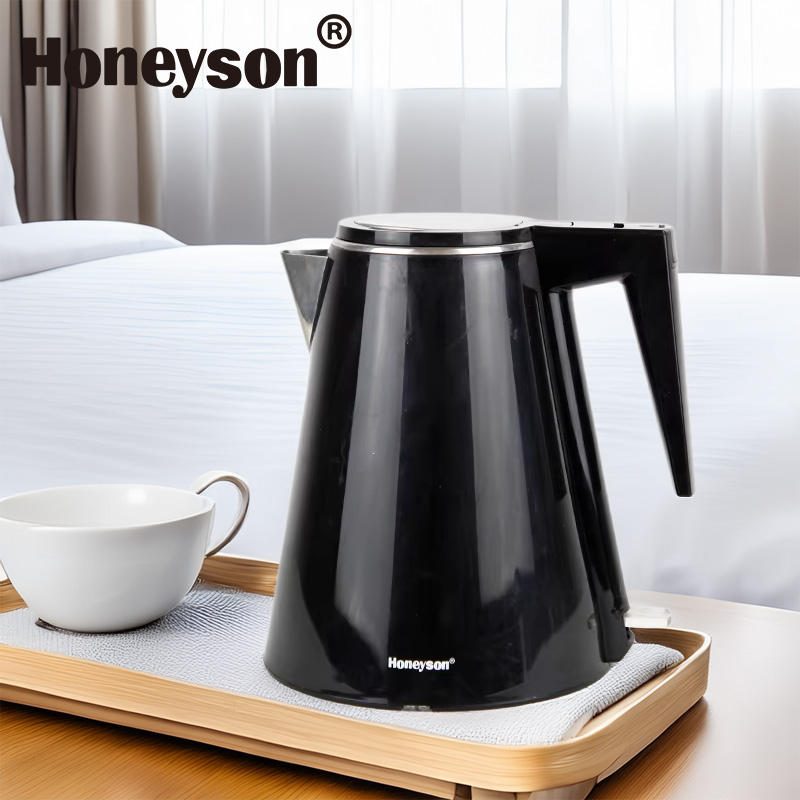
Hotel operators and procurement managers face critical decisions when selecting in-room beverage equipment. An electric kettle may seem like a simple hospitality amenity, but safety certifications are the foundation of responsible purchasing. Without proper verification of safety standards, hotels risk guest injuries, liability claims, and regulatory violations that can damage reputation and profitability.
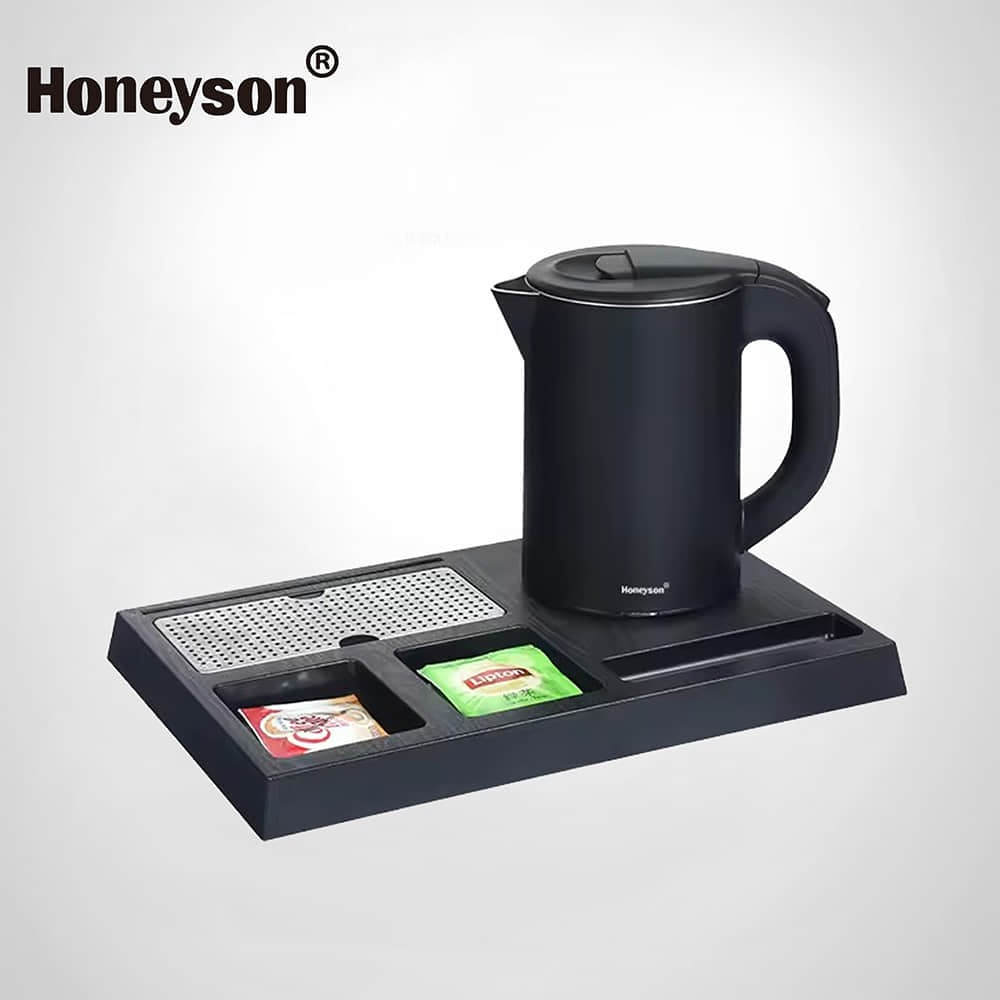
The hospitality industry demands equipment that balances convenience, durability, and above all, safety. When sourcing a hotel electric kettle or OEM electric kettle for bulk installation, buyers must understand which certifications carry legal weight in their operating jurisdictions and which features provide genuine protection. This guide explains the essential safety certifications and verification steps every hotel buyer should implement before finalizing any kettle purchase.
Understanding Core Safety Certifications for Hotel Kettles
International Safety Standards and Their Relevance
Global safety standards govern electric kettle design, manufacturing, and performance. The International Electrotechnical Commission (IEC) publishes standards such as IEC 60335-2-15, which specifically addresses electric kettles. This standard covers thermal insulation, heating element protection, water level indicators, and electrical safety. When evaluating an electric kettle supplier, confirm that products meet or exceed IEC 60335-2-15 standards, which form the technical foundation for most national regulations.
Regional certifications build on international standards but add specific requirements. In North America, UL (Underwriters Laboratories) certification demonstrates that an electric kettle has undergone rigorous testing for electrical hazards, burn prevention, and material safety. The UL mark indicates third-party verification and provides legal documentation that supports liability defense. Similarly, CSA (Canadian Standards Association) certification is required for products sold in Canada. European markets require CE marking, which indicates conformance with EU directives on safety and electromagnetic compatibility.
Mandatory Versus Voluntary Certifications
Hotel buyers must distinguish between mandatory certifications required by law and voluntary marks that enhance credibility. In most developed markets, electrical safety certifications are not optional—they are legal requirements. An electric kettle without UL, CE, or equivalent certification cannot legally be sold in those territories. Compliance failures expose hotels to product liability lawsuits and regulatory fines. Voluntary certifications such as GFCI (Ground Fault Circuit Interrupter) compatibility and Energy Star ratings add value but should not substitute for mandatory safety marks.
Critical Safety Features and Certification Indicators
Auto Shut-Off and Overheat Protection
An auto shut-off kettle is a foundational safety feature that any reputable hotel electric kettle should include. This function automatically disconnects power when water reaches boiling point or when the kettle is removed from its power base. Auto shut-off kettles prevent boiling-dry damage, reduce fire risk, and protect guests from scalding steam exposure. When reviewing OEM electric kettle specifications, verify that the auto shut-off mechanism is certified and tested to activate reliably across thousands of cycles. Manufacturers should provide documentation showing cycle-testing results and failure-rate analysis.
Overheat protection works alongside auto shut-off to prevent thermal runaway. This mechanism detects when internal temperatures exceed safe limits and cuts power automatically. Quality electric kettle designs include redundant safety layers: a thermostat for normal shut-off, a secondary thermal cutout for emergency shutdown, and a heat-resistant power base. Certification bodies require proof that these systems remain functional after extended use and exposure to mineral buildup from hard water, common in hospitality settings.
Material Safety and Durability Certification
Material composition directly affects electric kettle safety. The heating element, inner chamber, and external housing must all comply with material safety standards. Food-contact surfaces on electric kettle models must meet standards such as NSF/ANSI 51 (food equipment materials) to prevent leaching of harmful substances into water. Stainless steel components should be verified as 304 or 316 grade, which resists corrosion and does not leach chromium or nickel. Plastic housings must meet flame-retardancy standards; certification bodies test plastic materials to confirm they do not ignite or emit toxic fumes when exposed to high temperatures.
For hotel electric kettle purchasing, request material safety data sheets (MSDS) and third-party test reports from OEM electric kettle manufacturers. Certifications like UL or CE indicate that materials have been screened for heavy metals, endocrine disruptors, and other hazardous substances. This documentation becomes critical if a guest sustains an injury or illness that could be attributed to product contact.
Verification Steps for Hotel Procurement Teams
Documentation and Audit Requirements
Hotel buyers should demand complete certification documentation before placing orders. Legitimate OEM electric kettle suppliers provide copies of UL, CE, or equivalent certificates issued by accredited third-party laboratories. These certificates include test dates, model numbers, and specific compliance statements. Be cautious of suppliers who cannot produce original certificates or offer only photographs. Counterfeit certifications exist in the supply chain, so contact the issuing laboratory to verify certificate authenticity using reference numbers provided by the manufacturer.
Conduct periodic audits of installed equipment. Electric kettle performance can degrade over time, especially in high-use hotel environments where kettles operate multiple times daily. Temperature sensors can drift, auto shut-off timing can lengthen, and heating elements can develop hot spots. Establish a maintenance schedule that includes visual inspections for damage, testing of auto shut-off functions quarterly, and replacement of kettles that show wear. Document all maintenance and testing to create a compliance record that demonstrates due diligence if liability questions arise.
Supplier Relationship and Ongoing Compliance
Build partnerships with established OEM electric kettle manufacturers who maintain transparent certification records and respond quickly to safety inquiries. Request information about their internal quality control processes, including how often they re-test products to ensure ongoing compliance. Ask about recall procedures and how the supplier notifies customers if a safety issue emerges. Reputable OEM electric kettle providers maintain traceability systems that allow them to identify affected units by serial number and production date.
Include contractual clauses that hold suppliers accountable for certification accuracy. Specify that all delivered electric kettle units must carry valid safety markings and include certificates of compliance. Require that suppliers indemnify hotels against claims arising from certification fraud or failure to meet stated standards. These contractual protections create legal leverage if problems arise and signal to suppliers that compliance is non-negotiable.
FAQ
What happens if a hotel installs electric kettles without proper certifications?
Hotels face serious legal and financial consequences. Regulators in most jurisdictions can issue fines or order equipment removal. More significantly, if an uncertified electric kettle causes guest injury—such as electrical shock, burns, or fire—the hotel becomes liable for damages. Insurance may refuse to cover incidents involving non-compliant equipment. Guest safety expectations and regulatory requirements make certification verification a fundamental duty, not optional diligence.
How can hotel buyers verify that an electric kettle certificate is authentic?
Contact the certifying laboratory directly using contact information from the certificate itself. Provide the certificate number and manufacturer name; the lab can confirm whether that certificate was issued and whether it remains current. Cross-reference the model number and date of manufacture on the certificate with physical units received. Verify that UL, CE, or CSA markings are clearly visible on the product and match the certificate details. Legitimate OEM electric kettle suppliers welcome these verification requests and can provide batch records linking serial numbers to test reports.
Should hotels purchase only from manufacturers with multiple certifications?
Multiple certifications indicate broader market reach but are not always necessary. A hotel operating only in North America primarily needs UL certification; CE marking is relevant only if the hotel imports units from Europe or resells to European markets. Focus on certifications that apply to your specific geography and customer base. However, if an OEM electric kettle manufacturer holds multiple certifications—such as both UL and CE—it often signals stronger quality systems and higher manufacturing standards overall.
