
 EN
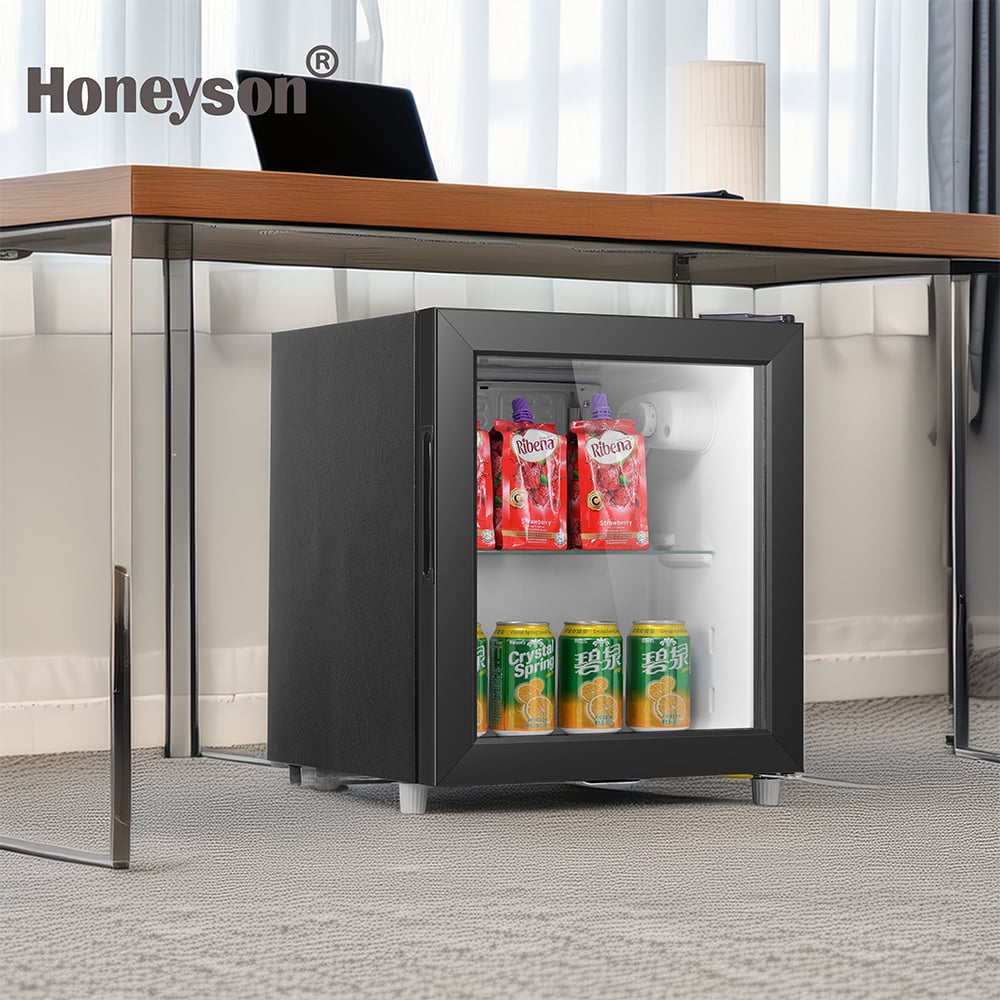
Silent operation has become a critical requirement in modern hospitality environments, where guest comfort directly impacts satisfaction ratings and repeat business. When selecting cooling technology for in-room minibar units, hotel procurement teams face a fundamental choice between two distinct approaches: thermoelectric and absorption cooling systems. Both technologies power countless mini fridge installations worldwide, yet they operate on entirely different principles and deliver vastly different performance characteristics in hospitality settings.
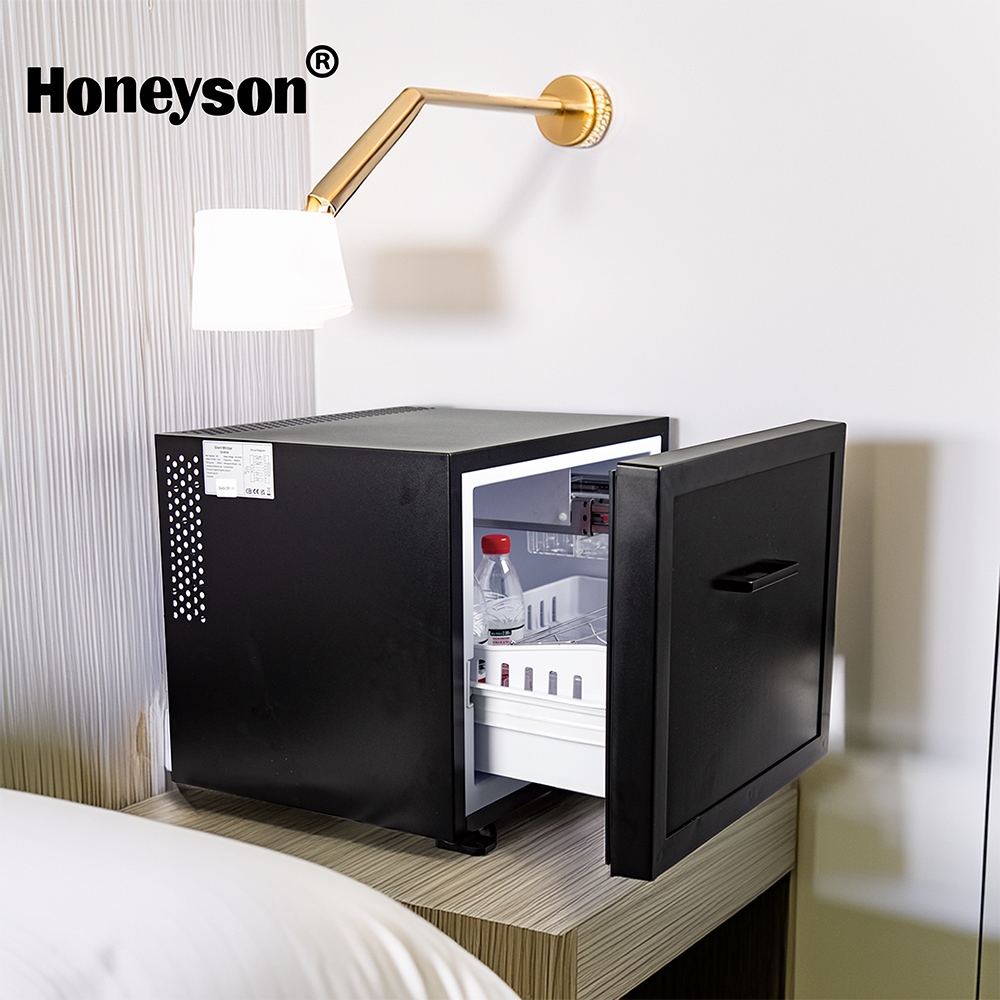
Understanding the distinction between these cooling mechanisms is essential for hotel operators seeking to optimize energy consumption, minimize maintenance costs, and maintain the silent guest experience that premium accommodations demand. An OEM mini fridge or hotel mini fridge equipped with the wrong cooling technology can become a source of guest complaints, operational friction, and unexpected replacement costs. This article explores how thermoelectric and absorption cooling compare across noise levels, energy efficiency, durability, and real-world hotel applications.
Thermoelectric Cooling Technology Explained
Core Mechanism and Operating Principle
Thermoelectric cooling leverages the Peltier effect, a phenomenon where electric current flowing through semiconductor junctions creates a temperature differential. Unlike traditional compressor-based systems, a hotel mini fridge utilizing thermoelectric technology contains no moving mechanical parts during normal operation. Current flows directly through thermally conductive material, causing one side to absorb heat and the other to reject it. This elegant approach eliminates vibration sources that plague conventional minibar refrigerator designs and create audible noise in guest rooms.
The minibar refrigerator equipped with thermoelectric technology responds instantly to electrical input, allowing for precise temperature control without the warm-up cycles typical of absorption systems. OEM mini fridge manufacturers favor this technology for applications where silence and immediate cooling capability matter. Heat rejection occurs through passive conduction or a small fan system, both of which operate at extremely low acoustic levels compared to traditional compressor noise.
Energy Consumption Characteristics
Thermoelectric cooling consumes continuous electrical power to maintain the temperature differential, making energy efficiency a critical consideration for hotel operations. A mini fridge running thermoelectric technology typically draws 40 to 80 watts during steady-state cooling, depending on ambient room temperature and desired internal temperature. Energy efficiency improves when the external environment remains cool and the temperature differential stays modest. Hotel environments with stable climate control naturally suit thermoelectric mini fridge installations better than locations with extreme seasonal temperature swings.
The OEM mini fridge manufacturer can optimize thermoelectric performance by improving thermal insulation and sizing the cooling module appropriately for the cabinet volume. Superior insulation reduces the energy required to maintain desired temperatures, extending operational life and lowering utility costs across a hotel property containing dozens or hundreds of minibar refrigerator units.
Absorption Cooling Technology Explained
Silent Absorption System Operation
Absorption cooling operates without mechanical moving parts or electrical compressors, relying instead on chemical reactions and heat exchange between two fluid circuits. A minibar refrigerator using absorption technology contains an absorber, generator, condenser, and evaporator that work together silently through ammonia-water chemical cycles. When heat is applied to the generator circuit, ammonia vaporizes and flows through the system, absorbing heat from the mini fridge interior before returning to the absorber for reconstitution. This process continues indefinitely without the vibration, noise, or mechanical wear associated with traditional compressor designs.
Hotel mini fridge applications benefit enormously from absorption technology because the cooling process generates essentially zero audible noise. Premium hospitality properties seeking absolute guest comfort favor OEM mini fridge models built on absorption platforms. Unlike thermoelectric systems requiring continuous electrical input, absorption cooling operates efficiently regardless of electrical demand fluctuations, making it ideal for grid-unstable regions or facilities prioritizing energy management flexibility.
Temperature Performance and Durability
Absorption-based minibar refrigerator designs excel at maintaining stable internal temperatures across varying ambient conditions. The chemical cycle naturally sustains cooling without electrical surges or current fluctuations, providing consistent beverage chilling throughout the day and night. OEM mini fridge manufacturers report longer component lifespan with absorption technology because no mechanical wear or electrical stress accumulates over years of operation. The system can function passively for extended periods if the heating element receives intermittent power input.
A hotel mini fridge utilizing absorption cooling demonstrates superior resilience in diverse operating environments. The sealed system design prevents contamination, and the absence of moving parts eliminates lubrication requirements, seal failures, and mechanical breakdown risks that plague compression-based minibar refrigerator alternatives. Long-term total cost of ownership favors absorption cooling when multi-year hotel property lifecycles are considered.
Comparative Performance for Hotel Applications
Noise Emissions and Guest Experience
Guest comfort surveys consistently identify refrigerator noise as a significant source of sleep disruption and satisfaction decline in hotel environments. Thermoelectric mini fridge systems eliminate compressor noise but may produce subtle fan sound depending on cooling module design and heat rejection method. Absorption-based minibar refrigerator units achieve near-total silence because no forced convection or mechanical processes occur. Hotels targeting premium market segments and five-star ratings increasingly specify absorption cooling for in-room mini fridge installations to eliminate this common complaint.
The OEM mini fridge supplier selection process must weigh acoustic performance against other operational factors. Thermoelectric technology suits boutique hotels with highly insulated guest rooms and active climate management systems. Absorption cooling appeals to luxury properties, extended-stay accommodations, and facilities where absolute silence justifies the higher acquisition cost.
Energy Efficiency and Operating Costs
Total cost of ownership extends far beyond the initial minibar refrigerator purchase price, encompassing electricity consumption across the property's operating lifetime. Thermoelectric mini fridge technology typically consumes 300 to 500 kilowatt-hours annually per unit, generating measurable utility cost across a 100-room hotel property. Absorption cooling operates at lower steady-state power requirements because the chemical cycle sustains itself efficiently once initiated. An OEM mini fridge using absorption technology may consume 150 to 300 kilowatt-hours annually, delivering substantial savings over a ten-year hospitality facility lifecycle.
Hotels operating in regions with high electricity rates experience accelerated payback periods when transitioning from thermoelectric to absorption-based mini fridge designs. Energy management software now tracks individual minibar refrigerator consumption, enabling facility managers to monitor performance and optimize operational efficiency. The choice between technologies directly impacts annual utility budgets and environmental sustainability metrics that increasingly influence hotel rankings and investment decisions.
FAQ
What is the primary advantage of thermoelectric mini fridge technology in hotel applications?
Thermoelectric technology offers instant cooling response, no moving parts, and low acquisition cost for hotel mini fridge installations. The system requires minimal maintenance and operates reliably in diverse climates. However, higher electricity consumption and modest noise generation from cooling fans limit its appeal in premium hospitality settings compared to silent absorption alternatives.
How does an OEM mini fridge supplier determine which cooling technology suits a specific hotel property?
The decision depends on guest expectations, climate conditions, electricity costs, and long-term ownership vision. Budget-conscious properties and locations with moderate temperatures favor thermoelectric mini fridge designs. Premium hotels, luxury resorts, and facilities prioritizing guest satisfaction select absorption-based minibar refrigerator systems despite higher upfront investment. OEM mini fridge manufacturers provide energy calculations and acoustic specifications to support informed procurement decisions.
Can absorption cooling in a hotel mini fridge provide competitive cooling capacity compared to thermoelectric systems?
Yes, modern absorption technology delivers equivalent or superior cooling capacity while consuming less electricity than thermoelectric alternatives. An optimized absorption-based minibar refrigerator maintains desired temperatures consistently without the power surges characteristic of thermoelectric cycles. Premium OEM mini fridge models now feature absorption cooling as standard specification, confirming that performance and efficiency no longer require mechanical compressors.
Table of Contents
- Thermoelectric Cooling Technology Explained
- Absorption Cooling Technology Explained
- Comparative Performance for Hotel Applications
-
FAQ
- What is the primary advantage of thermoelectric mini fridge technology in hotel applications?
- How does an OEM mini fridge supplier determine which cooling technology suits a specific hotel property?
- Can absorption cooling in a hotel mini fridge provide competitive cooling capacity compared to thermoelectric systems?
