
 EN
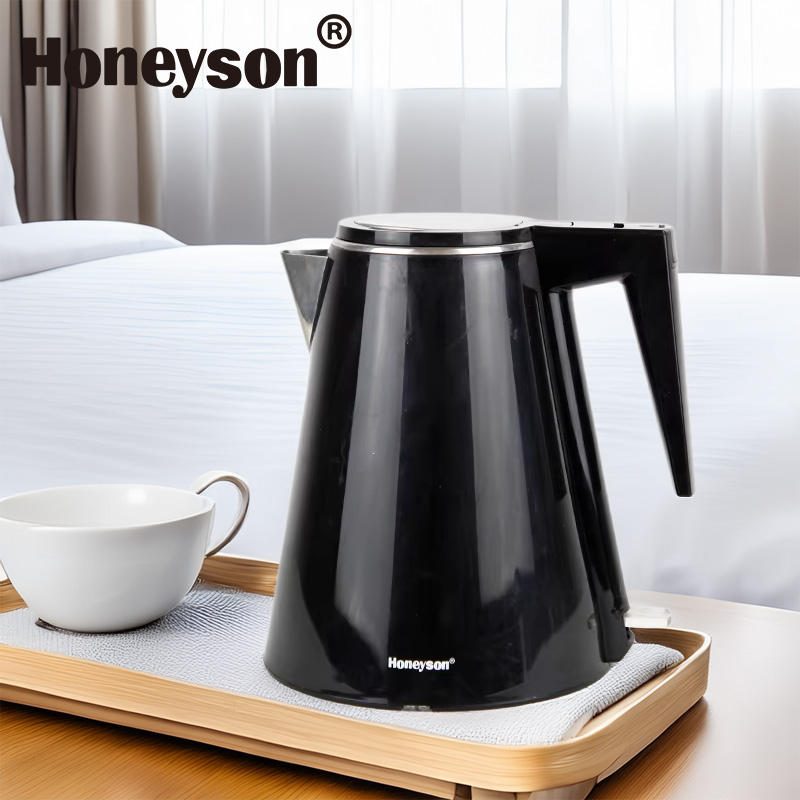
Hotels face a critical challenge when equipping guest rooms with amenities that require significant electrical load. The humble electric kettle presents one of the most common bottlenecks in room circuit planning, especially in older properties or those with standard 15-amp circuits. Many hospitality operators underestimate the power demands of even modest kettle models, leading to frequent breaker trips, guest complaints, and costly infrastructure upgrades.
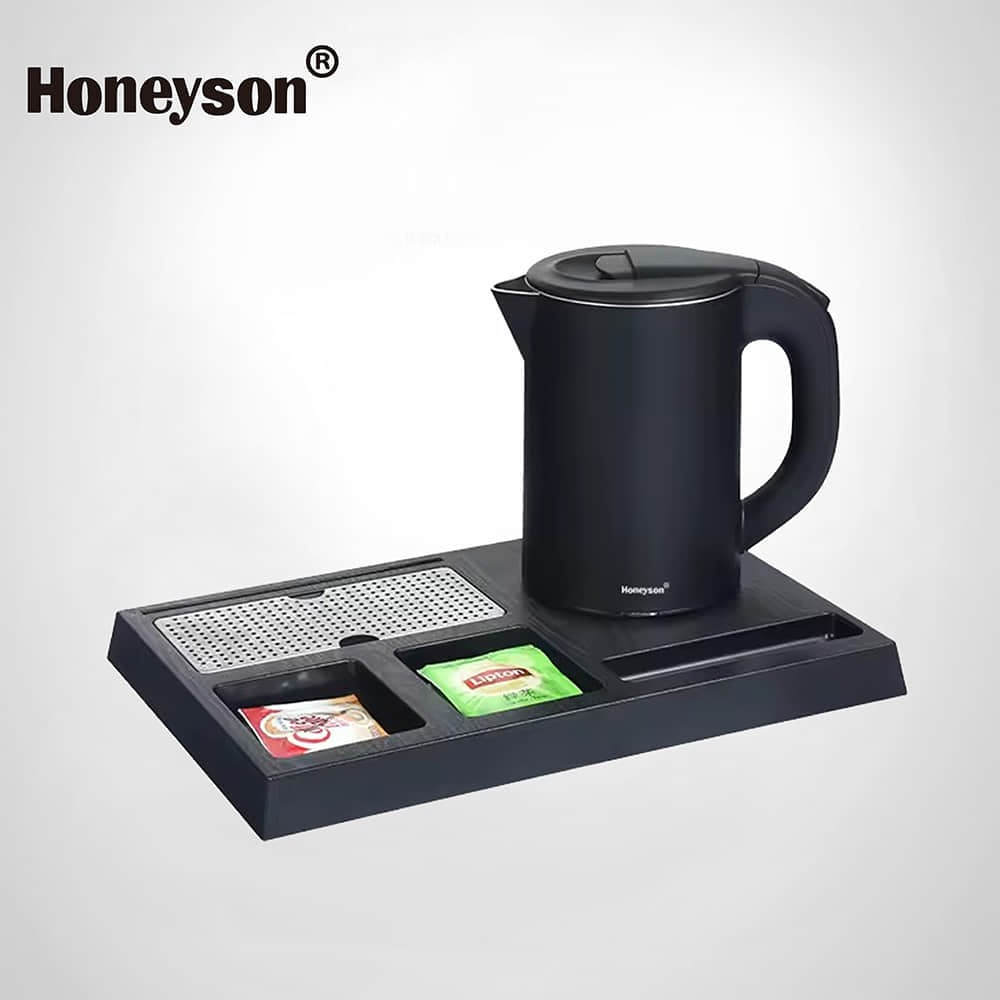
Understanding the wattage requirements of a hotel electric kettle is essential for property managers, maintenance teams, and procurement professionals. Proper planning prevents circuit overloads, ensures guest satisfaction, and protects the property from electrical hazards. This guide walks through the technical and practical considerations necessary to select and deploy kettle solutions that work reliably within your existing room infrastructure.
Understanding Electric Kettle Wattage Requirements
Typical Power Consumption in Hotel Settings
Most standard hotel electric kettle models draw between 800 and 1500 watts when actively heating water. A basic 0.8-liter kettle typically operates at 1200 watts, while compact travel-style units may use 750 watts. The specific wattage depends on heating element design, insulation quality, and target temperature settings. When a hotel electric kettle reaches full boil, it creates a peak demand spike that can strain circuits already burdened by room lighting, climate control, and guest devices.
The auto shut-off kettle represents a practical advance in energy management for hotels. By automatically disconnecting power once water reaches boiling point, these units reduce sustained draw and prevent guest negligence from keeping heating elements active indefinitely. OEM electric kettle manufacturers have optimized designs specifically for hospitality, balancing heating speed with circuit compatibility and guest expectations for quick hot water access.
Circuit Load Calculations
A standard North American hotel room operates on either a single 15-amp or 20-amp circuit, or sometimes multiple circuits dedicated to different zones. At 120 volts, a 15-amp circuit provides a theoretical maximum of 1800 watts; a 20-amp circuit allows 2400 watts. However, safe continuous loading practices recommend using no more than 80 percent of circuit capacity for sustained appliance use. This means a 15-amp circuit should support roughly 1440 watts continuously, leaving 360 watts available for the electric kettle without triggering breaker protection during simultaneous loads.
When room occupants use the kettle while running the air conditioning unit, charging multiple devices, or operating the bathroom exhaust fan, cumulative demand quickly approaches circuit limits. OEM electric kettle solutions designed for hotels often feature lower wattage ratings (800–1000 watts) to accommodate this shared-circuit reality, even though heating times extend slightly compared to consumer models rated at 1500+ watts.
Selecting Appropriate Kettle Models for Room Circuits
OEM Electric Kettle Design Considerations
Original equipment manufacturers who supply hospitality properties have engineered electric kettle models specifically to address room circuit constraints. A hotel electric kettle from a reputable OEM typically includes a dual-voltage option (110/220 volts) for international property portfolios, auto shut-off kettle features for safety compliance, and a wattage rating that acknowledges typical guest room electrical architecture. These models prioritize reliability, consistent performance across hundreds of heating cycles, and integration with room beverage stations.
The best OEM electric kettle solutions balance four key factors: heating capacity (time to boil), circuit safety (wattage compatibility), durability (repeated daily use), and guest experience (capacity and aesthetic design). Manufacturers test units under real hospitality conditions, including simultaneous loads from other room appliances, to confirm safe operation within standard circuits. Choosing an electric kettle from established OEM suppliers reduces the risk of circuit failures and warranty disputes.
Auto Shut-Off and Safety Features
The auto shut-off kettle feature has become industry standard in hospitality-grade equipment because it addresses both electrical and guest safety concerns. When the heating element reaches target temperature and water boils, automatic shutoff eliminates continuous power draw and prevents dry-boil scenarios that could damage the kettle or create fire hazards. For hotel operators, this feature reduces circuit strain significantly because guests no longer leave kettles heating unattended for extended periods.
An electric kettle with reliable auto shut-off also minimizes maintenance costs and liability exposure. Guests cannot accidentally leave a heating element active overnight or during checkout, which prevents both electrical circuit stress and potential injury. Insurance underwriters and electrical safety inspectors often look favorably on properties that deploy auto shut-off kettle models as part of their guest room equipment strategy.
Implementation and Circuit Planning Best Practices
Room-by-Room Circuit Assessment
Before deploying electric kettle units property-wide, conduct a systematic audit of guest room circuits. Identify which rooms operate on shared circuits versus dedicated outlets, and document the breaker size and current load profile for each space. Many older hotels discover that certain room types (suites, accessible rooms) have different electrical architecture than standard guest rooms. This assessment prevents the mistake of installing the same electric kettle model in incompatible room configurations and subsequent guest experience failures.
Properties with older 15-amp single circuits may need to consider lower-wattage electric kettle options or stagger usage through staff guidance and signage. Some hotels install time-delay or smart outlets that automatically shut off power after a period of inactivity, providing an extra layer of circuit protection even when guests forget to use an auto shut-off kettle feature manually. An OEM electric kettle supplier can often recommend wattage specifications matched to your facility's electrical profile.
Guest Communication and Training
Even the best electric kettle design requires clear guest communication about proper use. Include brief instructions in room welcome materials explaining that the kettle operates on a shared circuit and guests should avoid running multiple high-draw appliances simultaneously. Many hotels place a simple notice near the kettle noting expected boil times and confirming the auto shut-off kettle safety feature. This transparent approach sets expectations, reduces frustration when heating takes longer than home units, and minimizes maintenance calls about 'faulty' kettles that have actually triggered circuit breakers.
Staff training is equally important. Housekeeping and maintenance teams should recognize signs of circuit strain such as occasional breaker trips in specific rooms, flickering lights during kettle use, or recurring guest complaints about 'slow' hot water. When staff understand the relationship between electric kettle wattage and circuit capacity, they can communicate intelligently with guests and report electrical issues to management proactively.
FAQ
What wattage should I choose for my hotel electric kettle?
For most standard guest rooms with 15-amp circuits, select an electric kettle rated between 800 and 1000 watts. Rooms with dedicated 20-amp circuits can safely accommodate 1200-watt models. Consult your property's electrical schematics and consider the auto shut-off kettle feature as a non-negotiable safety element. OEM electric kettle manufacturers can recommend appropriate wattage based on your specific room configuration.
Will an electric kettle trip my room breaker?
Breaker trips typically occur when the electric kettle draws power simultaneously with other high-load appliances like air conditioning units or hair dryers. An auto shut-off kettle reduces risk because it stops drawing power once water boils. Selecting an OEM electric kettle designed for hospitality use, rather than consumer models rated at 1500+ watts, minimizes circuit conflicts. If trips persist, the room circuit itself may need electrical assessment by a qualified technician.
How does an auto shut-off kettle benefit my hotel operations?
An auto shut-off kettle eliminates sustained power draw after boiling completes, directly reducing circuit burden and circuit breaker failures. It improves guest safety by preventing dry-boil and overheating scenarios. The auto shut-off kettle feature also reduces energy consumption, lowers maintenance costs from heating element failure, and decreases liability exposure. These operational benefits make auto shut-off kettle models the standard choice for professional hospitality properties managing multiple guest rooms and circuit limitations.
