
 EN

The quality of internal components in a hotel coffee machine directly determines how reliably it delivers consistent beverages to guests throughout the day. Within any professional hotel coffee maker, two critical systems work in tandem: the pump that pressurizes water and the heater that reaches optimal brewing temperatures. Understanding these components is essential for hospitality managers who need equipment that performs under high-volume demand without frequent breakdowns or service calls.
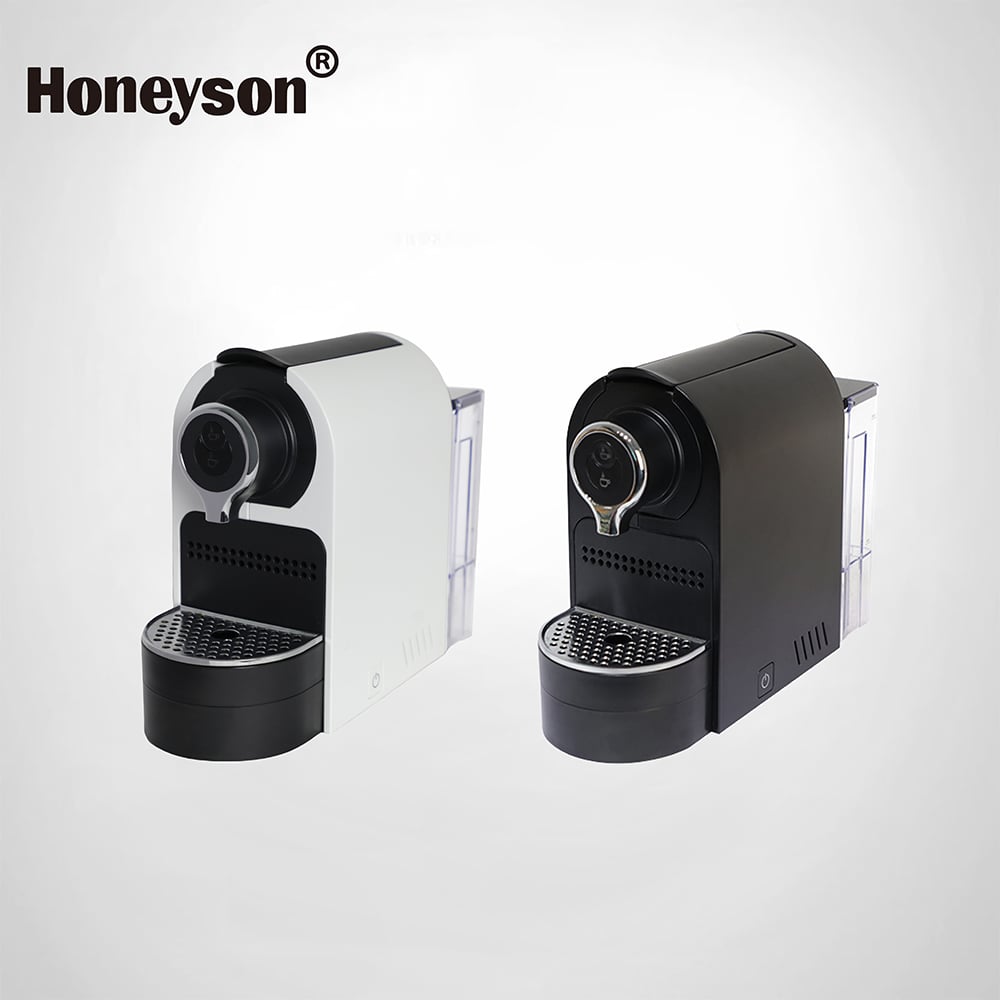
Hotel operations depend on equipment that functions reliably during peak morning hours when guests expect immediate service. A drip coffee maker or espresso-style OEM coffee machine with inferior pump and heater components will struggle to meet demand, leading to cold beverages, inconsistent extraction, and frustrated guests. The choice between budget equipment and quality-engineered solutions reflects long-term operational costs, brand reputation, and guest satisfaction metrics that directly impact revenue and reviews.
Pump Quality and Its Impact on Beverage Consistency
Pressure Generation and Water Delivery
The pump in a hotel coffee maker is responsible for pressurizing and delivering water through ground coffee at precise rates. A high-quality pump maintains consistent pressure throughout the brewing cycle, ensuring uniform extraction and optimal flavor development. Lower-grade pumps exhibit pressure fluctuations that cause uneven water distribution, resulting in some grounds over-saturating while others remain under-extracted. This variability becomes particularly evident in espresso-based drinks where pressure consistency is non-negotiable for quality outcomes.
OEM coffee machine pumps engineered for commercial use incorporate durable materials and precision-engineered components that withstand hundreds of brewing cycles daily. Cheaper alternatives often use plastic internal components that wear quickly, leading to seal failures and water leakage. A quality hotel coffee maker pump should deliver steady pressure without noise, vibration, or performance degradation even after months of continuous operation.
Durability Under High-Volume Demand
Hotel environments subject coffee machines to intense usage patterns that test component longevity. A drip coffee maker or espresso system in a busy hotel lobby may brew fifty to one hundred servings daily, creating thermal stress and mechanical wear that separates premium equipment from budget alternatives. Quality pumps are designed with reinforced casings, corrosion-resistant materials, and thermal management features that extend service life and reduce unplanned downtime.
When a hotel coffee maker's pump fails during peak service hours, the operational impact extends beyond the broken equipment. Staff must redirect guests to alternative beverage stations, creating service gaps and negative experiences. Premium OEM coffee machine pumps minimize this risk through redundancy in critical components and manufacturing tolerances that exceed industry standards, ensuring consistent performance across extended service intervals.
Heater Technology and Temperature Stability
Precision Temperature Control
The heating element in a hotel coffee maker must reach and maintain precise water temperatures for optimal extraction. Quality heaters incorporate thermostatic controls, safety cutoffs, and recovery rates that ensure water temperature remains stable even during rapid successive brewing cycles. A superior drip coffee maker or OEM coffee machine heater will reach target temperature quickly while avoiding the temperature overshoot and oscillation common in lower-cost models.
Guest satisfaction directly correlates with beverage temperature consistency. Cold or lukewarm coffee reflects poorly on the hotel brand and diminishes the perceived quality of the service, regardless of coffee bean quality or barista skill. Professional-grade hotel coffee maker heaters employ boiler technology or advanced heating plates that maintain thermal stability across varying ambient room conditions, ensuring guests receive hot beverages regardless of season or location within the facility.
Longevity and Maintenance Requirements
Lower-quality heaters accumulate mineral deposits more rapidly, requiring frequent descaling to maintain performance. This maintenance burden not only consumes staff time but also increases the risk of scaling-related failures where internal corrosion compromises component integrity. Quality OEM coffee machine heaters feature self-protective designs with better corrosion resistance and thermal distribution that slows mineral accumulation, extending intervals between necessary maintenance procedures.
A hotel coffee maker that requires weekly descaling versus monthly descaling represents significant operational cost differences over time. Professional-grade heaters incorporate materials and construction methods that reduce maintenance frequency by thirty to fifty percent compared to budget alternatives. This reduced maintenance burden translates to lower labor costs, fewer service disruptions, and extended equipment lifespan that justifies the initial investment in quality components.
Selecting Quality Components for Long-Term Value
Evaluating OEM Coffee Machine Specifications
When evaluating a hotel coffee maker or drip coffee maker for purchase, pump and heater specifications should receive priority scrutiny. Look for pumps rated for minimum flow rates measured in grams per second and heaters with power ratings appropriate for the machine's brew volume and frequency requirements. OEM coffee machine documentation should clearly specify component warranties, service intervals, and available replacement parts that support long-term maintenance planning.
Quality coffee machine manufacturers publish detailed performance data including pressure stability measurements, temperature swing parameters, and component reliability ratings based on accelerated lifecycle testing. This transparency allows procurement professionals to make informed comparisons between options and justify premium pricing to hotel leadership by quantifying expected lifespan differences and maintenance cost reductions. Request third-party testing data or industry certifications that validate claims about component durability and performance consistency.
Long-Term Cost of Ownership Analysis
The initial purchase price represents only a fraction of total coffee machine ownership costs over its operational lifespan. Maintenance labor, replacement parts, service call expenses, and operational downtime during repairs accumulate substantially over three to five years of continuous use. A quality hotel coffee maker with premium pump and heater components typically exhibits lower total cost of ownership despite higher upfront investment, as reduced maintenance frequency and extended lifespan offset the price premium.
Calculate long-term value by estimating maintenance costs, average annual service call frequency, and expected equipment lifespan for budget versus premium options. A drip coffee maker or OEM coffee machine expected to operate reliably for five years with minimal maintenance represents better value than a cheaper alternative requiring replacement within two years or monthly service visits. This analysis ensures hotel decision-makers understand that quality pump and heater systems deliver measurable financial returns beyond initial cost considerations.
FAQ
Why does pump pressure matter in a hotel coffee maker?
Pump pressure controls water distribution through coffee grounds, directly affecting extraction uniformity and beverage flavor. Consistent pressure ensures all grounds receive equal saturation, preventing under or over-extraction that compromises quality. Pressure stability also affects brewing time reproducibility, allowing staff to deliver uniform products to guests throughout the day regardless of who operates the coffee machine.
How often should a hotel coffee machine heater be serviced?
Quality heaters typically require descaling every four to eight weeks depending on water hardness and usage intensity. Premium OEM coffee machine heaters with superior materials and design tolerate longer intervals between maintenance compared to budget alternatives. Establish a descaling schedule based on water mineral content testing and monitor beverage temperature trends to identify when scaling begins affecting heater performance in your specific hotel environment.
What distinguishes an OEM coffee machine from standard drip coffee makers?
OEM coffee machines are manufactured specifically for commercial or hospitality environments with engineered components designed for high-volume daily use. They feature superior pumps, heaters, and materials compared to residential drip coffee makers designed for occasional home use. Professional hotel coffee maker systems incorporate redundancy, faster recovery times, and component accessibility that allows efficient servicing without extensive downtime.
