
 EN

Factory endurance testing is critical for validating the reliability and durability of any coffee machine before it reaches the market. During these rigorous quality assurance protocols, leaks often emerge as one of the most common failure points, affecting both performance ratings and customer satisfaction. Understanding how to troubleshoot and resolve leaks in a coffee machine during factory testing ensures that manufacturing standards remain high and that only dependable units reach end users. This comprehensive guide explores the root causes, diagnostic methods, and practical solutions for addressing leaks during endurance tests.
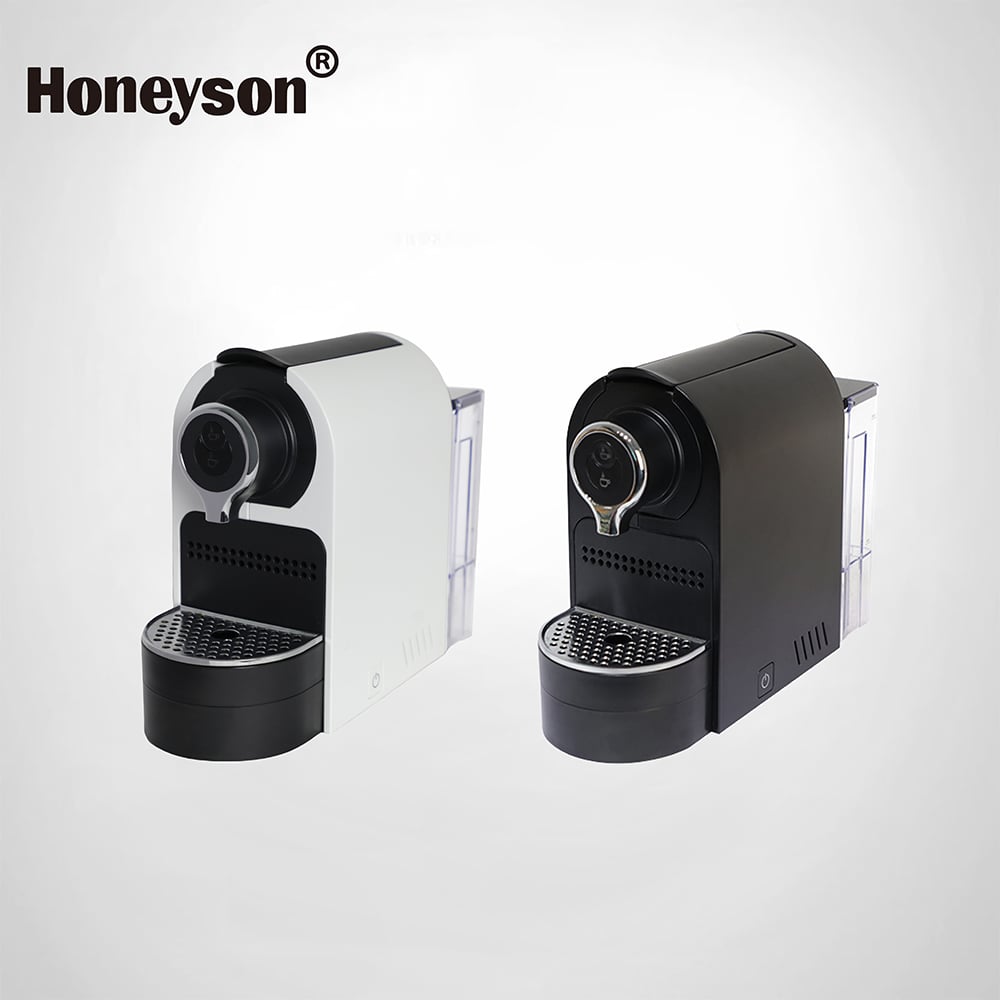
Leaks in a coffee machine during factory testing can originate from multiple sources, including compromised seals, pressure system faults, or assembly defects. When testing an OEM coffee machine or hotel coffee maker under extended operational cycles, even minor manufacturing inconsistencies become apparent. Early detection and systematic troubleshooting during the testing phase prevent costly field failures and warranty claims. This article provides industrial professionals with actionable strategies to diagnose, document, and resolve leaks effectively.
Common Leak Sources in Coffee Machine Testing
Seal and Gasket Failures
Seals and gaskets are among the most frequent culprits behind leaks in a coffee machine during endurance testing. These components experience repeated compression and decompression cycles during brewing, and any manufacturing defect or material inconsistency can cause premature failure. A drip coffee maker, for example, relies on precise gasket placement around the water inlet and outlet connections. When factory tests expose the machine to hundreds or thousands of brew cycles, degraded seals become visible through moisture accumulation or water pooling. Inspecting gasket material composition, checking dimensional tolerances, and verifying proper installation protocols helps identify seal-related leak sources early.
Pressure System Weaknesses
The pressure system in a hotel coffee maker operates under significant stress, and manufacturing tolerances directly influence leak resistance. Internal components such as pressure relief valves, pump connections, and boiler fittings must maintain structural integrity under prolonged testing. A faulty pressure regulator or misaligned valve seat can allow water to escape under normal operating pressure. Thermal cycling during extended endurance tests amplifies stress on solder joints and connection points, revealing pre-existing micro-fractures. Documenting pressure readings at different test intervals and correlating them with visible leaks helps pinpoint the exact location of pressure system failures.
Diagnostic Methods for Identifying Leak Points
Visual and Thermal Inspection Techniques
Systematic visual inspection remains a fundamental diagnostic tool when troubleshooting an OEM coffee machine. Technicians should examine every connection point, weld, and joint while the machine operates under controlled test conditions. Using thermal imaging cameras during operation reveals heat loss patterns that correlate with water escape paths. A drip coffee maker leak may manifest as condensation around specific joints or gradual water loss during standardized test cycles. Marking the machine with absorbent paper or moisture-sensitive tape around suspected areas helps technicians visualize the exact leak trajectory. Recording inspection results at fixed intervals throughout the endurance test creates a timeline of leak development and progression.
Pressure Testing and Flow Analysis
Hydrostatic pressure testing isolates leaks by subjecting the coffee machine to controlled water pressure in a sealed environment. This method reveals even microscopic leaks that may not appear during normal operation. Technicians pressurize the water circuit to 1.5 times the operating pressure and measure any volume loss over a fixed time period. For a hotel coffee maker, this pressure test typically occurs on separate components before full assembly integration. Flow rate analysis during brewing cycles provides quantitative data about water distribution efficiency and identifies blockages or leakage that reduces water delivery to brew chambers. Comparing flow measurements across multiple test units helps distinguish manufacturing variability from systematic design flaws.
Resolution and Prevention Strategies
Material Selection and Component Sourcing
Addressing leaks in a coffee machine requires careful evaluation of material specifications and supplier quality standards. Silicone and EPDM gaskets commonly used in drip coffee makers must meet specific durability ratings and chemical resistance requirements. OEM coffee machine manufacturers should implement incoming material inspection protocols that verify hardness, compression set, and aging characteristics of all elastomer components. Thermal stress testing of seals before production integration identifies materials prone to degradation under temperature cycling. Establishing long-term partnerships with vetted suppliers ensures consistent material quality and reduces leak-related defects in factory testing phases.
Assembly and Testing Protocols
Proper assembly procedures and rigorous verification steps significantly reduce leak occurrence during endurance testing. Training production staff on correct seal installation depth, compression levels, and fastener torque specifications prevents assembly-related failures. Implementing in-line pressure checks immediately after assembly catches defects before components enter full endurance testing. For hotel coffee makers, staged testing protocols allow technicians to identify leaks early and isolate problem batches. Root cause analysis documentation helps engineers refine designs and supplier specifications for subsequent production runs. Continuous monitoring of test data across multiple units enables statistical trend analysis that predicts potential leak issues before widespread manufacturing defects emerge.
FAQ
What causes leaks in a coffee machine during factory endurance tests?
Leaks typically result from seal degradation, pressure system failures, assembly defects, or material inconsistencies. Extended operational cycling during endurance testing accelerates wear on gaskets and exposes manufacturing tolerances that marginalize performance. Thermal stress, repeated pressure cycles, and water chemistry exposure all contribute to leak development in hotel coffee makers and drip coffee makers alike.
How do technicians identify the exact leak source in an OEM coffee machine?
Visual inspection, thermal imaging, hydrostatic pressure testing, and flow rate analysis are primary diagnostic methods. Technicians examine connection points, joints, and welds while monitoring pressure readings and water distribution patterns. Pressure testing isolates specific circuits, while thermal cameras reveal heat loss patterns correlating with leak locations, enabling precise fault identification during coffee machine testing.
Can leaks detected during factory testing be resolved without redesigning the coffee machine?
Many leaks resolve through material upgrades, assembly procedure refinement, and supplier specification adjustments. Improving seal material selection, verifying component torque specifications, and implementing staged testing catch defects early. However, systemic design flaws may require engineering modifications to pressure systems or internal routing, particularly in hotel coffee maker applications requiring high reliability.
