
 EN
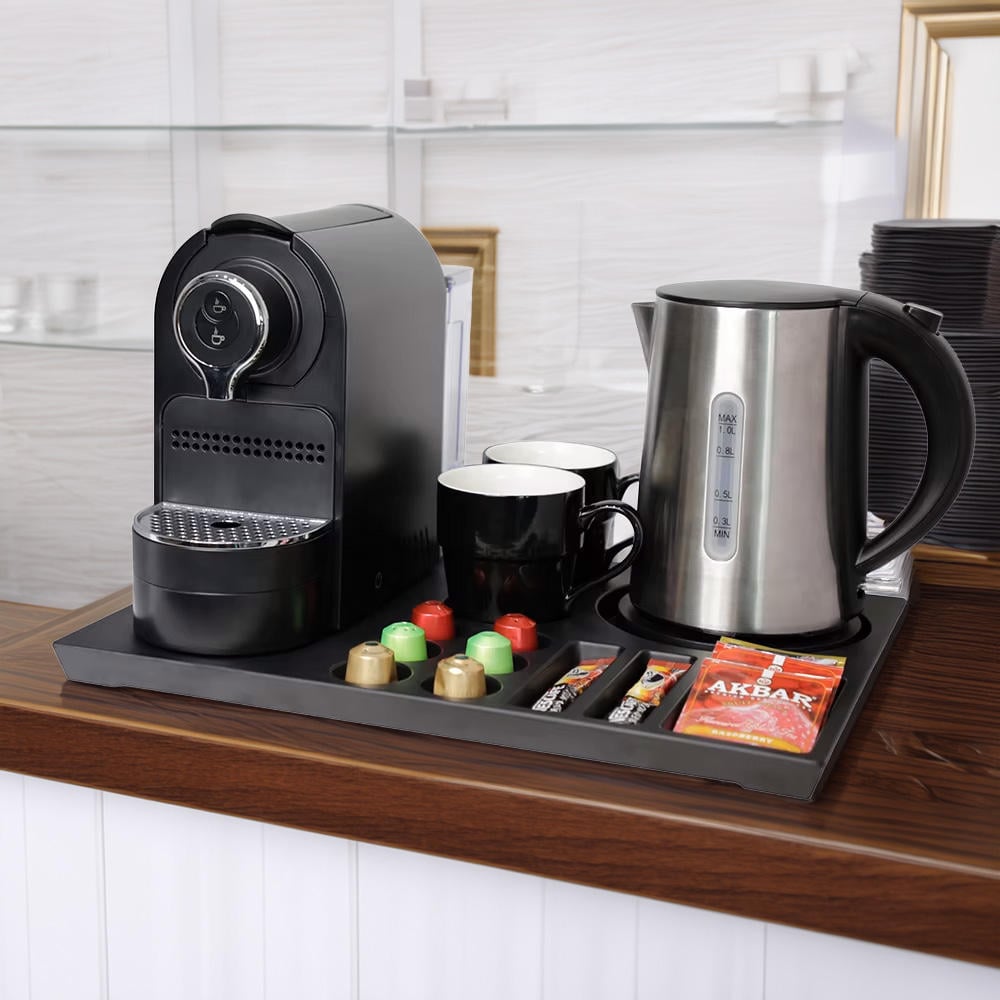
Selecting a coffee machine for your hotel requires far more than evaluating brew quality or aesthetic design. Hotel operators must prioritize safety certifications as a foundational purchasing criterion. A hotel coffee maker represents not only an operational investment but also a liability consideration that directly impacts guest safety, staff protection, and regulatory compliance. Understanding which certifications matter most ensures your property avoids costly recalls, incidents, and potential legal exposure.
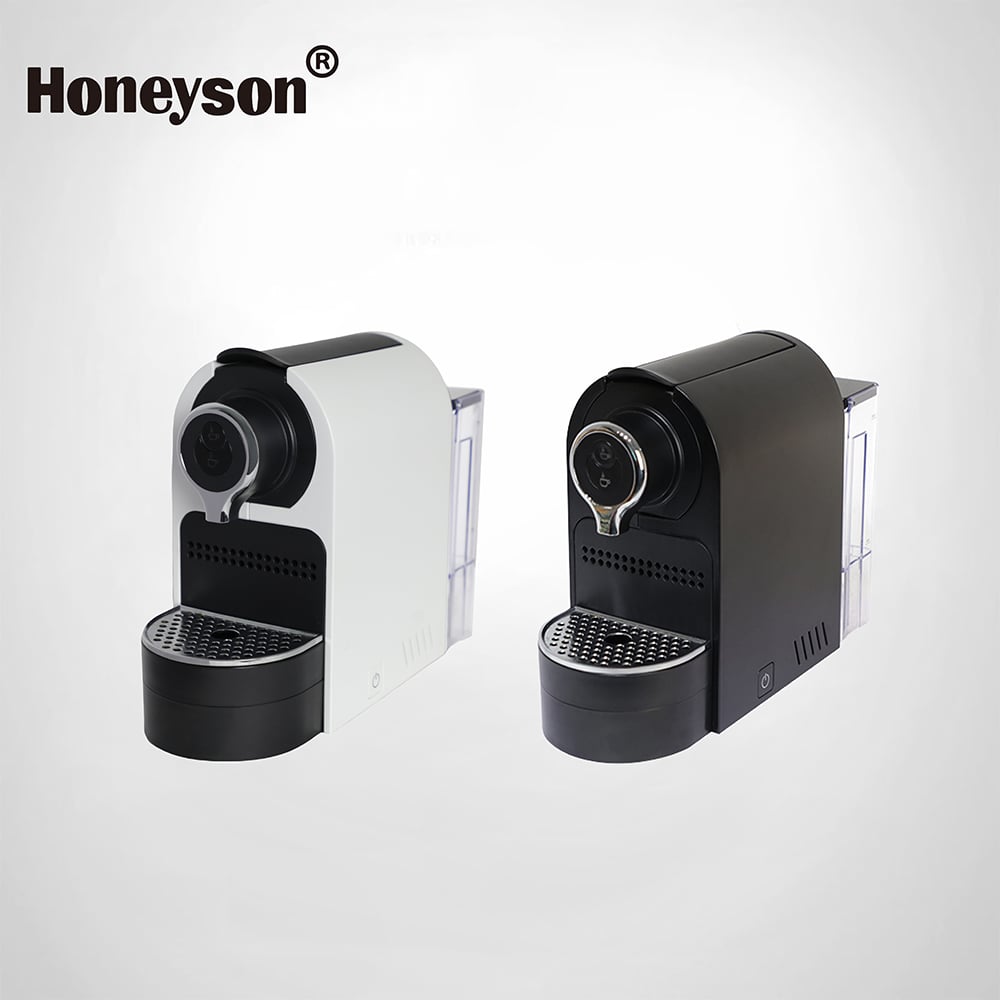
Hotel buyers often focus on price and capacity when evaluating equipment options, inadvertently overlooking the safety infrastructure that protects guests and employees. An OEM coffee machine from a reputable manufacturer typically carries multiple certifications that validate electrical safety, thermal protection, pressure management, and material standards. Verifying these credentials before purchase is not merely recommended—it is essential for responsible property management and operational integrity.
Essential Safety Certifications for Hotel Coffee Makers
Electrical Safety Standards
Every hotel coffee maker must meet electrical safety standards established by independent testing organizations. UL (Underwriters Laboratories) and ETL (Intertek) certifications verify that the coffee machine has undergone rigorous testing for electrical hazards, including shock protection, insulation integrity, and fault tolerance. These certifications ensure that the drip coffee maker or capsule-based unit will not pose electrocution risks in a busy hospitality environment where equipment may experience heavy use and occasional moisture exposure.
When reviewing an OEM coffee machine specification sheet, confirm that UL or ETL marks are prominently displayed and that the certification covers the exact voltage and usage context of your property. North American hotel operators should specifically verify NSF International certification, which extends beyond electrical safety to include sanitation and material compatibility standards relevant to food service equipment.
Thermal and Pressure Management
Coffee machines operate at elevated temperatures and pressures that can create burn hazards and component failure risks. A certified hotel coffee maker includes automatic shut-off valves, pressure relief mechanisms, and thermal limiters that prevent dangerous pressure buildup or scalding water discharge. Certification bodies test these safety features extensively to confirm they function correctly across normal operating conditions and single-point failure scenarios.
Hotel buyers should confirm that the coffee machine carries certifications validating pressure vessel integrity and temperature control systems. This is particularly important for drip coffee maker models that maintain hot water reservoirs for extended periods. Reputable OEM manufacturers include detailed safety documentation that explains how thermal and pressure protections work, giving hotel operators confidence in their equipment investment.
Regulatory Compliance and Certification Verification
Regional and National Standards
Certification requirements vary based on geographic location and local regulations. European hotels must confirm CE marking, which indicates conformance to European health, safety, and environmental protection standards. The CE-marked hotel coffee maker has been assessed for electrical safety, electromagnetic compatibility, mechanical safety, and hygiene compliance relevant to commercial food service environments.
North American properties should verify that the coffee machine meets CSA (Canadian Standards Association) requirements if purchased for Canadian locations. This multi-layer certification approach ensures that your drip coffee maker or capsule model complies with jurisdiction-specific regulations, reducing exposure to non-compliance penalties and liability claims. An OEM coffee machine from a trusted manufacturer typically provides certification documentation for all major markets, simplifying your procurement verification process.
Material Safety and Sanitation Compliance
Hotel coffee makers come into direct contact with water and food products, making material safety a critical concern. NSF International certification confirms that all components contacting water or coffee are food-grade materials that do not leach harmful substances. This certification validates that the hotel coffee maker meets strict standards for lead content in solder and fittings, antimicrobial protection, and cleanability to prevent bacterial growth.
When evaluating a new OEM coffee machine model, request the material compliance documentation and confirm NSF ratings for both hot and cold water pathways. Your hotel coffee maker's internal components must withstand repeated hot water exposure without degradation, and all seals and gaskets should resist microbial contamination. A certified drip coffee maker or espresso unit provides this assurance through verifiable third-party testing, protecting your guests from health risks associated with contaminated equipment.
Documentation and Compliance Verification Strategy
What to Request From Manufacturers
Before finalizing your coffee machine purchase, request comprehensive certification documentation from the OEM. This should include copies of UL, ETL, CSA, or CE certificates; material safety data sheets for all internal components; pressure testing reports; and thermal safety validation data. A reputable hotel coffee maker manufacturer readily provides this documentation, recognizing that hotel buyers have legitimate compliance obligations.
Your hotel coffee maker procurement team should also request evidence that the OEM conducts regular safety testing and maintains current certifications as product specifications evolve. An OEM coffee machine that undergoes periodic recertification demonstrates commitment to ongoing safety assurance, not one-time compliance achievement. Create an internal checklist confirming that your drip coffee maker meets all relevant standards before installation, documenting this compliance verification for liability protection.
Ongoing Maintenance and Compliance Monitoring
Certification validation does not end at installation. Your hotel coffee maker must receive regular maintenance from qualified technicians who understand the importance of preserving certified safety features. A neglected coffee machine may develop component degradation that undermines the effectiveness of pressure relief valves, thermal protection, or electrical safety measures originally verified during certification testing.
Establish a preventive maintenance schedule that includes inspection of safety-critical components and replacement of worn seals, heating elements, or electrical connections. Document all maintenance activities related to your OEM coffee machine, creating a record that demonstrates responsible equipment stewardship. Your hotel coffee maker's safety certification represents a commitment to guest and staff protection that extends throughout the equipment's operational lifespan, not just upon initial purchase.
FAQ
What certifications must a hotel coffee maker have before purchase?
A hotel coffee maker should carry UL or ETL electrical safety certification, regional standards compliance such as CE marking or CSA certification, NSF food service sanitation certification, and pressure vessel integrity validation. These certifications collectively ensure electrical safety, thermal and pressure protection, and material sanitation compliance. Verify that the coffee machine carries certifications specific to your property's geographic location and operational context.
How do I verify that an OEM coffee machine is genuinely certified?
Request official certification documentation directly from the OEM manufacturer, including dated certificates from independent testing organizations such as UL, ETL, NSF, or relevant regional bodies. Verify the serial numbers and model numbers listed on certificates match your specific coffee machine unit. You can also contact the certifying organization directly to confirm that the product registration is current and valid, providing definitive proof before finalizing your purchase.
Are drip coffee maker certifications different from espresso or capsule-based models?
While the core electrical and safety certification requirements apply to all coffee machine types, espresso and capsule-based models may require additional pressure vessel certifications due to their higher operating pressures. A drip coffee maker typically certifies under lower pressure parameters, whereas an OEM coffee machine with espresso capabilities requires validation that pressure relief systems and vessel integrity meet elevated safety thresholds. Always confirm that certifications specifically address the brewing technology your hotel coffee maker employs.
