
 EN
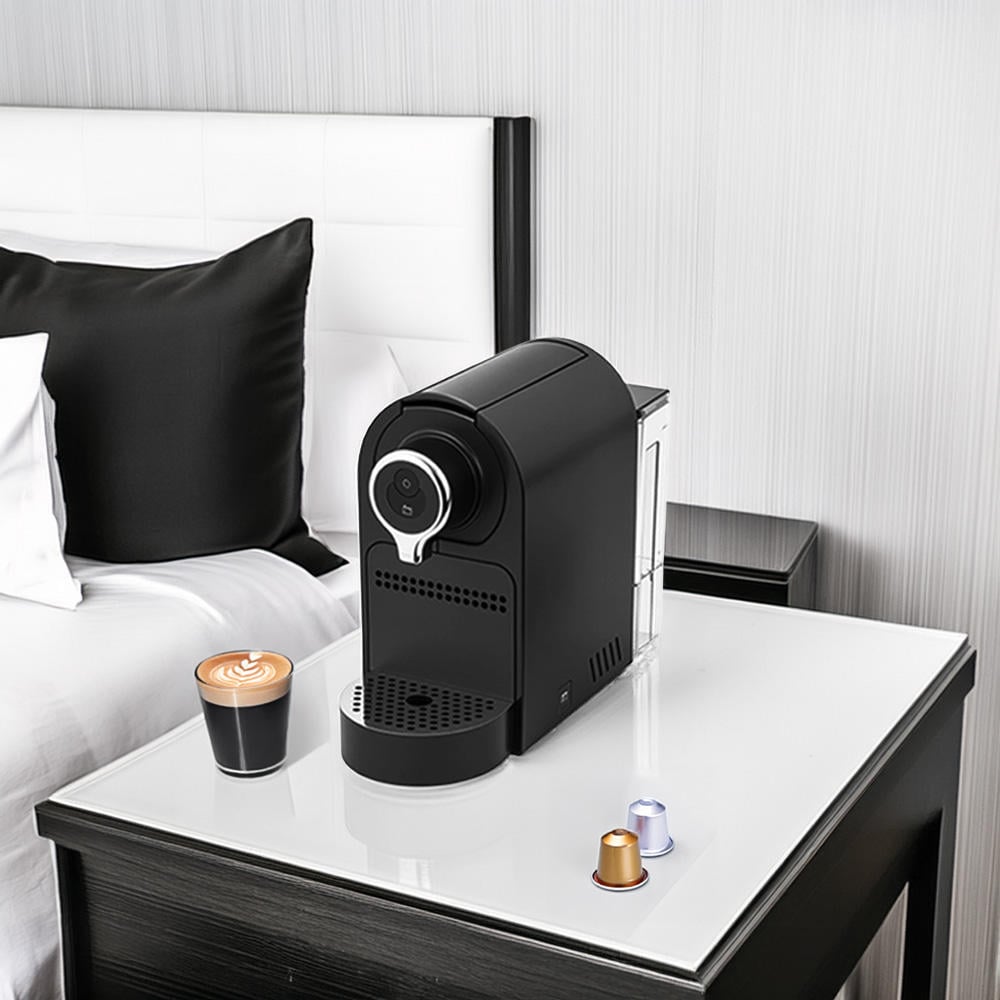
Selecting the right coffee machine for hotel rooms represents a critical decision that directly impacts guest satisfaction, operational costs, and brand reputation. Hotels face two dominant options: capsule coffee machines and drip coffee makers, each offering distinct advantages and tradeoffs in terms of convenience, quality, maintenance requirements, and overall value proposition. Understanding the specifications and practical implications of each technology ensures that hotel operators can make informed choices aligned with their guest demographics, service standards, and budget constraints.
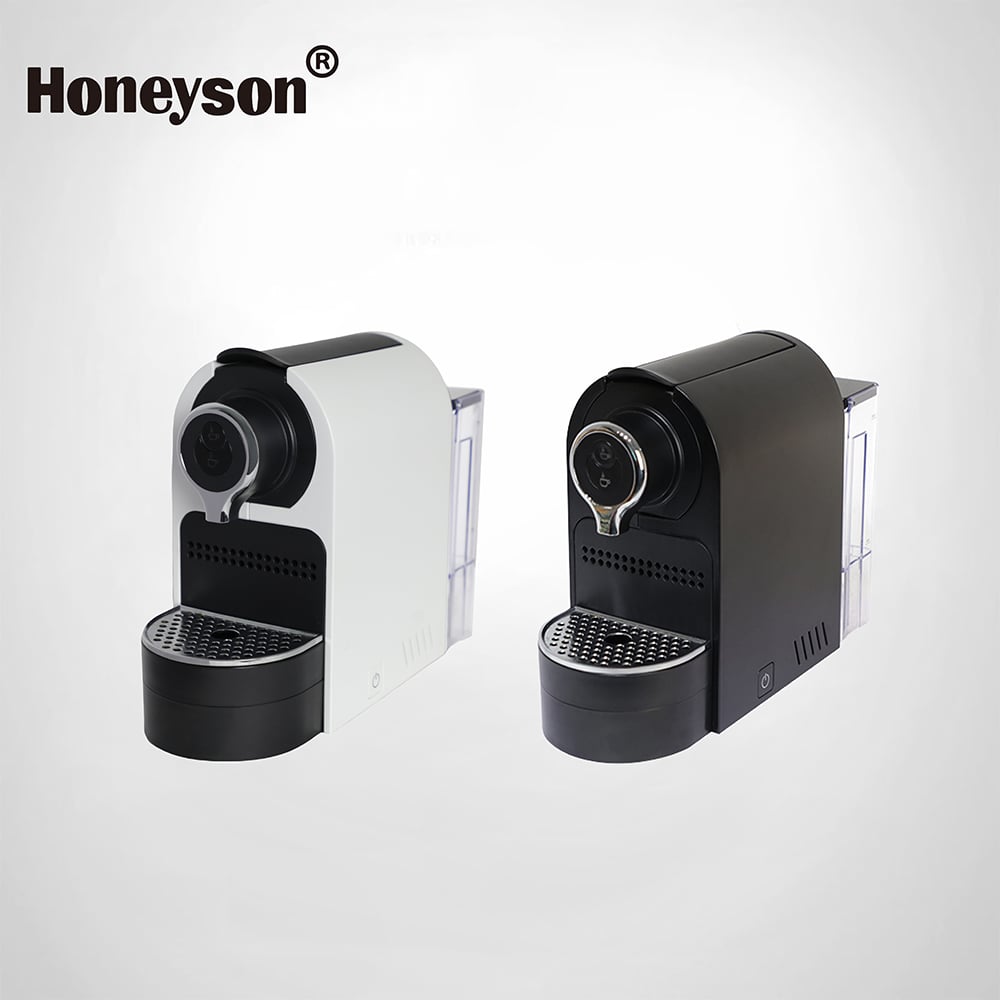
The hotel coffee maker landscape has evolved significantly over the past decade, driven by changing guest expectations and advances in beverage technology. While traditional drip coffee makers remain common in budget and mid-range properties, capsule systems have gained traction in premium segments where speed, consistency, and guest convenience command higher priority. Each platform delivers distinctly different user experiences, operational workflows, and long-term financial implications that warrant detailed evaluation before capital investment and implementation decisions.
Capsule Coffee Machines: Specification and Guest Experience
Technology and Beverage Consistency
Capsule coffee machines utilize pre-measured, sealed coffee pods containing precisely portioned grounds and crema layers optimized for individual cup extraction. This OEM coffee machine design ensures extraordinary consistency across every beverage, eliminating variables associated with manual brewing technique, water temperature calibration, or barista skill. Guests receive identical espresso, cappuccino, or specialty drinks whether they visit a premium downtown hotel or a standard airport property, reinforcing brand reliability and predictability that modern travelers increasingly expect.
The sealed pod architecture maintains coffee freshness by protecting grounds from oxidation and moisture exposure throughout the supply chain and storage period. This preservation mechanism delivers noticeably superior flavor profiles compared to conventional drip systems where ground coffee deteriorates rapidly after exposure to air. Hotels positioned in luxury segments recognize this quality differential as a meaningful competitive advantage that influences guest review ratings and repeat booking decisions.
Speed, Convenience, and Room Service Impact
Capsule systems deliver beverages in 60 to 90 seconds from button press to cup, dramatically outpacing traditional drip coffee makers that require five to ten minutes for complete brewing cycles. This speed advantage translates directly into improved morning guest experience, particularly for business travelers managing tight schedules and early departures. Additionally, the intuitive single-button operation requires zero training, eliminating guest confusion and reducing room service inquiries that consume front desk resources.
The compact footprint of most OEM coffee machine capsule models suits hotel room spatial constraints better than full-size drip systems, freeing premium real estate for other amenities or furniture arrangements. This space efficiency proves particularly valuable in urban markets where room dimensions remain limited and every square foot commands significant revenue implications per night.
Drip Coffee Makers: Specifications and Operational Realities
Initial Cost Structure and Budget Considerations
Traditional drip coffee makers represent significantly lower upfront capital investments compared to capsule hotel coffee maker systems, typically costing 40 to 60 percent less per unit on initial purchase. This cost advantage makes drip systems attractive to budget hotel chains, independent properties, and operators facing capital constraints or portfolio-wide equipment refresh requirements. However, the lower initial expense frequently masks higher lifecycle costs driven by replacement frequency, maintenance labor, and operating inefficiencies that accumulate over multi-year ownership periods.
Ground coffee sourcing through bulk purchasing channels delivers per-cup costs that appear competitive against capsule alternatives on surface analysis. However, this calculation often excludes waste factors, brewing losses, shelf-life deterioration, and labor investment required to maintain drip systems at acceptable performance standards across large property portfolios.
Maintenance Demands and Operational Complexity
Drip coffee makers require regular descaling, filter replacement, and carafe cleaning to maintain hygiene standards and prevent mineral buildup that degrades extraction quality. These maintenance tasks demand direct housekeeping involvement and technical knowledge to execute properly, creating dependency on staff training consistency and adherence to protocols. Properties with high turnover or limited management oversight frequently experience degraded equipment performance and guest complaints stemming from inadequate maintenance execution.
The complexity increases substantially when considering water quality variables. Hard water minerals accumulate rapidly in drip systems, requiring frequent maintenance interventions that consume labor resources and create service disruption when machines undergo descaling cycles. Conversely, capsule systems prove largely immune to water quality variability since sealed pod design isolates grounds from direct water exposure and mineral contact.
Comparative Analysis: Guest Perception and Operational Impact
Premium Market Positioning and Guest Expectations
Five-star hotel properties consistently recognize that in-room coffee machine quality influences overall stay satisfaction ratings and online review sentiment with measurable impact on revenue. Guests at luxury properties expect espresso-quality beverages delivered with convenience comparable to coffee shop experience, requirements that capsule systems fulfill naturally while drip coffee maker alternatives disappoint. This perception gap directly correlates with guest willingness to recommend properties and likelihood of return bookings, making equipment selection strategically important beyond simple cost accounting.
The OEM coffee machine category caters specifically to hospitality operators seeking premium positioning and differentiation. These specialized systems deliver reliability, consistency, and guest experience quality that generic consumer drip models cannot match, justifying higher equipment costs through demonstrable revenue and satisfaction benefits.
Operational Efficiency and Staff Resource Allocation
Capsule systems reduce room service requests, maintenance demands, and staff training requirements compared to drip alternatives, effectively lowering total operating costs despite higher equipment purchase prices. Properties report measurable reductions in guest complaints related to coffee quality, machine malfunction, and beverage inconsistency when transitioning from drip to capsule platforms. These operational improvements translate into lower labor costs, improved staff satisfaction, and enhanced capacity to serve other guest needs.
The maintenance profile difference proves particularly significant in large properties managing hundreds of in-room machines simultaneously. Drip systems distributed across extensive portfolios create compounding maintenance burdens that accumulate labor hours and create service vulnerability, whereas capsule systems remain largely maintenance-free beyond occasional pod restocking.
FAQ
What specifications matter most when selecting a hotel coffee maker?
Key specifications include brewing speed, cup capacity, water heating efficiency, footprint dimensions, noise levels, user interface complexity, and maintenance requirements. For hotel applications specifically, prioritize speed for guest convenience, reliability to minimize service disruptions, and low maintenance demands to reduce staff workload. Capsule systems excel in these hospitality-specific criteria, while drip coffee makers prioritize raw cost minimization over operational convenience and consistency standards.
Can a drip coffee maker match the quality of a capsule OEM coffee machine?
Premium drip systems can produce quality beverages when operated properly with high-quality beans and meticulous maintenance, but consistency proves challenging due to variables like water temperature, grind uniformity, and operator technique. Capsule machines eliminate these variables through sealed pod design, delivering identical quality across every brewing cycle regardless of operator skill. For hotels prioritizing guest experience consistency, capsule systems provide superior value despite higher equipment costs.
What financial factors should guide the choice between these coffee machine types?
Evaluate total cost of ownership across 5 to 7 year periods, including equipment purchase, pod or bean sourcing costs, maintenance labor, replacement frequencies, and revenue impact from guest satisfaction differences. Capsule systems typically deliver better financial returns in premium properties where guest experience drives repeat bookings and positive reviews. Drip coffee maker options may prove adequate for budget properties where guests expect fewer amenities and cost minimization takes priority over premium positioning.
