
 EN

Defrosting is a critical maintenance task for any small refrigerator, yet many users underestimate its importance. Frost buildup reduces cooling efficiency, increases energy consumption, and can eventually damage the compressor. Understanding the right defrost methods for your small refrigerator ensures optimal performance and extends the unit's lifespan. Whether you operate a hotel refrigerator in a commercial kitchen or maintain a compact fridge in a dorm room, proper defrosting techniques protect your investment and keep food fresh.
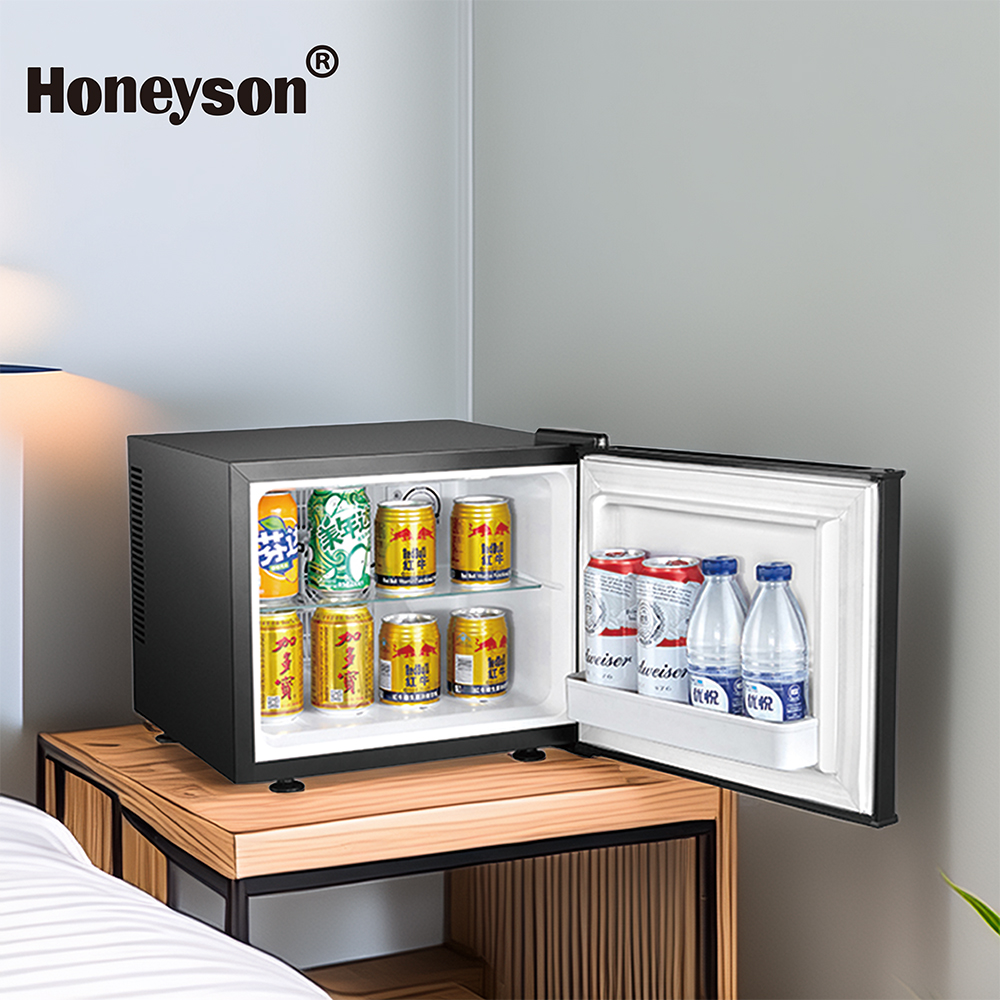
The maintenance impact of defrosting directly affects energy costs, food safety, and equipment longevity. An OEM small refrigerator or hotel refrigerator with accumulated frost works harder to maintain temperature, consuming significantly more electricity. Regular defrosting prevents ice buildup that forces the compressor to cycle continuously, which accelerates wear and reduces the unit's operational life. By implementing strategic defrost methods, you minimize repair costs and ensure consistent cooling performance across all shelf positions.
Understanding Manual Defrost Methods
The Traditional Defrost Cycle
Manual defrosting remains the most common approach for compact fridge models and many OEM small refrigerator designs. This method requires unplugging the unit, removing food items, and allowing ice to melt naturally or using controlled heat sources. For a small refrigerator with significant frost accumulation, manual defrosting typically takes four to eight hours depending on freezer compartment size and ice thickness. Placing towels inside the cabinet catches dripping water and prevents floor damage, while setting bowls of warm water inside accelerates melting without damaging plastic components.
Safety Considerations During Manual Defrost
Never use sharp objects, hair dryers, or direct flame to speed up defrosting a compact fridge or hotel refrigerator, as these methods damage insulation and create electrical hazards. Scratching interior walls compromises the unit's thermal integrity and can cause refrigerant leaks. Instead, use a plastic scraper gently or allow natural melting with warm water bowls. Ensure all electrical plugs are disconnected before beginning any manual defrost procedure on your small refrigerator.
Automatic Defrost Systems and Their Benefits
How Self-Defrosting Technology Works
Modern OEM small refrigerator and hotel refrigerator models increasingly feature automatic defrost systems that cycle periodically without user intervention. These systems use heating elements controlled by timers to gently warm the evaporator coils, melting accumulated frost. The melted water drains through designated channels to an external collection pan, eliminating manual labor. For a compact fridge operating in hospitality or laboratory settings, automatic defrosting reduces downtime and ensures consistent temperature stability throughout the day.
Maintenance Requirements for Automatic Defrost
Automatic defrost systems in a small refrigerator require regular inspection of drain channels to prevent blockages that cause water accumulation inside the cabinet. Check the external drain pan monthly and empty it to prevent overflow and potential flooding. Ensure the drain plug remains clear and unobstructed. While automatic systems reduce manual labor compared to manual defrost approaches, they consume slightly more energy during heating cycles. However, this additional energy use is offset by improved overall efficiency when compared to heavily frosted manual-defrost units.
Maintenance Impact and Long-Term Performance
Energy Efficiency and Defrost Strategy
Selecting appropriate defrost methods directly influences the energy consumption profile of your small refrigerator. Heavily frosted units consume up to thirty percent more electricity than properly maintained models due to reduced heat transfer efficiency. A hotel refrigerator or compact fridge that undergoes regular defrosting maintains optimal thermal performance and operates within design specifications. Implementing a consistent defrost schedule, whether manual or automatic, prevents the efficiency degradation that typically occurs after several months of continuous operation.
Extending Equipment Lifespan Through Proper Defrosting
The compressor in any OEM small refrigerator experiences stress when working against frost accumulation. Excessive cycling caused by frost-related efficiency loss accelerates wear on electrical components and mechanical parts. By maintaining defrost discipline, you reduce compressor strain and extend the expected operational lifespan of your hotel refrigerator or compact fridge by several years. Regular maintenance schedules that include seasonal deep defrosting prevent catastrophic failures and emergency replacement costs.
FAQ
How often should I defrost my small refrigerator?
Most manual-defrost small refrigerator units require defrosting every three to six months, depending on humidity levels, door opening frequency, and ambient temperature. A hotel refrigerator or compact fridge in humid environments may need more frequent attention. Automatic defrost systems handle this internally, though you should still inspect drain channels monthly. Check your OEM manual for specific recommendations based on your unit's design and usage patterns.
Can I leave my small refrigerator unplugged overnight during defrosting?
Yes, leaving your compact fridge unplugged overnight accelerates the defrost process without damaging components. Remove all perishable foods and place them in a cooler with ice. This method works well for heavy frost buildup and prevents the need for active heating during manual defrost. For a hotel refrigerator or OEM small refrigerator, plan overnight defrosting during low-usage periods to minimize operational disruption.
What does water pooling inside my compact fridge indicate?
Water pooling suggests either a blocked drain channel or excessive frost accumulation that exceeds the defrost system's capacity. For a small refrigerator with automatic defrost, check the drain hole and clear any debris preventing water flow. If your compact fridge or hotel refrigerator shows standing water despite clear drain channels, the unit may need professional service to verify proper defrost cycle function.
