
 EN
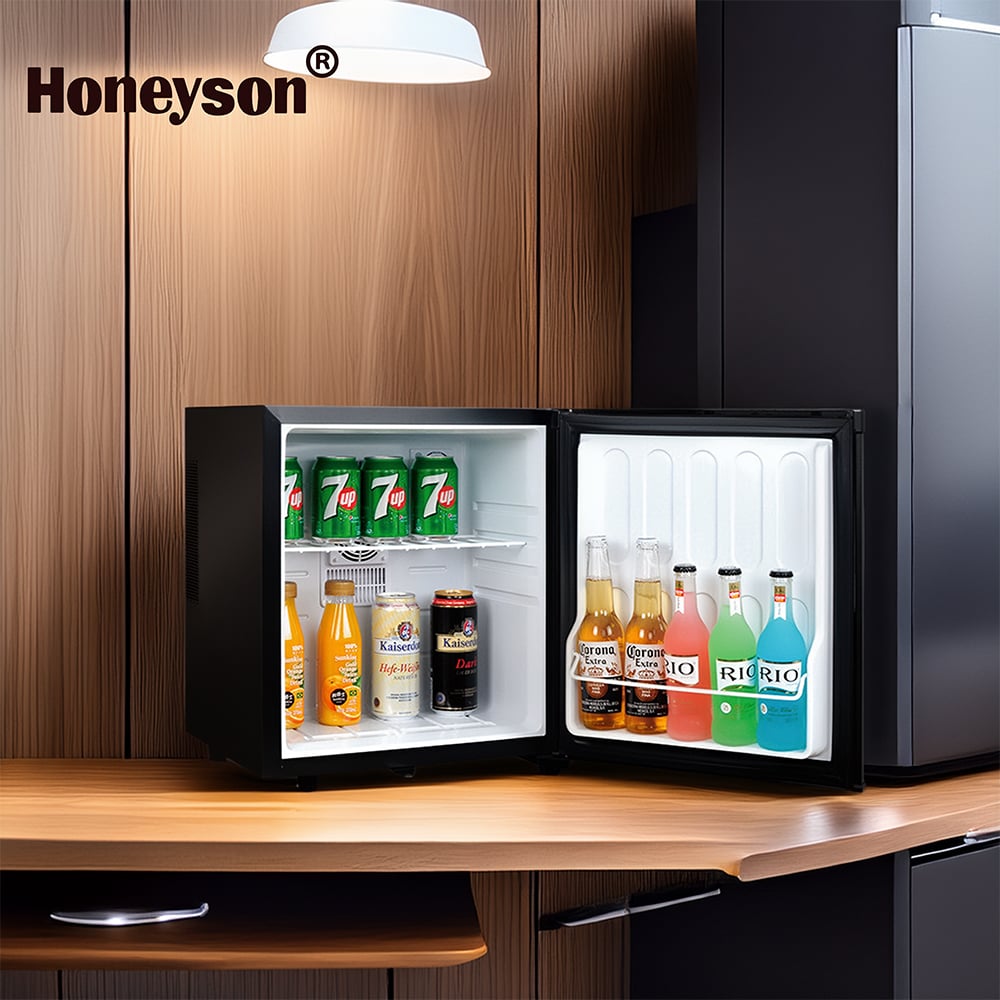
When hotels purchase a small refrigerator for guest rooms, the unit's ability to survive shipping and handling directly impacts both guest satisfaction and operational costs. A small refrigerator that arrives damaged requires replacement, delays room setup, and creates negative guest experiences. This is why hotels should insist on packaging drop tests before accepting any small refrigerator shipment from their suppliers. Packaging drop tests simulate real-world shipping hazards and verify that a small refrigerator can withstand the rigors of transportation without failure.
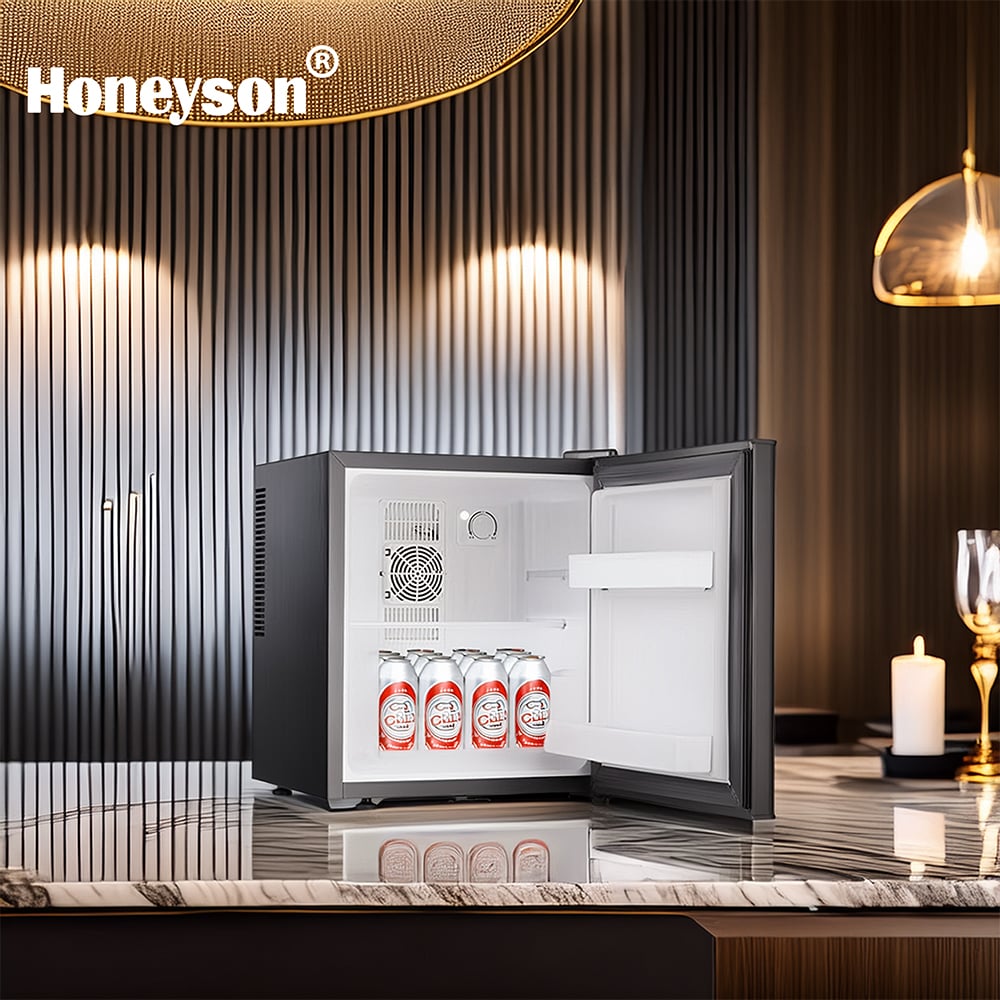
Demanding drop test documentation from OEM suppliers is a straightforward way to reduce damage claims, minimize waste, and protect the hotel's investment. An small refrigerator that passes standardized drop tests arrives intact, functions reliably, and contributes to positive guest experiences. Understanding what these tests measure and why they matter helps hotel procurement teams make informed purchasing decisions and set clear expectations with manufacturers.
Understanding Packaging Drop Tests for Refrigeration Units
What Drop Tests Measure
Packaging drop tests measure the ability of a packaged hotel refrigerator to withstand falls from specified heights without damage. These tests drop the sealed package from predetermined heights, typically ranging from 24 to 60 inches depending on the test standard and the size of the unit. The compact fridge is then inspected for external damage, internal component failure, coolant leaks, electrical system integrity, and functional performance. A well-designed hotel refrigerator package distributes impact forces across multiple surfaces and materials, protecting the unit from fractures, dents, and component displacement during transit.
Industry Standards and Requirements
Drop tests follow established standards such as ISTA (International Safe Transit Association) protocols, which define precise test conditions including drop height, impact surface, package orientation, and acceptance criteria. OEM small refrigerator manufacturers typically conduct ISTA 3A or ISTA 3E tests, which simulate multiple drop scenarios from various angles. Hotels should request certification that their compact fridge supplier conducts these standardized tests and maintains documentation proving compliance. This verification ensures consistent quality control and reduces the risk of receiving units that fail under real shipping conditions.
Why Hotels Must Prioritize Drop Test Verification
Reducing Damage Claims and Replacement Costs
Hotels that receive damaged small refrigerator units face immediate operational challenges. A damaged hotel refrigerator cannot be deployed to a guest room, which forces housekeeping delays, room-status complications, and potential guest complaints if rooms must be held out of inventory. Each replacement unit ordered, shipped, and installed represents added cost beyond the original purchase price. By requiring OEM small refrigerator drop test certification upfront, hotels shift quality assurance responsibility to the manufacturer and document baseline performance expectations. This approach reduces surprise failures and creates a clear contractual basis for rejecting substandard shipments.
Ensuring Long-Term Unit Reliability
A compact fridge that survives drop testing likely has robust internal construction and well-secured components. Units that pass rigorous impact tests demonstrate superior build quality, which typically correlates with longer operational life and fewer mid-service failures. Hotels benefit from units that remain reliable throughout their intended service life, reducing emergency repair calls and unplanned maintenance shutdowns. When suppliers document that their hotel refrigerator meets drop test standards, they communicate confidence in their product design and manufacturing rigor, which translates to lower total cost of ownership for the hotel.
Implementing Drop Test Requirements in Procurement
Setting Clear Supplier Expectations
Hotels should include drop test certification as a mandatory requirement in purchase specifications and supplier agreements. The specification should clearly state which small refrigerator models require certification, which test standards must be followed, and what documentation the OEM must provide before shipment. A hotel refrigerator supplier should be able to supply ISTA compliance certificates, test reports showing pass results, and package design specifications that detail protective materials used. By establishing these expectations upfront, hotels avoid disputes with suppliers and ensure that every compact fridge shipment meets the agreed performance baseline.
Monitoring and Audit Best Practices
Hotels should periodically audit supplier compliance by requesting updated drop test certificates and inspecting incoming small refrigerator packages for signs of damage or quality degradation. On-site inspection protocols should include visual package assessment, verification of tamper seals, documentation review, and randomized sample testing of received units. If a hotel refrigerator arrives with visible damage despite supplier certification, documentation of the failure creates evidence for warranty claims and helps identify whether the issue stems from packaging design or post-shipment mishandling. Establishing a feedback loop with the OEM small refrigerator supplier ensures continuous improvement and demonstrates to the supplier that the hotel takes quality seriously.
FAQ
What happens if a small refrigerator fails a drop test?
If a hotel refrigerator fails a drop test, the manufacturer must redesign the packaging or improve the unit's protective mounting to pass the standard. A failed compact fridge test indicates inadequate shock absorption, insufficient cushioning material, or internal component vulnerabilities. The OEM should document the failure, investigate root causes, modify the package design, and retest until the small refrigerator passes consistently. Hotels should avoid suppliers whose compact fridge units fail to meet standardized drop test criteria.
How often should hotels request updated drop test certifications?
Hotels should request updated small refrigerator drop test certifications annually or whenever the supplier changes packaging materials, unit design, or manufacturing processes. If a hotel refrigerator supplier updates their compact fridge model or introduces a new OEM small refrigerator line, new drop tests should be conducted to verify that the changes do not compromise package integrity. Regular certification audits ensure that suppliers maintain quality standards and provide hotels with current, relevant documentation supporting ongoing purchasing decisions.
Can hotels perform drop tests themselves, or should they rely on OEM certification?
Most hotels lack the specialized equipment and expertise to conduct standardized drop tests on small refrigerator units, so relying on OEM certification is practical and cost-effective. However, hotels can request that suppliers conduct tests at third-party independent laboratories to ensure objectivity and compliance with recognized standards. A hotel refrigerator supplier willing to test their compact fridge at an accredited facility demonstrates confidence in their product and provides the hotel with unbiased verification. This approach combines the convenience of supplier accountability with the credibility of independent testing.