
 EN
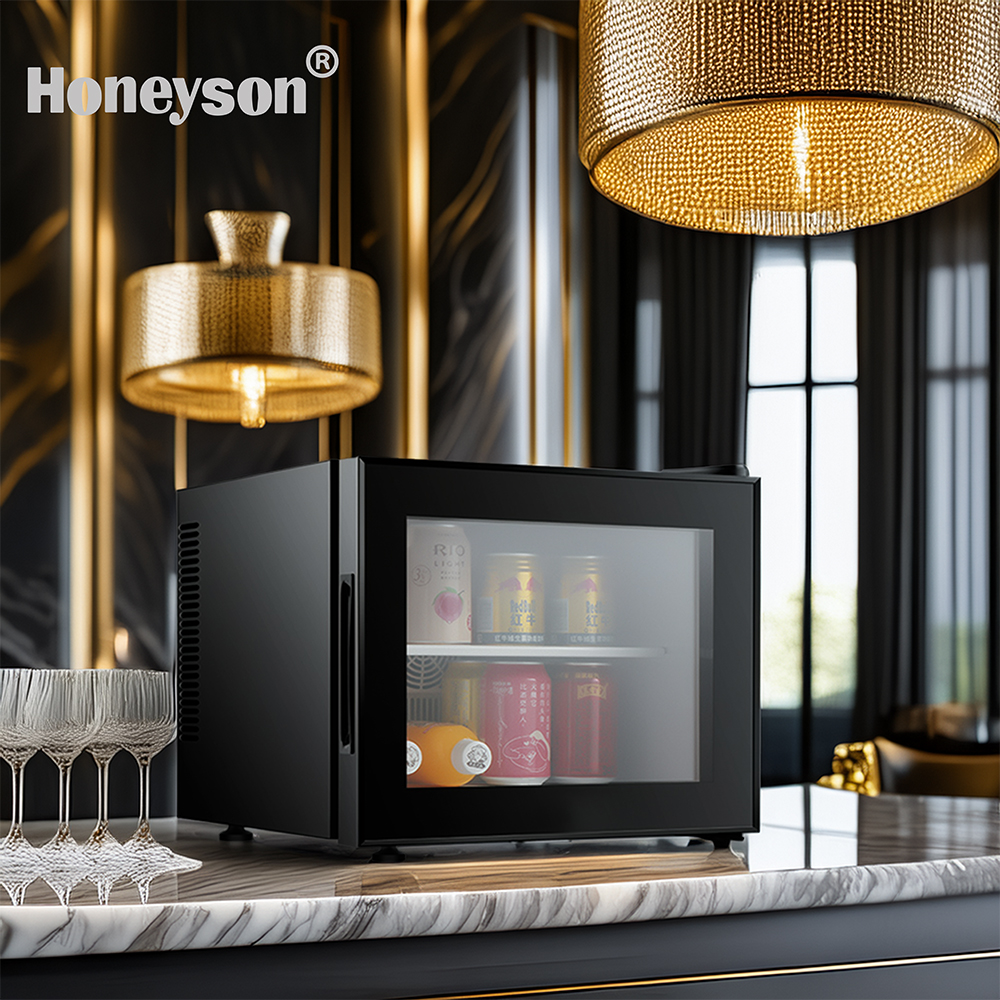
Designing an effective minibar program requires careful attention to the hardware that serves as its foundation. A lockable small refrigerator is not merely a storage unit; it represents a critical investment in guest satisfaction, revenue protection, and operational efficiency. Hotels and hospitality operators face numerous decisions when selecting the right compact fridge for their rooms, and understanding the design considerations that govern this choice can significantly impact both profitability and guest experience.

The modern hotel refrigerator has evolved far beyond simple temperature control. Today's compact fridge solutions must balance security, aesthetics, energy efficiency, and user convenience while fitting seamlessly into room design. For properties running minibar programs, these considerations become even more complex because the unit serves dual purposes: guest convenience and revenue optimization. This comprehensive guide explores the key design factors that should influence your selection of a lockable small refrigerator for minibar applications.
Security and Access Control Features
Lock Mechanisms and Integration
Security forms the cornerstone of any successful minibar program, and the locking mechanism of your small refrigerator directly affects inventory control and loss prevention. Electronic locks offer superior integration with hotel management systems, enabling remote monitoring and access logs. An OEM small refrigerator designed for hospitality should feature a lock that prevents unauthorized access while allowing legitimate guest use, typically through a keycard system or combination code. The lock should not compromise the unit's structural integrity or cooling performance, and it must withstand repeated use without degradation. Consider whether your hotel refrigerator needs integration with your property management system for real-time inventory tracking and automated billing.
Tamper Detection and Alerts
Modern compact fridge systems increasingly incorporate door sensors that trigger alerts when the unit is opened without authorization. These sensors provide valuable data for revenue reconciliation and help identify guests who may have removed items without payment. A well-designed hotel refrigerator with tamper detection can automatically record opening events and alert staff to potential issues. For minibar programs, this feature protects revenue while also managing operational costs by identifying maintenance needs early. The sensor system should be reliable enough to distinguish between legitimate guest use and unauthorized access patterns.
Capacity and Layout Design
Internal Organization and Shelving
The interior organization of a small refrigerator determines how efficiently it can be stocked and accessed by guests. An effective compact fridge for minibar use typically features removable shelves and clear sight lines so guests can easily locate beverages and snacks. The layout should accommodate both standard bottle sizes and smaller packaged items, with dedicated compartments for ice and temperature-sensitive products. An OEM small refrigerator manufactured for hospitality applications usually incorporates design elements that maximize usable space while maintaining structural rigidity. Shelf positioning should allow easy restocking by housekeeping staff without requiring complete removal of every item.
Capacity Optimization for Guest Rooms
Most hotel refrigerator units for guest rooms range from 40 to 60 liters, representing a sweet spot between functionality and space constraints. This size typically holds approximately 20 to 30 beverage items, sufficient for a typical guest stay while preventing overstock situations that complicate restocking schedules. A smaller capacity compact fridge reduces energy consumption and fits more easily into varied room layouts, while a unit that is too small may frustrate guests seeking multiple beverage options. When evaluating OEM small refrigerator specifications, consider your property's typical occupancy patterns and average guest stay duration to determine optimal capacity.
Energy Efficiency and Operational Considerations
Cooling Performance and Temperature Control
An efficient small refrigerator minimizes operational costs while maintaining proper food and beverage safety standards. Hotel refrigerator units should maintain consistent temperatures between 2 and 8 degrees Celsius without excessive frost buildup or temperature fluctuations. Modern compact fridge technology employs advanced insulation and compressor designs that reduce energy consumption by 20 to 30 percent compared to older models. The thermostat control should be intuitive for guests while protecting against accidental adjustment that could compromise product preservation. When selecting an OEM small refrigerator, verify that it meets regional energy efficiency standards and includes features like automatic defrost cycles that reduce maintenance burden.
Noise Levels and Guest Comfort
A quiet small refrigerator contributes significantly to positive guest experiences, particularly in properties where rooms are closely situated. Operating noise levels for quality hotel refrigerator units should remain below 40 decibels, roughly equivalent to normal conversation. Compressor quality and vibration dampening directly influence noise performance, making these features critical when evaluating compact fridge options. A noisy unit can generate complaints and negative reviews despite providing adequate cooling functionality. Brands specializing in hospitality applications typically prioritize acoustic design, recognizing that guest satisfaction extends beyond functional performance to include environmental comfort factors.
Durability and Maintenance Requirements
Material Construction and Longevity
The materials used in constructing an OEM small refrigerator directly determine how well it withstands the demanding environment of hotel use. Stainless steel or powder-coated metal exteriors resist corrosion and maintain aesthetic appeal through numerous cleaning cycles. Interior components should feature food-grade materials that resist staining and odor absorption from repeated product exposure. A well-built hotel refrigerator typically maintains performance and appearance for 5 to 7 years of active use, representing an acceptable equipment lifecycle for hospitality applications. When selecting a compact fridge, examine component warranties and inquire about availability of replacement parts for long-term serviceability.
Cleaning Access and Sanitation
Maintaining proper hygiene standards requires that your small refrigerator design facilitates regular cleaning without extensive disassembly. Removable shelves and accessible drain systems in quality hotel refrigerator units allow housekeeping staff to complete sanitation procedures quickly and thoroughly. A compact fridge that traps moisture or prevents easy access to interior surfaces creates maintenance challenges and potential health code compliance issues. Drain placement should direct condensation away from electrical components and prevent standing water that could harbor bacteria. Design features that support regular cleaning cycles extend the lifespan of your small refrigerator while maintaining guest confidence in product safety and quality.
FAQ
What capacity should I choose for a hotel refrigerator in a standard guest room?
Most hospitality properties find that a 40 to 60-liter small refrigerator provides optimal functionality for typical guest stays. This capacity balances guest expectations for beverage and snack variety with practical restocking frequency for housekeeping teams. Smaller units occupy less floor space and consume less energy, while larger capacity compact fridges reduce restocking labor but require more room. Your specific choice depends on your property's room layout, typical guest profiles, and minibar revenue goals. Testing different sizes during a pilot program can help you determine the right capacity for your operational environment.
How do electronic locks improve minibar program management?
Electronic locking systems integrated with your hotel refrigerator enable real-time monitoring of access patterns and automatic billing triggers when items are removed. These systems eliminate the need for manual inventory audits and reduce revenue loss from unrecorded item removal. An OEM small refrigerator with smart lock integration allows property managers to view usage reports, identify maintenance issues early, and optimize minibar pricing strategies. Remote access capabilities mean staff can grant or restrict access without physical presence in guest rooms. Electronic systems also create audit trails that support dispute resolution when guests question billing accuracy.
What noise level is acceptable for a compact fridge in a guest room?
A quality small refrigerator or hotel refrigerator should operate at or below 40 decibels, similar to background office noise. Levels above 45 decibels can interrupt sleep and generate guest complaints despite the unit functioning correctly. Premium OEM small refrigerator models often feature enhanced insulation and optimized compressors that keep noise well below 40 decibels. Placing the compact fridge on vibration-dampening pads and ensuring proper ventilation space further reduces transmitted noise. When evaluating models, request sound samples or visit properties using similar units to assess real-world performance in your room environment.
