
 EN
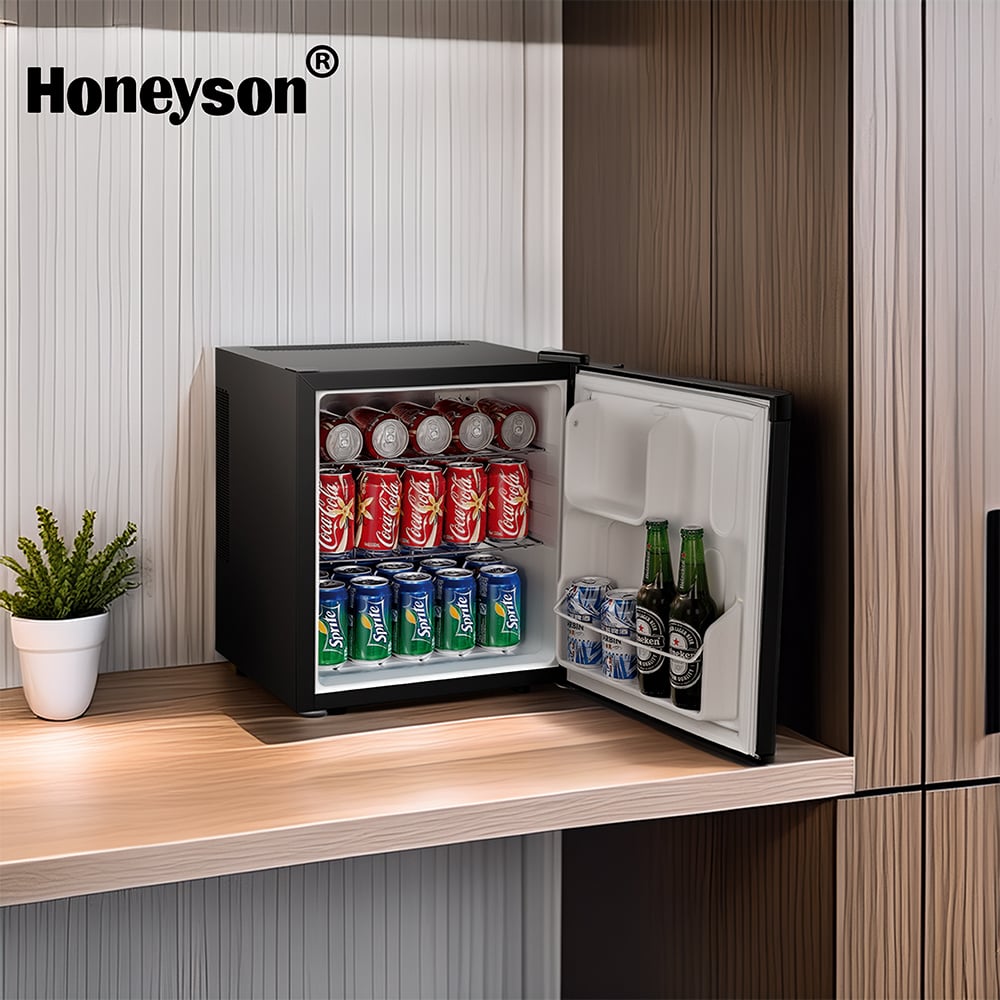
Temperature drift remains one of the most persistent quality challenges in small refrigerator production batches. When units fail to maintain consistent cooling performance across an entire manufacturing run, the consequences ripple through inventory management, warranty claims, and customer satisfaction. Unlike larger commercial cooling systems, a small refrigerator operates within tighter performance margins where even minor calibration deviations or component inconsistencies can cause noticeable temperature fluctuations that compromise food safety and product integrity.

Understanding the root causes of temperature drift in a hotel refrigerator or compact fridge production environment is essential for implementing lasting solutions. Temperature instability typically originates from thermostat calibration errors, refrigerant charge inconsistencies, compressor performance variation, or sensor malfunction during assembly. Production facilities that address these issues systematically reduce batch rejection rates, improve regulatory compliance, and strengthen brand reputation. This guide explores the practical diagnostic and corrective approaches that manufacturers use to identify and resolve temperature drift in small refrigerator production.
Identifying Root Causes of Temperature Drift
Thermostat Calibration and Sensor Accuracy
Temperature control in a compact fridge depends almost entirely on accurate thermostat function and sensor readings. During production assembly, thermostats must be calibrated to respond consistently across the operating range, typically between 32°F and 50°F for small refrigerator units. Drift occurs when calibration tolerances exceed specifications, causing some units in a batch to sense temperature incorrectly and trigger compressor cycles at wrong intervals. Hotel refrigerator applications demand even tighter sensor precision because guest expectations and food safety standards leave no margin for error.
Sensor drift can also result from improper installation depth, loose electrical connections, or contamination during assembly. OEM small refrigerator manufacturers often encounter batch issues when assembly line technicians fail to follow torque specifications or thermally insulate sensors adequately. Testing each sensor before compressor installation and using automated verification equipment can catch these defects before they propagate through an entire production run.
Refrigerant Charge Inconsistencies
The refrigerant charge volume directly influences compressor cycling frequency and overall cooling capacity in a small refrigerator. Even small deviations—typically within 5 to 10 grams—can shift the temperature setpoint by 2 to 5 degrees Fahrenheit. In compact fridge production environments, manual charging methods often introduce variability because operators may not achieve identical pressure readings across units. Atmospheric conditions, hose temperature, and measurement timing all affect charge accuracy when using traditional scales.
OEM small refrigerator batch production benefits significantly from adopting automated refrigerant charging systems that maintain consistent pressure and weight parameters. Hotels expecting uniform performance from replacement hotel refrigerator units depend on rigorous charge verification. Implementing post-charge pressure testing and documenting values for traceability ensures that any future drift can be traced to batch-specific charging parameters.
Compressor Performance and Component Consistency
Compressor Motor Variation and Speed Control
Compressors sourced from different suppliers or production lots can exhibit speed variation under identical operating conditions. In a small refrigerator, compressor displacement and rotational speed directly determine refrigerant circulation and evaporator temperature. Batch temperature drift often traces to compressors installed during specific production weeks when component suppliers delivered units with performance outside tight specifications. Testing compressor displacement, motor winding resistance, and no-load speed provides early detection of problematic units.
Hotel refrigerator applications require compressors meeting tight tolerances because ambient conditions in guest rooms vary widely. A compact fridge must maintain consistency regardless of whether the room is cold or warm. Verifying compressor performance before installation into small refrigerator chassis prevents drift that appears only after customers deploy units in real-world environments.
Condenser and Evaporator Airflow Obstruction
Dust accumulation, foam insulation fragments, or assembly debris can restrict airflow across evaporator and condenser coils. In small refrigerator production, these obstructions may not cause immediate failure but gradually reduce cooling capacity throughout the unit's operational life. Batch temperature drift sometimes reflects inconsistent debris removal during assembly rather than component defects. A hotel refrigerator experiencing drift might have debris trapped in coil channels, reducing heat transfer efficiency and requiring the compressor to run longer to maintain setpoint.
Implementing post-assembly vacuum testing and verifying airflow with basic measurement techniques catches these issues before shipment. Cleanroom assembly practices for OEM small refrigerator production, combined with visual inspection checkpoints, eliminate most debris-related drift problems.
Testing Protocols and Corrective Actions
Establishing Temperature Stability Benchmarks
Production facilities must define acceptable temperature drift tolerances before testing begins. Most small refrigerator specifications allow ±2°C variation from the nominal setpoint after reaching thermal equilibrium. Hotel refrigerator standards often demand ±1.5°C precision to ensure guest satisfaction. Testing must account for ambient temperature swings, compressor cycling frequency, and stabilization time. Units that drift beyond thresholds during 24-hour chamber testing receive detailed diagnostics to isolate the failing component.
Compact fridge testing should simulate real-world conditions by cycling ambient temperature and measuring response times. Batch testing protocols that expose temperature sensitivity early allow production teams to implement corrective actions before releasing units to inventory. Documenting baseline temperature curves for each production batch creates traceability and supports root cause analysis when field failures occur.
Implementing Corrective Manufacturing Strategies
Once a small refrigerator batch exhibits temperature drift, systematic troubleshooting begins with isolating which component or assembly step caused the deviation. Selecting several affected units for teardown inspection often reveals assembly errors, calibration mistakes, or component defects that didn't appear during final testing. Correcting thermostat calibration procedures, tightening supplier quality standards, or redesigning assembly fixtures can prevent recurrence. Hotel refrigerator manufacturers frequently adjust thermostat offset values or implement secondary sensor verification steps to eliminate drift in future OEM small refrigerator batches.
Tracking which production shift, which component supplier, and which assembly technician was associated with drifting units enables targeted intervention. Retraining, fixture adjustment, or supplier escalation follows immediately. Compact fridge production benefits from continuous improvement cycles where each batch teaching informs the next round of manufacturing controls.
FAQ
What temperature range should a small refrigerator maintain?
A small refrigerator typically maintains temperatures between 32°F and 50°F, with the ideal setpoint around 40°F for food safety. Acceptable drift tolerance is usually ±2°C from the nominal setpoint. Hotel refrigerator and compact fridge applications may demand tighter control, such as ±1.5°C, to meet guest expectations and regulatory compliance. Temperature stability becomes critical when storing medications, cosmetics, or other temperature-sensitive items in OEM small refrigerator units.
How can manufacturers test for temperature drift during production?
Manufacturers use controlled chamber testing to simulate real-world conditions, placing small refrigerator units in temperature chambers that cycle ambient conditions while recording internal temperature every 15 to 30 minutes over 24 hours. Compact fridge units that show temperature drift beyond specified tolerances receive component-level diagnostics. Hotel refrigerator testing often includes multiple ambient cycles to verify stability under varying conditions. Threshold-based automated testing flags problematic units from each batch for further investigation.
What is the most common cause of temperature drift in small refrigerator batches?
Thermostat calibration error accounts for roughly 40 to 50 percent of temperature drift issues in small refrigerator production. Refrigerant charge inconsistency represents the second leading cause, followed by compressor performance variation. Hotel refrigerator and OEM small refrigerator manufacturers reduce drift significantly by implementing automated thermostat calibration and refrigerant charging equipment. Regular preventive maintenance of assembly fixtures and component supplier audits further minimize compact fridge temperature drift across production batches.
