
 EN
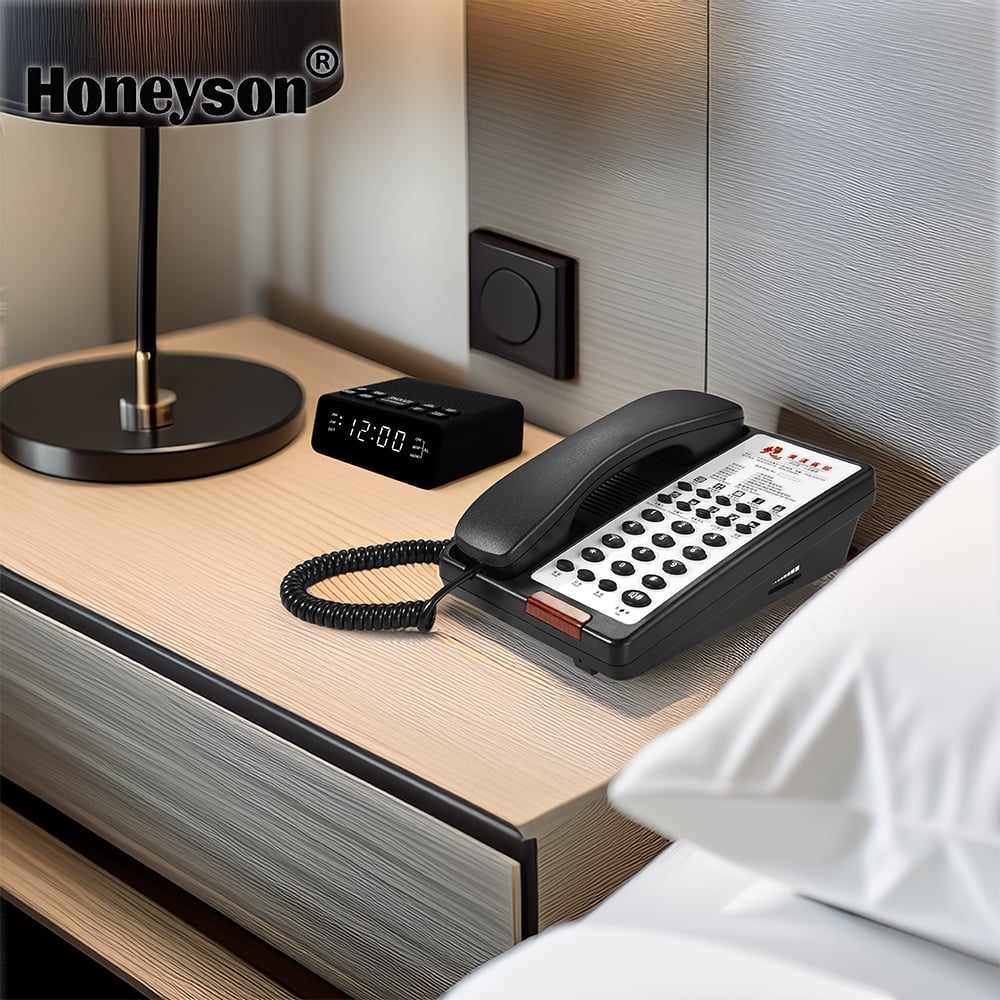
Shipping hotel amenities across international waters demands meticulous attention to packaging standards and regulatory compliance. Whether you are transporting guest room amenities, bathroom essentials, or electrical devices, the ocean voyage presents unique challenges including moisture exposure, temperature fluctuations, mechanical shock, and extended transit times. Proper packaging for hotel amenities ensures products arrive in pristine condition, ready for guest satisfaction and operational excellence.
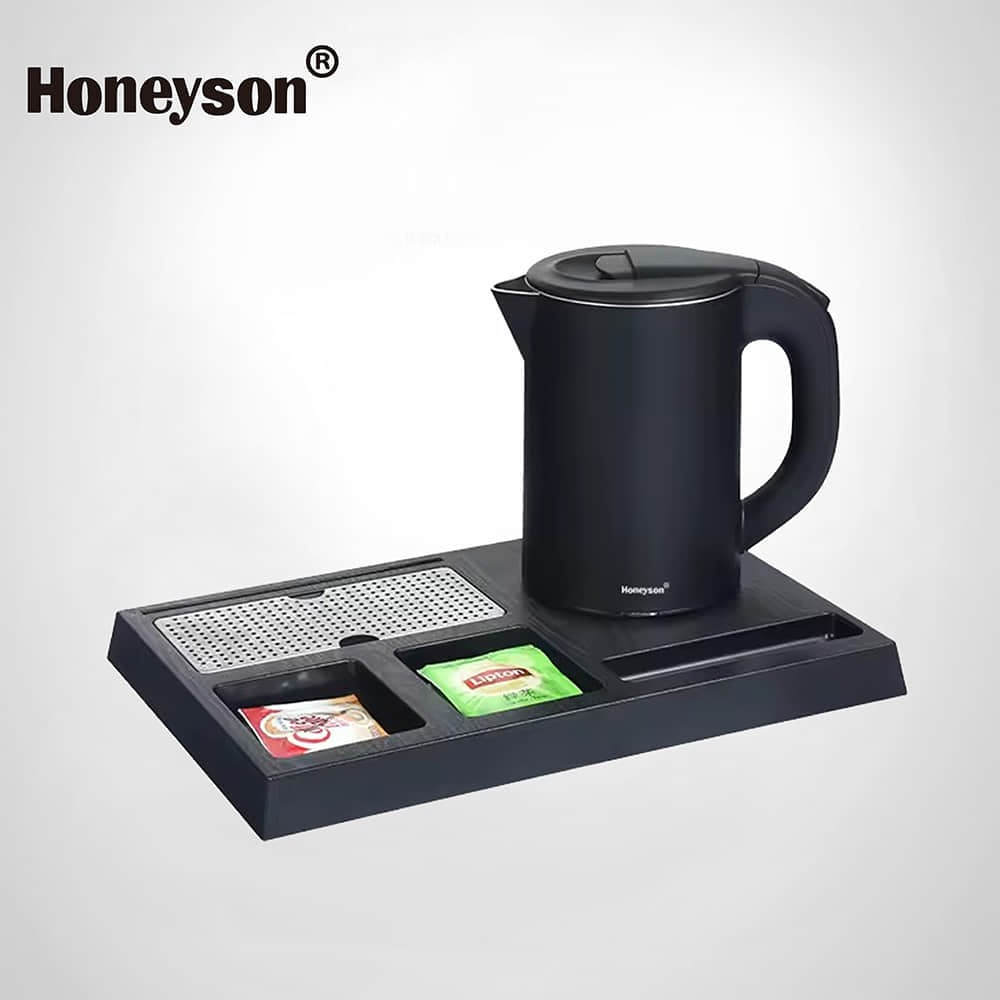
Understanding the specific requirements for ocean freight packaging protects your investment in quality products and maintains brand reputation during the supply chain journey. This guide explores the critical packaging considerations for hotel amenities destined for marine transport, covering material selection, protection standards, and compliance frameworks that shipping professionals and hotel procurement teams must navigate.
Material Selection for Marine Transport Protection
Moisture and Corrosion Resistance
Ocean shipments expose guest room amenities to salt-laden air, humidity, and condensation throughout the voyage. Packaging materials must incorporate moisture barriers such as desiccant packets, vapor-lock films, and sealed corrugated boxes with water-resistant coatings. Steel components in hotel electrical amenities require rust-inhibiting wrapping, while plastic and ceramic surfaces need protection from salt spray penetration. Multi-layer packaging approaches ensure that delicate amenities remain pristine regardless of atmospheric conditions encountered at sea.
Structural Integrity and Shock Absorption
Container movements during ocean transit generate vibration, stacking pressure, and impact forces that threaten product integrity. Guest room amenities require cushioning materials such as foam inserts, air pillows, and corrugated dividers that absorb shock while preventing item-to-item contact. OEM hotel amenities with electronic components demand extra protection through rigid packaging shells and strategic void fill that immobilizes products within cartons. Proper packaging design reduces damage claims and replacement costs associated with maritime logistics.
Regulatory Compliance and Documentation Standards
International Shipping Regulations
Hotel electrical amenities and certain guest room amenities fall under international maritime dangerous goods regulations depending on their composition and functionality. Lithium batteries, aerosol dispensers, and flammable materials require specialized packaging classifications, hazard labeling, and documentation compliance with IMDG codes. Non-hazardous hotel amenities still require proper marking indicating fragile contents, orientation instructions, and handling precautions. Compliance documentation must accompany shipments to prevent delays, penalties, and carrier liability issues during ocean transport.
Product-Specific Packaging Standards
Different categories of hotel amenities demand tailored packaging approaches based on product characteristics and destination regulations. Guest room amenities including toiletries, linens, and housekeeping supplies require food-contact compliance in some jurisdictions, while electrical devices need electromagnetic interference shielding and voltage marking compliance. OEM hotel amenities sourced from specialized manufacturers come with specific packaging guidelines established by original equipment suppliers. Understanding these product-specific requirements prevents costly repackaging, customs delays, and regulatory rejections at destination ports.
Cost Optimization and Sustainability Practices
Balancing Protection and Expense
Excessive packaging for hotel amenities increases shipping costs and environmental impact, while insufficient protection results in damage claims and customer dissatisfaction. Strategic packaging design optimizes material usage by selecting right-sized containers, consolidating smaller items, and eliminating redundant protective layers without compromising safety. Guest room amenities shipped in bulk quantities benefit from palletization strategies and containerization efficiency that reduce per-unit packaging costs while maintaining marine transport standards. Professional packaging engineers help hotel procurement teams achieve this balance through material selection and structural design optimization.
Environmental Responsibility in Ocean Freight
Marine shipping sustainability increasingly influences packaging decisions for hotel amenities destined for ocean transport. Recyclable corrugated materials, biodegradable desiccants, and minimized plastic use align with environmental standards while maintaining protection for electrical amenities and delicate guest room items. OEM hotel amenities manufacturers increasingly specify eco-friendly packaging compatible with marine logistics, and destination hotels increasingly expect sustainable approaches. Adopting green packaging practices for hotel amenities demonstrates corporate responsibility and appeals to environmentally conscious hospitality operators.
FAQ
What moisture protection is essential for hotel amenities shipped by sea?
Ocean freight exposes guest room amenities to continuous humidity and salt spray, requiring multi-barrier moisture protection including desiccant packets, vapor-lock films, and sealed corrugated boxes with water-resistant coatings. Electrical components in hotel electrical amenities need specialized wrapping that prevents condensation accumulation. Proper moisture barriers ensure products maintain quality throughout the entire marine transit period.
Are all hotel amenities subject to international maritime regulations?
Most basic guest room amenities like towels and toiletries require standard marking and handling precautions, while hotel electrical amenities with lithium batteries or certain compositions trigger hazardous goods classifications under IMDG codes. OEM hotel amenities may have manufacturer-specific regulatory requirements depending on their composition. Working with freight forwarders experienced in hotel supplies ensures proper classification and compliant documentation for ocean shipments.
How can hotel procurement teams reduce packaging costs without compromising protection?
Strategic packaging design for hotel amenities involves right-sizing containers, consolidating shipments, and eliminating redundant protective layers while maintaining marine transport standards. Palletization and containerization strategies optimize space usage and reduce per-unit packaging costs. Professional packaging audits for guest room amenities and hotel electrical amenities help identify cost-saving opportunities without sacrificing safety or product integrity during ocean freight.
