
 EN
Slow boiling is one of the most common complaints lodged against commercial and hospitality electric kettles. When guests or staff find themselves waiting longer than expected for water to reach a rolling boil, frustration builds quickly. However, the root cause of this performance lag is rarely about the kettle's overall design philosophy—it almost always traces back to the specific heating element configuration. Understanding how heating element design directly influences boil speed is essential for procurement teams, hospitality managers, and OEM electric kettle manufacturers seeking to address this widespread issue.
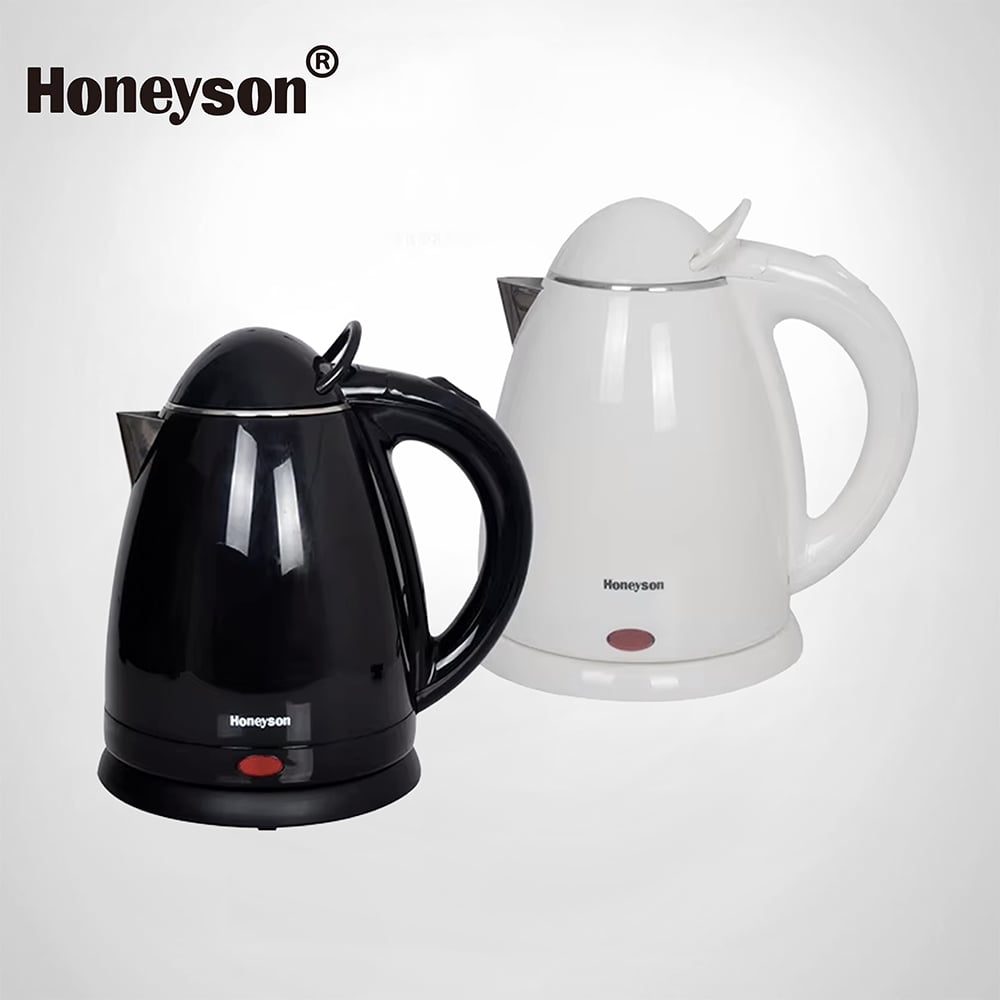
The heating element is the heart of any electric kettle's performance. A hotel electric kettle must deliver consistent, rapid heating to meet guest expectations during peak usage hours. When an electric kettle underperforms, the culprit is usually poor element design, insufficient wattage allocation, or suboptimal material selection. This article explores the technical factors driving boil speed complaints and reveals how heating element design directly addresses—or exacerbates—this issue in commercial settings.
Heating Element Wattage and Power Distribution
Understanding Wattage Impact on Boil Time
Heating speed is fundamentally governed by the wattage of the heating element. Higher wattage means more electrical energy converts to heat per unit of time, directly reducing boil time. An auto shut-off kettle with insufficient wattage will take noticeably longer to bring water to temperature. For a hotel electric kettle operating in high-volume environments, this delay compounds across dozens of daily uses. Commercial-grade units typically employ 1500–3000 watt elements, while underpowered alternatives may use only 800–1000 watts. The difference is stark: a 3000-watt element can boil one liter in 3–4 minutes, whereas a 1000-watt element requires 10–12 minutes or longer.
Power Distribution Efficiency Across the Element
Beyond raw wattage, how that power distributes across the heating element surface matters enormously. An OEM electric kettle manufacturer that concentrates heating power in a small zone creates hot spots and inefficient energy transfer to the surrounding water. Modern designs distribute electrical resistance evenly across a larger surface area, ensuring uniform heat transmission and faster overall boil times. Poor distribution design creates uneven temperature zones, requiring the entire water mass to reach boiling through slower convection cycles rather than rapid uniform heating.
Heating Element Material and Surface Design
Material Composition and Heat Transfer Properties
The material used in heating element construction directly affects thermal efficiency. Stainless steel elements offer superior corrosion resistance and consistent performance over time. However, the alloy composition and thickness determine how quickly heat transfers from the resistive wire to the water. Premium OEM electric kettle designs employ high-conductivity stainless steel with optimized thickness, enabling faster thermal transfer. Cheaper materials or thinner constructions introduce thermal resistance, slowing heat conduction and prolonging boil times. Additionally, element material affects longevity; inferior materials degrade faster, leading to further performance decline over the kettle's lifespan.
Surface Area and Contact Geometry
The geometric design of the heating element—how much surface area contacts water directly—significantly impacts boil speed. Immersion heaters with expanded surface areas expose more of the resistive element to water, accelerating heat transfer. A hotel electric kettle with a well-engineered element design maximizes contact area within physical space constraints. Poorly designed elements feature minimal surface exposure, forcing water to rely more on convection rather than direct conduction. Sheath design, element coiling patterns, and the total submerged length all influence this contact efficiency. An auto shut-off kettle with inferior geometry may look similar externally but delivers substantially slower performance due to these hidden design differences.
Thermal Insulation and System Integration
Insulation Loss and Energy Efficiency
Heating element performance cannot be isolated from the kettle's overall thermal system. Poor insulation allows heat generated by the element to escape into the surrounding air and kettle body rather than staying focused on raising water temperature. A commercial-grade electric kettle uses double-wall construction or insulation layers to minimize this loss, ensuring the heating element's energy goes directly into boiling water. Budget designs offer minimal insulation, requiring the element to work harder and longer to compensate for thermal leakage. This compounds the perceived slow-boil problem, as the element must continuously fight heat loss rather than progressively raising water temperature.
Thermostat Calibration and Control Circuitry
Modern auto shut-off kettles employ thermostats and control circuits that communicate with the heating element. If these components are poorly calibrated, the element cycles on and off inefficiently, extending total boil time. Premium OEM electric kettle designs feature precise thermostats that maintain steady element activation until the target temperature is reached, then shut off instantly. Lower-grade designs may have sluggish temperature sensors or delayed shut-off logic, creating unnecessary cycling that wastes energy and extends heating duration. Additionally, inadequate temperature monitoring can prevent the element from reaching full power during the initial heating phase, further slowing boil speed.
Practical Implications for Hospitality and Commercial Use
Guest Experience and Operational Efficiency
In hospitality settings, a hotel electric kettle's boil speed directly impacts guest satisfaction. When boil times exceed 5–7 minutes, guests perceive the kettle as broken or defective, even if it eventually works. Commercial operations relying on rapid service cycles—such as tea and coffee stations—face compounded delays when using underpowered elements. Switching to kettles with optimized heating element designs reduces waiting times, improves guest feedback, and increases operational efficiency. Staff workload decreases because they spend less time waiting for kettles during peak morning hours.
Specification and Procurement Guidance
When evaluating commercial electric kettle options, procurement teams should prioritize detailed heating element specifications: wattage rating, material composition, surface area design, and thermal efficiency ratings. Request boil-time performance data under controlled conditions rather than relying solely on product descriptions. Specify that purchased units meet minimum boil-time thresholds—for example, boiling one liter within 4–5 minutes. An auto shut-off kettle with clear heating element documentation allows organizations to avoid repeat purchasing of under-performing units. OEM electric kettle suppliers who transparently share element design details often deliver superior performance and fewer slow-boil complaints.
FAQ
Why does my electric kettle take so long to boil water?
Slow boiling typically results from inadequate heating element wattage, poor heat distribution design, or thermal insulation deficiencies. If your electric kettle is rated below 1500 watts or uses a concentrated heating zone rather than distributed resistance, boil times extend significantly. Additionally, dirty or mineral-encrusted heating elements reduce thermal transfer efficiency, compounding the problem. Descaling the element can improve performance; if issues persist, the kettle likely has inherent design limitations and replacement with a higher-wattage model is recommended.
What wattage should a hotel electric kettle have for optimal performance?
Commercial-grade hotel electric kettles should operate at 2000–3000 watts to deliver competitive boil times in high-volume environments. A 2000-watt auto shut-off kettle typically boils one liter in 4–5 minutes, meeting most hospitality expectations. Higher wattage reduces boil time further but increases electrical demand. Consult your facility's electrical capacity before specifying an OEM electric kettle; working within available circuits while prioritizing adequate wattage ensures both performance and safety compliance.
Can heating element design differences cause noticeable performance variations between kettles?
Yes, heating element design creates dramatic performance differences despite similar external appearance. An electric kettle with optimized element geometry, premium stainless steel construction, and even power distribution can boil water 40–50 percent faster than a poorly designed competitor. Surface area, material conductivity, thermostat calibration, and insulation integration all influence net boil speed. Selecting an OEM electric kettle based on detailed element specifications rather than price alone ensures consistent, satisfactory performance in hospitality and commercial settings.
