
 EN

Damaged goods claims represent one of the most common operational challenges in hospitality logistics, particularly when managing guest room supplies and hotel room appliances across multiple properties. When expensive appliances arrive compromised or fail shortly after installation, the financial and operational impact can be significant. Understanding how to navigate the claims process effectively is essential for hotel operators and procurement managers who depend on reliable guest distribution networks to maintain consistent service standards.
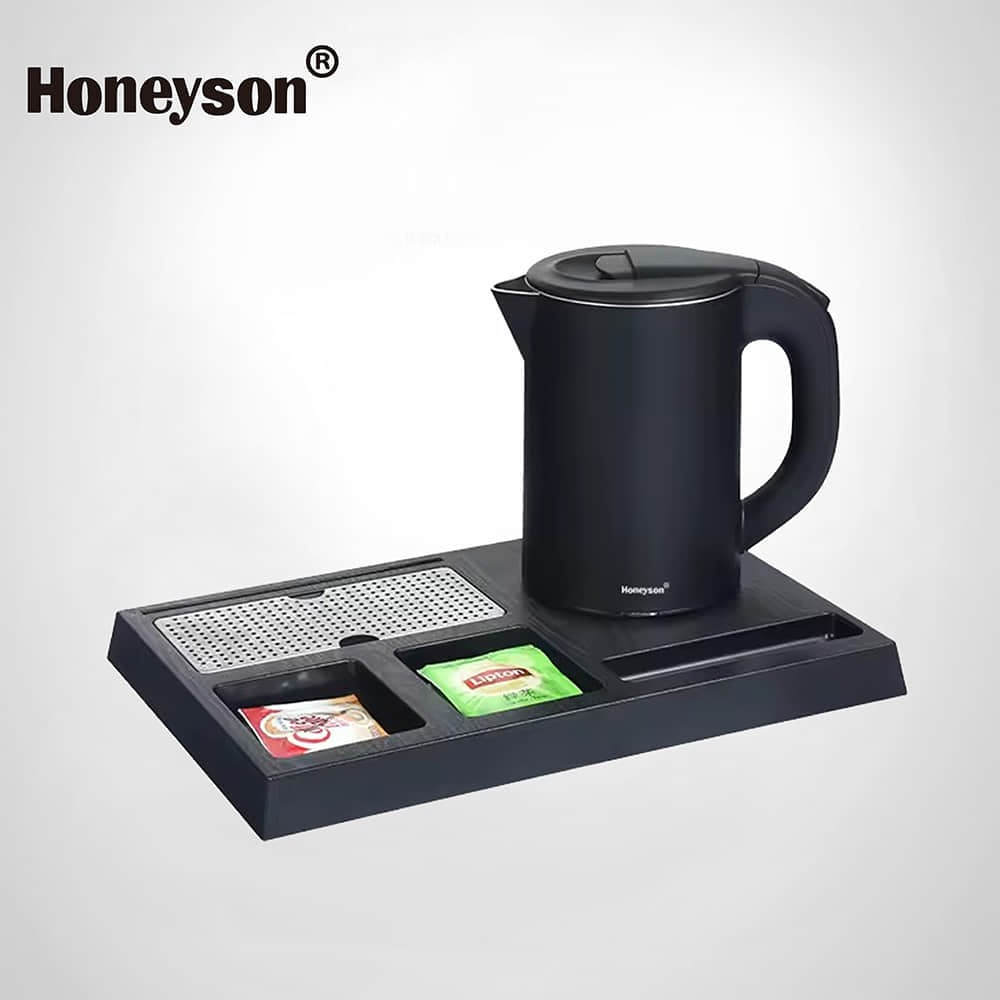
The landscape of hotel supplies has evolved considerably over the past decade, with OEM hotel appliances becoming increasingly central to guest satisfaction. From kettles and coffee makers to mini-bars and entertainment systems, these items are delivered in bulk shipments that traverse complex logistics chains. Damage can occur at any point, from manufacturing defects to mishandling during transit. A comprehensive claims strategy protects your budget and ensures your guest distribution remains efficient and reliable.
Understanding Damage Documentation Requirements
Inspection and Photographic Evidence
The foundation of any successful damaged goods claim begins with thorough documentation at the moment of discovery. When hotel room appliances arrive, receiving teams must conduct immediate inspections before signing off on shipments. This is not merely a formality but a critical step that protects your organization legally and financially. Photographs should clearly show the damage, packaging condition, and serial numbers or identifying marks on the OEM hotel appliances themselves.
Documentation must be contemporaneous, meaning it should occur within hours of receiving the guest room supplies rather than days later. Digital timestamps on photographs provide additional credibility in claims disputes. Include multiple angles of damaged items, showing both the defect itself and the context of how it arrived. For guest distribution centers, maintaining a standardized photographic protocol ensures consistency and professionalism when submitting claims to suppliers or freight carriers.
Detailed Damage Reports and Inventory Records
Creating a formal damage report is the second essential component. This document should list each affected item from your hotel supplies shipment, describe the specific damage, assign a value, and note the date of discovery. Hotel room appliances often have significant unit costs, so accurate valuation is crucial. Cross-reference your damage report against the original purchase order and carrier tracking documents to establish a clear chain of custody through the guest distribution network.
Inventory records must be updated immediately to reflect damaged goods. This prevents billing disputes, avoids double-claiming, and maintains accurate financial records. When managing OEM hotel appliances across multiple properties, centralized tracking systems ensure that no damaged items slip through without proper documentation or resolution attempts.
Claims Filing and Carrier Negotiation
Timing and Submission Protocol
Most freight and carrier agreements include strict time windows for filing damage claims, typically between 24 and 48 hours of delivery. Hotel supplies deliveries, including guest room supplies and hotel room appliances, must trigger immediate claims submission to meet these deadlines. Failure to file within the specified timeframe often results in automatic claim denial, regardless of the damage severity. Your guest distribution logistics team should have clear protocols that escalate delivery inspections to claims specialists on the same business day.
When submitting claims for hotel supplies, include the damage report, photographs, original invoice, bill of lading, and any carrier inspection notes. For OEM hotel appliances claims, also provide the manufacturer's specification sheet showing the item's market value. Clear, professional submissions increase approval rates and reduce the back-and-forth exchanges that delay reimbursement or replacement decisions.
Negotiation Strategies with Carriers and Suppliers
Claims rarely proceed without some negotiation. Carriers may dispute the value you claim or question whether damage occurred during transit versus during installation. Hotel room appliances claims often require you to articulate why the damage could not have resulted from normal use. Documentation is your leverage here. Detailed photographs and contemporaneous reports shift the burden of proof onto the carrier to demonstrate their handling was appropriate.
When negotiating with suppliers through your guest distribution channels, establish whether they will handle the claim or direct you to the carrier. Some OEM hotel appliances suppliers retain responsibility for goods until final delivery, while others consider their liability ended once the shipment leaves their facility. Understanding these contractual boundaries prevents confusion and accelerates the resolution process for damaged guest room supplies.
Recovery Options and Preventive Measures
Replacement, Refund, or Credit Decisions
Once a claim for hotel supplies is approved, you typically have three options: replacement, refund, or account credit. For guest room supplies with long lead times, replacement may be preferable to avoid operational gaps. OEM hotel appliances that are specially ordered or customized might warrant a credit while you source alternatives. Refunds are least common but may be appropriate if you can quickly procure better alternatives elsewhere in your guest distribution network.
Document your choice and the reasoning behind it. This creates a record that supports future decisions and helps suppliers understand your preferences. If a particular OEM hotel appliances vendor consistently delivers with minimal damage rates, you might prioritize replacement to maintain that relationship, whereas a problematic carrier might trigger automatic refund selection.
Preventive Measures and Carrier Selection
Reduction of damaged goods claims starts upstream with carrier and supplier selection. Request damage history reports before committing to major guest distribution contracts. Establish packaging standards specifically for hotel room appliances that include double-boxing and void-fill materials appropriate for their fragility. Communicate these standards to your suppliers and include packaging requirements in purchase contracts for hotel supplies.
Additionally, consider requiring signature confirmation and photographic proof of delivery for high-value shipments of guest room supplies. Some guest distribution operators negotiate discounts on carriers that maintain claims rates below specific thresholds. For OEM hotel appliances, build relationships with logistics providers that specialize in hospitality equipment, as they understand the fragility and handling requirements unique to the industry.
FAQ
How quickly must I file a damaged goods claim after receiving hotel supplies?
Most carriers require damage claims within 24 to 48 hours of delivery. For guest room supplies and hotel room appliances, you should initiate the claims process within the first business day to ensure you meet this deadline. Exceeding this window typically results in automatic claim denial, so establishing rapid notification protocols within your guest distribution team is essential.
What documentation is most important when claiming damaged OEM hotel appliances?
Photographic evidence, contemporaneous damage reports, original invoices, and proof of delivery are the most critical documents. For OEM hotel appliances and guest room supplies, high-quality photographs showing the exact damage and the condition of packaging carry significant weight. Combined with a detailed inventory report and serial numbers, this documentation package will support most successful claims through your guest distribution channels.
Should I always accept replacement instead of a refund for damaged hotel room appliances?
Replacement is optimal if the lead time is acceptable and the supplier maintains reliable quality standards. However, refunds or account credits may be preferable if replacement items cannot arrive within your operational timeline or if you can source better alternatives for guest room supplies. Evaluate each situation based on your hotel supplies needs, inventory levels, and the guest distribution network's current capacity constraints.
