
 EN
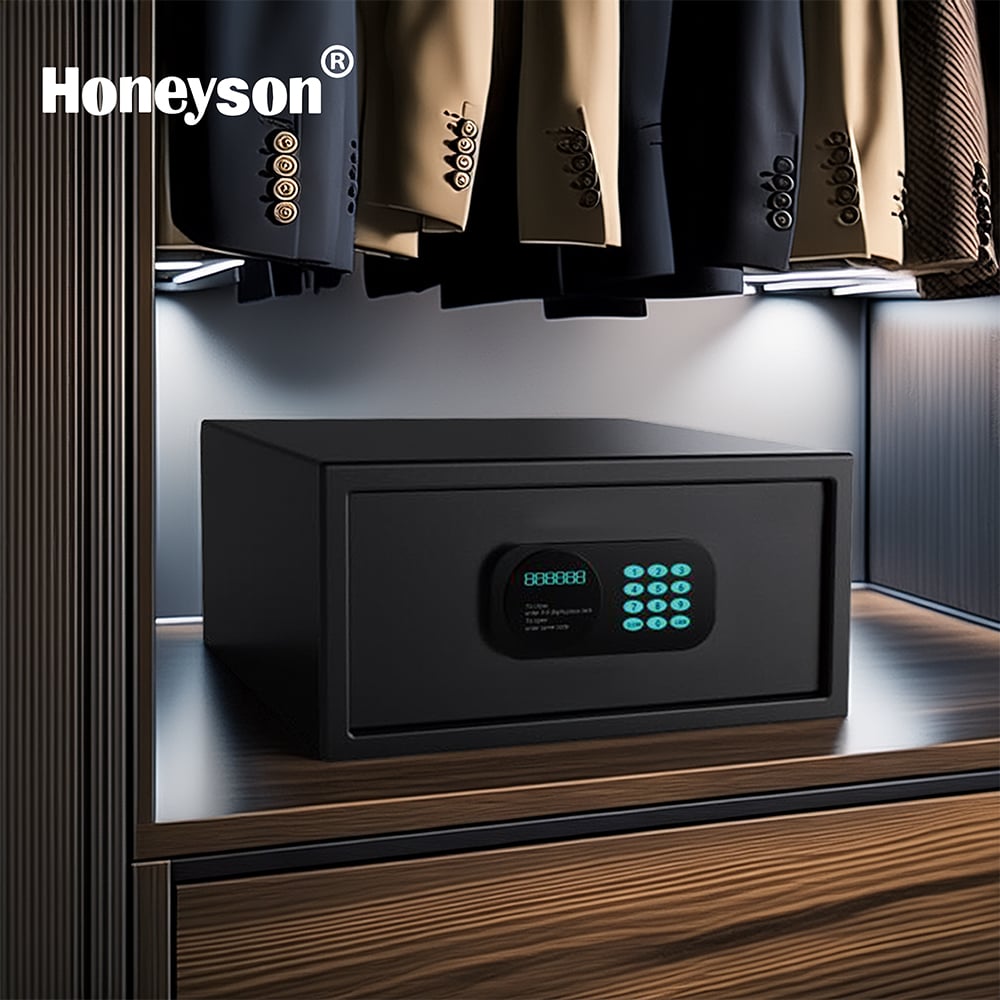
Effective guest distribution requires a foundation of standardized systems and clear protocols. When hotels implement consistent room type standards, the process of managing guest room supplies and coordinating hotel room appliances becomes significantly more efficient and error-free. The relationship between standardization and operational accuracy cannot be overstated in the hospitality industry, where guest satisfaction depends directly on the availability and functionality of every item placed in a room.
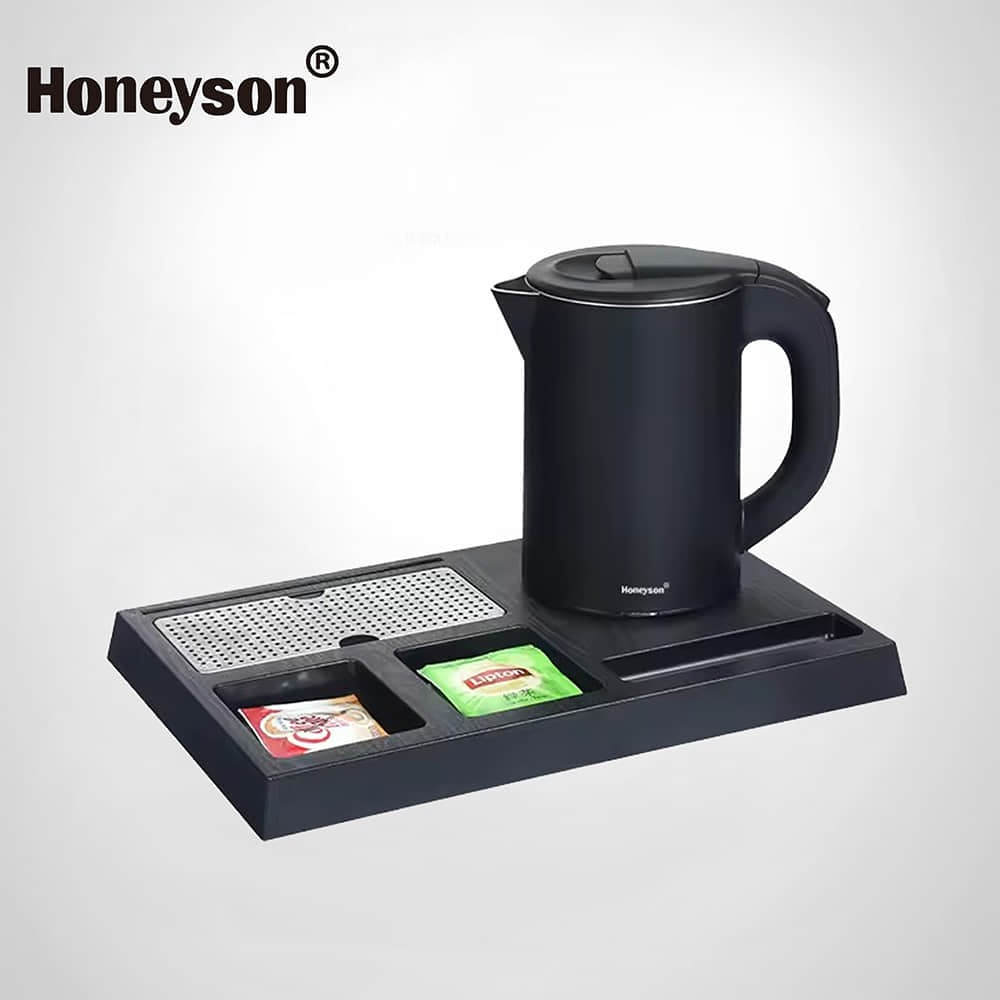
The challenge of distributing hotel supplies correctly across hundreds of rooms daily creates a complex operational environment. Without clear standards, confusion leads to missing items, duplicate shipments, and wasted labor time. Room type standards establish a framework where each category of accommodation—whether standard, deluxe, or suite—has a precisely documented list of required guest room supplies and OEM hotel appliances. This clarity transforms guest distribution from a guesswork-prone process into a repeatable, verifiable system.
Understanding Room Type Standardization
The Foundation of Consistent Delivery
Room type standards define exactly which hotel room appliances, linens, toiletries, and furnishings belong in each category of guest accommodation. A standard room standard differs from a deluxe room standard, and both differ from suite configurations. By documenting these distinctions in a centralized resource, hotel operations teams eliminate ambiguity. When new staff members join the housekeeping or distribution team, they access a clear blueprint rather than relying on memory or informal training.
The creation of room type standards involves input from multiple departments: housekeeping, maintenance, procurement, and front-office management. Each department contributes expertise about what belongs in a room and why. This collaborative approach ensures that standards reflect both operational reality and guest expectations. OEM hotel appliances, in particular, require careful specification because compatibility, safety certifications, and warranty coverage depend on exact model numbers and configurations.
Reducing Confusion Through Documentation
Documentation of room type standards serves as the single source of truth for guest distribution teams. Each room type has a master list that specifies quantity, brand, model, and placement instructions for every item. When a guest room supplies shipment arrives, staff members verify contents against the documented standard rather than making assumptions. This verification step catches errors before they reach guest rooms, preventing complaints and the need for costly corrective visits.
Digital systems further strengthen this documentation approach. Property management systems can flag discrepancies when items intended for one room type are mistakenly allocated to another. Real-time inventory tracking ensures that guest distribution teams know exactly which rooms require restocking and what items must be delivered. This transparency reduces the likelihood that rooms will be missed or incorrectly provisioned.
Impact on Error Reduction and Efficiency
Measurable Improvements in Accuracy
Hotels that implement comprehensive room type standards report significant reductions in distribution errors. Common mistakes—such as placing standard-room appliances in suite rooms or failing to include required guest room supplies—become virtually impossible when staff follow a clear, documented process. Each distribution cycle can be audited against the established standard, creating accountability and continuous improvement opportunities. When errors do occur, the standard provides a reference point for root-cause analysis and corrective action.
The accuracy improvement directly impacts guest satisfaction. Guests arriving to find missing items or incorrect appliances express frustration that damages loyalty and online reputation. Conversely, hotels known for consistently correct room provisioning build competitive advantage. This reliability becomes especially important for OEM hotel appliances, where guests expect specific features and functionality that define their paid experience level.
Operational Efficiency Gains
Standardized guest distribution processes reduce time spent troubleshooting and correcting errors. Staff members no longer need to pause and verify whether a specific item belongs in a room—the standard provides the answer. This efficiency translates into faster room turnover times, particularly during high-occupancy periods when speed is critical. Labor costs decrease because fewer repeat visits are needed to address incomplete or incorrect provisioning.
Procurement becomes more predictable when room type standards are clearly defined. Purchasing teams know exactly how many units of each item are needed based on inventory levels and the number of rooms of each type. Vendor relationships improve because orders reflect genuine requirements rather than reactive, error-driven replacements. Supply chain costs stabilize, and hotels can negotiate better terms with suppliers when they provide consistent, forecasted demand for hotel supplies and OEM hotel appliances.
Implementing Standards for Long-Term Success
Building a Sustainable Standardization Program
Successful implementation of room type standards requires clear communication, staff training, and ongoing monitoring. Hotels should establish a working group responsible for documenting current practices, identifying inconsistencies, and defining ideal standards. This group documents the agreed-upon configuration for each room type, including specifications for every guest room supplies item and every OEM hotel appliance. The standard becomes a living document that evolves as guest expectations change or new products become available.
Training programs ensure that all staff members understand the standards and the reasoning behind them. When employees understand why certain guest distribution protocols exist, compliance improves naturally. New team members receive comprehensive orientation using the documented standards, reducing the learning curve and integration time. Regular refresher training reinforces consistency, especially when standards are updated or when staff turnover occurs.
Monitoring, Audit, and Continuous Improvement
Regular audits verify that rooms actually match the documented room type standards. These audits might involve periodic physical inspections, photographic documentation, or checklists completed by trained staff. Audit findings identify areas where guest distribution processes are breaking down, whether due to staff confusion, supply shortages, or damage to items in use. Corrective actions based on audit results strengthen the system over time.
As guest preferences evolve and technology improves, room type standards should be reviewed and updated systematically. Perhaps new hotel room appliances become industry-standard amenities, or perhaps guest room supplies preferences shift toward more sustainable or premium options. By treating standards as subject to periodic revision rather than fixed forever, hotels remain competitive while maintaining the error-reduction benefits that standardization provides.
FAQ
How do room type standards directly reduce guest distribution errors?
Room type standards eliminate ambiguity by documenting exactly which guest room supplies and OEM hotel appliances belong in each room category. Distribution teams verify shipments against these documented standards, catching errors before items reach guest rooms. Without standards, staff rely on memory and informal guidance, leading to missing items, duplicates, and incorrect appliances in rooms.
What role do OEM hotel appliances play in maintaining room type standards?
OEM hotel appliances require precise specification because exact model numbers, safety certifications, and warranty coverage matter. Room type standards document which specific appliance models belong in each accommodation category, preventing the mistake of substituting incompatible or lower-grade products. This specificity protects guest experience and ensures compliance with brand consistency requirements.
How can hotels measure the success of implementing guest distribution standards?
Hotels can track metrics such as guest complaints related to missing or incorrect items, room turnover time, repeat distribution visits needed to correct errors, and procurement cost predictability. Regular audits comparing actual room configurations to documented standards quantify compliance levels. Combining these measures provides clear evidence of whether standardization is reducing errors and improving operational efficiency in guest distribution processes.
