
 EN
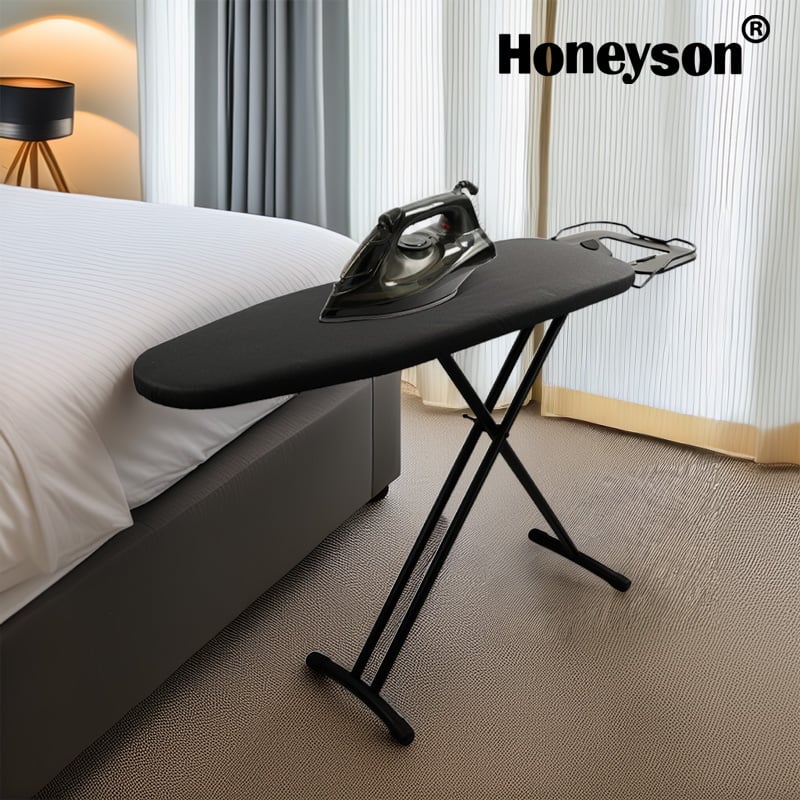
When hotel procurement teams evaluate supplier options for an ironing board, they must move beyond visual inspection and specification sheets. The frame strength of an ironing board directly impacts guest safety, operational longevity, and maintenance costs. Hotels invest significant capital in laundry equipment, and an ironing board that fails under normal use creates liability exposure and interrupts service. Understanding which structural tests factories should perform ensures you receive equipment that withstands daily guest use without premature deterioration or collapse risk.
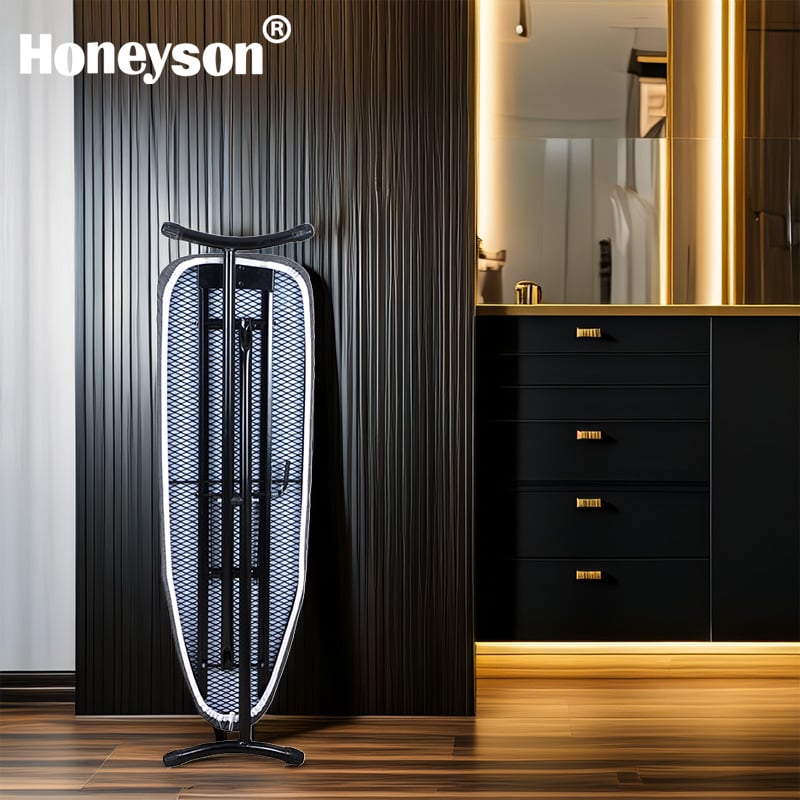
A hotel ironing board must support consistent weight placement, repeated folding cycles, and occasional user misuse without structural compromise. The frame engineering determines whether your investment lasts three years or ten years. This guide outlines the specific factory strength tests that separate reliable OEM ironing board manufacturers from those cutting corners on durability.
Static Load and Weight Capacity Testing
Understanding Load Bearing Requirements
The most fundamental test for any ironing board frame is static load capacity. This test measures how much weight the board can support when pressed down with steady force at the center of the ironing surface. Most hotel-grade ironing boards should support between 250 and 350 pounds of downward pressure without permanent frame deformation. Request that factories conduct ASTM or ISO standardized static load tests rather than informal in-house measurements. These standardized protocols ensure repeatability and third-party credibility.
When you ask a factory about their foldable ironing board load ratings, insist on seeing the test report, not just the claimed specification. Reputable manufacturers will have conducted tests at 150 percent of rated capacity to confirm safety margins. The frame legs should not bend, crease, or show permanent displacement after the test concludes. Ask specifically whether the factory tests the legs independently and whether they measure deflection at multiple points across the ironing surface during loading.
Concentrated Load Testing
Beyond uniform pressure, an ironing board must withstand concentrated loads—when guests press down with force on specific areas rather than distributing weight evenly. Request that your OEM ironing board supplier test concentrated loads using a small-diameter pressing tool applied at the board corners, center, and edges. This simulates real-world use where guests may lean heavily on one section while ironing. Frame materials that pass uniform load tests sometimes fail under concentrated pressure, revealing weak welding points or insufficient material thickness in corners.
Cyclic Folding and Structural Fatigue Analysis
Fold-and-Unfold Endurance Testing
A foldable ironing board undergoes repeated folding and unfolding during its operational life. Hotels may fold and unfold an ironing board dozens of times per week across their guest rooms and laundry facilities. Request that manufacturers conduct cyclic fatigue testing, typically 10,000 to 50,000 fold cycles depending on expected use intensity. After completing the cycles, the frame should still lock securely in both open and closed positions without wobbling or misalignment. Inspect whether hinges remain tight and whether the locking mechanism engages reliably after extended cycling.
This test reveals whether frame materials will develop stress cracks at weld points or hinge interfaces over time. Lower-quality ironing board frames often show hairline fractures after 5,000 to 10,000 cycles that eventually lead to collapse. Ask the factory whether they conduct visual inspection with magnification after completing fold cycles and whether they re-measure dimensions to confirm no permanent frame changes occurred. A reputable OEM ironing board supplier will provide photo documentation of frames before and after cyclic testing.
Hinge and Locking Mechanism Durability
The hinge system is a critical stress point on any foldable ironing board. Hinges must withstand repeated opening and closing without loosening fasteners or degrading structural integrity. Request separate hinge testing that applies angular load while the board cycles between folded and unfolded positions. Ask whether fasteners are welded, riveted, or threaded, as each approach carries different durability implications. Welded hinges resist loosening better than screwed fasteners in high-vibration laundry environments. The locking engagement on unfolded boards should require deliberate disengagement effort, not accidental collapse from minor bumps or vibration.
Environmental Stress and Durability Under Hotel Conditions
Moisture and Corrosion Resistance Testing
Hotel laundry environments expose ironing boards to steam, humidity, and cleaning chemicals daily. Request that manufacturers test frame samples in humid chamber conditions and spray-salt environments per ASTM B117 standards. This accelerated corrosion testing reveals whether frame coatings will rust or degrade after months of exposure. Surface coatings are often the first line of defense; inspect whether the factory applies powder coating, chrome plating, or other protective layers uniformly across the entire frame. Ask about paint or coating thickness specifications and whether they test adhesion through cross-hatch or impact resistance methods.
Stainless steel components resist corrosion more effectively than painted steel but cost more. Request details on material composition—whether the ironing board frame is solid stainless, plated steel, or painted mild steel. Cheaper manufacturers often use thin steel with minimal coating to reduce costs, leading to rust spots and structural weakening within two years. Quality hotel ironing board designs incorporate stainless fasteners and protective coatings specifically engineered for wet laundry facilities. Ask the factory whether previous hotel customers report rust or corrosion issues within their first operational year.
Thermal Stability and Heat Resistance
An ironing board operates near heated irons that reach temperatures exceeding 400 degrees Fahrenheit. Ask manufacturers whether frame materials maintain structural integrity when exposed to sustained heat near the ironing surface. Plastic components or low-melting-point materials may soften or warp, compromising stability. Request thermal testing data showing how the frame performs when exposed to 350-degree temperatures for extended periods. The frame should not develop permanent deformation or lose rigidity after thermal cycling between room temperature and operational heat.
Impact Resistance and Real-World Damage Scenarios
Hotels operate in unpredictable environments where ironing boards encounter dropped items, guest mishandling, and transport impacts. Request that manufacturers conduct drop tests where fully assembled ironing boards are dropped from specified heights onto concrete or hard surfaces. The frame should not crack, bend significantly, or become non-functional after a moderate-height drop. This test simulates accidents during housekeeping setup or guest room maintenance. Ask whether the factory performs post-drop structural inspection and re-testing to confirm the board remains safe for continued use or whether damage requires retirement and replacement.
Documentation and Third-Party Verification
Reputable OEM ironing board manufacturers maintain detailed test documentation and often pursue third-party certifications. Request copies of test reports from accredited laboratories rather than relying on internal factory claims. Certifications such as BIFMA (Business and Institutional Furniture Manufacturers Association) or ISO 9001 quality management demonstrate commitment to standardized testing protocols. Ask whether the factory conducts random sampling and ongoing quality verification on production runs or whether they only test prototype units. Hotels should require that production batches meet identical specifications to tested samples, not lower quality standards once a large order is confirmed.
FAQ
What is the minimum weight capacity I should require from a hotel ironing board?
A reliable hotel ironing board should support at least 250 pounds of static load capacity, with quality foldable ironing board designs reaching 300 to 350 pounds. This margin accommodates guest weight variations and ensures safety during intensive use. Request documentation from the factory confirming that this capacity has been independently tested rather than estimated from material thickness.
How often should a hotel replace an ironing board frame?
An ironing board frame engineered with proper materials, tested for durability, and maintained regularly can function reliably for five to ten years in hotel environments. Frames lacking structural testing often degrade within two to three years due to corrosion, welding failures, or hinge deterioration. The initial investment in frames from factories with robust testing protocols typically results in lower total cost of ownership.
Can a factory provide test results for an ironing board after production?
Responsible OEM ironing board manufacturers conduct tests on pre-production prototypes and maintain ongoing quality sampling during production runs. Some factories will perform spot tests on finished units if requested, though most provide historical test data proving the design meets specifications. Request that your supplier commit to periodic retesting if production methods or material suppliers change during your partnership.
