
 EN
Par level planning is the backbone of effective inventory management in hospitality operations. When managing hotel room appliances and guest room supplies, understanding how to calculate and maintain optimal par levels directly impacts both operational efficiency and guest satisfaction. Par levels represent the minimum quantity of supplies and equipment needed to maintain seamless operations across all guest rooms, ensuring that replacements occur before stockouts compromise the guest experience.
Developing a robust par level strategy requires careful analysis of guest distribution patterns, equipment failure rates, and replacement timelines. Hotels must balance carrying sufficient inventory to prevent disruptions while avoiding excess stock that strains budgets and storage capacity. The complexity intensifies when managing OEM hotel appliances that require specific sourcing and potentially longer lead times. This guide explores the essential principles of par level planning tailored to hotel room appliances and guest room supplies, providing actionable insights for hospitality managers.
Fundamentals of Par Level Planning for Hotel Operations
Defining Par Levels in Hospitality Context
Par level refers to the target inventory quantity at which you reorder supplies or equipment. For hotel room appliances, this means establishing the number of kettles, coffee makers, or other guest distribution items you maintain on hand. The par level must account for current occupancy, typical appliance lifespan, replacement frequency, and supply chain lead times. When your inventory falls to the par level, it triggers a reorder process to replenish stock before demand exceeds availability.
Calculating accurate par levels for guest room supplies prevents both stockouts and overstock situations. An understocked inventory leads to guest complaints, service interruptions, and potential revenue loss when rooms cannot be prepared promptly. Conversely, overstocking ties up capital, requires additional storage space, and risks obsolescence for OEM hotel appliances that may be discontinued. The optimal par level sits at the intersection of operational readiness and financial efficiency.
Why Par Levels Matter for Guest Satisfaction
Guest expectations include functioning appliances in their rooms. A broken kettle or malfunctioning coffee maker directly impacts guest experience and online reviews. Par level planning ensures replacement appliances are immediately available when damage occurs or equipment fails. This responsiveness to guest distribution needs demonstrates professionalism and commitment to hospitality standards. Hotels that maintain inadequate par levels risk reputational damage and lower occupancy rates due to negative feedback.
Calculating Par Levels for Hotel Room Appliances
Key Variables in Par Level Calculation
Several factors influence how many hotel room appliances you should maintain in reserve. Guest room count represents your baseline: a 300-room property requires different par levels than a 50-room boutique hotel. Occupancy rates determine daily wear patterns and accident frequency. Average appliance lifespan for OEM hotel appliances typically ranges from 3 to 7 years depending on usage intensity and product quality. Supply chain lead times from vendors directly affect how much safety stock you need to carry.
Environmental factors also matter. High-traffic properties experience faster equipment degradation than seasonal operations. Seasonal properties may require higher par levels before peak seasons to prevent shortages. Guest distribution across different room categories means you might need separate par levels for standard rooms versus suites if they contain different appliances. Understanding your specific operational context ensures par level calculations remain realistic and actionable.
The Par Level Formula and Practical Application
A basic formula for calculating par levels considers replacement frequency, lead time, and safety margin. The formula is: Par Level equals (Daily Usage Rate multiplied by Lead Time Days) plus Safety Stock. For hotel room appliances, daily usage rate reflects how many units you expect to replace monthly, converted to a daily average. Lead time accounts for days required to receive replacement OEM hotel appliances after placing an order. Safety stock provides a buffer for unexpected spikes in demand or supply delays.
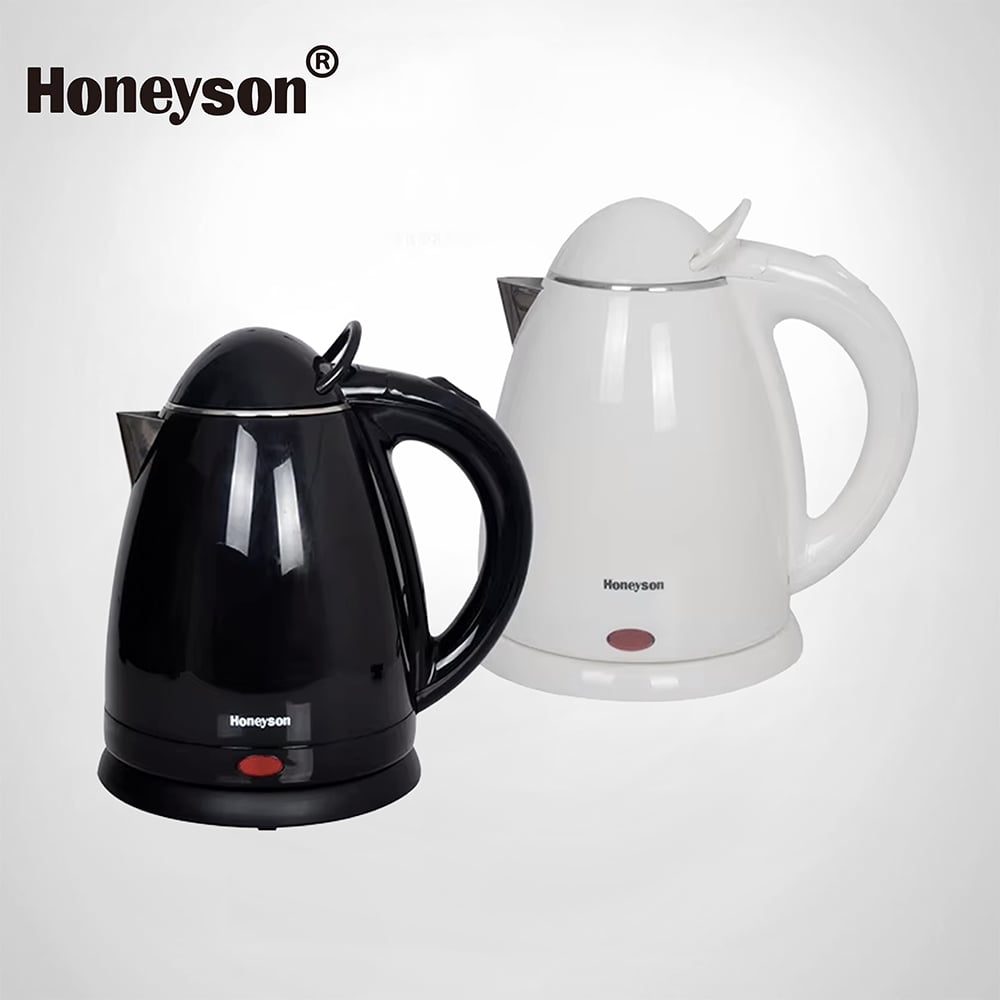
Example: If your 200-room property averages 2 kettle replacements daily due to damage or failure, and your supplier requires 14 days delivery, your calculation would be (2 units × 14 days) plus 5 units safety stock, equaling 33 kettles in reserve. This ensures continuous availability while minimizing excess inventory. Adjust the safety stock percentage based on your supplier reliability and your risk tolerance for stockouts. Properties with inconsistent suppliers should increase safety stock accordingly.
Managing Guest Room Supplies and OEM Hotel Appliances Through Par Levels
Inventory Categorization by Guest Room Supplies Type
Not all guest room supplies require identical par level approaches. Consumable items like coffee pods or tea bags deplete at different rates than durable appliances. OEM hotel appliances such as kettles, irons, and hair dryers warrant separate par level tracking from linens or toiletries. Categorizing your guest distribution inventory by product type enables more precise calculations and prevents confusion during reordering. Electronic appliances typically have longer lead times and higher replacement costs, justifying larger safety stocks.
Creating dedicated par level schedules for each appliance category streamlines operations and improves accountability. Assign specific team members responsibility for monitoring kettle inventory, iron inventory, hair dryer inventory, and other hotel room appliances separately. This compartmentalization prevents bottlenecks where shortages in one category go unnoticed. Regular audits of actual versus target par levels reveal patterns and inform adjustments to your planning calculations.
Seasonal and Occupancy-Based Par Level Adjustments
Effective par level management requires dynamic adjustments based on occupancy forecasts and seasonal trends. Peak season periods demand higher par levels to accommodate increased guest distribution and wear on appliances. Plan par level increases 4 to 6 weeks before anticipated peak periods to ensure adequate stock arrives in time. Conversely, reduce par levels during predictable low-occupancy seasons to minimize capital tied up in unnecessary inventory for hotel room appliances.
Hotels using property management systems can integrate occupancy data with inventory management for automated par level recommendations. This technology-enabled approach reduces manual calculation errors and ensures par levels remain aligned with actual operational demands. Whether adjusting par levels manually or through software, regular communication between housekeeping, maintenance, and procurement teams ensures consistency and prevents inventory surprises.
FAQ
How frequently should I review and adjust par levels for hotel room appliances?
Par levels should be reviewed quarterly at minimum, or monthly for properties with volatile occupancy patterns. Track actual replacement rates and compare them against your par level assumptions. If you consistently run out of stock before reorders arrive, increase your par level or safety stock. Conversely, if you regularly have excess inventory of OEM hotel appliances nearing expiration dates, your par level is likely too high. Seasonal adjustments require reviews 6 weeks before anticipated changes in guest distribution patterns.
What is the difference between par level and reorder point for guest room supplies?
Par level is your target inventory quantity, while reorder point is the inventory threshold that triggers a purchase order. These two metrics work together: when inventory drops to the reorder point, you order enough stock to return to par level. The reorder point accounts for lead time and safety stock to prevent stockouts of hotel room appliances. For example, if par level is 30 units and daily usage is 2 units with a 10-day lead time, your reorder point would be approximately 25 units (ensuring you maintain minimum safety stock during the wait for new OEM hotel appliances).
How do supply chain disruptions affect par level planning for hotel appliances?
Supply chain disruptions require immediate par level increases to maintain buffer stock of critical hotel room appliances. When lead times extend beyond normal ranges due to supplier delays or logistics challenges, increase your safety stock calculations proportionally. Consider diversifying OEM hotel appliances suppliers to reduce dependency on single sources and mitigate disruption impact. Communicate with your team about temporary par level adjustments and expected timelines for normalization. Building resilience through higher safety stocks during uncertain periods protects guest distribution continuity and prevents service interruptions.
