
 EN

Climate class ratings represent a critical technical specification for any small refrigerator operating in hot market environments. These standardized classifications determine how effectively cooling systems maintain target temperatures under specific ambient conditions. Understanding climate class ratings is essential for hospitality operators, retailers, and OEM manufacturers who need reliable compact fridge performance in regions with elevated ambient temperatures and humidity levels.
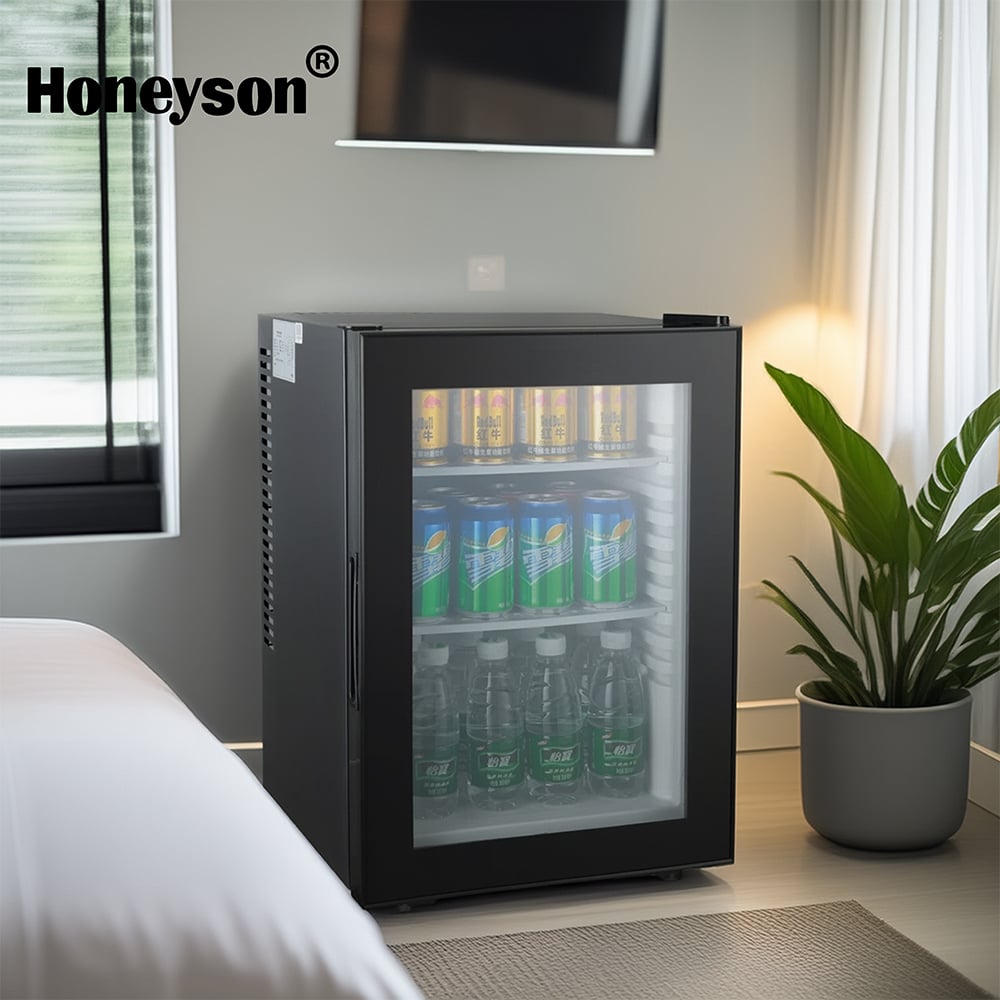
The ISO 7372 international standard defines four primary climate classes for refrigeration equipment. Each class specifies maximum ambient temperature and humidity parameters that the small refrigerator must withstand while maintaining internal food safety temperatures. In hot markets, selecting the correct climate class directly impacts energy consumption, component lifespan, and food preservation reliability. A hotel refrigerator rated for temperate climates will struggle or fail in tropical or desert environments, making climate class selection a fundamental procurement decision.
Climate Class Definitions and Temperature Ranges
Understanding the Four Standard Climate Classes
Climate class N is designed for normal temperate environments, operating at ambient temperatures up to 32°C with relative humidity not exceeding 60 percent. This class represents the baseline standard for most developed markets in northern regions. A compact fridge with climate class N rating delivers optimal efficiency in conventional retail or hospitality settings with stable climate control. However, climate class N is inadequate for hot market deployment, as ambient temperatures frequently exceed design limits.
Climate class ST accommodates subtropical conditions, supporting ambient temperatures up to 38°C with humidity levels reaching 55 percent. This intermediate class bridges the gap between temperate and tropical environments. The hotel refrigerator designed for climate class ST maintains cooling performance in moderately warm climates but may still experience efficiency degradation in extreme heat. OEM small refrigerator manufacturers often recommend climate class ST for Mediterranean, Middle Eastern, and southern Asian markets with seasonal temperature variation.
Climate class A extends the temperature range to 43°C with relative humidity up to 50 percent, representing equipment rated for truly hot environments. A compact fridge meeting climate class A specifications incorporates enhanced condenser capacity, improved insulation, and reinforced compressor designs to sustain cooling under sustained heat stress. This classification serves equatorial, desert, and intensely warm regional markets where ambient temperatures regularly exceed 40°C.
Extended Range Classifications
Climate class T encompasses tropical environments, with maximum ambient temperatures reaching 43°C and humidity levels up to 80 percent. The small refrigerator designed for climate class T combines the temperature tolerance of climate class A with significantly elevated humidity management. This rating requires specialized components, desiccant systems, and corrosion-resistant materials to prevent moisture-related equipment failure. Hotel refrigerator units operating in monsoon-prone regions or high-humidity coastal areas benefit from climate class T certification.
Performance Impact and Energy Efficiency Considerations
Cooling System Demand and Compressor Stress
A small refrigerator operating beyond its rated climate class experiences substantially increased compressor workload and reduced cooling capacity. In hot markets where ambient temperatures approach or exceed design limits, the compact fridge cooling system must run continuously at maximum capacity, consuming significantly more electrical energy. This operational stress accelerates compressor wear, reduces component lifespan, and increases maintenance frequency. OEM small refrigerator suppliers recognize that climate class mismatch represents the leading cause of premature equipment failure in tropical and desert installations.
Energy efficiency ratings become less reliable when small refrigerator units operate outside their specified climate class. A hotel refrigerator certified for climate class N will consume 30–50 percent more energy when deployed in climate class A environments. This efficiency penalty reflects the continuous compressor operation required to overcome ambient heat load. Proper climate class selection directly reduces operational costs and extends the service life of compact fridge systems, delivering long-term financial benefits that outweigh initial equipment cost premiums.
Condensation and Humidity Management
In high-humidity hot markets, moisture infiltration and internal condensation represent critical performance challenges for a small refrigerator. The compact fridge cabinet design must prevent warm humid air from entering during door openings and inhibit moisture accumulation on internal surfaces. OEM small refrigerator manufacturers incorporate specialized gaskets, improved door seals, and humidity control systems to address these concerns in climate class T and climate class A units. A hotel refrigerator without adequate humidity protection develops mold, electrical corrosion, and food contamination risks within weeks of operation.
Practical Selection Guidance for Hot Market Deployment
Matching Climate Class to Regional Requirements
Selecting the appropriate climate class for your small refrigerator deployment requires accurate data on local ambient temperature ranges and humidity profiles. Review historical weather records for maximum daily temperatures, average ambient conditions, and seasonal variation patterns. A compact fridge installation in a Middle Eastern hotel should reference climate class A or ST specifications, accounting for peak summer temperatures that may exceed 45°C. The hotel refrigerator rated for climate class N will fail to maintain safe food temperatures during peak heat periods, creating food safety violations and guest dissatisfaction.
OEM small refrigerator procurement processes should include climate class verification as a mandatory specification requirement. Request certification documentation confirming climate class ratings before committing to volume orders. A reputable compact fridge manufacturer provides transparent climate class labeling, performance testing data, and regional deployment recommendations. In hot markets, prioritizing climate class compliance over equipment cost represents sound operational risk management and ensures reliable long-term performance.
Installation and Maintenance Implications
A small refrigerator properly matched to its climate class still requires appropriate installation practices to optimize performance. Position the compact fridge away from direct sunlight, excessive heat sources, and areas with poor air circulation. The hotel refrigerator condenser requires adequate ventilation space to dissipate accumulated heat efficiently. Regular maintenance becomes increasingly critical in hot market deployments; filters, condenser coils, and sealing components require inspection and cleaning at shorter intervals than in temperate environments. OEM small refrigerator warranty coverage frequently requires documentation of proper installation and climate-appropriate maintenance schedules.
FAQ
What is the difference between climate class ratings for small refrigerators?
Climate class ratings specify the ambient temperature and humidity ranges where a small refrigerator maintains safe food temperatures. Climate class N supports up to 32°C, climate class ST reaches 38°C, climate class A handles 43°C, and climate class T combines 43°C with up to 80 percent humidity. Each progressive class requires enhanced cooling capacity and moisture management. A hotel refrigerator must match its climate class to the actual regional climate where it will operate to ensure reliable performance.
Why does a compact fridge fail in hot markets without proper climate class rating?
A small refrigerator designed for climate class N operates outside its thermal design envelope when deployed in hot markets where ambient temperatures exceed 32°C. The compressor cannot generate sufficient cooling capacity to overcome the external heat load, causing internal temperatures to rise above safe food storage levels. The compact fridge system runs continuously at maximum capacity, accelerating wear and consuming excessive energy. Over time, the components degrade, and the equipment becomes unreliable. OEM small refrigerator units must be rated for the intended climate to maintain food safety and operational dependability.
How do I verify the climate class rating of my hotel refrigerator?
Check the energy label or technical specification sheet attached to the hotel refrigerator or included in the documentation provided by the OEM small refrigerator manufacturer. The climate class rating is typically displayed prominently alongside energy consumption data. If documentation is unavailable, contact the manufacturer directly and request certification details. A compact fridge bearing climate class A or T certification will be explicitly labeled on the equipment cabinet or in the user manual. Verifying climate class compliance before installation prevents operational failures in hot market environments.
