
 EN
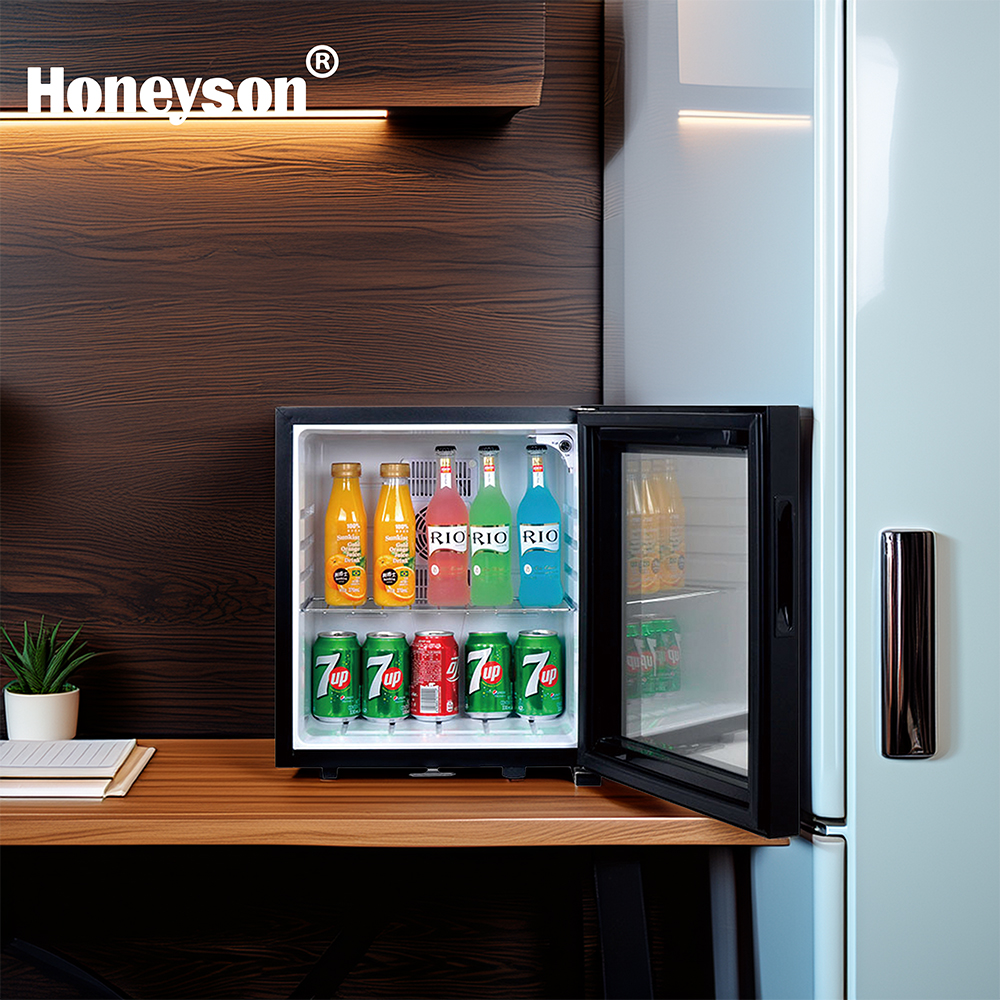
Selecting the right small refrigerator for hotel guest rooms requires careful attention to noise performance, capacity, and operational efficiency. Guest satisfaction depends significantly on room quietness, making noise levels a critical specification factor. A hotel refrigerator that operates silently creates a premium experience, while excessive noise complaints can damage reputation and reduce bookings. Understanding how to specify these units ensures your hotel invests in equipment that balances functionality with guest comfort.

Hotel operators and procurement teams must evaluate multiple technical parameters when choosing a compact fridge for guest accommodations. Beyond basic cooling capacity, specifications such as compressor type, insulation quality, vibration isolation, and refrigerant selection directly impact noise output. An OEM small refrigerator designed specifically for hospitality use incorporates engineering features that standard residential models lack. This guide walks through the essential specification criteria to ensure your hotel refrigerator selection meets both operational demands and guest expectations for a quiet, unobtrusive presence in the room.
Understanding Noise Performance Standards for Hotel Refrigerators
Measuring Decibel Levels and Guest Expectations
Noise measurement in decibels follows a logarithmic scale, meaning small numerical differences represent significant perceptual changes. A hotel refrigerator operating at 35 decibels remains virtually imperceptible to most guests, while units at 45 decibels produce noticeable background hum. Industry standards recommend compact fridge models for hotel use maintain sound output below 40 decibels during normal cooling cycles. Guest surveys consistently show that refrigerator noise ranks among the top complaints in mid-range and premium hotel properties. Understanding these benchmarks helps procurement teams reject unsuitable models and focus on units engineered for silent operation in confined bedroom spaces.
Compressor Technology and Noise Reduction
The compressor represents the primary noise source in any small refrigerator design. Reciprocating compressors generate more noise through mechanical vibration than rotary or scroll-type compressors used in higher-specification models. An OEM small refrigerator for hospitality typically employs rotary compressors with advanced vibration dampening mounts that isolate motor vibration from the cabinet. Quality insulation materials surrounding the compressor chamber absorb sound waves before they escape into the guest room. Selecting hotel refrigerator units with variable-speed compressors offers additional noise reduction, as these systems modulate cooling intensity based on internal temperature rather than cycling on and off repeatedly.
Key Specifications for Guest Room Refrigerator Selection
Capacity, Footprint, and Room Integration
Most hotel guest rooms require a compact fridge with capacity between 4 to 8 cubic feet, sufficient for minibar beverages and guest personal items without consuming excessive floor or furniture space. Standard dimensions typically range from 19 to 24 inches wide, allowing placement on dressers, desks, or dedicated beverage cabinets. Hotel refrigerator specifications should confirm external measurements against existing furniture layouts to prevent installation conflicts. Energy efficiency ratings directly correlate with noise performance; models meeting ENERGY STAR standards often feature superior insulation and quieter compressor operation. Selecting a small refrigerator with adjustable shelving and transparent door design meets diverse guest preferences while maintaining the quiet operation essential to hospitality environments.
Temperature Control and Frost Management
Precise thermostat control prevents compressor cycling frequency, a major contributor to guest-noticeable noise events in small refrigerator units. Hotel refrigerator models with electronic controls maintain stable internal temperatures better than mechanical thermostats, reducing unnecessary on-off cycles. Frost-free technology in compact fridge systems cycles defrost operations during off-peak hours or uses innovative designs that eliminate excessive defrost cycles entirely. OEM small refrigerator manufacturers engineered for hospitality increasingly offer whisper-quiet defrost modes that activate only when necessary. Temperature holding capability during door openings, common in guest rooms with frequent access, prevents compensatory compressor surge that would otherwise generate noise spikes.
Procurement and Installation Considerations
Vendor Specification Requirements and Testing
Professional procurement teams specify sound performance metrics before purchasing small refrigerator units for hotel deployments. Request independent decibel measurements conducted in standardized testing environments; manufacturer claims require third-party verification. An OEM small refrigerator supplier should provide acoustic performance data across multiple operational scenarios: startup cycles, steady-state cooling, and defrost activation. Hotel refrigerator specification documents should mandate acoustic testing at the installation site prior to full deployment, identifying problematic units before guest occupancy. Establishing clear noise performance clauses in purchase agreements ensures accountability and provides recourse if compact fridge units fail to meet contracted specifications after installation.
Placement, Leveling, and Vibration Isolation
Proper installation dramatically affects how much noise a small refrigerator transmits into the guest room environment. Uneven flooring or unstable furniture mounting creates vibration paths that amplify compressor noise; hotel staff must verify level placement using precision instruments. Isolating the compact fridge from direct contact with resonant surfaces through foam pads or vibration-damping mounts reduces noise transmission significantly. Hotel refrigerator placement away from headboard walls or bedroom common walls minimizes neighbor disturbance from sound transmission through shared structures. Some hospitality operators implement soft-closing doors on built-in models, reducing mechanical noise from door operation cycles that guests encounter repeatedly throughout their stay.
FAQ
What noise level should a hotel refrigerator achieve?
Hotel refrigerator units should operate at 40 decibels or below for guest room applications, with premium properties targeting 35 decibels or quieter. This range keeps a small refrigerator essentially inaudible during normal guest activities while maintaining reliable cooling performance. Compact fridge models exceeding 45 decibels typically generate complaints and negatively impact guest satisfaction scores.
How does an OEM small refrigerator differ from standard residential models?
An OEM small refrigerator engineered specifically for hospitality incorporates advanced vibration isolation, superior insulation, and quieter compressor technology compared to standard residential compact fridge units. Hotel refrigerator designs prioritize continuous silent operation during guest occupancy, whereas residential models optimize for occasional household use. OEM specifications also include durable exterior finishes, enhanced reliability for frequent maintenance cycles, and compliance with commercial safety standards that exceed residential requirements.
Can existing hotel guest rooms retrofit upgraded small refrigerators?
Yes, most existing hotel rooms can accommodate newer compact fridge models if space and electrical specifications align with original installations. Upgrading to quieter hotel refrigerator units improves guest experience without requiring structural modifications. Before replacing a small refrigerator, verify electrical outlet compatibility, clearance dimensions, and cooling capacity requirements to ensure the new unit meets your property's operational and comfort standards.
