
 EN
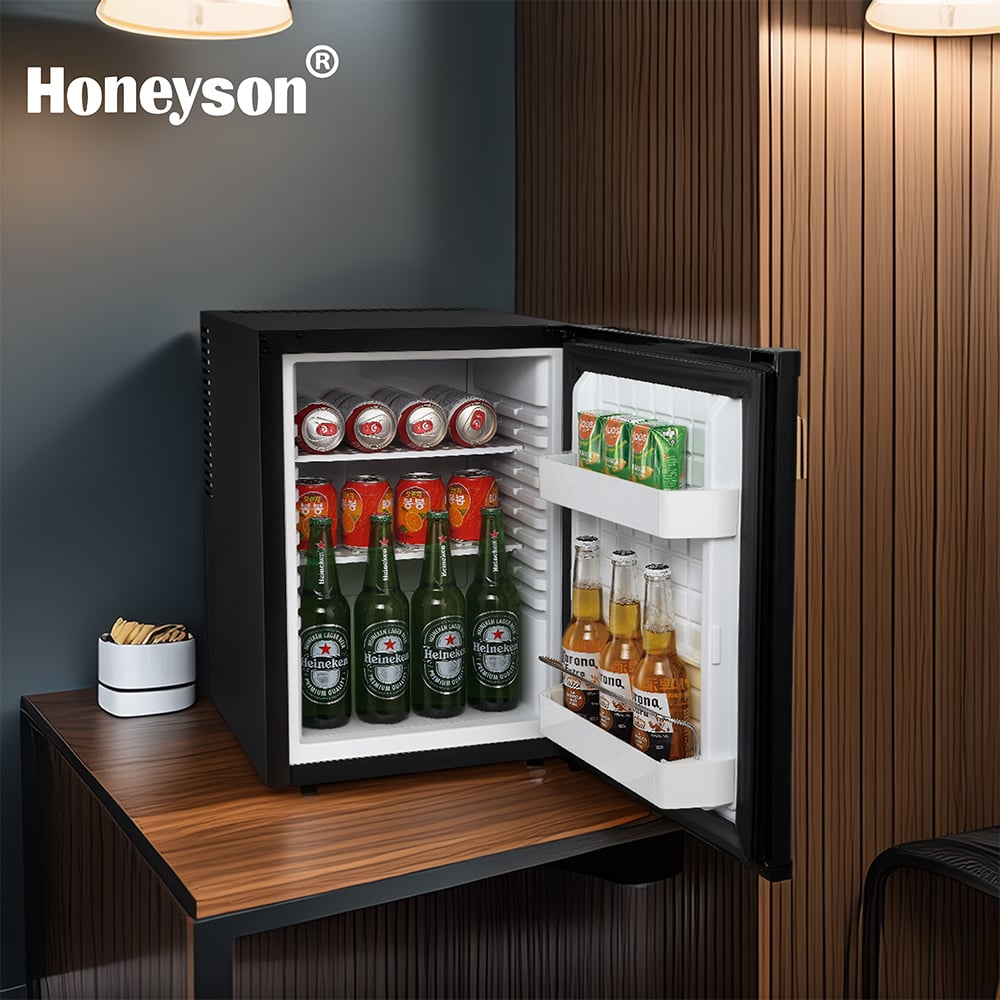
Energy efficiency in a small refrigerator depends fundamentally on insulation quality and door seal integrity. These two components work together to minimize heat transfer, reduce compressor runtime, and lower electricity consumption. Understanding the technical specifications behind insulation thickness, material composition, and seal design is essential for anyone selecting or optimizing cooling equipment in hospitality, retail, or residential applications.

The relationship between insulation performance and operating costs is direct and measurable. A hotel refrigerator or compact fridge with inadequate insulation forces the compressor to cycle more frequently, consuming additional energy and generating unnecessary heat. Conversely, well-engineered insulation systems, combined with precision-fitted door seals, create a thermal barrier that maintains stable internal temperatures with minimal energy input. This article explores the critical specifications that define insulation effectiveness and door seal performance in small refrigeration units.
Insulation Material Specifications and Thermal Performance
Polyurethane Foam and Expanded Polystyrene Standards
Most OEM small refrigerator designs use polyurethane foam or expanded polystyrene (EPS) as primary insulation media. Polyurethane foam offers superior thermal resistance with an R-value typically ranging from R-6 to R-8 per inch of thickness. For compact fridge applications, typical insulation wall thickness ranges from 2 to 3 inches, creating an effective thermal barrier. EPS, while less expensive, delivers R-value performance between R-3.5 and R-5 per inch, requiring greater thickness to achieve equivalent thermal protection. The choice between these materials directly impacts both manufacturing cost and long-term energy efficiency metrics.
The density and cell structure of insulation material also influence performance. Higher-density polyurethane foam resists moisture absorption better and maintains consistent R-value over the refrigerator's operational life. In hotel refrigerator specifications, manufacturers often specify foam density between 2.0 and 2.5 pounds per cubic foot to balance thermal performance with structural integrity and manufacturing efficiency.
Thickness Requirements for Different Cabinet Sizes
Standard small refrigerator models require minimum insulation thickness based on cabinet dimensions and expected ambient temperatures. A 3.2 cubic foot compact fridge typically requires 2-inch polyurethane insulation in temperate climates, while models designed for warmer environments benefit from 2.5 to 3-inch thickness. OEM small refrigerator specifications account for surrounding air temperature, internal target temperature differential, and acceptable temperature variance within the cabinet. Undersizing insulation thickness creates thermal weak points where heat infiltration accelerates, forcing compressor operation at higher duty cycles and consuming 15 to 25 percent more electrical energy annually.
Door Seal Design and Air-Tightness Standards
Gasket Material Composition and Magnetic Strip Integration
Door seals in a hotel refrigerator consist of elastomer gaskets combined with magnetic strips that hold the door firmly against the cabinet perimeter. The most common gasket material is ethylene-propylene-diene monomer (EPDM) rubber, which resists temperature cycling, maintains flexibility across wide operating ranges, and resists degradation from moisture and cleaning chemicals. The cross-sectional profile of gaskets in OEM small refrigerator designs typically incorporates dual-chamber or tri-chamber hollow sections that compress when the door closes, creating multiple contact lines with the door frame.
Magnetic strips embedded in gasket material must generate sufficient force to keep the door seal pressed against the frame without requiring excessive force to open the door. Standard specifications call for magnetic strip strength between 800 and 1200 gauss, measured perpendicular to the door surface. Undersized magnetic force allows air leakage around the seal perimeter; oversized magnetic force impedes door operation and increases wear on hinge mechanisms. Properly specified magnetic integration ensures consistent seal compression across the entire door perimeter during both open and closed states.
Seal Compression and Air Leakage Rate Limits
A compact fridge door seal must compress uniformly when closed to achieve consistent contact pressure around the entire perimeter. Air leakage rate is typically measured in air changes per hour (ACH) or cubic feet per minute (CFM) under standardized testing conditions. Industry standards for small refrigerator door seals specify maximum air leakage not exceeding 0.05 CFM when tested at a 25 Pascal pressure differential across the door. This specification ensures minimal heat infiltration through seal gaps or around the door frame perimeter.
The compression rate of door gaskets is defined as the percentage of gasket material thickness that deforms when the door closes fully. Typical small refrigerator specifications call for gasket compression rates between 25 and 40 percent, creating sufficient contact pressure for an effective seal while avoiding excessive stress that would accelerate gasket wear. Higher compression rates improve initial seal performance but reduce gasket service life, while lower compression rates preserve gasket longevity but risk inadequate seal integrity over time.
Combined Impact on Energy Consumption and OEM Standards
Thermal Bridging Prevention in Cabinet Structure
Beyond wall insulation and door seals, cabinet frame design prevents thermal bridging that would allow heat to bypass the insulation layer. OEM small refrigerator engineering specifies polyurethane or fiberglass thermal breaks at connection points where metal cabinet components meet. Without thermal break isolation, metal hardware conducts external heat directly into the cabinet interior, degrading overall thermal performance by 5 to 12 percent. Properly designed thermal breaks maintain insulation continuity and prevent localized cold spots or condensation formation on internal surfaces.
The door frame attachment to the cabinet body also represents a potential thermal weak point. Modern hotel refrigerator specifications incorporate insulated frame assemblies where the door hinge mechanism connects through thermal break material rather than direct metal-to-metal contact. This design detail, while seemingly minor, contributes meaningfully to total cabinet thermal resistance and reduces the cumulative effect of multiple thermal leak paths.
Energy Performance Validation and Testing Methodology
Manufacturers validate insulation and door seal performance through standardized testing that measures internal temperature stability under various ambient conditions. A compact fridge subjected to 32-degree Celsius ambient temperature with a compressor off-time test reveals how effectively insulation and door seals maintain thermal stability. Temperature rise rate during off-time directly correlates to insulation quality and seal air-tightness. Specifications typically require temperature rise not to exceed 1.5 to 2 degrees Celsius per hour under these test conditions, providing evidence that insulation thickness and door seal design meet efficiency standards.
Full-load energy consumption testing, standardized across small refrigerator categories, confirms that combined insulation and door seal specifications deliver expected annual energy use figures. These tests operate units continuously under defined ambient temperatures, measuring compressor runtime, defrost cycle frequency, and total kilowatt-hour consumption. Energy Star or equivalent certification programs require that certified small refrigerator models demonstrate energy performance within defined parameters, directly validating that insulation specs and door seal design achieve their intended efficiency objectives in real-world operating environments.
FAQ
How does polyurethane foam insulation thickness affect small refrigerator energy consumption?
Increasing polyurethane insulation thickness from 2 inches to 3 inches reduces annual energy consumption by approximately 10 to 15 percent, depending on ambient temperature and duty cycle. Each additional inch of R-6 polyurethane foam adds roughly 6 units of thermal resistance, slowing heat infiltration and reducing compressor cycling frequency. However, thicker insulation increases manufacturing cost, weight, and reduces interior storage volume, so manufacturers balance thermal performance with practical and economic constraints when designing compact fridge specifications.
What is the typical air leakage specification for a hotel refrigerator door seal?
Industry standards specify maximum air leakage rates not exceeding 0.05 cubic feet per minute (CFM) when tested at 25 Pascal pressure differential across the door assembly. This specification ensures that door seal air-tightness remains consistent throughout the refrigerator's operational life. Regular inspection and gasket replacement when visible wear or deterioration occurs helps maintain this specification and prevents gradual energy efficiency degradation that would otherwise accumulate over several years of operation.
Can door seal replacement improve energy efficiency in an aging OEM small refrigerator?
Yes, replacing worn door gaskets and updating magnetic strips can restore a small refrigerator's thermal performance to near-original efficiency levels. Over time, elastomer gaskets lose flexibility, allowing air to leak around door perimeters, and magnetic force degrades, reducing seal compression. Specification-compliant replacement gaskets and magnetic strips typically cost 15 to 30 dollars and require minimal installation effort, making seal restoration a cost-effective maintenance strategy for extending refrigerator operational life while reducing ongoing energy consumption.
