
 EN
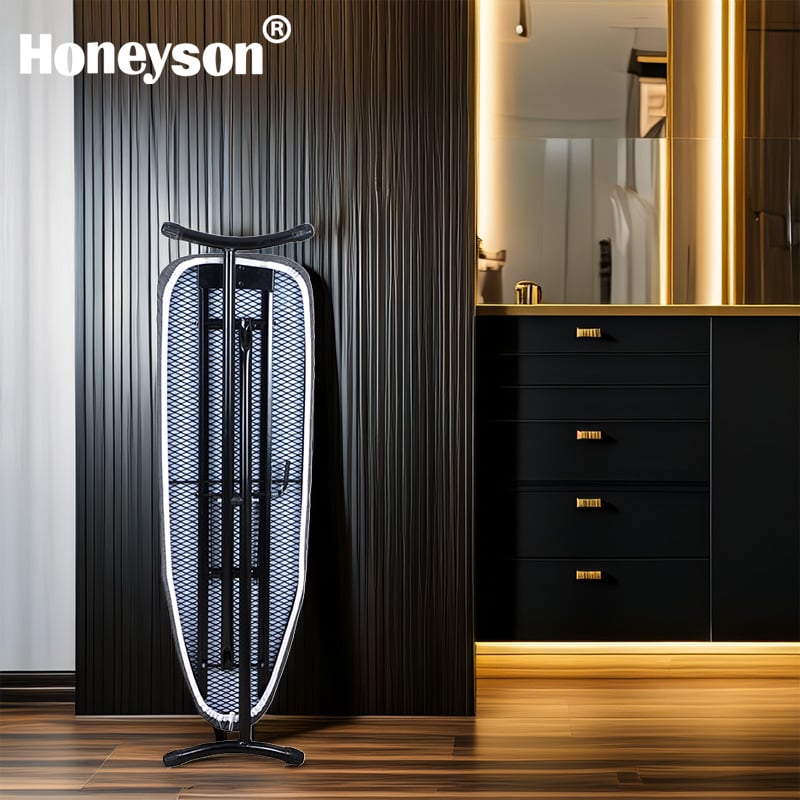
The durability and longevity of an ironing board depends significantly on the protective coatings and powder finishes applied to its surface and frame. Whether you own a household ironing board or manage commercial equipment for a hotel, the quality of these surface treatments directly influences how well your ironing board resists corrosion, wear, and environmental stress. Understanding the relationship between coating choices and ironing board performance helps you make informed purchasing and maintenance decisions that extend equipment life and reduce replacement costs.
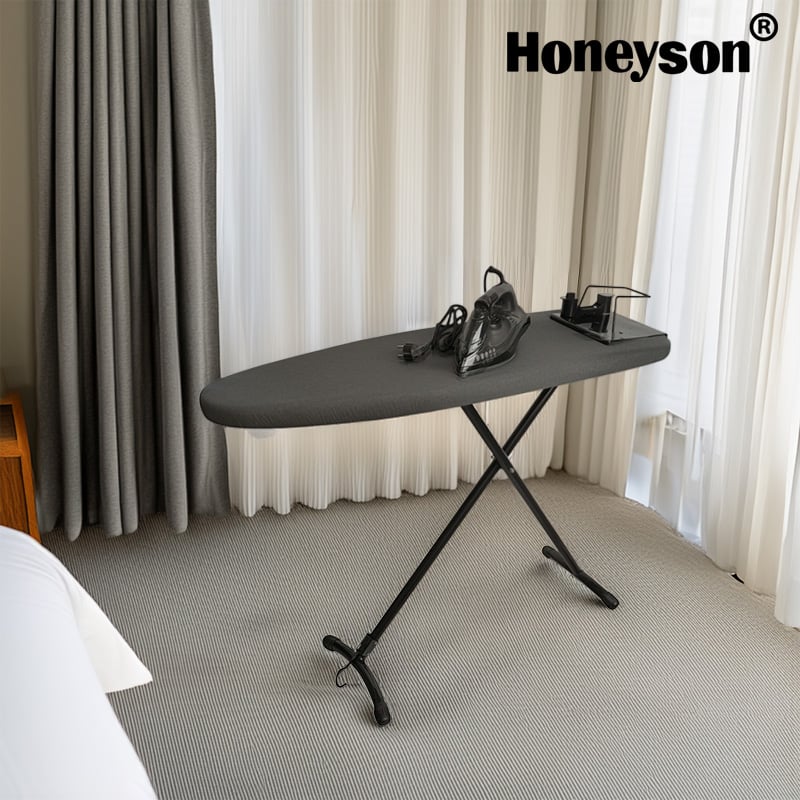
The surface finish of an ironing board serves as the primary defense against moisture, heat, and physical damage. A well-engineered coating system protects the underlying metal or wood substrate from oxidation and degradation, while a substandard finish allows rust, staining, and structural compromise to develop quickly. This article explores how different coating and powder finish technologies affect ironing board durability, what factors influence finish quality, and how to evaluate options when selecting an ironing board for your needs.
Understanding Coating Systems and Their Role in Durability
Coating systems protect ironing board surfaces through multiple layers designed to repel moisture, resist thermal stress, and endure mechanical contact. An industrial-grade hotel ironing board typically uses multi-layer coating systems that combine primer, intermediate coats, and topcoat finishes. Each layer serves a specific function: primers improve adhesion and provide corrosion resistance, intermediate coats build protective thickness, and topcoats deliver visual appeal and final environmental defense.
How Powder Coating Enhances Surface Protection
Powder coating creates a thick, uniform protective layer that bonds chemically to the substrate, offering superior durability compared to traditional liquid coatings. When applied to an ironing board frame, powder coating resists chipping, peeling, and moisture penetration far more effectively than thin paint applications. The process involves electrostatically applying dry powder particles to the metal frame, then heating to cure and fuse the coating into a continuous, durable membrane. This method produces finishes that withstand repeated thermal cycles, humidity fluctuations, and physical contact inherent in frequent ironing board use.
Liquid Coating Alternatives and Trade-offs
Liquid coatings, including polyurethane and epoxy formulations, offer another approach to protecting ironing board surfaces. These coatings dry through solvent evaporation or chemical cross-linking, creating a protective film over the substrate. While liquid coatings can provide adequate protection for home use and lighter commercial applications, they generally produce thinner films than powder coating and may show wear more visibly after extended use. An OEM ironing board manufacturer often selects liquid coatings for cost efficiency in consumer markets while reserving powder coating for premium or hotel ironing board product lines.
Material Selection and Finish Performance Interaction
The base material of an ironing board directly affects how well coatings and finishes perform and how long they protect the board. Steel frames require robust coating systems to prevent rust formation, while aluminum substrates demand coatings that prevent oxidation and maintain dimensional stability. The interaction between material and coating determines actual durability; a premium coating applied to unsuitable base material may fail prematurely, and conversely, a quality substrate with inadequate coating coverage will degrade quickly.
Steel Substrate Coating Challenges
Steel ironing boards demand thorough surface preparation and multi-layer coating systems to achieve lasting durability. Steel oxidizes readily when exposed to moisture and atmospheric oxygen, making protective coating thickness critical for long-term performance. A hotel ironing board constructed from steel requires either powder coating applied at 2.5 to 3.5 mils thickness or liquid coating systems with primer and multiple topcoats to provide adequate rust protection. Without proper coating specification, steel frames begin showing rust within weeks of exposure to humid environments.
Aluminum Substrate and Coating Compatibility
Aluminum offers natural corrosion resistance, but its surface chemistry requires specialized coating systems to ensure adhesion and long-term protection. Aluminum oxide naturally forms on exposed surfaces, which can interfere with coating adhesion if not properly managed. A foldable ironing board made from aluminum benefits from anodizing as a pre-treatment step, which creates a controlled oxide layer that improves coating adhesion and adds additional corrosion protection. Powder coating or specialized epoxy systems then bond to this prepared surface, creating a durable multi-layer defense against environmental stressors.
Environmental Factors That Test Coating and Finish Performance
Real-world durability depends on how well coatings withstand the specific environmental conditions where an ironing board operates. Commercial hotel environments present extreme challenges: frequent water exposure from steam irons, thermal cycling as boards heat and cool, salt-laden air in coastal locations, and continuous physical contact. Home ironing boards face less intense but still meaningful exposure to moisture from steam, temperature fluctuations, and storage conditions. Understanding these environmental demands helps explain why a hotel ironing board requires more robust coating specifications than a foldable ironing board used occasionally at home.
Moisture and Corrosion Resistance Testing
Coating durability is measured through standardized tests that simulate environmental exposure. Salt spray testing exposes coated samples to salt-laden fog, accelerating corrosion and revealing coating weaknesses. An OEM ironing board manufacturer uses these tests to validate that their coating systems meet commercial performance requirements. A quality hotel ironing board typically survives 500 to 1000 hours of salt spray testing without significant rust development, while consumer-grade finishes may show corrosion much earlier.
Thermal Stress and Adhesion Durability
Repeated heating cycles during steam ironing sessions create thermal stress that can cause coatings to crack, peel, or delaminate. Quality powder-coated finishes flex and expand with the substrate material, maintaining adhesion through numerous thermal cycles. Lower-quality coatings become brittle with repeated heating, leading to stress fractures where moisture can penetrate and initiate substrate corrosion. A durable ironing board coating system must accommodate thermal expansion rates of the underlying material while resisting UV degradation from exposure to natural and artificial light.
Selecting and Maintaining Coating Quality for Long-Term Performance
Choosing an ironing board with appropriate coating specifications for your intended use environment significantly extends equipment life and maintains appearance and function. Commercial buyers should prioritize hotel ironing boards with powder coating specifications documented in mils thickness and curing standards. Home users benefit from OEM ironing boards offering multi-layer liquid coating systems designed for typical household humidity and temperature ranges. A foldable ironing board for occasional use typically requires less aggressive coating specifications than equipment serving professional laundry or hospitality operations.
Inspecting Coating Integrity and Maintenance Practices
Regular inspection of coating condition helps catch damage before corrosion spreads. Look for chips, cracks, peeling, or discoloration indicating coating failure. Prompt touch-up with appropriate coating materials prevents water penetration that rapidly degrades exposed substrate. Storing an ironing board in dry environments and avoiding corrosive chemical contact preserves coating integrity. ironing board surfaces should be wiped dry after steam iron use to minimize moisture-induced coating stress. These simple maintenance practices dramatically extend the working life of any ironing board regardless of original coating quality.
When Refinishing or Replacement Becomes Necessary
Even quality coatings eventually wear through years of use. Professional refinishing restores a damaged ironing board to like-new condition when substrate material remains sound. Re-coating typically involves stripping old finish, surface preparation, and application of new powder or liquid coating systems. For commercial operations where downtime costs accumulate, OEM ironing board replacement may prove more economical than refinishing. Understanding when refinishing extends useful life versus when new equipment investment makes financial sense requires comparing restoration costs against replacement expense and operational value of newer models.
FAQ
What coating thickness should a commercial hotel ironing board have?
Hotel ironing boards should feature powder coating applied at 2.5 to 3.5 mils thickness minimum to provide adequate corrosion resistance in humid environments. Liquid coating systems should include primer and multiple topcoats totaling at least 3 to 4 mils combined thickness. These specifications ensure the coating withstands frequent steam exposure, high humidity, and continuous use typical of commercial laundry operations. Lower thickness specifications accelerate rust development and reduce equipment longevity in demanding environments.
How do powder-coated finishes compare to powder finishes on a foldable ironing board?
Powder coating and powder finishes are essentially the same technology: electrostatic application of dry powder particles followed by thermal curing to create a continuous protective layer. On a foldable ironing board, powder coating provides excellent durability for occasional home use, resisting moisture and minor mechanical damage better than liquid coatings. The terminology sometimes differs in marketing materials, but the performance characteristics remain consistent.
Can a damaged coating be repaired or must the entire ironing board be replaced?
Minor coating damage can be repaired with touch-up paint or coating patches designed for the original finish type, extending board life and preventing rust development. Extensive coating failure or structural corrosion from unaddressed coating breaches may render an ironing board unsuitable for continued service. Professional refinishing restores heavily damaged boards when the substrate remains structurally sound, making this option cost-effective for expensive hotel or OEM ironing board equipment. Home users with minor damage typically benefit from simple maintenance; commercial operators should evaluate refinishing economics against replacement costs.
