
 EN

Efficient packing and container loading of an ironing board requires systematic planning and industry-proven techniques to minimize damage, optimize storage space, and reduce logistics costs. Whether you operate a large hotel chain, manage laundry facilities, or source OEM ironing board components, understanding proper handling procedures directly impacts your operational efficiency and equipment longevity. The hospitality industry relies heavily on reliable laundry infrastructure, and hotel ironing board units represent significant capital investments that must be protected throughout the supply chain.
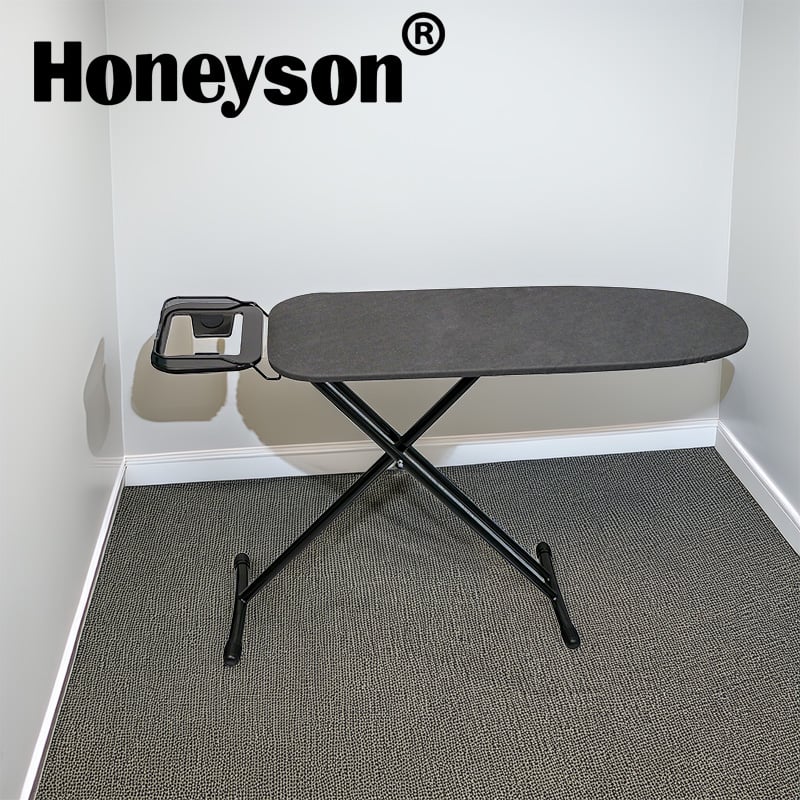
The process of preparing an ironing board for shipment involves multiple stages, from initial inspection through final container loading. Organizations that implement standardized packing protocols reduce transit damage by up to sixty percent while simultaneously lowering handling costs and improving customer satisfaction. This guide examines the complete workflow for optimizing ironing board packing and container loading, covering preparation techniques, protective materials, loading strategies, and practical compliance considerations essential for hospitality and commercial operations.
Preparation and Inspection Procedures
Pre-Packing Assessment
Before packing any hotel ironing board, conduct a comprehensive inspection to verify structural integrity, electrical safety where applicable, and surface condition. Check all joints for looseness, examine the fabric covering for tears or wear, and test any mechanical components such as height adjustment mechanisms or folding hinges. Document any defects using standardized forms to maintain quality records and prevent liability issues downstream. This preliminary assessment ensures only properly functioning equipment enters the packing phase, protecting both your reputation and customer satisfaction.
Surface Protection and Wrapping
Begin the protective wrapping process by placing the foldable ironing board on a clean, dry surface. Apply corner protectors to vulnerable edges where the ironing surface meets the support legs to prevent impact damage during transport. Wrap the entire unit with high-density foam padding, securing it with plastic wrap or strapping tape to maintain pressure and stability. For OEM ironing board components destined for assembly operations, separate individual pieces into clearly labeled compartments within the protective wrapping to facilitate inventory tracking and reduce assembly errors upon arrival.
Strategic Container Loading and Space Optimization
Nested Loading Configuration
Many hospitality operations and OEM suppliers utilize nested loading strategies where multiple foldable ironing board units stack vertically with padding between each layer. This approach maximizes container utilization while maintaining protective separation. Calculate the weight distribution carefully to ensure bottom layers can support the combined load without structural stress, and distribute the weight evenly across the container floor to prevent tipping or shifting during transport. Properly executed nested loading can increase container capacity by forty to fifty percent compared to standard side-by-side arrangement.
Load Securing and Stabilization
After arranging ironing board units within the container, secure all items using adjustable straps, corner bracing, or load locks to eliminate movement during transit. Place the heaviest items on the container floor and lighter equipment on upper levels to maintain stability and prevent cascading failures if the container experiences sudden braking or directional changes. Fill any remaining void spaces with additional padding materials or inflatable air pillows to absorb impacts and reduce movement. For hotel ironing board shipments, use corner posts or wooden bracing systems that extend from floor to ceiling to create a stable framework that immobilizes all packed equipment.
Compliance, Documentation, and Best Practices
Regulatory Compliance and Labeling
Ensure all packed ironing board containers comply with transportation regulations specific to your shipping method, whether air freight, ocean shipping, or ground transport. Label containers prominently with handling instructions such as 'Fragile,' 'This Side Up,' and weight markings to guide warehouse personnel and prevent improper stacking. Prepare detailed packing lists that itemize the quantity of units, individual unit specifications, and any OEM ironing board components included in each shipment. Maintain copies of documentation for customs clearance where international transport is involved, and ensure all electrical or mechanical units comply with destination country safety standards.
Quality Control and Performance Tracking
Implement a systematic quality control process that includes photographic documentation of packed containers before sealing and shipping. Track damage rates by shipment route, carrier, and packing method to identify improvements and hold logistics partners accountable for handling performance. Conduct post-delivery inspections with your customer to document the condition of each hotel ironing board upon arrival, creating evidence of packing effectiveness. Use this performance data to refine your packing protocols continuously, reducing costs while maintaining equipment integrity and customer satisfaction benchmarks throughout your supply chain.
FAQ
What protective materials work best for packing an ironing board?
High-density foam padding combined with plastic wrap provides the most effective protection for standard and foldable ironing board units. For hotel ironing board models with electronic controls, add moisture-resistant barriers and anti-static wrapping to protect sensitive components. Corner protectors and edge guards prevent damage to vulnerable joints where legs attach to the ironing surface. Consult with your packaging supplier to ensure all materials meet moisture and temperature specifications for your destination climate.
How many ironing board units can fit in a standard shipping container?
A standard twenty-foot container typically accommodates one hundred to one hundred fifty properly nested and padded hotel ironing board units, depending on their specific dimensions and folding configuration. OEM ironing board components in flat-pack form can increase this capacity significantly. Always calculate your specific container volume based on actual unit dimensions, including all protective wrapping, to avoid overloading and to ensure compliance with weight distribution regulations. Weight limits imposed by carriers may actually become the limiting factor before container volume capacity.
What loading errors should I avoid when packing ironing board shipments?
Avoid overloading individual units with excessive weight on upper layers, which can crush the fabric covering or bend support legs. Do not neglect the padding between nested foldable ironing board layers, as direct unit-to-unit contact causes surface damage and accelerates wear. Never mix OEM ironing board components without proper separation to prevent assembly confusion and contamination. Finally, avoid securing straps too tightly around the protective wrapping, which can deform the unit structure during long transit periods.
