
 EN
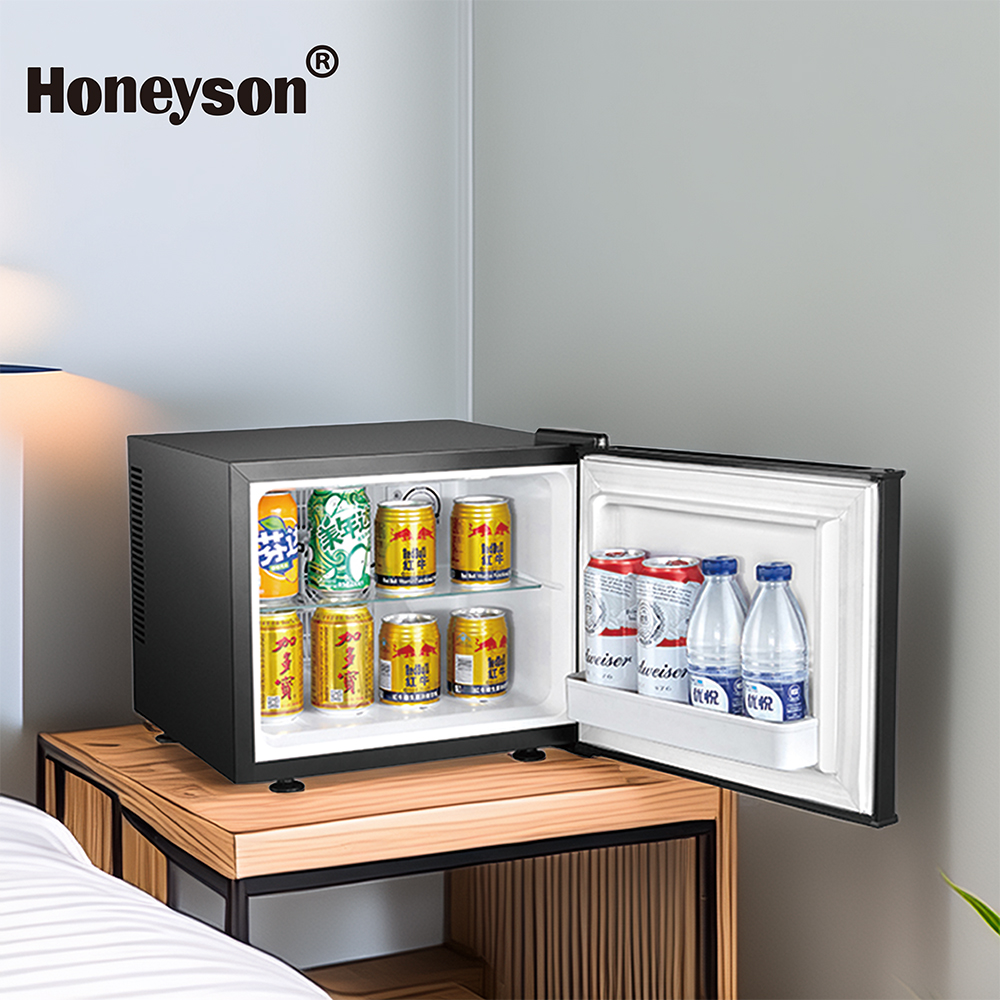
Before any small refrigerator reaches your facility through bulk shipment, it must pass rigorous quality testing procedures. These testing steps ensure that every unit meets industry standards, functions reliably, and arrives in perfect condition. Whether you're receiving hotel refrigerator units for hospitality establishments or OEM small refrigerator components for integration into larger systems, understanding the quality assurance process protects your investment and maintains customer satisfaction.
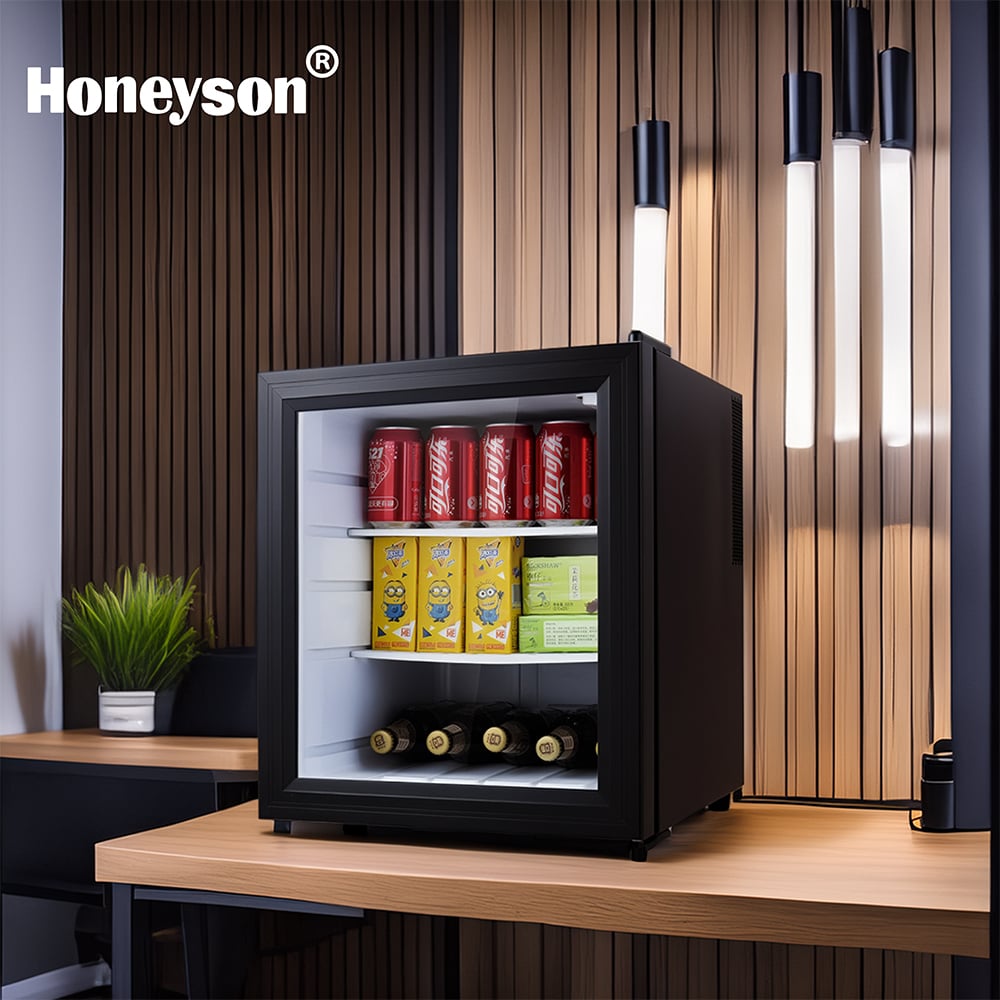
The quality testing process for compact fridge units is comprehensive and multi-layered. Manufacturers and quality assurance teams conduct systematic inspections across mechanical performance, electrical safety, thermal efficiency, and physical durability. Each test phase targets specific failure modes and performance benchmarks established by industry regulations and customer specifications. Understanding these steps helps procurement teams verify compliance and set realistic expectations for delivery timelines and costs.
Initial Visual and Structural Inspection
External Component Assessment
The first quality testing phase begins with a thorough visual examination of every hotel refrigerator unit. Inspectors assess the cabinet exterior for dents, scratches, paint defects, and corrosion that could indicate manufacturing or handling damage. The door seals, hinges, and handles are checked for proper alignment and functionality. Any structural defects discovered at this stage result in unit rejection or rework before proceeding to functional testing. This step prevents defective compact fridge units from advancing through the supply chain.
Electrical Component Verification
Internal electrical components receive detailed inspection during this phase. Wiring connections, terminal points, compressor leads, and circuit board soldering are examined for loose connections, cold solder joints, or corrosion. The power cord and plug assembly are tested for proper grounding and insulation integrity. For OEM small refrigerator components destined for integration into larger appliances, electrical configuration and connector compatibility are verified against design specifications. Any electrical defect poses safety risks and warranty liabilities.
Functional Performance Testing
Refrigeration Capacity and Temperature Control
Each hotel refrigerator undergoes extended temperature cycling to verify cooling performance and thermostat accuracy. Units are powered in climate-controlled chambers at ambient temperatures of 25°C and 32°C. Temperature sensors record interior cabinet temperatures at regular intervals over a 24-hour period. The small refrigerator must achieve and maintain target temperatures within specified tolerances, typically between 3°C and 5°C for fresh food compartments. Compact fridge units that fail to reach target temperatures within the required timeframe are rejected or returned for compressor replacement.
Operational Sound and Vibration Levels
Noise and vibration testing ensures that OEM small refrigerator units meet acceptable acoustic standards for residential and hospitality environments. Sound level meters measure decibel output during steady-state operation and during compressor cycling events. Vibration sensors detect excessive movement that could indicate compressor imbalance, mounting defects, or structural weakness. Hotel refrigerator units destined for quiet environments like hotel rooms must meet stricter noise thresholds than commercial compact fridge applications. Units exceeding noise limits are flagged for corrective action before shipment.
Safety and Durability Verification
Electrical Safety and Leakage Current Testing
Before bulk shipment, each small refrigerator undergoes electrical safety testing to detect leakage currents and insulation breakdown. High-voltage isolation testers apply test voltages to verify that insulation resistance meets international safety standards like IEC 60335. Ground continuity tests confirm proper bonding between conductive components and the protective ground pin. OEM small refrigerator units are tested to ensure compliance with appliance safety directives specific to their destination markets. These tests prevent electrical hazards that could cause user injury or property damage.
Durability and Stress Testing
Hotel refrigerator units undergo accelerated durability testing that simulates extended operational life and environmental stress. Door hinge assemblies are cycled thousands of times to verify longevity and resistance to fatigue failure. Compressor runtime tests operate units continuously over extended periods to identify early failure modes. Thermal shock tests cycle units between extreme temperatures to detect sealing failures and component brittleness. For compact fridge applications in demanding environments, these stress tests validate product robustness and predict field reliability. Units that fail durability benchmarks are subject to design review and component replacement before shipment authorization.
Documentation and Final Release Protocol
Test Data Recording and Compliance Verification
Throughout all testing phases, detailed records document every measurement, observation, and corrective action taken on each small refrigerator unit. Test certificates verify compliance with relevant international standards such as ISO certifications and appliance safety directives. Serial numbers link test records to specific units, enabling traceability if warranty claims or field failures occur after shipment. OEM small refrigerator components include technical documentation confirming dimensional accuracy, electrical specifications, and performance baselines. These records provide evidence of quality assurance compliance and support customer confidence in product reliability.
Batch Release and Shipment Authorization
Once individual units pass all testing phases, quality assurance teams compile final inspection reports for entire production batches. Statistical analysis verifies that sample testing results support batch-level acceptance or rejection decisions. The hotel refrigerator batch is cleared for shipment only when all individual units meet specifications and documentation is complete. Compact fridge units are then packed using protective materials that prevent damage during transit and storage. Final shipment authorization confirms that the entire batch meets customer specifications and regulatory requirements, ensuring that your facility receives quality-assured products ready for immediate deployment.
FAQ
What specific temperature tolerances must a small refrigerator maintain during testing?
A small refrigerator typically must maintain interior temperatures between 3°C and 5°C for fresh food compartments during functional testing. The hotel refrigerator should reach these target temperatures within specified timeframes at ambient conditions of 25°C and 32°C. Temperature measurement occurs at regular intervals over extended 24-hour test cycles to verify consistent performance. Exact tolerances depend on customer specifications and intended application, whether for hotel use, compact fridge retail applications, or OEM small refrigerator integration into larger systems.
How does vibration and noise testing apply to OEM small refrigerator components?
OEM small refrigerator units undergo strict vibration and noise testing because they integrate into other appliances where excessive noise or movement could affect user experience or system performance. Sound level meters measure operational decibel output during both steady-state cooling and compressor cycling events. Vibration sensors detect imbalances that might indicate compressor defects or mounting problems. Depending on the intended application, a compact fridge destined for quiet hotel environments faces stricter acoustic standards than one designed for commercial kitchen use. All vibration and noise data is recorded and retained as part of the compliance documentation package.
Why is electrical safety testing critical before bulk shipment of hotel refrigerator units?
Electrical safety testing protects end users from leakage currents, insulation breakdown, and ground faults that could cause electrical shock or fire hazards. Each hotel refrigerator undergoes high-voltage isolation testing to verify insulation integrity and leakage current levels comply with international safety standards like IEC 60335. Ground continuity tests confirm proper bonding of all conductive components to the protective ground connection. A failed electrical safety test on any small refrigerator unit means the entire OEM small refrigerator batch may face regulatory rejection or recall. This testing is mandatory before any compact fridge shipment to ensure customer and end-user safety compliance.
