
 EN
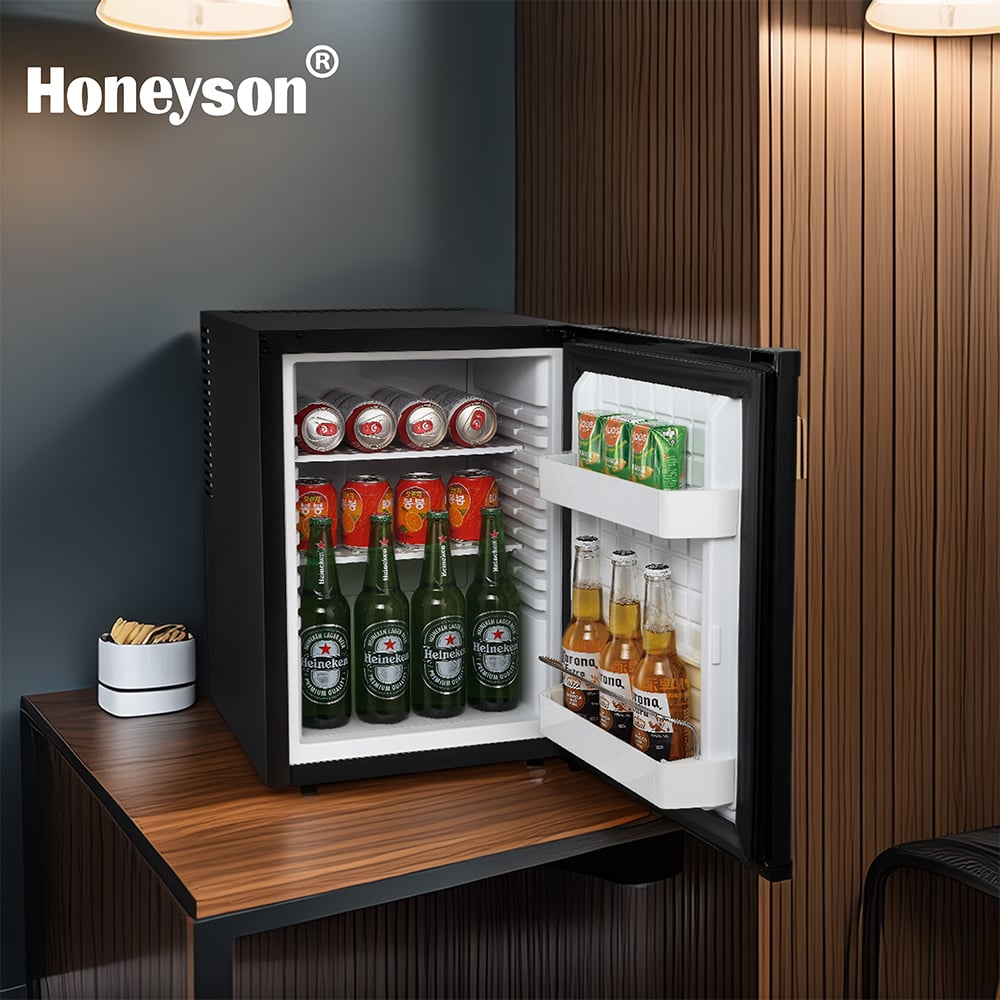
Condensation buildup on a small refrigerator installed inside a cabinet is one of the most common environmental challenges in hospitality, break rooms, and office spaces. When a compact fridge sits within an enclosed cabinetry system, moisture accumulation becomes accelerated due to restricted airflow and temperature fluctuations between the appliance and surrounding surfaces. Understanding the root causes and implementing targeted solutions can protect your equipment, extend its operational life, and maintain food safety standards.
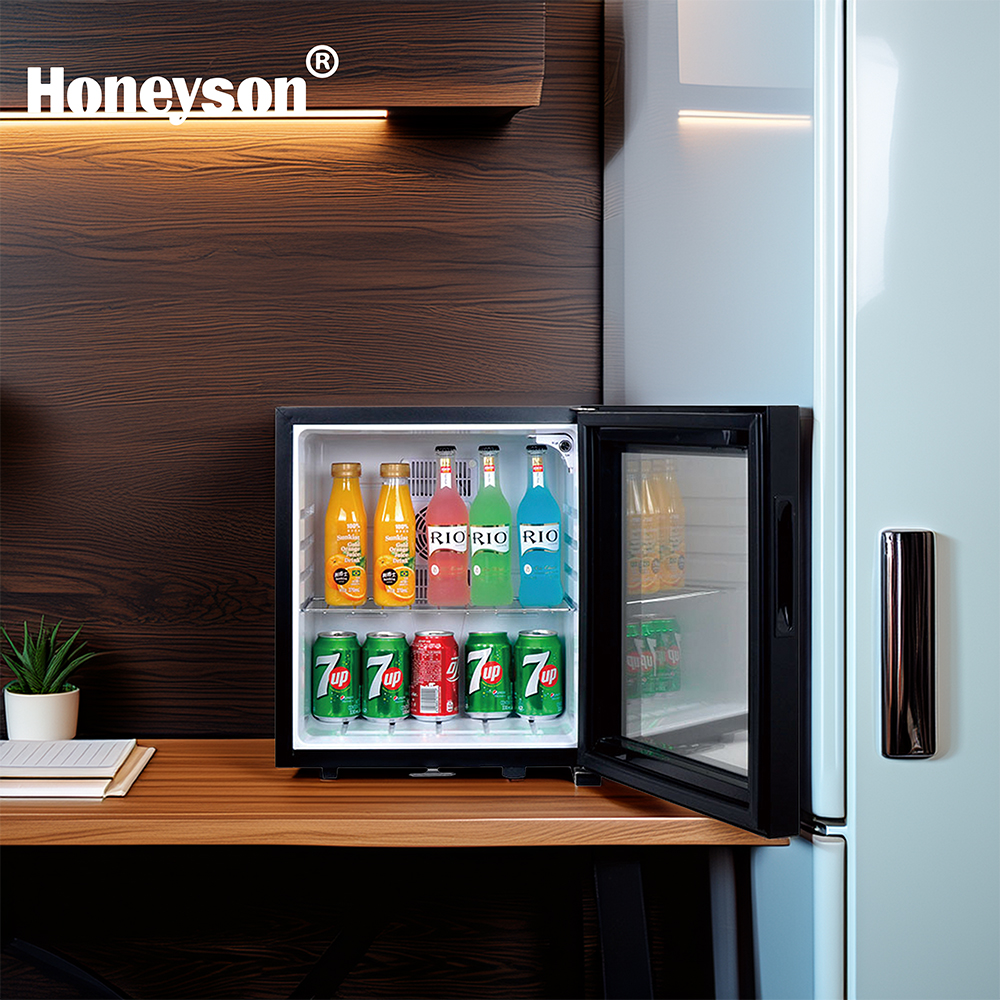
Cabinet-mounted installation creates a unique environment that intensifies condensation risk compared to open-counter placement. A hotel refrigerator or other OEM small refrigerator unit draws in warm ambient air through its intake vents, then cools that air to preserve food. In confined cabinet spaces, exhaust heat cannot disperse efficiently, and humid air becomes trapped against the cabinet walls and the appliance exterior. This temperature differential drives condensation formation on metal surfaces, door handles, and internal components, potentially leading to rust, electrical faults, and mold growth.
Understanding Condensation Formation in Cabinet Environments
How Temperature and Humidity Interact
Condensation occurs when warm, moisture-laden air contacts a surface cooler than its dew point temperature. A compact fridge operating in a sealed cabinet creates multiple thermal zones that accelerate this process. The exterior surface of the appliance remains cold, typically between 35 and 45 degrees Fahrenheit, while cabinet ambient temperatures may reach 75 to 85 degrees Fahrenheit on warm days. When humidity levels exceed 60 percent—common in kitchens, hotel rooms, and break areas—water vapor rapidly converts to liquid on the coldest surfaces available.
Cabinet Ventilation Challenges
Poor airflow inside cabinetry prevents natural convection from carrying moisture-heavy air away from the appliance. Unlike an OEM small refrigerator positioned in an open kitchen, a hotel refrigerator sealed inside wooden or composite cabinetry cannot benefit from ambient air circulation. The cabinet itself often traps warm air near the cooling vents, forcing the small refrigerator to work harder and generating more waste heat. This trapped heat recirculates through intake vents, degrading efficiency and intensifying condensation on cooler exterior surfaces. Additionally, if cabinet doors are opened frequently or insulation is poor, external humidity continuously enters the confined space.
Primary Causes of Cabinet Condensation
Inadequate Cabinet Ventilation Design
The leading cause of condensation problems is insufficient ventilation built into the cabinet structure. Many budget cabinetry designs fail to include dedicated vents that allow exhaust air from the small refrigerator to escape and fresh, drier air to enter. When cabinet manufacturers do not account for the thermal and moisture output of a compact fridge, condensation accumulates rapidly. Retrofitting a cabinet with properly sized intake and exhaust vents, typically located at the bottom and top of the enclosure, can dramatically reduce moisture buildup. An OEM small refrigerator requires a minimum airflow path; blocking these paths creates the exact conditions that trigger condensation.
Excessive External Humidity
Environmental humidity levels directly determine how quickly condensation forms. In coastal regions, humid climates, or facilities with high moisture sources like kitchens and bathrooms, a hotel refrigerator installed in a cabinet faces severe condensation challenges. Each time the cabinet door opens, humid air enters the enclosed space. If the cabinet remains closed for extended periods, this moisture has nowhere to escape and concentrates around the appliance. Sealing cabinet doors poorly or leaving them slightly ajar accelerates humidity ingress.
Improper Appliance Placement Within the Cabinet
Placement of the small refrigerator relative to cabinet walls determines whether airflow can circulate effectively. If a compact fridge sits directly against back or side walls without adequate clearance, exhaust air cannot disperse and recirculates immediately, reheating intake vents and triggering condensation cycles. Industry best practices recommend at least three to four inches of clearance on all sides and six inches at the rear where exhaust vents are located. Additionally, an OEM small refrigerator should never be installed directly on cabinet flooring without a platform or stand that allows air to flow underneath.
Practical Solutions to Eliminate Cabinet Condensation
Installing Strategic Ventilation
The most effective remedy is creating proper airflow paths within the cabinet assembly. Adding intake vents near the bottom front of the cabinet and exhaust vents at the top back allows a small refrigerator to draw in dry external air and expel warm, humid exhaust air. These vents should be equipped with washable air filters to prevent dust and debris from accumulating inside the cabinet or on the appliance coils. For a hotel refrigerator or compact fridge already installed, adding retrofit vents using drill-and-grille methods takes just a few hours and costs substantially less than cabinet replacement. Louver-style vents work better than simple perforations because they control airflow direction and prevent cabinet contents from falling through openings.
Improving Clearance and Positioning
Repositioning the small refrigerator to maximize clearance dramatically improves condensation outcomes. Ensure the appliance sits at least four inches away from all interior cabinet walls and stands on a raised platform that permits underside air circulation. This approach prevents exhaust air from heating intake vents immediately and allows moisture-heavy air to rise and exit through top vents. If cabinet depth does not permit proper clearance behind an OEM small refrigerator, consider a slimmer compact fridge model or explore recessed cabinet modifications.
Controlling Ambient Humidity
Reducing external humidity around the cabinet minimizes the moisture entering the enclosed space. Installing a small portable dehumidifier near the cabinet, particularly in humid climates or near moisture-generating equipment, captures excess moisture before it enters ventilation paths. Conversely, if the cabinet is in a dry environment, adding silica gel desiccant packs inside the cabinet can absorb residual moisture. Sealing cabinet door edges with weather stripping prevents humid air from entering when doors are closed. These passive controls work best in conjunction with mechanical ventilation rather than as standalone solutions.
FAQ
Why does a hotel refrigerator develop condensation only in winter or summer?
Seasonal condensation on a compact fridge depends on temperature differentials and humidity patterns. In winter, rapid temperature swings between heated indoor air and cold cabinet air create condensation that freezes overnight, then melts when heating cycles run. Summer condensation occurs when outdoor humidity peaks and cabinet ventilation cannot expel the accumulated moisture-laden air fast enough. Both scenarios point to inadequate cabinet airflow; proper vent design prevents seasonal intensity spikes.
Can I use a small refrigerator with sealed cabinet doors without ventilation modifications?
Sealed cabinet doors without ventilation modifications will trap moisture and accelerate condensation formation on any small refrigerator or OEM unit inside. Modern cabinet designs should include passive vents that operate continuously; if your cabinet lacks these vents, condensation problems are nearly inevitable. Some users attempt to reduce door opening frequency or keep desiccants inside the cabinet, but these are temporary workarounds. Proper ventilation installation is the only reliable long-term solution for a compact fridge enclosed in cabinetry.
How often should I inspect and maintain cabinet ventilation around my small refrigerator?
Inspect ventilation grilles and air pathways monthly to ensure they remain clear of dust, debris, and blockages. Clogged vents reduce airflow effectiveness and trigger condensation problems within weeks. Clean filter inserts in cabinet vents every two to three months in dusty environments or quarterly in cleaner spaces. For a hotel refrigerator or compact fridge operating continuously, preventive maintenance schedules should include annual checks of cabinet ventilation integrity and resealing of any door gaps that may have developed due to wear.
