
 EN
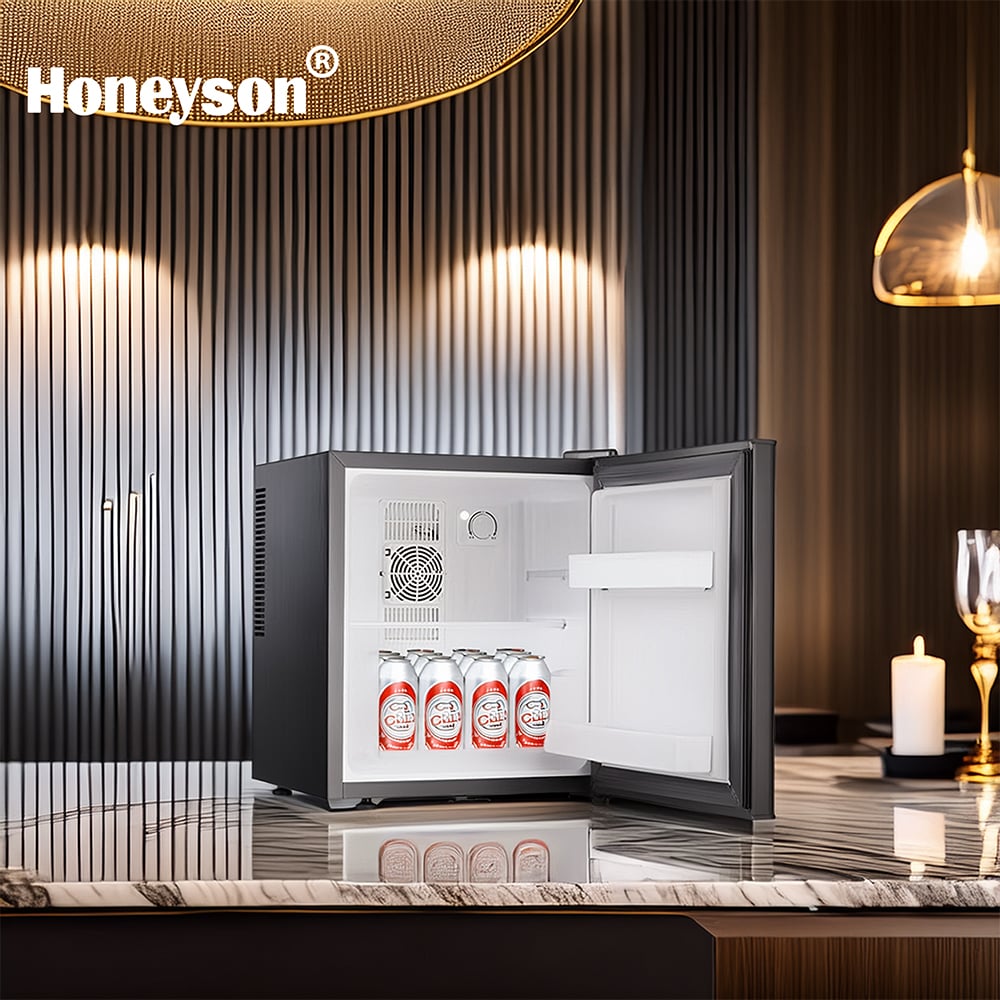
A small refrigerator represents far more than just cooling capacity in modern hospitality, retail, and corporate environments. Today's businesses demand units that align seamlessly with their brand identity and operational aesthetics. Customization has become essential for hotels, restaurants, offices, and specialty retailers seeking to create cohesive environments where every detail reinforces their brand message. The ability to personalize door colors, handle styles, and branding elements transforms a functional appliance into a strategic brand asset that guests and customers notice and remember.
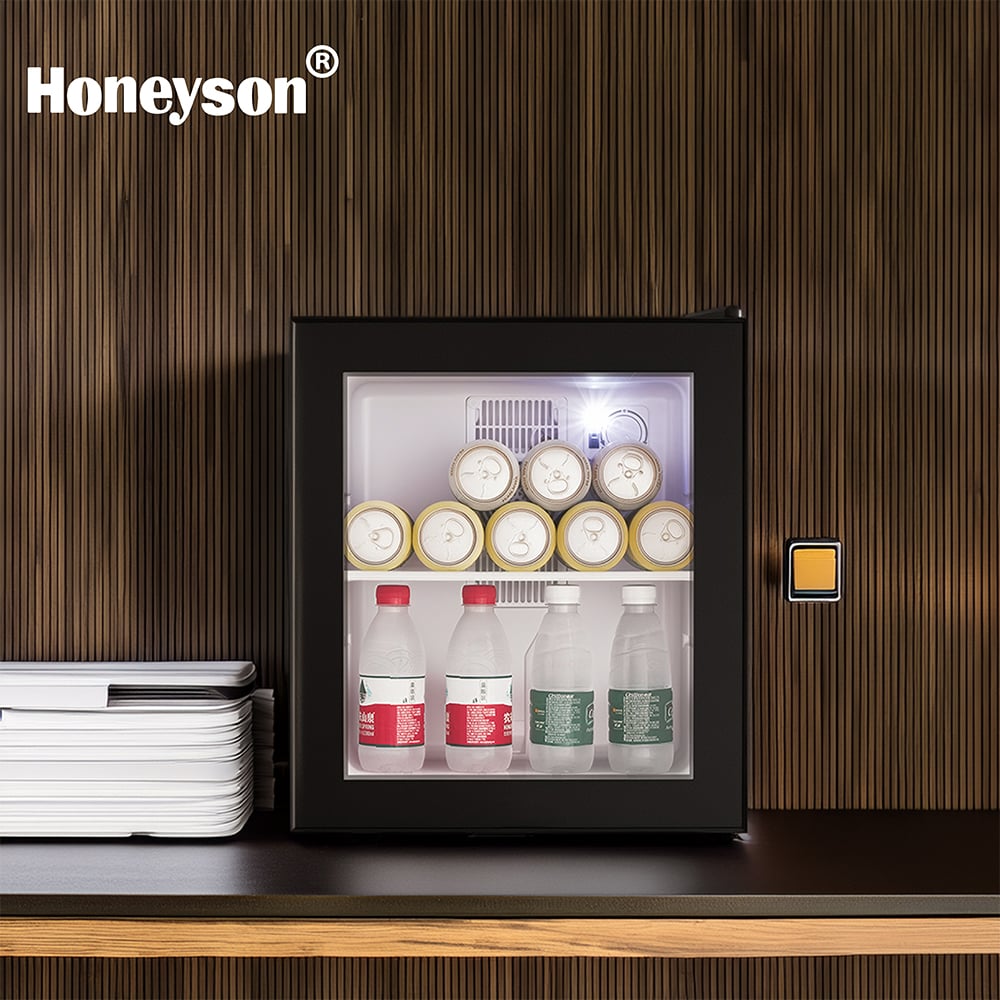
The customization journey for a hotel refrigerator or compact fridge extends beyond basic color selection. OEM small refrigerator manufacturers now offer comprehensive design flexibility that allows businesses to specify exact Pantone colors, select handle materials ranging from stainless steel to brushed chrome, and incorporate custom logos or branding elements directly into the unit. This level of personalization ensures that every small refrigerator placed in guest rooms, executive lounges, or retail spaces serves as a silent ambassador for the brand. Understanding these customization options empowers purchasing managers and facility directors to make informed decisions that enhance both user experience and brand cohesion.
Door Color Customization and Brand Identity
Strategic Color Selection for Brand Alignment
Door color represents the most visible customization element on any compact fridge. A hotel refrigerator with a custom door color creates an immediate visual connection to the brand's color palette and design language. Rather than accepting standard stainless steel or white finishes, businesses can now specify precise colors that match corporate guidelines, interior design schemes, or luxury hospitality aesthetics. For boutique hotels, premium office buildings, and specialty retail environments, this attention to detail distinguishes the space from competitors and reinforces brand professionalism. Color psychology also plays a role—warmer tones convey hospitality and comfort, while cooler tones suggest sophistication and efficiency, allowing brands to communicate their values through appliance selection.
Material and Finish Options Beyond Standard Colors
Beyond standard paint finishes, OEM small refrigerator suppliers now offer specialized materials including powder-coated steel, anodized aluminum, and textured finishes that enhance durability and aesthetic appeal. Matte finishes reduce fingerprints and maintain a cleaner appearance in high-traffic environments, while glossy finishes create a more luxurious, premium impression. Some manufacturers provide custom vinyl wrapping capabilities for complex designs or patterns, giving businesses unprecedented creative freedom. A hotel refrigerator with a custom textured finish or specialized coating demonstrates attention to quality and durability, signaling to guests that the establishment invests in long-term value rather than generic disposable solutions. The small refrigerator door becomes a design statement rather than a functional necessity.
Handle Style Customization and User Experience
Handle Material and Design Variations
Handle design influences both the tactile experience and visual presentation of a compact fridge. Standard metal handles have evolved to include recessed designs, ergonomic grips, and specialty materials like brushed copper, matte black, and chrome finishes. Hotels and offices can select handles that complement their overall design aesthetic while meeting durability requirements for frequent use. An OEM small refrigerator with a custom-designed handle offers manufacturers the flexibility to create distinctive designs that differentiate their products in competitive markets. Handle placement, size, and profile also affect ease of access for different user populations, making customization a practical consideration alongside aesthetic preference.
Functional and Aesthetic Integration
Handle customization extends beyond material selection to include integrated features like touch-sensitive controls, hidden handles for seamless design, or specially contoured grips designed for accessibility compliance. Premium hotels increasingly specify handles that coordinate with other hospitality elements like door hardware, furniture fixtures, and lighting design. A hotel refrigerator with integrated handle design signals sophisticated planning and attention to cohesive interior aesthetics. Businesses can also select handle styles that reflect contemporary design trends or timeless sophistication depending on their target market and brand positioning. The compact fridge handle choice communicates to users whether they're in a modern, innovative space or a traditional, established environment, making handle style a powerful subtle branding tool.
OEM Branding Integration and Logo Placement
Logo Embossing and Digital Branding Options
Direct logo incorporation transforms a functional small refrigerator into a branded marketing tool. OEM small refrigerator manufacturers offer multiple branding methods including embossed logos, screen-printed graphics, laser-etched designs, and applied chrome or stainless steel badges. Embossed logos create subtle, durable branding that ages well and maintains sophistication even after years of use. Screen printing allows for detailed artwork, multiple colors, and complex designs, though it requires careful consideration of placement and durability in humid hotel environments. Laser etching provides precision detail and permanent marking that cannot fade or peel, making it ideal for luxury hospitality applications. A hotel refrigerator bearing a precisely placed, professionally executed company logo instantly elevates the entire room's perceived value and brand professionalism.
Branding Placement Strategy and Visibility
Strategic branding placement maximizes impact while maintaining visual balance and design elegance. Logos placed on the door front achieve maximum visibility, while smaller branding on the handle or top panel offers subtle reinforcement. Large corporate installations often benefit from systematic branding approaches where multiple compact fridges create repeated brand exposure throughout a facility. The small refrigerator becomes part of the spatial branding narrative, where accumulated branded elements create memorable experiences without aggressive advertising. OEM manufacturers work with brand strategists to determine optimal logo size, color contrast, and positioning that communicates brand identity while preserving the unit's clean aesthetic lines. Premium branding execution requires collaboration between industrial designers and brand specialists to ensure the small refrigerator functions as both appliance and brand ambassador.
Implementation Considerations and Selection Criteria
Production Timelines and Minimum Order Quantities
Customized small refrigerators require planning and lead time beyond standard off-the-shelf models. OEM small refrigerator projects typically involve design approval phases, tooling adjustments, and longer production runs to justify custom manufacturing. Businesses must communicate timelines clearly, often requiring 60-90 days minimum for custom specifications. A hotel refrigerator order for a new property development demands careful coordination to ensure units arrive during renovation phases. Minimum order quantities vary by manufacturer but typically range from 100-500 units depending on customization complexity. Understanding these constraints helps facility directors and procurement teams plan renovation projects and facility upgrades with realistic expectations about customization availability and scheduling.
Cost Implications and Return on Investment
Customization increases per-unit costs compared to standard compact fridge models, but the branding investment often justifies itself through enhanced guest experience and brand differentiation. A hotel refrigerator with custom branding costs 15-30% more than standard units but generates measurable value through improved brand perception and guest satisfaction. Luxury hospitality properties consistently report that thoughtfully customized small refrigerators contribute to overall premium positioning and justify rate premiums. The small refrigerator represents a long-term asset with 5-10 year operational life, meaning customization investment amortizes over substantial periods. Smart procurement strategies balance customization costs against brand value, competitive differentiation, and long-term facility objectives, ensuring customized small refrigerators deliver genuine business value rather than serving as purely aesthetic indulgences.
FAQ
What are the most popular door color options for customized small refrigerators?
The most requested door colors include matte black, white, stainless steel, custom brand colors, and luxury finishes like rose gold or champagne. Hotels frequently specify colors that match corporate branding or interior design palettes. Premium properties increasingly request specialty finishes like textured metallics or custom Pantone matches. A hotel refrigerator with a carefully selected door color that complements the room design creates immediate visual harmony and reinforces the property's attention to detail. Neutral colors like matte black remain timeless choices for diverse interior styles, while bold custom colors work best for clearly branded environments where brand identity takes design priority.
How long does the customization process take for an OEM small refrigerator order?
Standard customization timelines range from 60-90 days from design approval through delivery of a compact fridge order. Complex branding with multiple colors or custom handle designs may extend to 120 days. Initial design consultation and approval adds 2-3 weeks before production timelines begin. A hotel refrigerator customization for a major property renovation must be coordinated within broader project timelines, often requiring placement of orders 6-9 months before installation dates. Rush options exist for premium customers but typically incur additional fees. Understanding these timelines helps procurement teams plan renovation projects realistically and avoid delays that could impact facility opening dates or operational transitions.
Can branding be applied to existing small refrigerators or must units be ordered new?
Most effective branding occurs during manufacturing when colors, handles, and logos are integrated during production. Retrofitting branding onto existing compact fridges through vinyl wrapping or applied logos is possible but typically less durable and professional than factory integration. A hotel refrigerator customized during manufacturing maintains superior finish quality and durability compared to applied branding. For new facility development or major renovations, factory customization is recommended. However, smaller retrofit projects might justify applied branding solutions when replacing existing small refrigerators would prove cost-prohibitive. OEM manufacturers can advise on optimal approaches based on project scope, timeline, and budget constraints.