
 EN
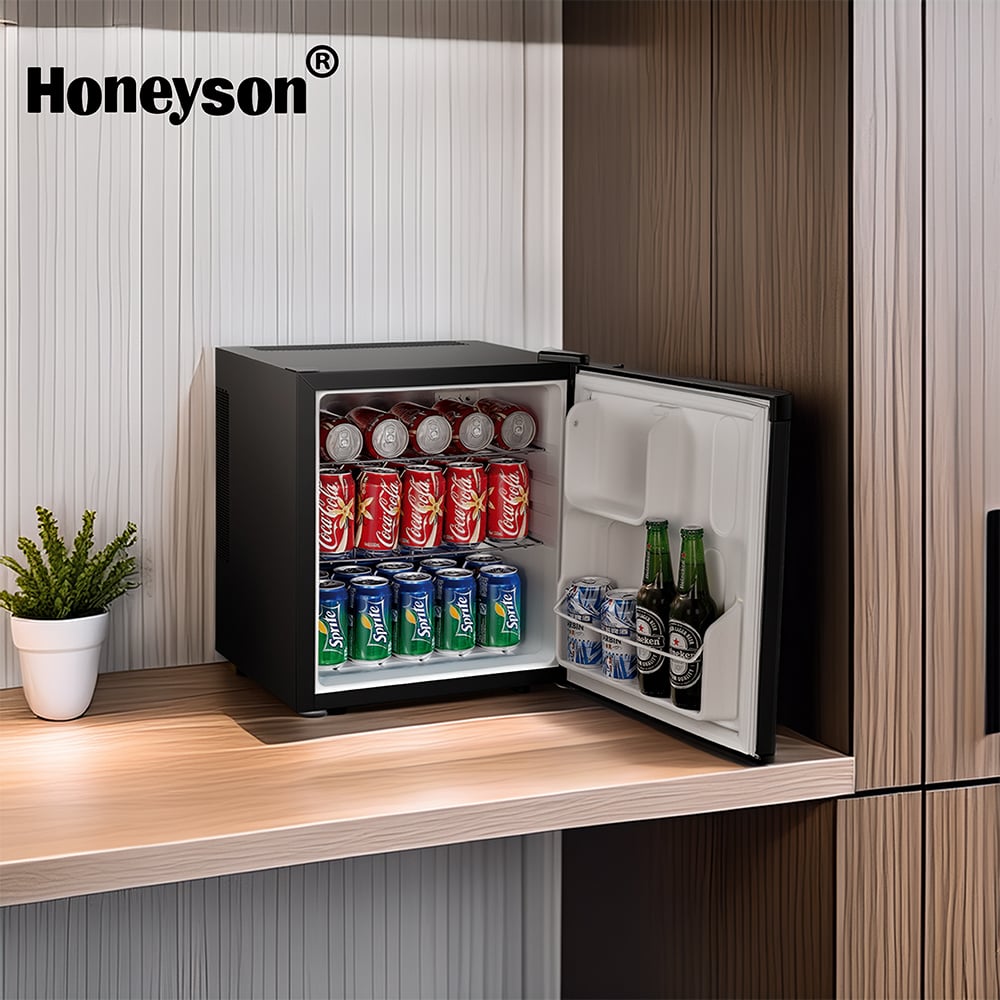
Understanding energy labels and market access rules is essential for anyone involved in the small refrigerator industry. Whether you are a manufacturer, distributor, or retailer, these regulations directly impact product compliance, market entry, and consumer trust. Energy labeling has become a critical tool for regulatory bodies worldwide to standardize efficiency information and help consumers make informed purchasing decisions.

A compact fridge requires careful attention to labeling requirements across different markets. Whether you are developing a hotel refrigerator for the hospitality sector or producing an OEM small refrigerator for original equipment manufacturers, compliance with energy label standards is non-negotiable. These rules govern everything from the label format and placement to energy consumption data and efficiency classifications, making them fundamental to product viability in both mature and emerging markets.
Understanding Energy Label Standards for Compact Fridges
What Energy Labels Communicate
Energy labels on a small refrigerator communicate several critical pieces of information to end users and regulatory authorities. The label typically displays the appliance's energy consumption class, annual energy usage in kilowatt-hours, and comparative efficiency metrics. For a compact fridge, this information must be presented in a standardized format that allows consumers to quickly assess operating costs and environmental impact. The hotel refrigerator segment relies heavily on these labels to help property managers evaluate total cost of ownership when purchasing units for their facilities.
Modern energy labeling systems often use a tiered classification, ranging from the most efficient category to the least efficient. An OEM small refrigerator manufacturer must test their products according to specific testing procedures established by regional bodies to generate accurate energy data. These standardized tests ensure that all small refrigerator models can be compared on a level playing field, preventing misleading marketing claims and enabling informed purchasing decisions across the supply chain.
Regional Variations in Label Requirements
Energy label requirements vary significantly by geographic market. In the European Union, for example, a small refrigerator must display the EU energy label, which has been redesigned to reflect modern appliance efficiency improvements. North American markets follow different standards established by the Department of Energy and the Environmental Protection Agency. A compact fridge destined for Asian markets may need to comply with entirely different labeling schemes, each with unique symbols, colors, and data presentation formats.
Manufacturers exporting a hotel refrigerator or OEM small refrigerator to multiple regions must navigate these variations carefully. Each market may require specific label language, unit measurements, and efficiency classifications. Failing to comply with regional labeling requirements can result in product seizures, regulatory fines, and damage to brand reputation, making accurate compliance planning essential during product development and market entry phases.
Market Access Requirements and Certification Processes
Mandatory Testing and Documentation
Before a small refrigerator can enter many regulated markets, it must undergo rigorous testing by accredited laboratories. The testing protocol for a compact fridge typically measures energy consumption under standardized conditions, such as specific ambient temperatures and usage cycles. An OEM small refrigerator destined for original equipment manufacturer clients must provide complete technical documentation, including test reports, performance specifications, and maintenance guidelines. A hotel refrigerator used in commercial settings may face additional safety and performance requirements beyond basic energy labeling.
Documentation requirements extend beyond energy testing. Manufacturers must supply declarations of conformity, product datasheets, and often proof of third-party verification. These documents form the basis of market access approval and must be maintained throughout the product's market life. Regulatory bodies conduct periodic audits and surveillance testing to ensure that production batches continue to meet the standards under which initial approval was granted.
Import Duties and Tariff Classification
The tariff classification of a small refrigerator affects import duties and market access barriers in many countries. A compact fridge may be classified as a household appliance or refrigeration equipment, depending on capacity and intended use, which influences the applicable duty rates. Import regulations also specify requirements for country-of-origin labeling, safety certifications, and sometimes local assembly or content thresholds. An OEM small refrigerator imported for integration into larger systems may qualify for different tariff treatment than a hotel refrigerator sold to end users.
Understanding these classification nuances is critical for supply chain planning and cost estimation. Misclassification can lead to customs delays, re-shipment, or penalty duties. Industry associations and trade agencies provide guidance on proper classification, but many manufacturers work with customs brokers to navigate these complexities accurately and ensure timely market entry.
Practical Implementation and Compliance Strategy
Building Compliance into Product Development
Successful compliance with energy label and market access rules begins during the product design phase. When developing a small refrigerator, manufacturers must establish specifications that meet target efficiency standards from the outset rather than attempting retrofits after production begins. A compact fridge design that prioritizes insulation, compressor efficiency, and component selection can achieve better energy performance while also reducing manufacturing complexity. For producers of a hotel refrigerator or OEM small refrigerator, integrating compliance requirements early reduces costs and accelerates market launch timelines.
Design teams should collaborate with regulatory and quality assurance specialists to identify all applicable requirements across target markets. This cross-functional approach helps prevent costly redesigns and ensures that energy label data is accurate from the first production batch. Testing prototypes against actual regulatory standards before full production provides confidence that the small refrigerator will pass certification without delays or additional modifications.
Managing Multi-Market Compliance
For manufacturers serving multiple geographic markets, developing a centralized compliance management system prevents errors and duplication. Maintaining separate specifications for a compact fridge in different regions adds complexity but is often necessary due to varying regulatory standards. An OEM small refrigerator may need slightly different configurations for different customer markets, while a hotel refrigerator sold through hospitality suppliers may require unified specifications to simplify service and parts management. Organizations typically create compliance matrices that map each market requirement to specific product versions or label variants.
Supply chain partners, from component suppliers to logistics providers, should be informed of compliance requirements and their roles in maintaining compliance. When a small refrigerator moves through the distribution chain, each party bears some responsibility for ensuring that labeling and documentation remain intact and accurate. Clear communication and documentation standards throughout the supply chain reduce the risk of non-compliant units reaching end customers.
FAQ
What happens if a small refrigerator does not have the correct energy label?
Products lacking proper energy labels or bearing incorrect labels may face regulatory action including product recalls, import bans, or significant fines. Retailers who sell unlabeled units can also face penalties. For a hotel refrigerator or OEM small refrigerator, this can disrupt supply agreements and damage business relationships. Many regulatory bodies now use digital verification systems to authenticate energy labels, making counterfeit or incorrect labeling increasingly detectable.
How long does the market access certification process typically take for a compact fridge?
The timeline for certifying a small refrigerator or compact fridge typically ranges from three to six months, depending on the complexity of the product and the number of markets involved. Testing itself usually takes two to eight weeks, while documentation review and administrative approval can add additional weeks. An OEM small refrigerator with unique configurations may require longer timelines. Delays often occur when manufacturers must correct test data or resubmit documentation, emphasizing the importance of thorough pre-submission verification.
Can the same energy label be used across different markets for a small refrigerator?
In most cases, no. A compact fridge requires region-specific energy labels that comply with local regulatory formats, languages, and efficiency classification systems. However, the underlying energy test data may be the same if the small refrigerator model is identical across markets. Manufacturers can optimize labeling processes by using modular label designs that can be adapted for different regions while maintaining consistent energy performance data. A hotel refrigerator or OEM small refrigerator sold internationally will typically require distinct label versions for each market.
