
 EN
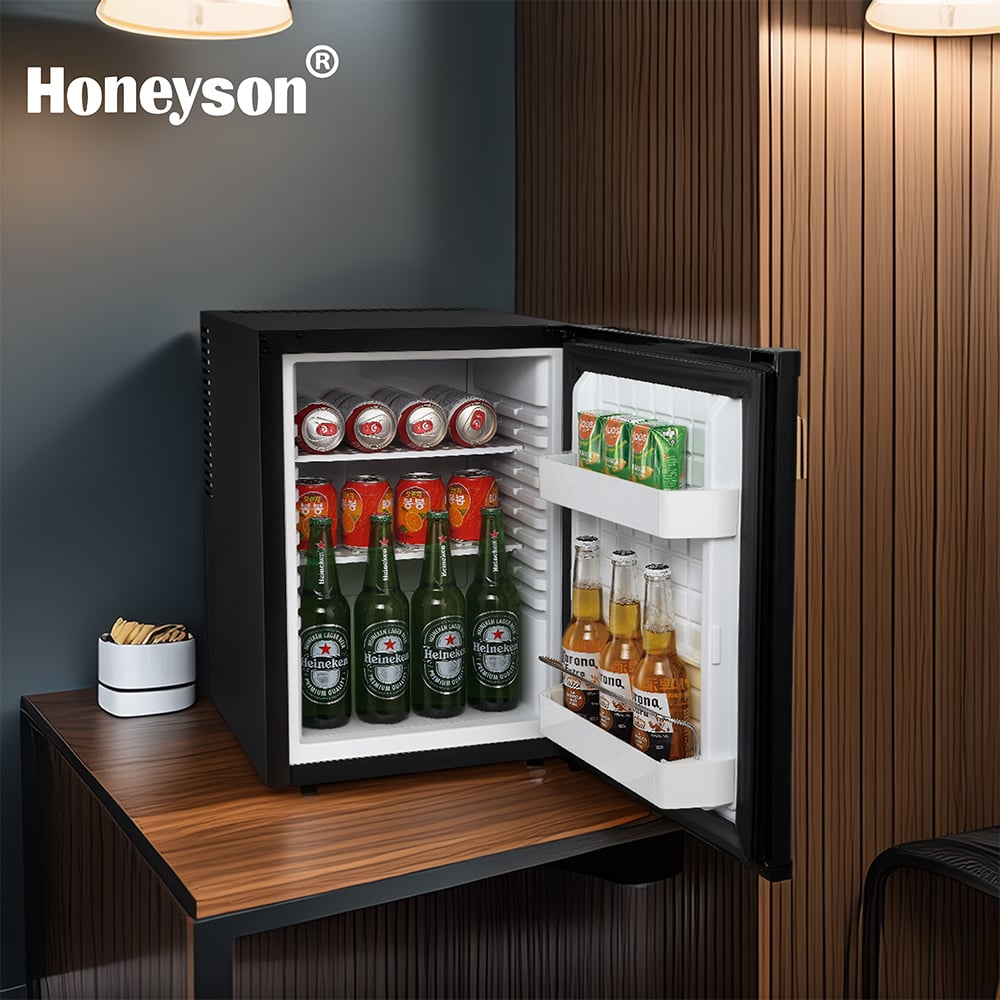
Hotel suite design requires careful attention to guest amenities, and beverage storage remains a critical consideration for modern hospitality properties. Choosing between freestanding and undercounter small refrigerators significantly impacts both room aesthetics and operational efficiency. Both configurations offer distinct advantages depending on your suite layout, guest expectations, and installation constraints. Understanding the differences between these two options helps hotel operators, property managers, and design teams select the ideal solution for their specific needs. This guide examines the key distinctions between freestanding and undercounter small refrigerator installations, helping you make an informed decision for your hotel renovation or new construction project.
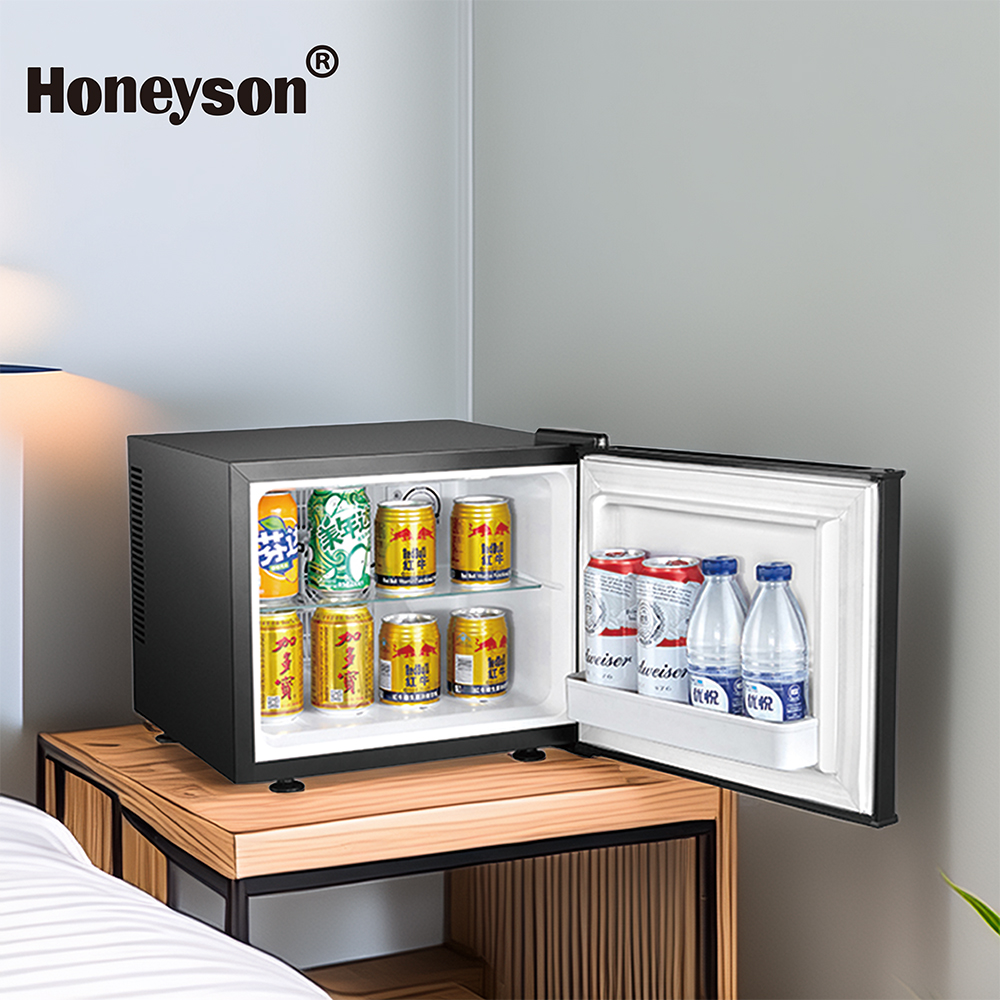
The choice between freestanding and undercounter configurations involves more than aesthetic preference—it touches on space utilization, maintenance access, installation costs, and long-term guest satisfaction. An OEM small refrigerator designed as a freestanding unit offers flexibility and simplicity, while an undercounter variant provides a seamless, integrated appearance. Hotels with varied suite styles may even deploy both options across different room categories, depending on whether the priority is visual appeal, space conservation, or rapid replacement capability. This article explores installation methods, performance characteristics, cost implications, and practical considerations that guide your selection process.
Understanding Freestanding Small Refrigerator Placement
Flexibility and Easy Installation
Freestanding small refrigerators represent the most straightforward installation method for hotel suites. These units arrive fully assembled and require no modifications to cabinetry or existing furniture. A hotel refrigerator in freestanding form can be positioned anywhere in the suite—under a counter, against a wall, in a kitchenette corner, or even within a minibar station. This flexibility proves invaluable when renovating existing properties or reconfiguring suites without major structural changes. Maintenance and replacement become simpler since technicians can access the unit quickly without dismantling cabinetry, reducing downtime during service calls.
Space Considerations and Aesthetics
While freestanding compact fridge units offer convenience, they consume visible floor or counter space within the guest room. This visibility can create a less polished appearance compared to integrated designs, particularly in upscale suites where visual harmony matters significantly. The unit stands independently, creating potential gaps around it unless custom surrounds are built. Many hotel designers accommodate this by incorporating freestanding models into dedicated kitchenette areas or beverage stations where the visual presence feels intentional rather than cramped into the suite. Some properties position these small refrigerators within existing furniture pieces or entertainment centers to minimize the sense of intrusion.
Understanding Undercounter Small Refrigerator Integration
Seamless Design and Space Efficiency
Undercounter small refrigerator configurations represent a more sophisticated approach to guest amenities. These units mount beneath countertops, bar surfaces, or custom cabinetry, creating a built-in appearance that feels integrated into the suite's design. An OEM small refrigerator engineered for undercounter installation delivers professional aesthetics while maximizing usable space within the room. The compact fridge disappears visually, allowing design elements like granite countertops, wooden cabinetry, or decorative finishes to take visual prominence. This approach suits luxury suites, extended-stay properties, and hospitality environments where room perception and visual elegance directly influence guest satisfaction and room rates.
Installation Requirements and Infrastructure
Undercounter placement demands careful planning during initial suite design or renovation. The hotel refrigerator unit must be specified early so that cabinetry can be custom-built to accommodate its exact dimensions, depth, and ventilation needs. Electrical rough-in must occur before cabinets are installed, requiring coordination between contractors and careful site measurement. The small refrigerator requires adequate clearance above, below, and around the unit for proper air circulation, particularly if it uses rear-mounted condenser coils. Water lines and drainage considerations may apply if the unit includes ice-making capabilities. These infrastructure demands make undercounter installation more expensive upfront but deliver long-term design cohesion and operational reliability.
Comparing Performance, Maintenance, and Total Cost
Operational Performance and Service Access
Both freestanding and undercounter small refrigerator configurations perform equivalently in terms of cooling capacity and energy efficiency when manufactured by reputable OEM suppliers. However, maintenance patterns differ significantly. A freestanding compact fridge allows technicians to pull the unit away from its location for repairs, diagnostics, or component replacement without disrupting cabinetry. Undercounter variants require accessing the unit within its built-in space, sometimes necessitating removal of surrounding cabinetry or cabinet panels. This complexity extends service time and increases labor costs during repairs. Hotels with extensive suite counts may experience higher cumulative maintenance expenses with undercounter configurations due to these access constraints.
Installation Costs and Return on Investment
Initial installation costs favor freestanding small refrigerators significantly. These units arrive ready to operate and need only an electrical outlet and a stable placement surface. Undercounter small refrigerator installation requires custom cabinetry fabrication, precise cutout work, professional electrical rough-in, and potential HVAC modifications to ensure adequate ventilation. The difference in upfront costs can range from thirty to fifty percent higher for undercounter configurations, depending on existing infrastructure and customization requirements. However, luxury properties justify this investment through enhanced guest experience and perceived room value. Mid-market hotels often evaluate whether the design premium translates to measurable revenue increases or reduced turnover.
Long-Term Replacement Scenarios
A critical consideration involves future replacement cycles. When a freestanding hotel refrigerator reaches end-of-life, replacement requires only disconnection and installation of a new unit, typically accomplished within hours. Undercounter compact fridge replacement requires cabinet modification, potential cabinetry adjustments if the new unit has slightly different dimensions, and reinstallation labor. This extended downtime and higher replacement costs can strain hospitality operations, particularly during busy seasons when room availability directly impacts revenue. Properties with undercounter installations should establish premium maintenance schedules to extend unit lifespan and minimize mid-cycle replacements.
FAQ
Which installation method works best for small suites with limited space?
Undercounter small refrigerator configurations typically maximize space efficiency in small suites by eliminating visual clutter and preserving usable floor area. An OEM small refrigerator designed for undercounter mounting can be positioned beneath a beverage station, bar counter, or kitchenette surface, effectively hiding it from view while maintaining easy guest access. Freestanding compact fridge options work well when space exists and aesthetic integration is secondary to operational convenience, particularly in budget or mid-market properties where design sophistication carries lower priority.
What are the primary maintenance differences between these small refrigerator types?
Freestanding small refrigerators offer simpler maintenance access since technicians can pull the unit away from its location without disturbing surrounding structures. An undercounter small refrigerator requires accessing the unit within cabinetry, sometimes necessitating cabinet panel removal or partial deconstruction, extending service time and increasing labor costs. Hotels should factor these differences into preventive maintenance schedules and budget accordingly for repairs or component replacements over the unit's operational lifespan.
How do budget considerations influence freestanding versus undercounter choices for hotel refrigerator selection?
Freestanding compact fridge options present significantly lower upfront costs since they require minimal installation infrastructure beyond an electrical outlet and placement surface. Undercounter configurations demand custom cabinetry, professional installation, and potentially HVAC modifications, increasing initial expenses by thirty to fifty percent. Budget hotels typically choose freestanding units to minimize capital expenditure, while luxury properties invest in undercounter small refrigerators to justify premium room rates. Mid-market hotels evaluate whether the design enhancement supports revenue goals and justifies the additional investment in both initial installation and future maintenance.
