
 EN
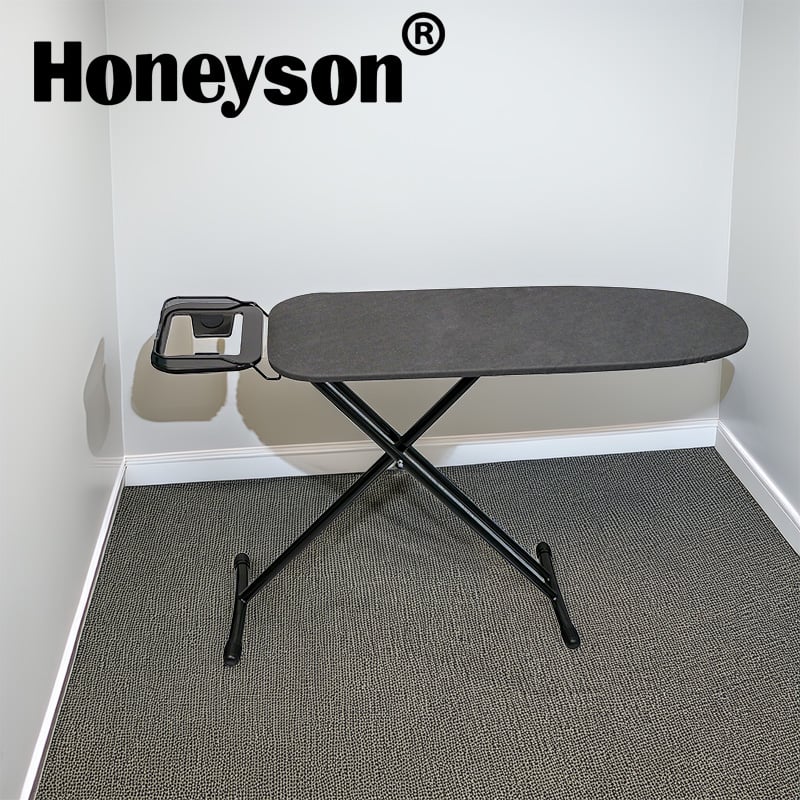
Wobbling legs represent one of the most common quality issues in bulk ironing board production, affecting both structural integrity and user safety. When an ironing board experiences instability during use, it compromises the entire product experience and creates liability concerns for manufacturers. This problem stems from multiple manufacturing stages, from initial frame assembly to final leg adjustment, and requires systematic troubleshooting to identify root causes and implement lasting solutions.
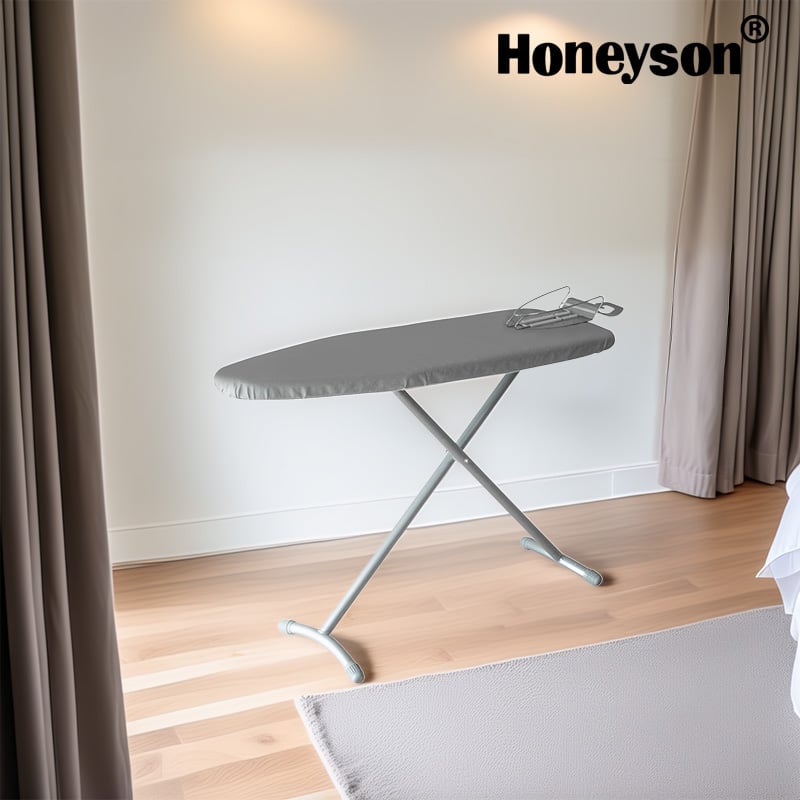
Manufacturing an ironing board at scale demands precision in every component, especially in foldable ironing board designs where leg stability directly impacts product reputation. Whether you produce hotel ironing board units for commercial clients or OEM ironing board models for retail distribution, addressing wobble during production prevents costly returns and maintains customer satisfaction. This guide walks through the most frequent causes of leg wobble, the material and design choices that influence stability, and the quality control steps that keep every ironing board consistent from the first unit to the last in a large production run.
Identifying Root Causes of Leg Wobbling
Frame Misalignment During Assembly
Frame misalignment occurs when welded or riveted joints deviate from specification during assembly. In bulk ironing board production, even minor deviations—measured in millimeters—compound as components stack during final assembly. Check that your assembly fixtures maintain consistent pressure across all joints and that welding temperature remains stable throughout production runs. Measure diagonal dimensions of the frame after welding to catch asymmetry before legs attach.
Leg Attachment Point Issues
The connection between legs and frame determines overall stability. For a foldable ironing board, inspect whether fastening points remain perpendicular to the frame surface. Loose bolts, stripped threads, or misaligned pivot points cause immediate wobbling. In hotel ironing board manufacturing, torque specifications matter significantly—under-tightened fasteners allow micro-movements that amplify during use, while over-tightened fasteners can crack welded bosses. Implement torque verification at random intervals throughout your production shift.
Welding Quality and Joint Strength
Weak or inconsistent welds are a hidden source of wobble in a bulk ironing board run. Porosity, undercut, or incomplete fusion at the leg brackets lets the joint flex under load, even when the frame looks straight. Inspect ironing board weld seams visually on every shift and pull sample units for destructive testing at regular intervals. For a hotel ironing board that will be opened and closed hundreds of times, joint fatigue is a bigger risk than in a home-use model, so weld penetration and bead consistency deserve extra attention.
Pivot and Rivet Wear
The pivots that let a foldable ironing board collapse are also the parts most likely to loosen over time. Rivets that are under-set leave play in the joint, while over-set rivets bind the legs and prevent them from seating fully. Standardize ironing board rivet length and setting pressure, and check pivot play with a simple feeler gauge. Adding a washer or bushing at high-load pivots can reduce wear and keep the legs locked in the open position, which is especially useful for an OEM ironing board that must meet a retailer’s durability standard.
Surface and Material Quality Factors
Base Surface Flatness Variations
An ironing board rests on whatever surface a user provides, and any deviation in leg length becomes immediately apparent. Measure leg length tolerance during leg fabrication, ensuring all four legs match within 0.5mm. If your OEM ironing board legs use different material batches or suppliers, verify that material hardness and dimensional consistency remain constant. Legs that differ by even 1mm will create perceivable wobbling when placed on level surfaces.
Material Flexibility and Deflection
Some ironing board designs use tubular steel or aluminum legs that deflect under load, creating the illusion of instability even when assembly is correct. Calculate the maximum allowable ironing board deflection based on typical user weight and pressure distribution. For hotel ironing board applications where durability expectations are higher, consider upgrading material gauge or adding lateral bracing that increases rigidity without significantly increasing weight. Test deflection under load before scaling production volumes.
Foot Pads and Floor Contact Design
Foot design influences how an ironing board behaves on tile, wood, and carpet. Hard plastic feet can slide or rock on smooth floors, while overly soft rubber compresses unevenly and creates a slight tilt. Choose ironing board foot pads with consistent hardness and thickness, and confirm that they seat firmly on the leg ends without gaps. Some manufacturers add adjustable feet to a hotel ironing board so staff can level it quickly on uneven floors, which reduces complaints without changing the main frame.
Assembly Process and Quality Control Optimization
Systematic Quality Checkpoints
Implement a multi-stage inspection protocol where wobbling checks occur at three production phases: after frame assembly, after leg attachment, and before final packaging. Place completed units on perfectly level surfaces and measure vertical deviation at all four corners using precision levels. For foldable ironing board units, test both folded and unfolded configurations, as leg alignment often differs between states. Document all measurements and create control charts to identify drift patterns in your process.
Worker Training and Process Consistency
Operator error frequently introduces wobbling problems in bulk ironing board production. Train assembly technicians on proper bolt torque sequences, frame positioning techniques, and visual inspection for welding defects. Rotate workers periodically to identify whether specific individuals consistently produce higher-quality units, which may indicate process knowledge gaps. Create visual work instruction cards showing proper leg alignment for both standard and OEM ironing board variants your facility produces.
Jig and Fixture Calibration
Assembly jigs wear down gradually, and a worn fixture will quietly produce off-spec frames long before anyone notices. Schedule ironing board jig calibration checks at the start of each shift, verify jig dimensions against a master reference, and replace worn locating pins promptly. A calibrated fixture keeps leg spacing and bracket height consistent, so every ironing board leaves the line with the same geometry.
Packaging and Transit Protection
Even a well-built ironing board can develop wobble after shipping if its legs are bent or its pivots are loosened in transit. Use rigid corner protectors for each ironing board carton and secure the legs of every foldable ironing board in the closed position before packing. For a hotel ironing board shipped in large quantities, run drop tests on sample cartons to confirm the packaging protects the frame. An OEM ironing board order should include a final wobble check on units pulled from packed cartons.
FAQ
What is the most common cause of wobbling in foldable ironing board production?
Uneven leg length represents the single most common cause, followed closely by frame misalignment during welding. These two factors account for approximately 75% of wobbling complaints in foldable ironing board manufacturing. Implement post-weld frame measurement and pre-assembly leg length verification to eliminate most issues before final assembly begins.
How should hotel ironing board legs be inspected for wobbling defects?
Place each completed hotel ironing board on a perfectly level surface and use a precision level to measure vertical deviation at each corner. Any deviation exceeding 2mm indicates a defect requiring rework. Additionally, apply downward pressure at the board center—approximately 50kg of force—and observe whether wobbling increases significantly. Units showing excessive deflection under load may need structural reinforcement or material upgrades.
Can wobbling in an OEM ironing board be fixed after production, or must it be prevented during manufacturing?
Prevention during manufacturing is far more cost-effective than correction afterward. However, minor wobbling caused by loose fasteners can be corrected by re-torquing leg attachment bolts to specification. Wobbling caused by bent frames, misaligned welds, or uneven leg length typically requires complete component replacement. Focus your quality management on process controls rather than relying on post-production rework.
How often should assembly fixtures be checked during bulk ironing board production?
Check fixtures at the start of every shift and after any tooling change. Compare jig dimensions with a master reference and record the results. Frequent checks catch gradual ironing board tooling wear early, which prevents a whole batch of ironing board units from leaving the line with misaligned legs.
Does leg material affect wobbling in a hotel ironing board?
Yes. Thin-wall ironing board tubing flexes more under load, which feels like wobble even when the assembly is correct. For a hotel ironing board that sees daily use, thicker steel tubing or added cross bracing improves stability and extends service life. Test several leg options under realistic loads before choosing a final design.
Table of Contents
- Identifying Root Causes of Leg Wobbling
- Surface and Material Quality Factors
- Assembly Process and Quality Control Optimization
-
FAQ
- What is the most common cause of wobbling in foldable ironing board production?
- How should hotel ironing board legs be inspected for wobbling defects?
- Can wobbling in an OEM ironing board be fixed after production, or must it be prevented during manufacturing?
- How often should assembly fixtures be checked during bulk ironing board production?
- Does leg material affect wobbling in a hotel ironing board?
