
 EN
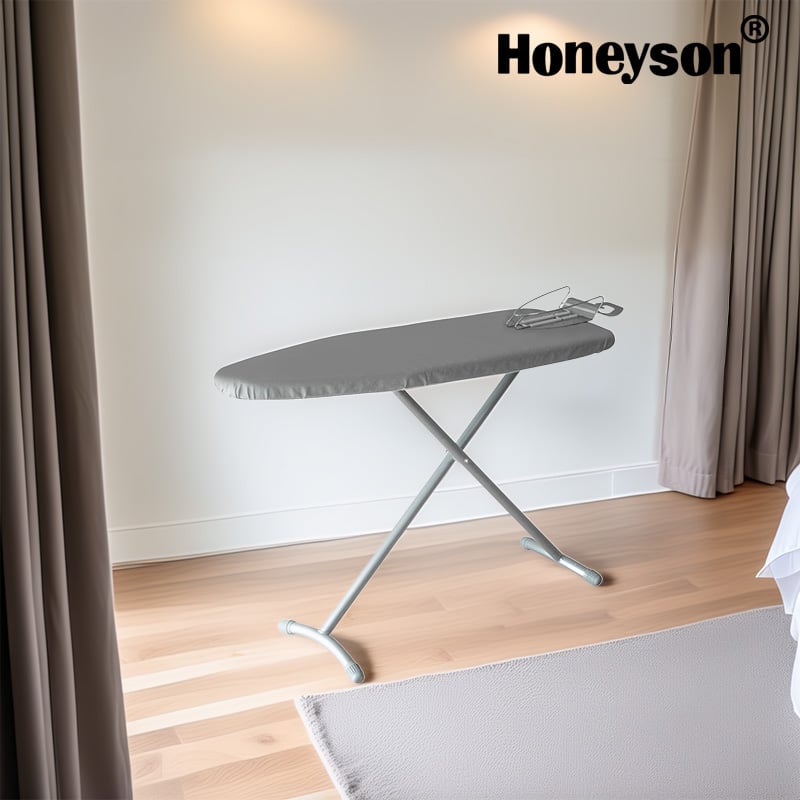
Hotel operations depend on quality linen care, and selecting the right ironing board significantly impacts guest satisfaction and operational efficiency. The choice between mesh top and solid top designs represents a fundamental decision that affects durability, heat distribution, moisture management, and long-term maintenance costs. Hotels must understand the performance characteristics, practical limitations, and real-world implications of each design before committing to large-scale purchasing decisions.
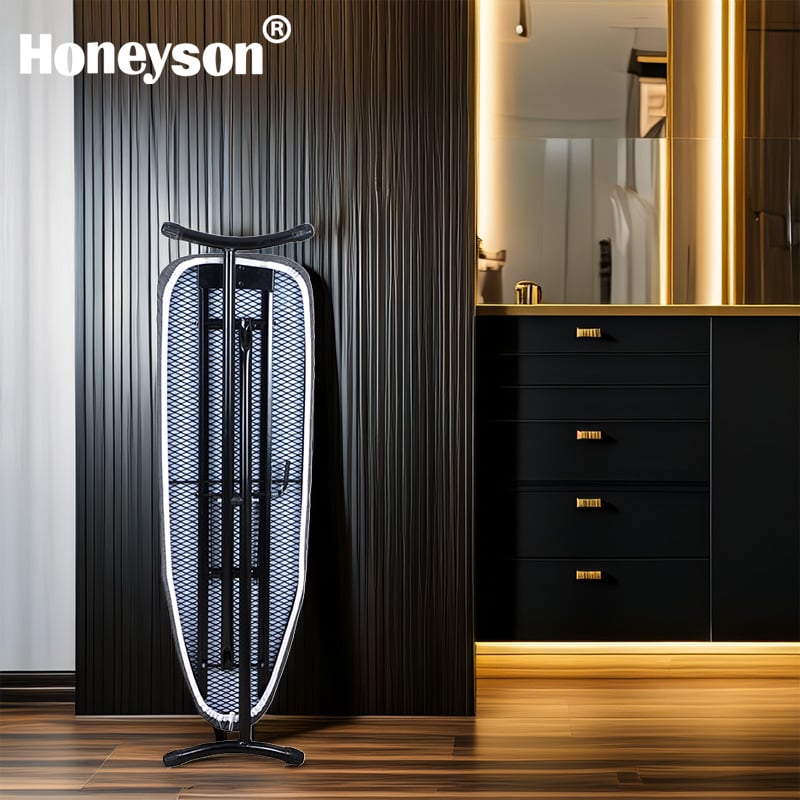
A hotel ironing board must withstand constant use, frequent repositioning, and exposure to steam and moisture across hundreds of service cycles annually. The top surface design directly influences how heat transfers, how steam disperses, how water drains, and how fabric remains secure during pressing. Understanding these functional differences allows procurement teams to specify equipment that minimizes downtime, reduces replacement frequency, and delivers consistent pressing quality to guests throughout their stay.
Mesh Top Ironing Board Design and Performance
Heat and Steam Circulation in Mesh Surfaces
A mesh top hotel ironing board incorporates a perforated or woven surface that allows air and steam to flow through the board rather than accumulating on top. This design principle enables superior heat distribution across the fabric being pressed, as steam can rise through the mesh from below while air circulation prevents hot spots. When using a professional steam iron with high-pressure output, the mesh top reduces the risk of water pooling on the board surface, which can otherwise create wrinkles or wet marks on delicate linens.
Durability and Maintenance Considerations
Mesh top ironing boards generally offer excellent longevity in high-volume hotel environments because water drains through the surface rather than sitting against it. This drainage characteristic significantly reduces rust formation, corrosion of metal supports, and deterioration of cover materials commonly seen in hospitality settings. However, foldable ironing board covers with mesh tops may require more frequent replacement as the weave pattern can accumulate lint, wrinkles from pressing patterns, and stubborn stains that solid surfaces handle more easily. OEM ironing board manufacturers typically recommend using mesh designs in facilities where steam use exceeds fifty percent of daily pressing operations.
Solid Top Ironing Board Advantages and Limitations
Fabric Contact and Pressing Efficiency
Solid top ironing board surfaces provide continuous, uniform contact with every inch of fabric being pressed, which many laundry professionals prefer for achieving crisp, professional results. A solid surface concentrates heat directly where needed without allowing steam to escape downward, making it ideal for precision work on collars, cuffs, and structured garment elements. Many hotel ironing boards with solid tops use premium cover materials like cotton blends that resist wearing and maintain appearance through hundreds of pressing cycles. The foldable ironing board segment increasingly features solid tops because they offer a more familiar pressing experience to guests accustomed to residential equipment.
Moisture Management and Cover Replacement
Solid top designs accumulate moisture on the pressing surface, requiring proper drainage channels built into the board base to prevent water pooling that can lead to rust and structural damage. Without effective moisture management systems, a hotel ironing board with a solid top may develop permanent stains, mold growth, or smell issues in humid climates or high-steam environments. OEM ironing board specifications should include moisture barriers beneath the cover and adequate ventilation in storage areas to prevent these problems. Replacement cover costs for solid top boards tend to be lower per unit than mesh alternatives, but labor expenses increase if water damage requires structural repairs to the base support system.
Selecting the Right Ironing Board for Hotel Specifications
Operational Context and Usage Patterns
Hotel procurement teams should evaluate average pressing duration per day, expected steam iron usage intensity, climate conditions, and typical guest expectations when deciding between mesh and solid top designs. Full-service properties with in-house laundry operations benefit from mesh top hotel ironing boards because they accommodate extended steam-pressing cycles and heavy-duty professional irons. Budget-conscious hotels or limited-service properties may prioritize solid top foldable ironing board models because initial purchase costs are lower and guest expectations for pressing precision are generally less demanding. Properties located in humid coastal regions should favor mesh tops due to superior water drainage and reduced corrosion risk.
Integration with Steam Iron Equipment
The choice of ironing board design should coordinate with the steam iron specifications your facility selects. A professional steam iron delivering high-pressure output pairs optimally with mesh top boards to maximize the cooling and drainage benefits that design provides. Standard gravity-feed irons work equally well with solid top boards, making them compatible with most existing hotel pressing setups. OEM ironing board suppliers can recommend complementary equipment combinations based on your facility's steam generation capacity, water quality, and pressing volume requirements.
Cost Analysis and Long-Term Value Assessment
Initial purchase price represents only one component of total cost of ownership for hospitality-grade ironing equipment. Mesh top hotel ironing boards typically cost fifteen to twenty percent more upfront but deliver lower replacement-cover costs and reduced structural repairs over a five-year operational cycle. Solid top foldable ironing board models appeal to smaller properties with constrained budgets, though replacement intervals and repair expenses may offset initial savings. Developing a procurement specification that accounts for cover replacement frequency, structural durability expectations, and facility-specific operational demands ensures accurate cost comparison and sound purchasing decisions.
FAQ
Which ironing board design works better for continuous commercial steam pressing?
Mesh top designs excel in continuous commercial environments because steam and moisture drain through the surface, preventing water pooling and rust formation that compromise solid top boards during intensive use. High-volume hotel laundry operations benefit significantly from mesh construction, especially when using professional steam irons that deliver sustained high-pressure output throughout extended pressing cycles.
How does a foldable ironing board fit into hotel guest-room specifications?
Guest-room ironing boards must balance durability with guest expectations and room space constraints. Foldable ironing board models with solid tops often satisfy guest preferences because they resemble familiar residential equipment and occupy minimal closet space when stored. However, solid top designs require careful moisture management and regular cover inspection to maintain appearance and prevent odor development in between guest uses.
What makes an OEM ironing board different from standard commercial models?
OEM ironing board products are engineered specifically for high-volume hospitality use with reinforced support structures, premium cover materials, and moisture management systems designed for continuous operation. OEM specifications ensure consistent quality, standardized replacement-part availability, and warranty support that generic commercial boards cannot guarantee, making them the preferred choice for enterprise-level hotel operations.
