
 EN
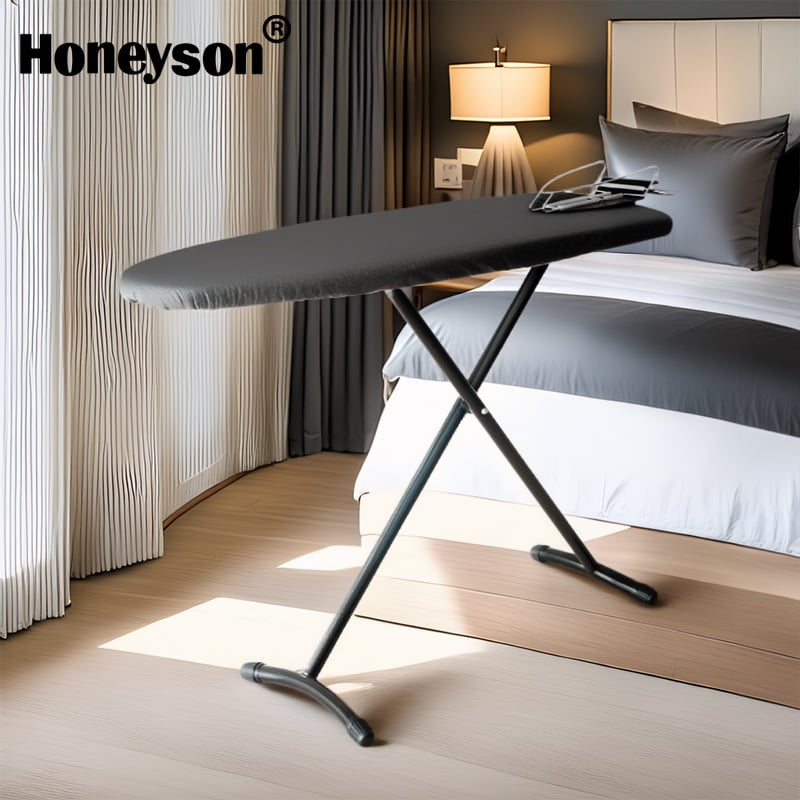
The performance of an ironing board depends heavily on the quality of its cover fabric and padding materials. When heat and moisture from steam irons make direct contact with the board surface, the cover fabric and underlying padding layers determine how effectively heat transfers, how well the surface resists damage, and how long the ironing board remains functional. Understanding these material interactions helps businesses, hospitality operators, and OEM manufacturers select or produce ironing boards that deliver superior performance and longevity.
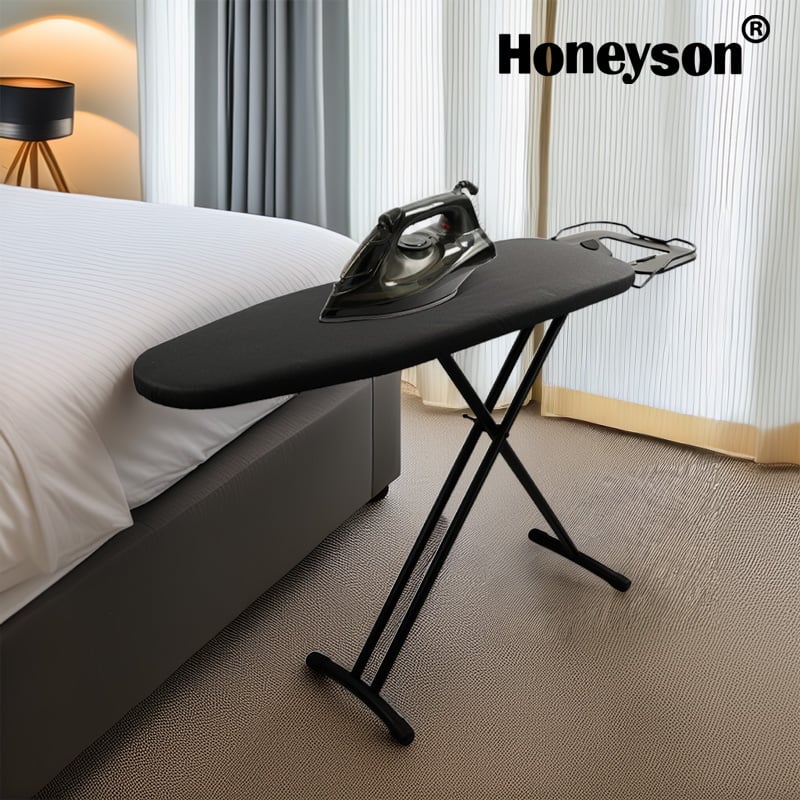
Heat resistance in ironing board covers is not a single material property but a combination of fabric composition, padding density, and thermal conductivity characteristics. Whether you operate a hotel ironing board in a commercial laundry or manufacture a foldable ironing board for home markets, selecting the right materials directly impacts user satisfaction, safety, and product durability. This guide explores the science behind heat-resistant cover materials and how different padding options influence overall thermal performance.
Fabric Composition and Heat Resistance Properties
Natural and Synthetic Fabric Blends
The outer cover fabric of an ironing board must balance heat conductivity with durability and aesthetic appeal. Cotton blends remain popular in both hotel ironing board and foldable ironing board applications because cotton fibers naturally withstand high temperatures without melting or degrading. However, pure cotton absorbs moisture readily, which can reduce effective heat transfer and create water spotting on delicate garments. Modern ironing board manufacturers often blend cotton with polyester to improve heat resistance while maintaining structural integrity. A typical blend might be 65 percent cotton and 35 percent polyester, offering superior temperature tolerance compared to pure cotton alternatives.
Specialized Heat-Resistant Coatings
Many OEM ironing board producers apply silicone-based or other specialized coatings to the outer fabric layer to enhance heat reflection and surface smoothness. These coatings create a non-stick surface that allows garments to glide effortlessly during pressing while simultaneously improving the fabric's thermal stability. Coated fabrics also reduce moisture penetration into the padding layers, which is critical for extending ironing board lifespan. The coating thickness and type determine how well the cover resists scorching, staining, and thermal degradation when exposed to sustained temperatures exceeding 300 degrees Fahrenheit.
Padding Materials and Thermal Conductivity
Density and Heat Transfer Efficiency
Beneath the outer cover fabric lies the padding layer, which plays a crucial role in heat distribution and flame resistance. High-density padding conducts heat more uniformly across the ironing surface, preventing localized hot spots that damage garments or create uneven press marks. Hotel ironing board operators often prefer denser padding because it withstands repetitive heavy-duty use without compressing or developing thin spots. A foldable ironing board intended for home use may employ lighter padding to reduce weight and cost while still providing adequate thermal protection. The padding density directly correlates with how quickly heat transfers from the iron sole plate to the garment being pressed.
Insulation Properties and Safety
Quality padding in an OEM ironing board must also insulate the metal frame underneath, preventing excessive heat from reaching the structural components or the user's hands during operation. Natural materials like cotton batting combined with polyester insulation layers create a thermal barrier that protects both the board structure and the operator. This insulation function becomes especially important in commercial environments where ironing boards operate continuously throughout the day. The padding composition determines the safe holding temperature of the board edges and handles, influencing workplace safety standards and user comfort during extended use sessions.
Durability and Long-Term Performance Considerations
Resistance to Scorching and Wear
Over time, repeated iron contact causes the ironing board cover fabric and padding to experience cumulative thermal stress. High-quality covers resist scorching, yellowing, and surface degradation that result from sustained exposure to heat above 250 degrees Fahrenheit. Fabric weave density impacts durability significantly; tightly woven covers maintain structural integrity longer than loosely woven alternatives. Commercial hotel ironing board applications demand superior scorching resistance because these boards face dozens of pressing cycles daily with heavy loads. Manufacturers of foldable ironing board products must balance affordability with durability expectations, selecting materials that withstand typical residential use patterns without excessive degradation.
Moisture and Mildew Resistance
Steam irons introduce moisture into ironing board covers and padding, creating conditions that promote mildew growth if materials lack proper treatment. Quality padding materials incorporate moisture-wicking properties or antimicrobial coatings that prevent fungal development in damp storage conditions. An OEM ironing board designed for humid commercial environments requires more aggressive moisture protection than a foldable ironing board stored in dry home closets. Fabric treatments that enhance moisture resistance also improve heat performance by preventing water absorption that reduces thermal conductivity and increases pressing time.
FAQ
What temperature should an ironing board cover withstand?
A quality ironing board cover fabric should safely withstand temperatures between 300 and 400 degrees Fahrenheit, which represents the typical range of household and commercial steam irons. Hotel ironing board covers often face hotter sustained temperatures and benefit from materials rated even higher. Padding materials must support these temperatures without melting, compressing, or releasing harmful fumes, making composition selection critical for both performance and safety in any ironing board application.
How does padding density affect heat transfer on an ironing board?
Higher-density padding in an ironing board conducts and distributes heat more evenly across the pressing surface, which improves garment results and reduces ironing time. Low-density padding creates uneven thermal distribution, leading to hot spots and inconsistent pressing quality. OEM ironing board manufacturers carefully balance padding density to optimize heat transfer while maintaining adequate insulation for user safety and structural protection, ensuring the ironing board performs reliably under expected usage conditions.
Why is coating important for ironing board cover fabric?
Coatings applied to ironing board cover fabric enhance heat reflection, improve surface smoothness for garment gliding, and reduce moisture penetration into underlying padding materials. These coatings extend the lifespan of the ironing board by protecting the fabric from scorching, staining, and thermal degradation. Both hotel ironing board and foldable ironing board designs benefit from quality coatings, as they improve pressing performance while maintaining heat resistance and durability across diverse usage environments and storage conditions.
